July 2026 | 830 words | 3-minute read


What does it take for a student from an institution for underprivileged children to win a bronze medal at a state-level archery competition? The answer, Ganesh Kamthe — the Class 12 student from Punaruthan Samarasata Gurukulam Ashram in Pimpri Chinchwad, Maharashtra, who won the medal — might say is HoPE.
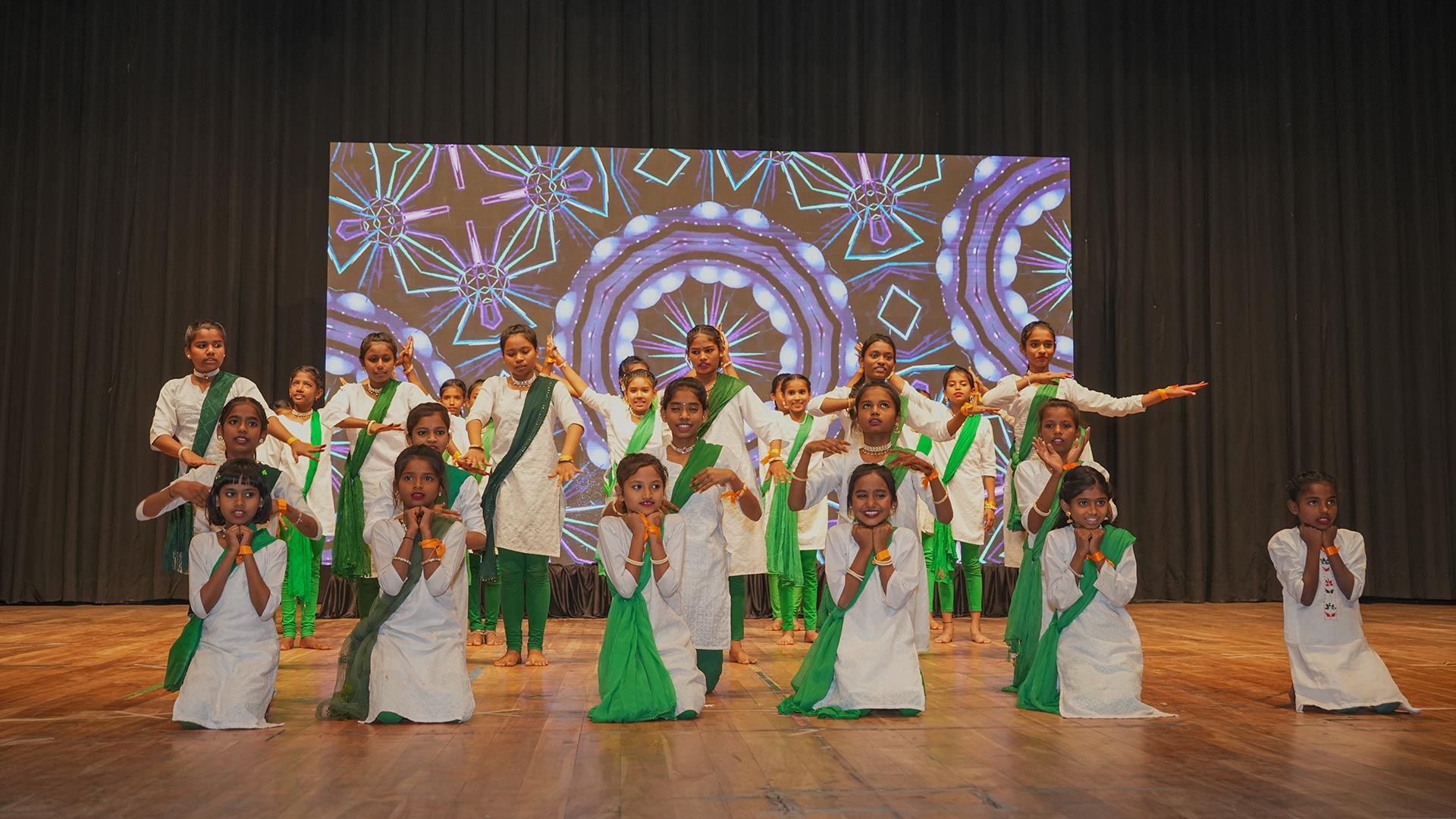
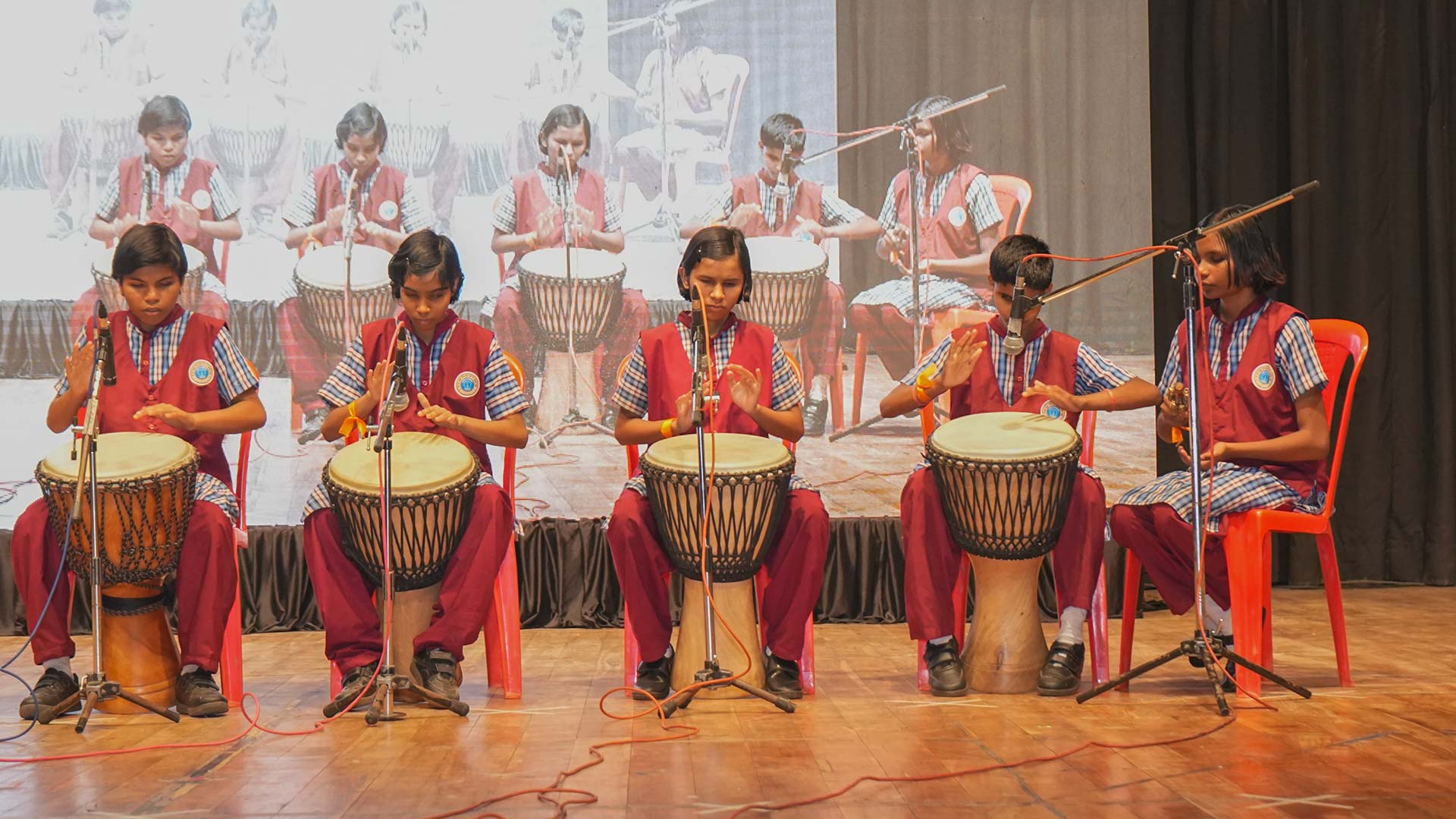
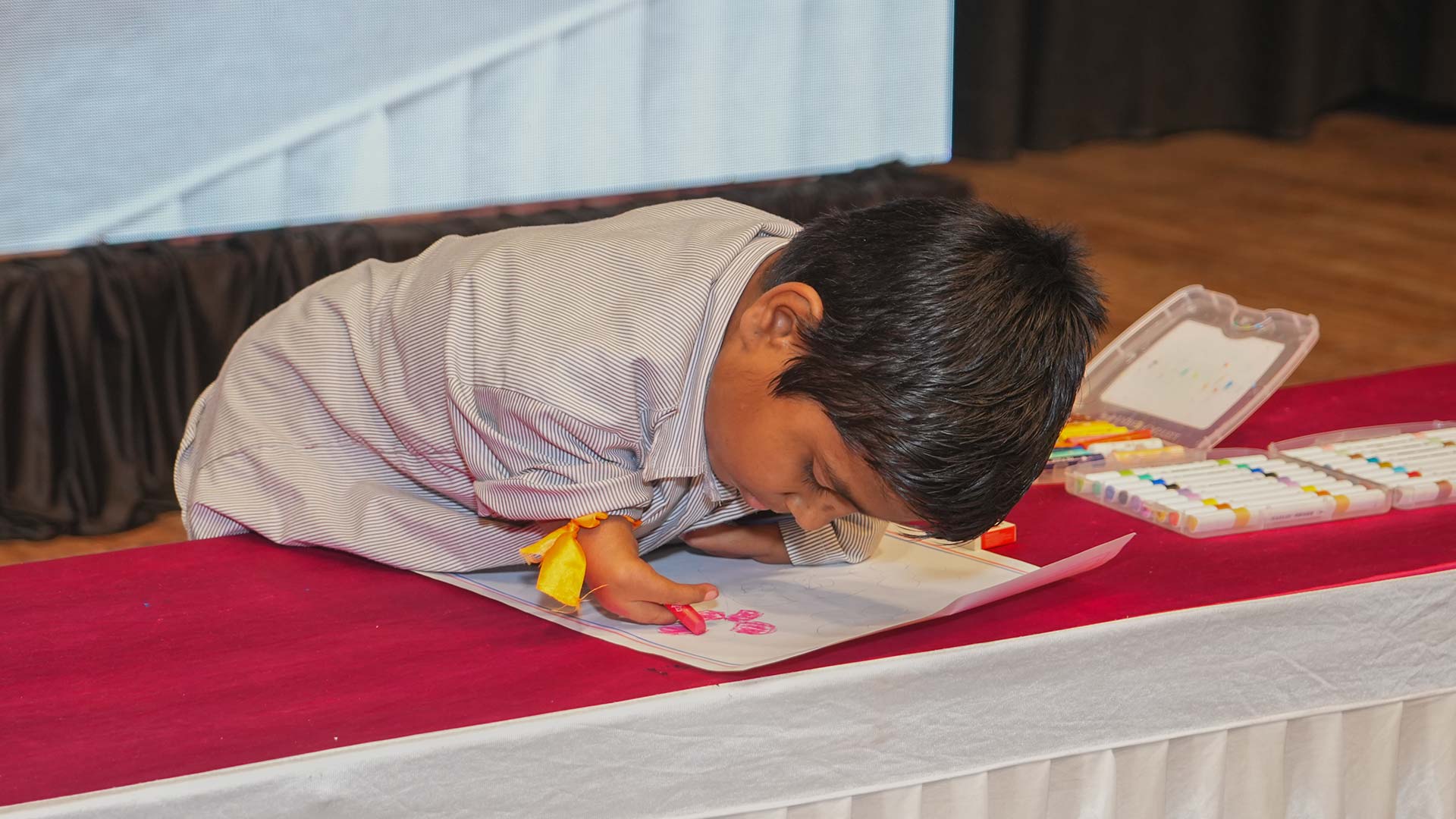
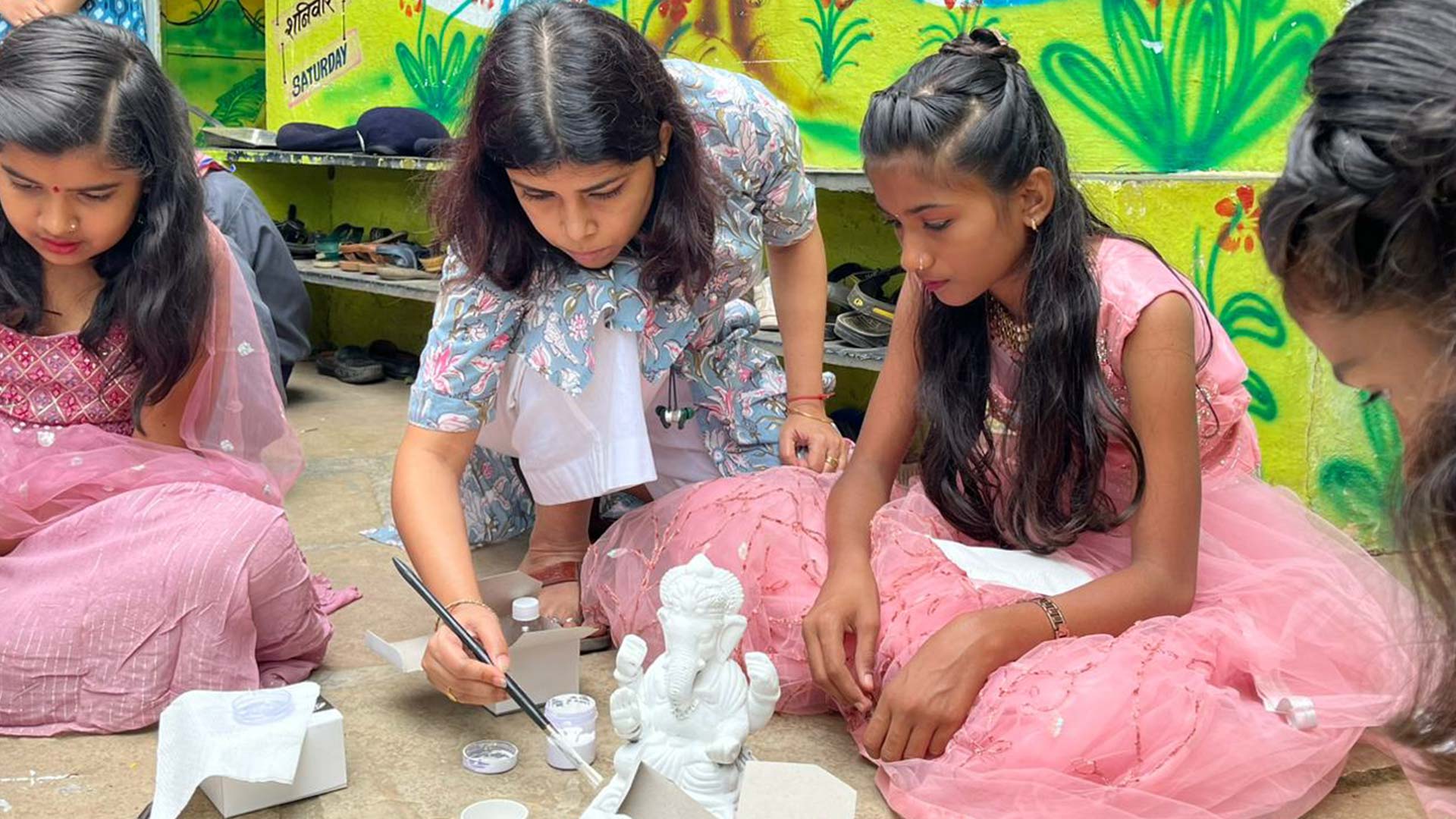
For Ganesh and all the students at the institution, school life had largely been restricted to the four walls of the classroom till Tata AutoComp Systems brought the joy of enrichment activities like dance, music and sports to them through the Holistic and Progressive Education (HoPE) programme.
While Ganesh gravitated towards archery, some took to dance, some to music, some to art and a range of other activities offered under the programme. Punaruthan Samarasata Gurukulam Ashram is one of 55 schools and 8 PWD schools across 4 states that have integrated Project HoPE into everyday learning, giving hundreds of children like Ganesh and his friends an opportunity to discover their talents and pursue aspirations beyond academics.
HoPE, as a model, was designed to integrate academics with co-scholastic activities, health and wellness, life skill education, art, dance and music. “A community needs assessment that we conducted in Zilla Parishad schools revealed a lack of exposure to co-scholastic and experiential learning opportunities among students up to Standard 7,” says Sudipta Marjit, CHRO, Tata AutoComp Systems. As a result, children had limited opportunities to develop cognitive, emotional and social skills. “It also meant many were unaware of performing arts and their potential as future career paths,” says Mr Marjit.
Developing the 4 Cs
The programme, launched in 2018, has been implemented in Pune, Chakan, Pimpri Chinchwad in Maharashtra; Jamshedpur in Jharkhand, Sanand in Gujarat and Lucknow in Uttar Pradesh and Chennai to enhance the development of children in the communities in which they operate. The aim is to nurture the four Cs in children — confidence, communication, coordination and concentration. Throw in another C — creativity — a natural byproduct of the activities.
To tailor the programmes for each geography, the programme has onboarded more than 25 fellows who have been trained by our best knowledge partners in Pune, selected based on domain expertise and understanding of the local ecosystem.
Before introducing a HoPE component in any school, the team undertakes a detailed needs assessment, with inputs gathered from communities, local authorities and implementation partners. Based on these findings, a baseline survey is conducted to identify the specific needs of the schools.
“Our experience has shown that hands-on, interactive methods consistently deliver the best results, with students in middle grades (6–8) showing the highest levels of engagement and responsiveness,” says Mr Marjit. The intervention has led to improvements across both learning and behavioural outcomes. “There’s also visible increase in confidence, with students actively participating and performing in dance and music events, alongside greater engagement in school activities,” says Mr Marjit.
The programme has also strengthened STEM-based learning, while promoting better health awareness and hygiene practices. “Every year, we organise an annual performing arts event called “Kaladarshan” an inclusive event involving all the HoPE schools, where students get a platform to showcase the skills they have developed through the programme,” says Mr Marjit.
Creating pathways for future employability
A well-defined monitoring system tracks and measures the impact of the programme. This includes oversight by the central CSR team and NGO partners working across locations, supported by company volunteers on the ground. Student participation, skill development across arts, sports and STEM, and behavioural indicators such as improved confidence and better hygiene practices are among the key metrics used to assess progress.
The team course-corrects based on feedback from teachers and parents. "We want to ensure that these activities are embedded within structured school schedules rather than treated as optional," says Mr Marjit.
The efforts are yielding the desired results. There is greater awareness of child development, increased participation in parent-teacher meetings, and a more positive attitude towards education, helping reduce the risk of children dropping out of school.
What began in a single school in 2018 has since expanded to 55 schools and orphanages, including PWD schools in Pune across six locations. Going forward, Tata AutoComp Systems plans to introduce a more grade-specific curriculum, structured modules for music and dance, and greater access to digital tools. It also aims to deepen its integration with skills development and employability pathways to better prepare students for future opportunities. Additionally, HoPE will strengthen partnerships with educational institutions and NGOs to enhance implementation and outreach. "Alongside this, there is a strong focus on improving impact measurement through more robust tools and leveraging digital platforms for better monitoring and scalability," says Mr Marjit.
- Anju Maskeri