November 2026 | 4571 words | 18-minute read


Imagine this. You are heading home from work, tired, half-scrolling on your phone. You are not shopping. You are not even thinking about it. Then you look up, and a hoarding — a Titan watch, photographed larger than life — catches the light and your eye. You have not seen the product. You have not stepped into a store. You have not even considered buying one. But something has already happened. It has built ‘irrational desire’ in you.
Building emotion is no longer an accidental by-product of good design. Across Tata companies — from Tata Motors vehicles to Air India cabins, from Titan Company watches to Trent apparel, from Tata Consumer Products (TCP) staples to Tata Consultancy Services (TCS) software — design has quietly evolved beyond aesthetics to address a far more interesting question of how things feel. In a market where products are increasingly indistinguishable and comparable in seconds on a phone, that emotional fingerprint has become the last real differentiator. It is the reason a shopper pauses, a passenger returns, a customer chooses one brand over another.
And the pull you felt looking at that hoarding was only the beginning — the opening note in a much longer emotional conversation played across the senses: sight, sound, smell, touch, taste.
Sight: Sparking desire
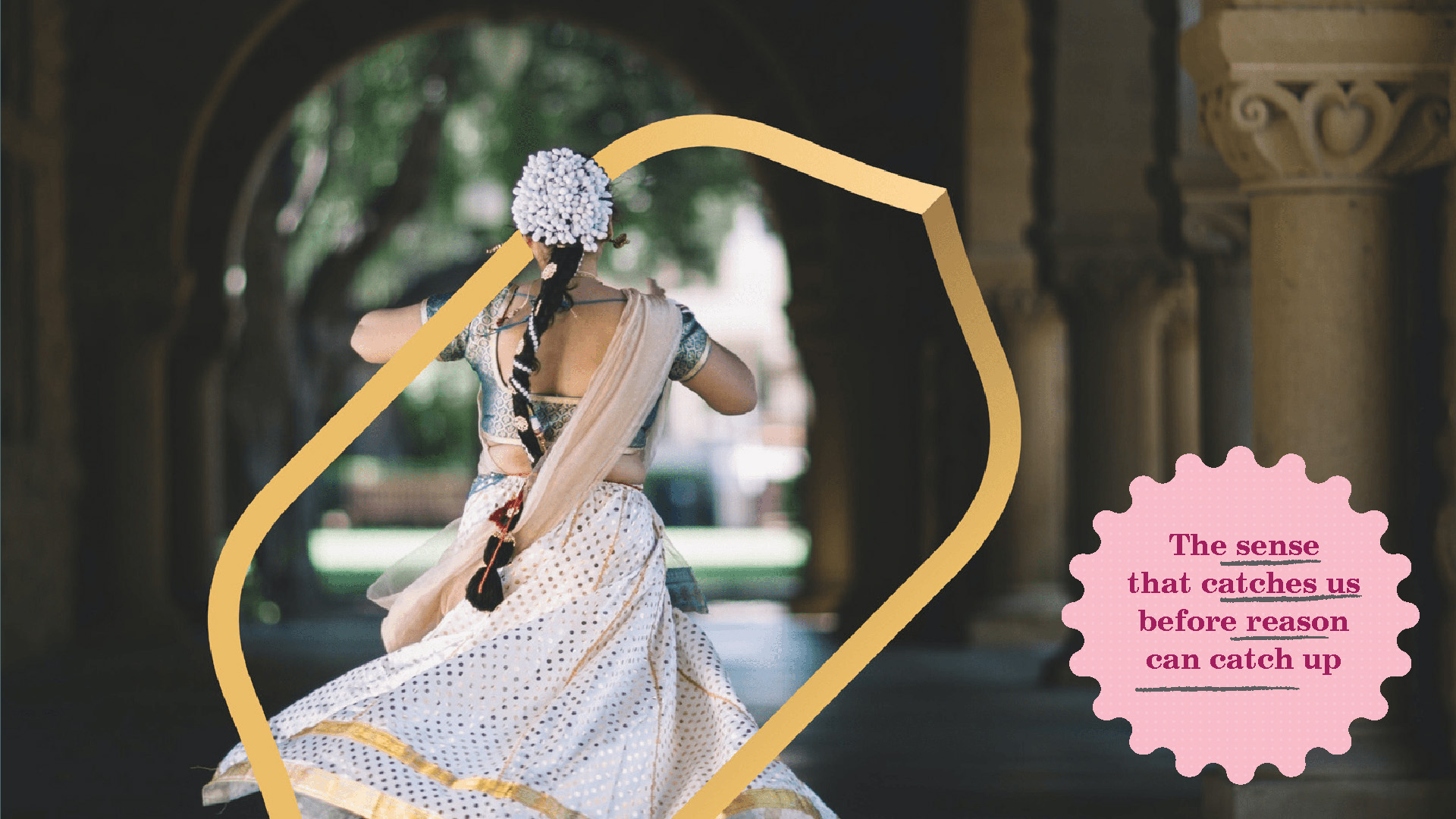
Let’s start with sight. It is where emotional journeys often begin — the sense that catches us before reason can catch up.
“Building irrational desire is the first biggest task of design,” says Revathi Kant, Chief Design and Creative Officer, Titan Company. “We are trying to make the customer feel, ‘Oh my God, I must have it now’.” Catching the customer’s eye, however, is only the first move. The irrational desire must be fulfilled by the product itself. Whether it’s through horological firsts like Titan Edge, the world’s slimmest watch, and India’s first flying tourbillon movement; or the celebrated karigari of Tanishq’s collections; or the warp and weft of Taneira’s handloom sarees.
Trent’s philosophy rests on desirability, enigma, and accessibility — all shaped by what the eye is allowed to see. “If you show too much, the freshness, the newness and the innovation become boring,” says Umashan Naidoo, Head, Customer and Beauty, Trent — a company that rarely advertises, and rarely leans on celebrities.
“Do you know what you want every time you go into a shop?” he asks. “Mostly we think we know, but we don’t. That’s the job of the retailer, to keep seducing you and making you reimagine.” With that in mind, whatever is on trend, goes to the front of the store. “Our intent,” he adds, “is to make you stop dead with the first proposition — see it, buy it, get the look right now.”
From there, the eye is led on a deliberate path — navigating left to right, women’s to men’s, with colour pops in corners so that the eye moves in a triangular flow. The final stretch loops back through the store, giving shoppers another chance to be tempted on the way out. And whatever the eye rests on is ruthlessly edited. “Often, we get very tempted to say, I’ve got 1,000 designs and lots of choice. No, that’s lots of confusion,” says Mr Naidoo. He would rather offer “10 iconic ideas” that truly work, making the shopper’s task easier.
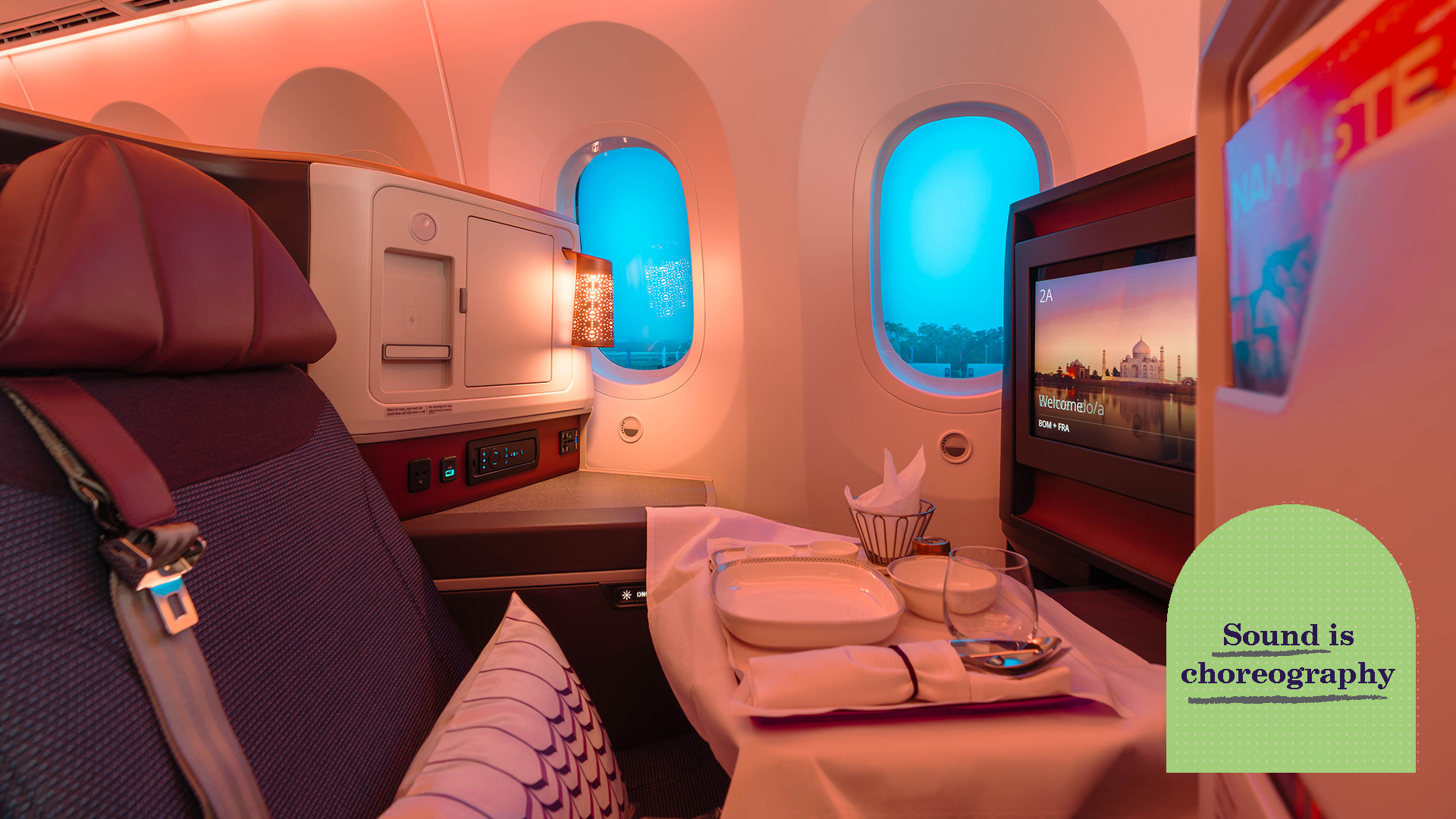
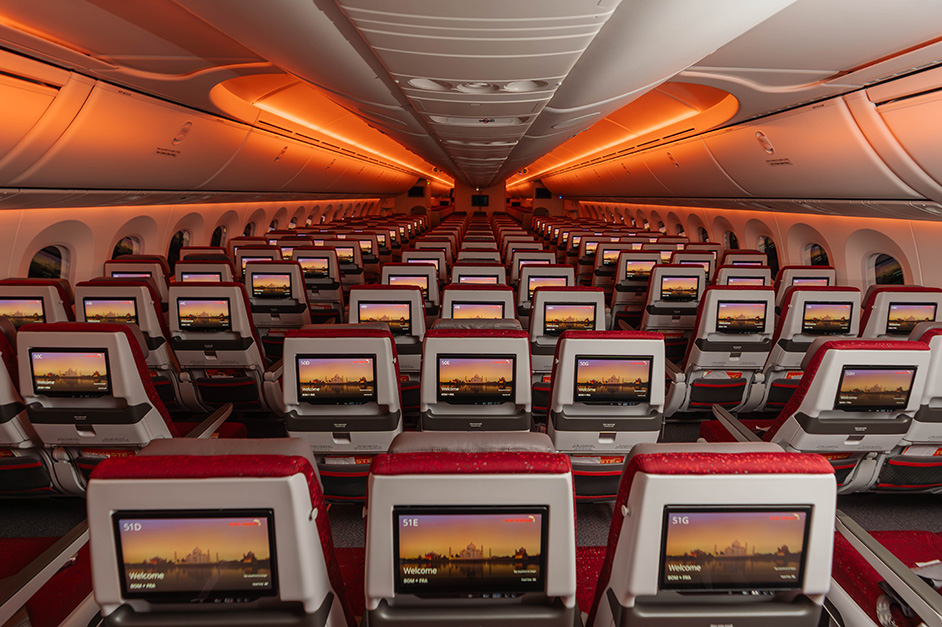
At Air India, the journey begins long before one enters the aircraft. “Every sensory encounter, from lounge to seat, is a designed moment,” says the company. “Sight is the first sense we address. Our colour palette of champagne, ivory, and deep red is a deliberate extension of our brand identity, chosen to communicate warmth, heritage, and quiet confidence. The ‘Vista’ motif runs through everything, from lounge walls and furniture to cabin upholstery, creating a visual thread from ground to sky.” It fosters a subtle but powerful sense of familiarity, connection and home.
For TCP, on the other hand, sight is a battle fought in the few seconds a shopper spends in front of a supermarket shelf. The aisle is a sensory overload of colours, offers, combos, and competing typography. TCP’s packaging, therefore, aims for visceral design.
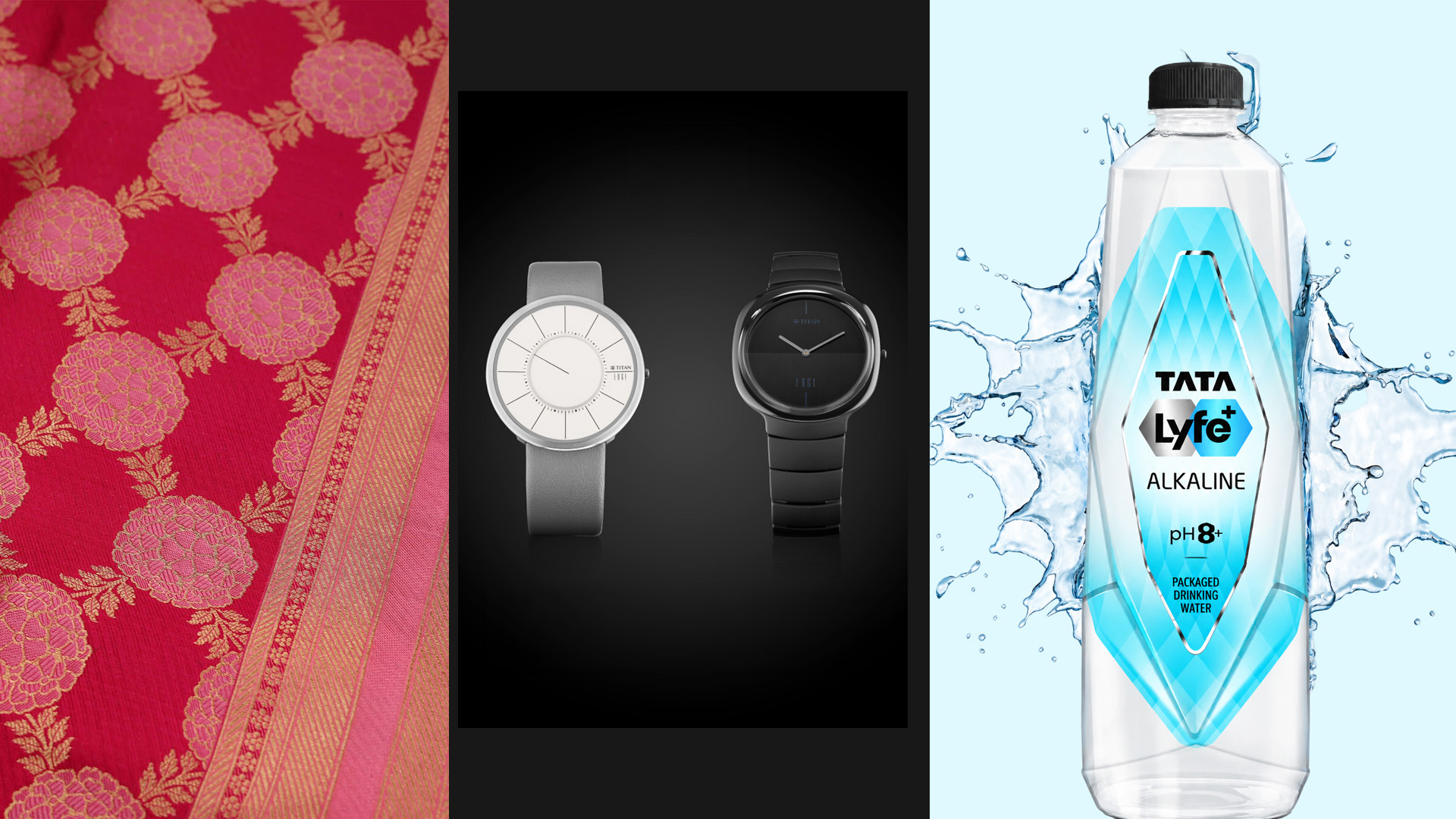
“Visceral design is evident in launches, like Himalayan Natural Mineral Water, where elegant design and artisanal cues instantly signal exclusivity and indulgence,” says Vikas Gupta, Global Head, R&D, TCP. “Wellness-led staples, like Tata Sampann, are designed to convey purity and nourishment, creating trust at first glance. The recyclable monopolymer packs of Tata Salt combine clean graphics with quiet sustainability cues. The Tata Lyfe+ Alkaline Water design exudes sophistication and purity for its premium positioning in the segment.” In consumer language, he adds, “we say packaging is the zero moment of truth for consumers.”
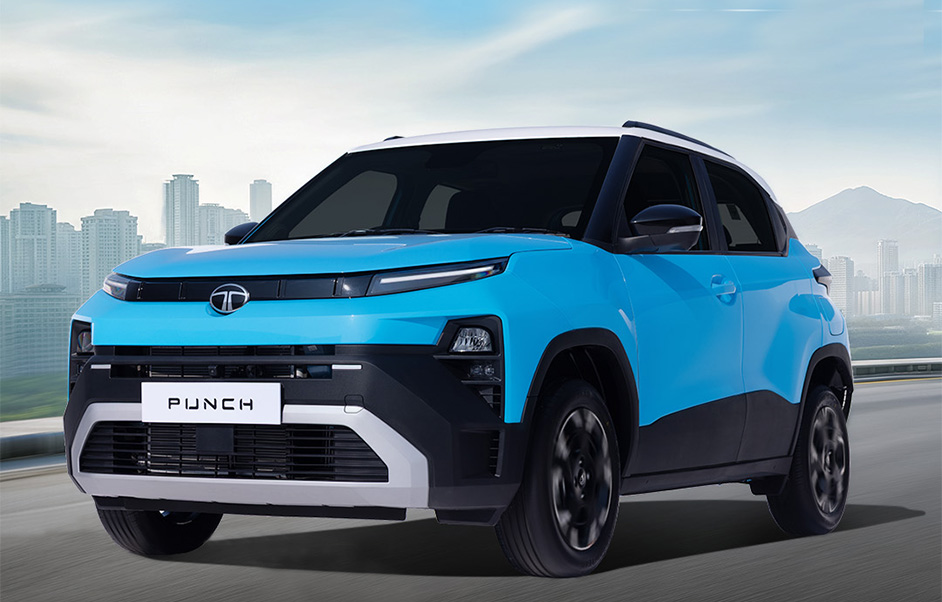
For Tata Motors Passenger Vehicles (TMPV), sight carries a heavier responsibility: it has to make you feel safe. “It has to look attractive, harmonious, balanced,” says Martin Uhlarik, Chief Design Officer, TMPV. “The customer should be able to look at a vehicle and almost immediately say — ‘this looks solid, this looks reliable, this is a safe place to be’.”
The Punch was the test: “Even if it’s a micro-SUV, how do you communicate safety?” The compact car had to look ‘planted’; it could not look like it could tip over. The private metaphor for the design team was a rhino: “almost unstoppable, even if it’s relatively compact”. They were designing for an instinct behind the SUV boom — the commanding seating position, a straight nose instead of a raked one, “which gives that subconscious feeling that there’s more of a crumple zone,” says Mr Uhlarik. Every proportion quietly telling the eye: you are protected here.
But as Mr Uhlarik points out, sight is only the first layer. “Consumers are increasingly seeking an emotional experience,” he says. “So, can we use the other senses to improve that experience?”
Sound: The invisible signature
At TMPV, the presence of sound is as important as its absence. For EV buyers, sound that is smoother, calmer, measured is a positive experience. For ICE enthusiasts, it is the soundtrack of clutch, gearshift and rev that is emotionally engaging. This understanding of sonic impact extends beyond the powertrain to even the UI/UX chimes in the cabin.
Across Tata companies, sound is being designed with similar precision — rarely noticed, always felt. That is precisely the point.
At Air India, sound is treated as architecture. “Sound shapes atmosphere more than most people realise,” the airline says. “From the curated ambient tone of the lounges to the calibration of in-flight entertainment audio, and cabin acoustics that lower ambient noise so the environment feels calm, we have thought carefully about the sonic environment across our touchpoints.” With this in mind, the airline created a sonic identity — a signature track featuring Grammy awardee Shankar Mahadevan, percussionist and composer Taufiq Qureshi, lyricist and writer Prasoon Joshi, and London’s Royal Philharmonic Orchestra — that has been rolled out across guest journeys.
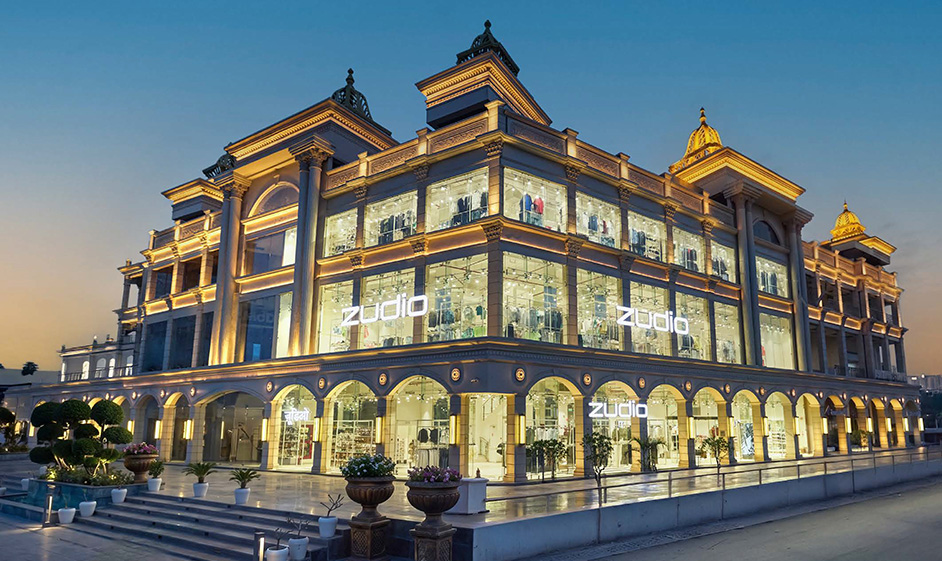
At Trent, sound is choreography. In-store music tempo is adjusted as per customer traffic. “When it’s busy, you want to get people in, people out. You want to get them moving. So, the music is a bit higher, a bit more fast-paced,” says Mr Naidoo. “When it’s quieter, you calm it down, so the shopper is actually absorbing and perhaps putting more in the basket.” The same store — Westside, Zudio, or any Trent brand — can sport different sonic personalities on the same day, calibrated to nudge customer behaviour without announcing itself.

At TCP, sound is a promise. The crisp, secure click of a Tata Copper+ bottle cap, is an auditory cue of safety and integrity, designed into the pioneering GME 30.28 Neck & Cap as deliberately as any label or logo. The crunchy bite of Tata Soulfull Ragi Bites and the fizzy sound of rising bubbles in Tetley Kombucha cue a superior product for consumers.
At Titan Company, sound is a personal moment between the product and the customer. “It could be the khun khun of jewellery or the tick tock of a watch,” says
Ms Kant, citing the appeal of the click of a winding crown in mechanical watches, which are making a comeback in our hyper-digital world.

Touch: The emotional fingerprint
That winding of the crown is where one sense quietly hands over to another. The movement stirring to life beneath the case — no longer just something heard, but something felt. And touch is where ‘irrational desire’ finally becomes commitment.
As Ms Kant puts it, “The minute you touch a product, irrational desire starts translating into the rational part of it. The interaction is when somebody really falls in love with what they have seen.”
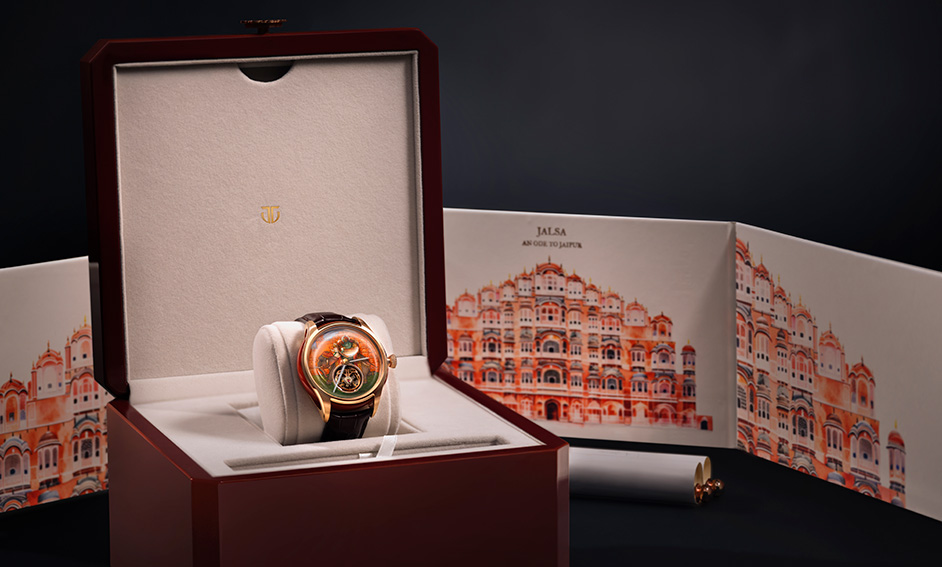
At Titan Company, tactility is inseparable from craftsmanship, which is in turn effective both in “loosening the purse strings and nurturing stickiness,” says Ms Kant. She cites the Nebula Jalsa watch with its miniature painting by Padma Shri Shakir Ali, an in-house flying Tourbillon movement and a ₹40L price tag: “Never before has a brand like Titan pushed the price band like this. We created it as a limited edition, and we had double the number of people wanting to buy it. That is the power of design.”
Nothing explains the power of tactile experiences better than the Trent customer who buys shirts by rubbing them against his cheek. Mr Naidoo tells the story with a smile: the customer never judges a shirt by how it looks on the shelf. He lifts it to his face, and if the fabric feels welcoming against his skin, it comes home. A shopping technique the customer’s son approves of by stealing his shirts. Behind the charm is a serious design lesson. At Trent, touch is engineered long before fingertips arrive — through fabrics chosen for how they take colour and feel. Nothing too stiff, too hard, too flat, or too textured. Because a garment is not truly desired until it has been touched, tried and, ideally, taken straight to checkout.
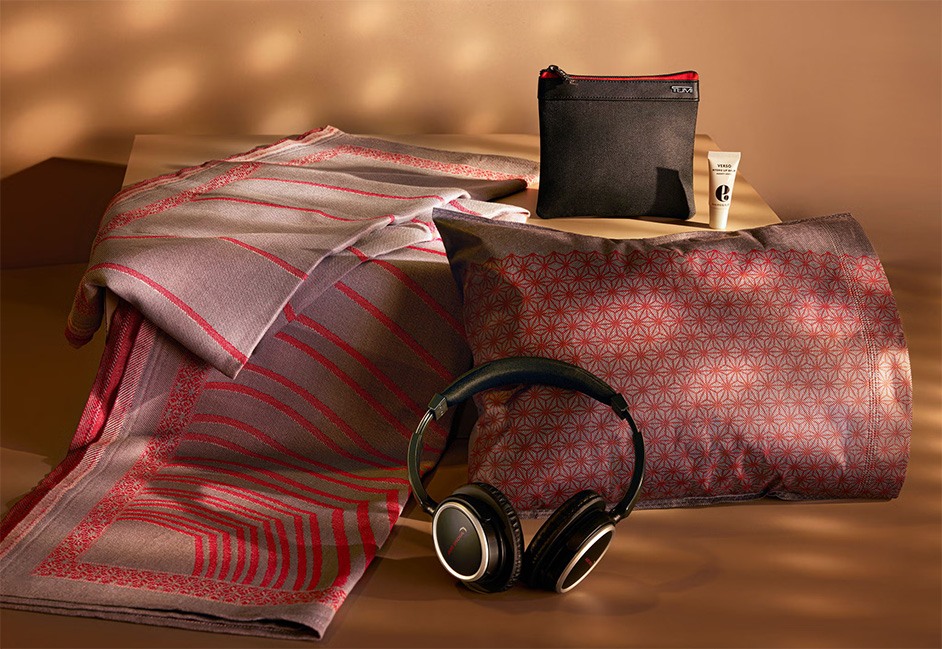
Touch is perhaps the most underestimated sense in aviation, according to Air India. “Air India has invested heavily in the tangible quality of the journey, including the texture and softness of a throw blanket in business class, the grain of materials on armrests and cabin surfaces, and the considered firmness of a business class seat that converts into a full flat bed. These are choices that communicate care; guests feel the quality before they consciously register it,” the airline says. It has also leveraged touch as a tangible marker of premiumisation “through a consistent commitment to soft-touch materials, refined finishes, and elevated tactile experiences” across cabin categories.
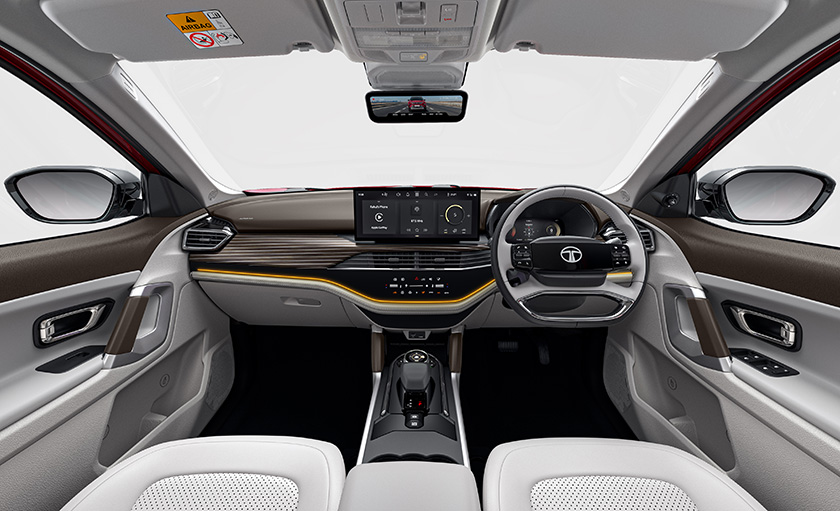
The importance of touch in vehicles, Mr Uhlarik emphasises, is universal: “It doesn’t matter whether it’s an SUV or a traditional car, whether it’s small, large, inexpensive, or a premium luxury product.” The scope, however, has seen a sea change, from shifting a gear or pushing a clutch — “a direct interaction with the mechanics of the vehicle” — to customers wanting “the vehicle to be an extension of their home life”. At TMPV, that shift has driven a migration from hard plastics and hard surfaces towards fully trimmed interiors — softer to the palm, warmer under the fingertips, and closer in feel to the domestic spaces customers now expect their cars to echo. The newly launched Tiago embodies this philosophy under the label ‘modern living’. “People want the creature comforts of home, extended into mobility,” says Mr Uhlarik.
Touch also carries the tactile grammar of safety in cars. In the Tata Punch, the thickness of the doors, the positioning of passengers vis-a-vis the windows, the grab handles, and the seat moulding are all an ergonomic study intended to communicate protection and confidence. Touch, in a Tata Motors cabin, is not decoration. It is reassurance you can feel before you can name it.
Smell and taste: The memory triggers
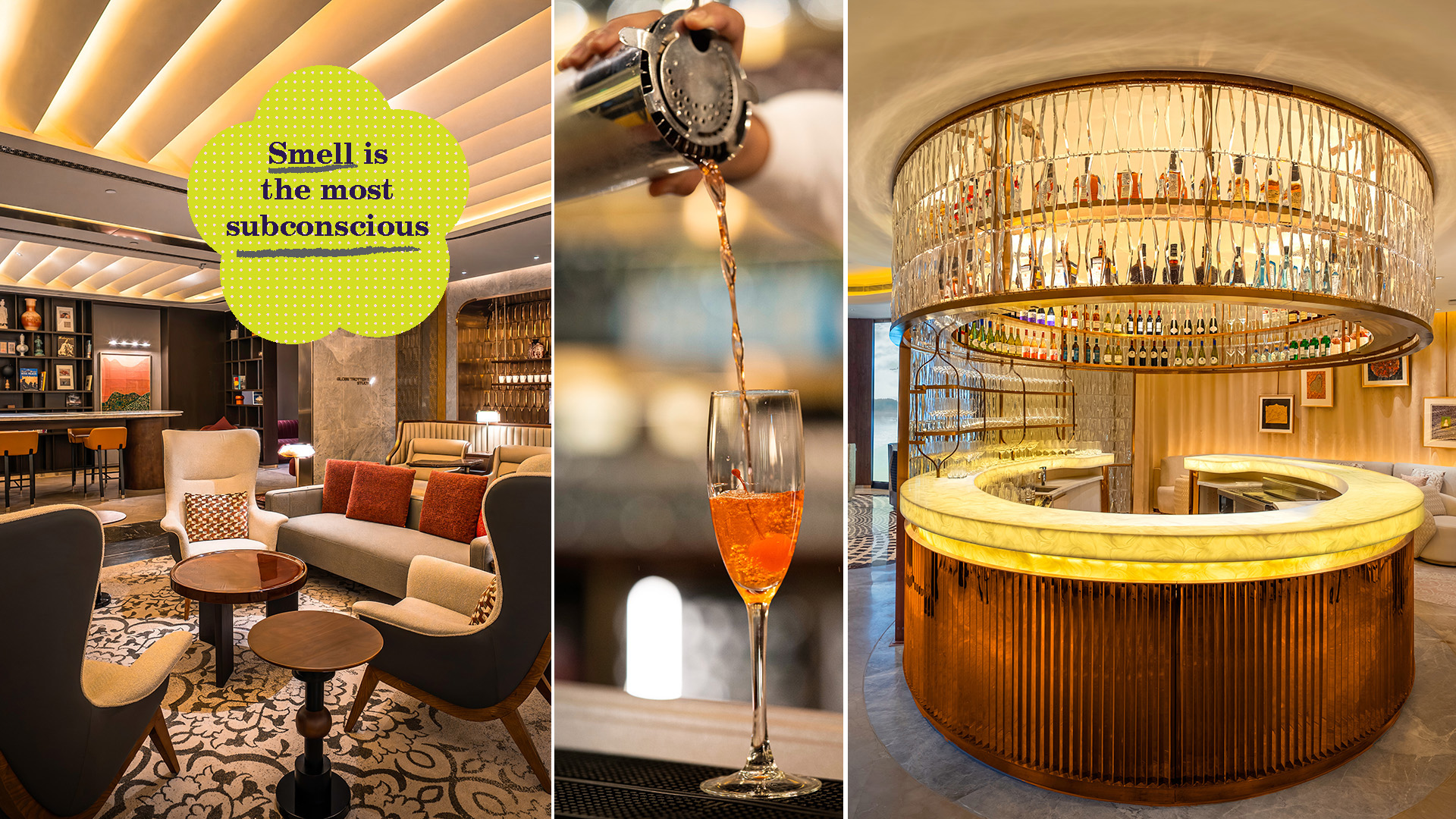
Of all the senses, smell is the most subconscious. It bypasses the part of our brain that relays information about sight, sound and touch, and goes straight to memory — which is why it can trigger emotions with startling force.
In an industry that once celebrated the ‘new-car smell’, TMPV is now approaching scent with the same intentionality it brings to other senses. It is studying how its vehicles smell across their life cycle — whether new, ageing or old — and deciding when to neutralise scents and when to design them. A programme is underway to introduce an aroma diffuser as part of an accessory line. Scent, in this vision, is the final layer that turns cars into an extension of its owner’s personality, mood, and memory.
At TCP, smell is arguably one of the most business-critical elements of the customer experience because it is part of the product promise. That first hit of coffee or tea as a pack is opened is not accidental — it is engineered. “We use high-barrier laminates in many SKUs under our Tata Coffee and Tata Tea portfolio, which lock in aroma until the moment of opening,” says Mr Gupta. “That first whiff evokes freshness and authenticity, reinforcing the promise of quality.”

But that whiff is only a promise that taste must keep. If sight or aroma attract a consumer, taste is what brings them back. TCP has built an R&D Centre of Excellence in Bengaluru — six labs under one roof — to deliver this. This includes a Sensory Lab that taste tests every product on parameters like flavour, texture, aroma, and spice level, and even an instrument that mimics the human bite, quantifying everything from bite force required to mouth feel. It is an entire facility built around a single conviction: consumers do not merely eat a product — they experience it.
For Air India, taste is a statement of national identity at 35,000ft. “Taste is central to how we express Indian hospitality at an altitude,” the airline says. “Our culinary design brings together regional Indian traditions and international palates.” The aim is to feel authentic to Indian travellers and memorable to global travellers.
The Aviator’s Bar at the Maharaja Lounge, with its curated collection of wines, spirits, and cocktails, extends that philosophy. “Creating a speakeasy-style bar in a transit lounge transformed what is otherwise a waiting experience into a destination experience,” the airline says. “Guests who might have arrived at the lounge 45 minutes before boarding are now arriving early. It is perhaps the clearest instance of emotional design moving consumers.”
The power of invisible design
Not all design announces itself. Some of the most consequential design decisions are the ones people never notice because they ease anxiety, reduce complexity, build confidence or simply make things work the way they should. At TCS, this idea has become a design philosophy: creating experiences where the ultimate measure of success is not what users notice, but what they no longer have to worry about.
Consider aviation. Passengers admire the cabin, the seat, the meal service or the lounge experience. Yet, some of the most important design decisions sit far beyond their field of sensory experience. “In aerospace, great design is often invisible,” says TCS. “Passengers rarely see the wing structure, avionics systems, flight-control software, or thousands of engineering decisions that make every flight possible. Yet, these are the very elements that shape the experience.”
The company — which supports 80+ aerospace and airline customers and has delivered 6.6 crore+ engineering hours across aerospace programmes — designs for confidence, ensuring that aircraft structures, systems, and avionics perform reliably under the most demanding conditions. It designs for awareness, enabling pilots and operators to access the right information at the right time. It designs for safety, because every engineering decision ultimately impacts human lives. And it designs for comfort, helping create quieter, lighter, more efficient, and more seamless travel experiences.

“The value of emotional design in aerospace is not measured solely through aesthetics. It is measured through the confidence that every journey, every mission, and every operation will perform exactly as intended,” the company says. “In many ways, trust is the ultimate premium experience in aviation.”
The principle is not confined to aviation. In mobility, TCS works with manufacturers to create experiences that leave drivers feeling safe, understood and in control. “In mobility, every interaction with a vehicle shapes how a person feels — whether it’s confidence, comfort, safety, or delight,” the company says. To achieve this, TCS designs across the senses: intuitive digital cockpits, seamless displays, and visual interfaces that reduce complexity and bring autonomy; voice interactions, alerts, and acoustic experiences that reassure rather than intrude; ergonomics, haptic feedback, and controls that make every physical interaction feel natural and effortless.
But beyond the traditional senses, the company designs for a deeper emotional outcome: trust. “Drivers and passengers should feel that the vehicle understands its environment, responds predictably, and keeps them safe,” it says.
The same philosophy shapes the digital infrastructure increasingly underpinning modern life. Every organisation investing in AI faces a degree of uncertainty: Will it scale? Will it perform reliably? Will it remain secure? TCS sees its role as removing that uncertainty. Through intuitive interfaces, real-time visibility and predictive insights, it translates complexity into confidence.
“When people think of an AI data centre, they often think of racks, cables, and servers,” the company says. “We see something very different. Organisations are investing billions in AI and they need assurance that their infrastructure can scale, perform, remain secure, and meet sustainability targets. Emotional design helps create that confidence through transparency, predictability, and resilience.”
TCS’ emotional design philosophy is one of its greatest strengths in transforming public services. “We are one of the Government of India’s most preferred partners for large-scale transformation programmes,” the company says. “In such programmes, design is not limited to screens, workflows or interfaces; it is about creating experiences that reassure citizens, simplify their journeys, reduce anxiety, and build confidence in public services.”
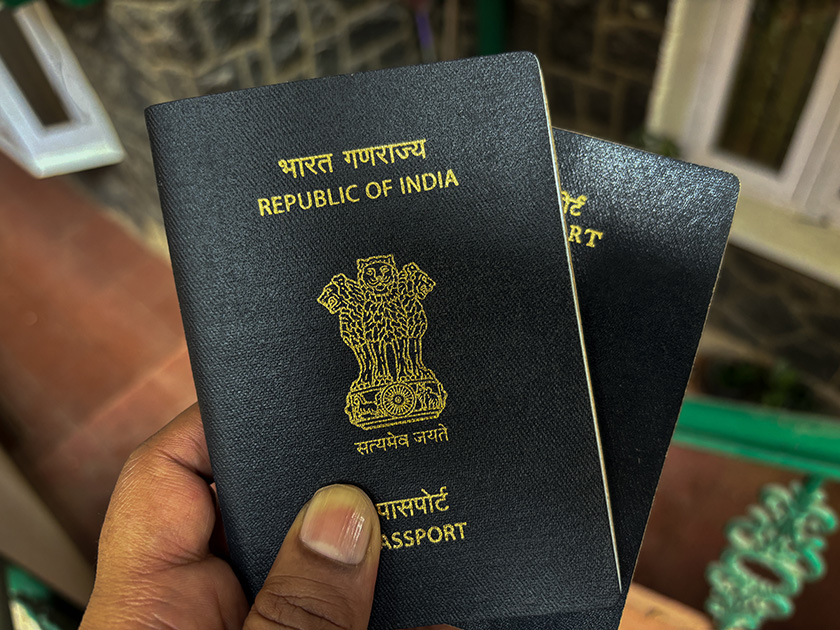
At its heart, this is design that shows up in everyday assurance, access and dignity. It begins with understanding citizens’ needs, constraints and expectations, and then translates those insights into simple journeys, accessible interfaces, dependable processes and measurable outcomes. Whether it is the promise of a quick and seamless process through the Passport Seva Programme. Whether it is providing assurance in the last mile by giving a villager in the remotest corner of India the confidence that an India Post Gramin Dak Sevak will deliver government aid on time, every time. Whether it is providing access to care through the Ayushman Bharat Pradhan Mantri Jan Arogya Yojana and enabling the family of a migrant labourer to receive world-class healthcare at a leading city hospital for a rare ailment. Whether it is assuring reliability to those who served by ensuring that ex-servicemen receive the right pension at the right time through SPARSH, with consistency and respect.
“That is the design that moves: design that is visible in simplicity, felt through reliability, experienced through inclusion, and remembered through trust,” the company says.
Designing the bottom line
The consensus is clear: emotional design is not soft accounting; it shows up on the balance sheet
“Creating emotional connection with customers is the X factor that will separate us from the competition. People will become much more engaged. So, it becomes an aspiration. As soon as you create that aspiration, people are invested in the product. And people will pay extra to be part of that experience. There’s a definite business case, and I do feel it’s our USP and our X factor that we need to work on.”
Martin Uhlarik, Chief Design Officer, TMPV
“Consumers today are better informed and more discerning than ever before. In this environment, emotional design is an important factor in making sure our products are relevant and deliver value. Emotional design plays an important role in delivering products that embed wellness, sustainability, premiumisation and convenience. By weaving these aspects into our innovation strategy, emotional design is now reshaping consumer experience and business success. Our innovation to sales ratio in FY26 was 4.5%, which indicates how our products have connected deeply with consumers, delivering value and helping build enduring brand equity.”
Vikas Gupta, Global Head, R&D, TCP
“Design, in general, is to solve aesthetically for a consumer. Science helps you learn about it and engineering helps you make it. In design, all three elements are important because you can’t have more of one and less of the other two, or more of the other two and less of the other one. The joy of being in this field, whether it’s tea or salt or spices or hotels or aeroplanes, is that there has to be an art and a science to everything we do. When we are either too scientific or too artistic, we lose the customer. When we find the balance, we know the customer comes back.”
Umashan Naidoo, Head, Customer and Beauty, Trent
“At Titan, we believe design is a value creator, not just a value enhancer. Design is for building differentiation, bringing in innovation, and certainly responsible for both top line and bottom line of the organisation because a new product is really the lifeline. Anything new you do, anything new you create, brings in so many new consumers, makes your repeat customers walk in and builds excitement for the brand. So, that becomes a key driver of business.”
Revathi Kant, Chief Design and Creative Officer, Titan Company
“Emotional design matters because rational design alone cannot create loyalty. Passengers can compare legroom inches and screen sizes and on-time performance statistics across carriers with a few taps. What’s challenging to compare is how it felt to sink into that Business Class seat with the privacy door closed, or to discover a bindi art masterpiece of the Golden Gate Bridge on the wall of a lounge they didn’t expect to be beautiful. Those moments create tremendous emotional weight. They build brand loyalty and pride. Emotional design directly influences willingness to pay. It also shapes and establishes the brand’s position in the competitive landscape in ways that are difficult to replicate quickly.”
Rajesh Dogra, Chief Customer Experience Officer, Air India

The sum of its senses
Return, for a moment, to that evening commute — tired, half-scrolling, arrested by a watch on a hoarding. What begins as a flicker of irrational desire travels through the senses. The eye is caught, the hand reaches, the ear registers the click, the skin decides. By the time a product is truly wanted and purchased, it has been argued for by every sense in turn.
“It may be a beautiful looking product, but if even one of your senses is not satisfied, then your mind starts thinking,” says Ms Kant. “Great design has to holistically appeal to a lot of senses for you to fall in love with a product.”
Mr Naidoo creates the bond at Trent with one core philosophy: to design is to solve. “So, what am I solving for the customer? What joy am I bringing for that person, for that moment?” he asks. “And the moment that Trent brands provide for a consumer is a celebration — a birthday, anniversary, graduation, first job, first baby, new home. If I have a desirable proposition that fits that moment, that’s a big tick for me. So, when we design, we consider not only the form and function, but that emotional connect the person is going to have.”
At TCP, emotion is built the way flavour is — in layers, each sense folded in to deepen the last. “We factor in multiple senses as a part of the overall brand experience,” says Mr Gupta. “Each sensory touchpoint is engineered to evoke a specific emotional response that strengthens consumer trust and loyalty.”
For Air India, emotional design carries the added responsibility of restoring a legacy: “Millions of Indians have a personal relationship with the airline; a memory of a first flight, a connection to home. Our design responsibility is to honour that emotional inheritance while making it feel contemporary and aspirational.” Across every touchpoint, it is designing for a sense of belonging. “We want every guest, whether a frequent flier or someone experiencing premium travel for the first time, to feel that they have arrived somewhere that was made for them.”
At TMPV, the ambition is to make the automobile a family member. “When I was growing up, my mother used to name all our cars,” recalls Mr Uhlarik. “We would then refer to it not by the brand, but by this family name. It was literally an extension of the family. That separates it from other products.”
Without an emotional relationship, the automobile, he warns, runs the risk of becoming white goods — simply a product to go from A to B. “One of the things we want to achieve,” he says, “is for people to get passionate, excited, invested in not only the products, but our company and our brand values. You can only do that through emotion.”
That ambition now runs through TMPV’s portfolio and perhaps finds its fullest expression in the Avinya. “That might be the one that really underlines this five senses experience,” he says, adding, “Ultimately, it doesn’t matter what the customer’s price bracket is. We want to bring that emotional quotient to all of our consumers — reassuring and consistent, almost like a consistent arm wrapped around you.”
Design that moves is really design that remembers we are still, stubbornly, creatures of the senses. Companies that grasp this are no longer merely selling products. They are selling the feeling of being understood — and that, it turns out, is the one thing no one ever compares on a phone.
— Monali Sarkar