October 2026 | 1647 words | 6-minute read


For over four decades, one company has been synonymous with India’s rising premium consumption story. It has stayed relevant and desirable to consumers at every stage of their life journey, powered by a razor-sharp focus on quality, consistency, superior design and craftsmanship. In the process, it has cracked a paradox that eludes most consumer businesses: how to make premium attainable without making it ordinary. This is the story of Titan Company.
That story rides a powerful tailwind. India’s household consumption has nearly doubled over the past decade — to Rs 212.8 lakh crore in 2024 — with the country on track to become the world’s third-largest consumer market by 2026, according to a UBS report. But the deeper shift is behavioural. “Rising incomes, greater global exposure, digital discovery, rapid urbanisation and a deepening appreciation for design and craftsmanship have made today’s consumer more informed, more discerning, and more willing to trade up,” says Ajoy Chawla, Managing Director, Titan Company. “We see this upgrade instinct in every segment and price band and this evolution has fundamentally shaped how we think.”
Mapping the growth
From mass-market access to luxury upgrades, Titan Company’s FY26 performance highlights how its multi-category ecosystem is scaling aspiration across India and beyond
- Rs 75,000cr+ revenue milestone achieved in FY26
- 3,603 stores, across formats, in 440+ towns
- 13,700 retail touchpoints beyond showrooms
Rungs on the ladder
“India’s consumption story is unique,” says Mr Chawla. “As more consumers enter organised retail, another large cohort is upgrading its aspirations and seeking better products, richer experiences and greater design differentiation.”
That diversity — of income, age, gender, geography, and aspiration — is mirrored in Titan Company’s brand architecture, where each category carries a portfolio of brands, and each brand its own language and personality. The organising principle is a consumer’s life journey. A young buyer may begin with Fastrack or Sonata, graduate to Titan or Helios, mark milestones with Edge, and discover luxury through Nebula. The core Titan brand is also steadily climbing the value curve within the Rs 5,000 to Rs 25,000 segment, introducing automatics and elevated collections such as Stellar, while premium materials and design cues are being democratised into Fastrack and Sonata.
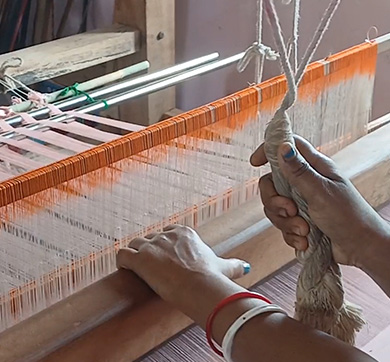
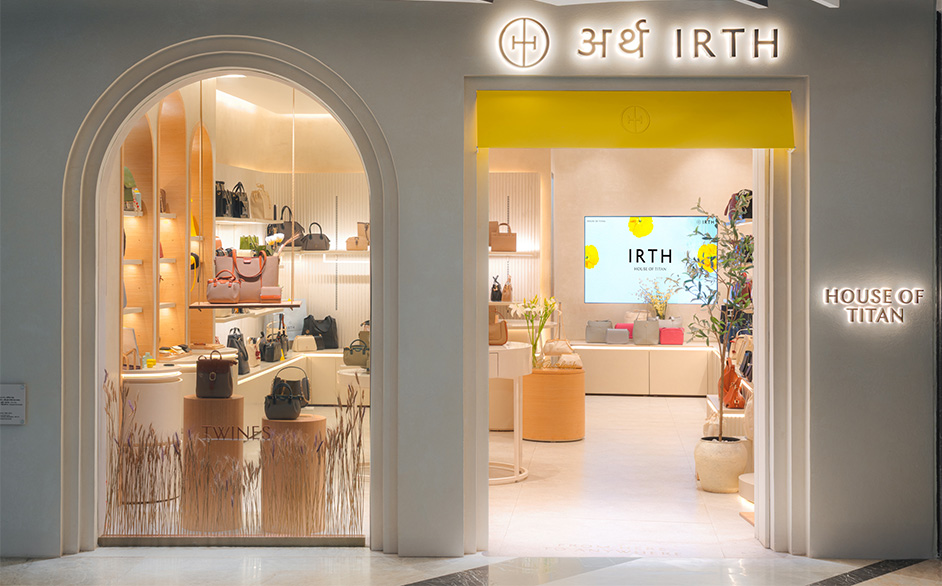
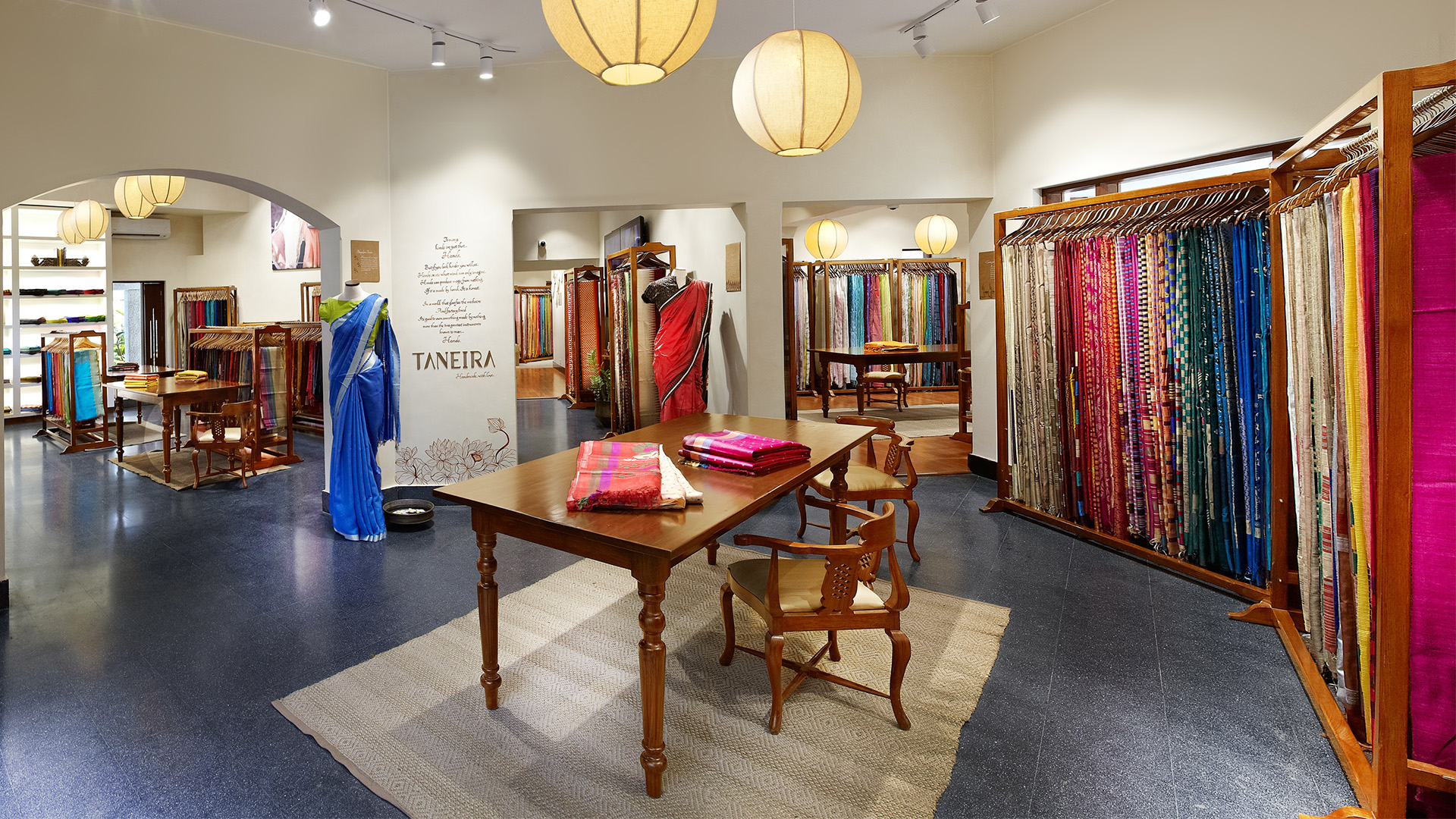
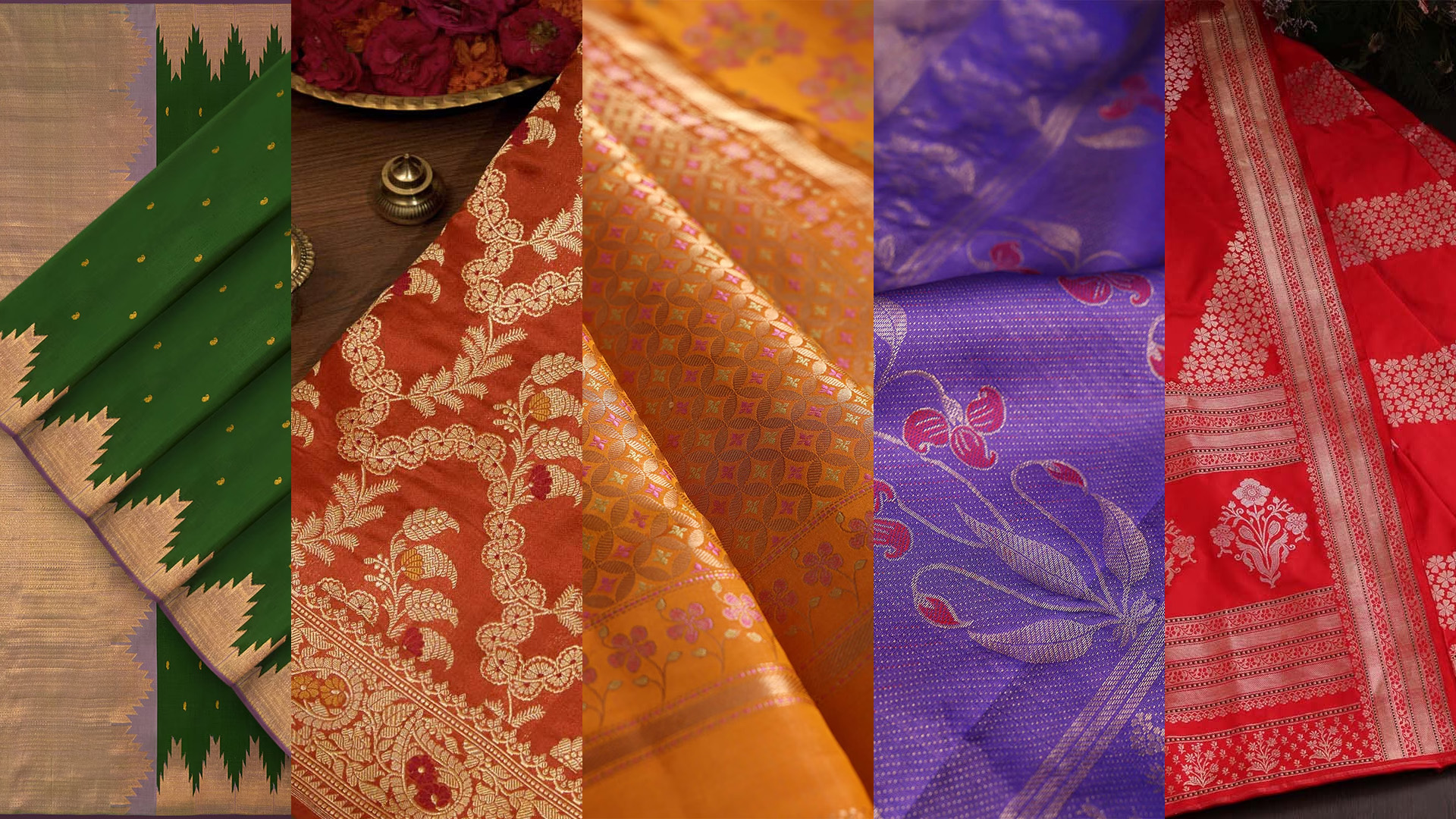
The jewellery ladder runs in parallel. Mia courts Gen Z; CaratLane, the millennial, with its Shaya line offering natural diamonds in 925 silver from Rs 5,000; Tanishq, the design-discerning festive and wedding shopper; and beYon, the fashion-forward individual seeking greater personalisation. Together, these brands democratise gold and diamond jewellery, with lighter, lower-carat and lab-grown pieces for first-time buyers. Alongside these, Zoya speaks to a growing, self-expressive HNI clientele; Raga, to women who love dress watches; and Rivaah by Tanishq to women celebrating regional bridal traditions. Meanwhile, Damas extends this accessible-premium proposition across the Gulf Cooperation Council (GCC), blending contemporary design with regional relevance. Adding to the portfolio are IRTH and Taneira, which extend the accessible premium positioning to handbags and handloom weaves in the sub-Rs 10,000 range.
Two-speed growth model
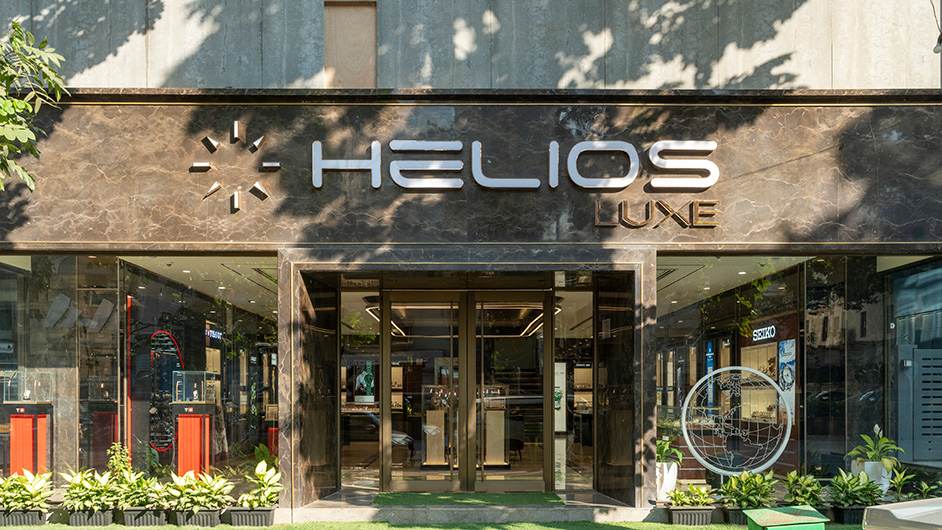
The ladder is visible in the numbers. In watches, Titan commands over 50% share of the sub-Rs 25,000 market — the entry rung — even as Helios Luxe, its premium multi-brand format, now clocks an average ticket size of ~Rs 1L. The category spans four luxury tiers: premium (Rs 25,000–1L), accessible (Rs 1L–5L), aspirational (Rs 5L–10L), and absolute (>Rs 10L).
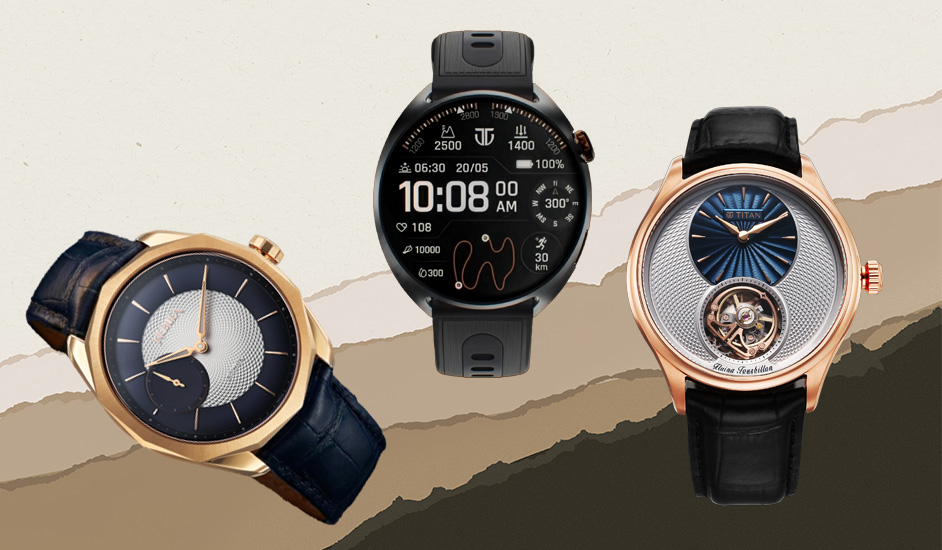
That upgrade instinct plays out across the Watches portfolio. Poze by Sonata and Vyb by Fastrack serve large, fast-growing segments with contemporary design and sharp value, while Raga, Edge, Stellar and Nebula answer to craftsmanship, innovation and exclusivity. In FY26, the above-Rs 25,000 segment more than doubled its contribution, helping the Watches division grow 14% to Rs 5,267cr, while the accessible luxury segment delivered a 30% CAGR.
4 Luxury Tiers
- Rs 25,000–1L: premium
- Rs 1L– 5L: accessible
- Rs 5L–10L: aspirational
- >Rs 10L: absolute
A similar playbook is visible in jewellery. A regionalised approach has driven share gains for Tanishq in traditional gold, while a design-led studded and colour-stone strategy is winning over cosmopolitan, occasion-wear buyers. The result: jewellery revenue grew 31% to Rs 61,148cr.
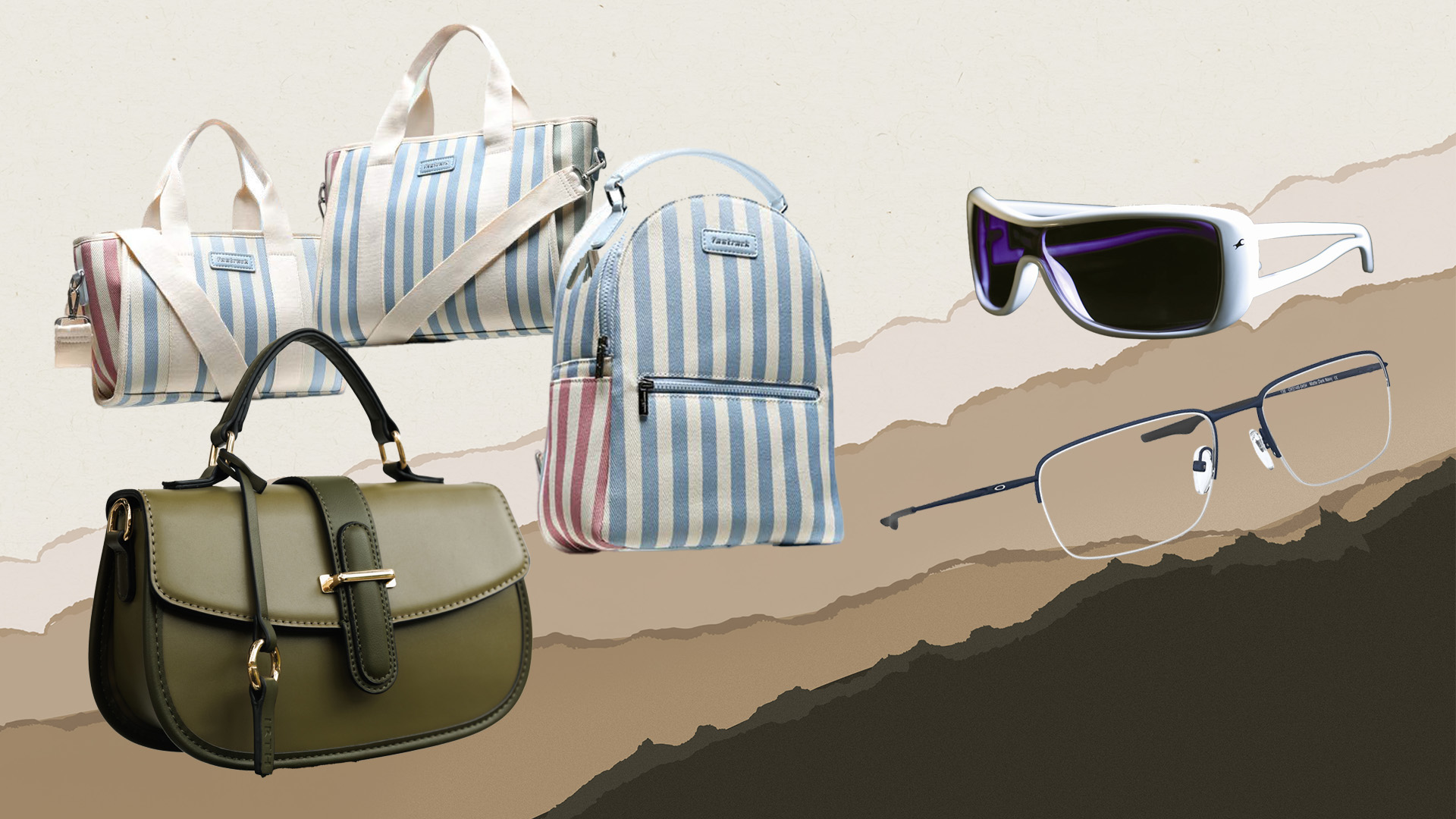
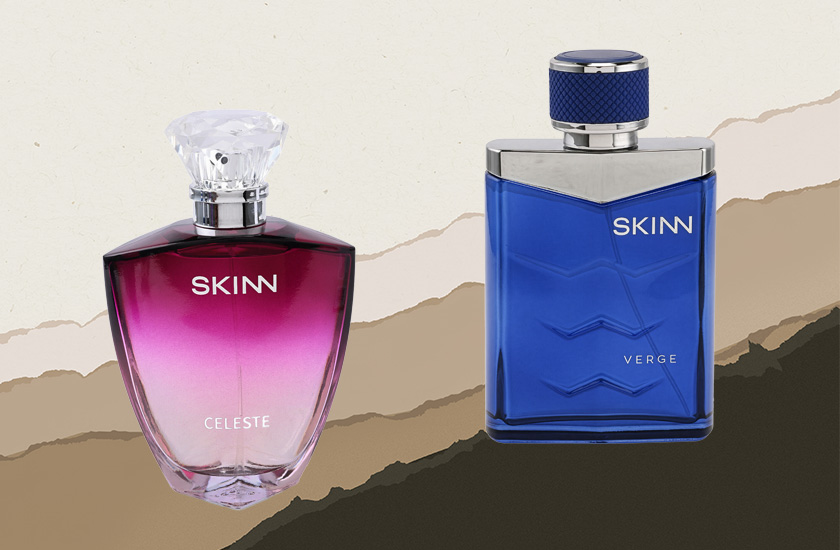
Recognising the buying power of a digital-first generation, Titan Company has launched fast-fashion brands across e-commerce and quick-commerce platforms. These include Vyb and Poze in watches, SKINN in fragrances, Fastrack in bags, fragrances and sunglasses, and recently, beYon in lab-grown diamond jewellery.
SKINN anchors one of the company’s fastest-growing categories, clocking over 60 lakh on-ground trials, growing its Rs 3,000-Rs 5,000 (per 100ml) premium range, and achieving a Net Promoter Score (NPS) of over 90 through its refreshed mall kiosks.
In accessories, IRTH styled 10 lakh women in FY26 — up 71% year-on-year in net value — with a post-launch NPS above 95 through 17 Yellow Doors, its exclusive brand outlets, and 140+ large-format stores.
Together, these businesses exemplify Titan Company’s dual-engine model: scale at the base and richness at the top. This has carried it past the Rs 75,000cr revenue milestone in FY26, with the last Rs 25,000cr added in a single year.
Designed to include
For Titan Company, design is not mere embellishment but a strategic capability — “the bridge that connects aspiration with accessibility, delivering functionality with form,” as Mr Chawla puts it. As globally exposed consumers prize originality, craftsmanship and freshness over price or function, that capability is reworked into trend-led collections, from CaratLane’s Utsav to SKINN’s Amalfi Riviera, Raga’s Paris, with Love, and Taneira’s Valley of Flowers.
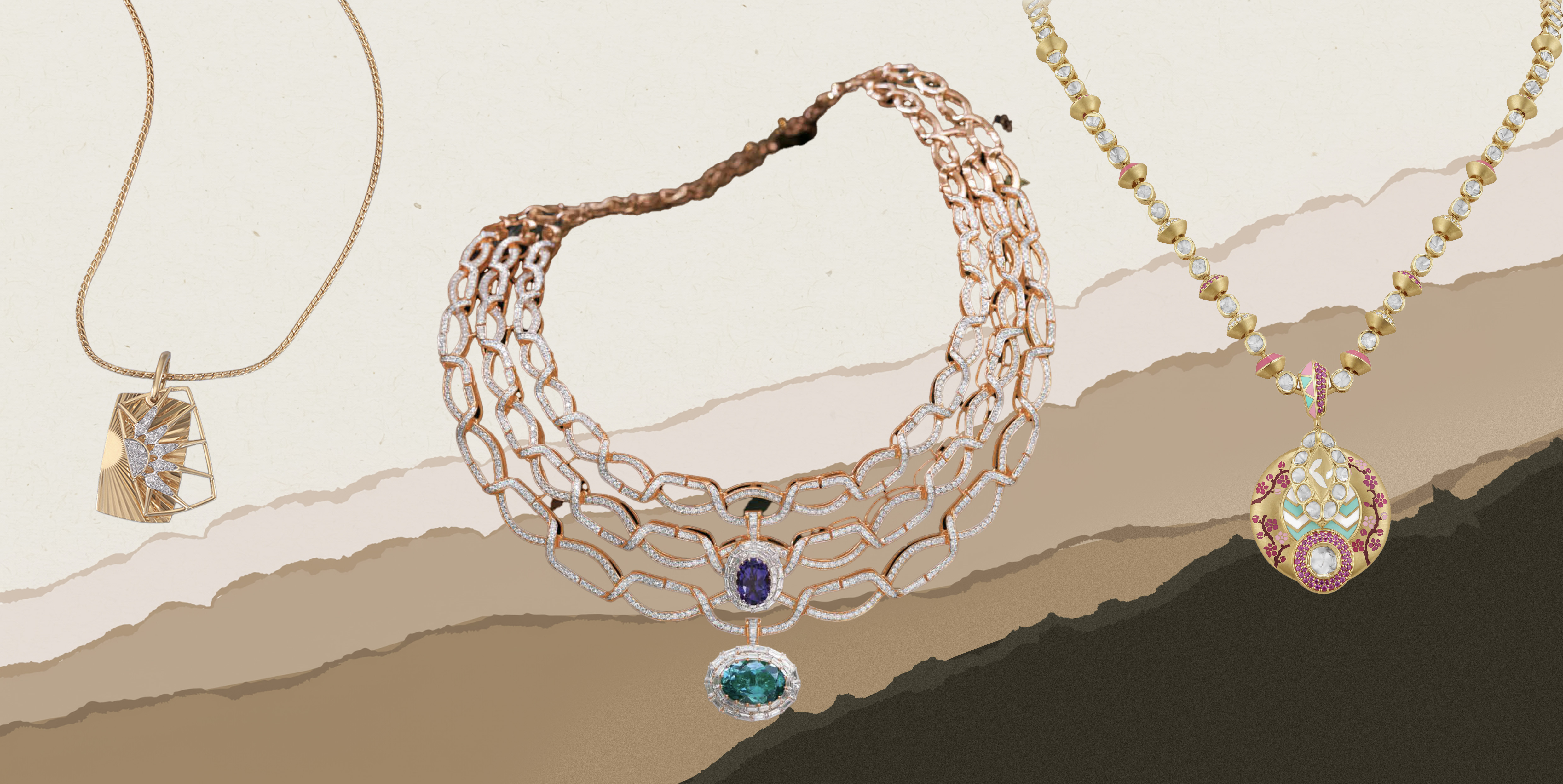
That discipline shows up most tellingly where design lowers the price of aspiration. Tanishq’s Wings in Motion uses 3D printing and lightweighting to achieve intricate forms at lower gold weight, while Mia’s Sunkissed collection became India’s first jewellery line to use photochromic enamel. At the other end, it pushes craftsmanship and innovation forward. Like the indigenous INH movement behind Titan’s Wandering Hours, India’s first such complication; Nebula’s Jalsa Majestic Tourbillon, whose in-house flying tourbillon and Hawa Mahal-inspired artistry mark a milestone in global haute horology; and PhotoFusion adaptive lenses, developed with Zeiss.
Where aspiration lives
For Titan Company, buying is engineered to feel premium at every price point — with trust as the crucial currency. “Consumers judge a brand not just by what they buy, but by how they discover, explore and engage with it post purchase,” says Mr Chawla. Equipped with technologies like the LightScope, Tanishq’s Diamond Expertise Centre lets customers examine a diamond’s brilliance, fire and scintillation, while its Gold Exchange Programme lets them witness their gold being melted.
The company’s distribution strategy mirrors its portfolio architecture: broad at the base, curated at the top. Entry brands use digital, quick-commerce and large-format retail for scale and discovery, while premium formats create immersive brand experiences. Through its blend of exclusive stores, large-format retail, multi-brand outlets, marketplaces, and quick commerce, the Company reaches consumers wherever they shop without blurring brand positioning.
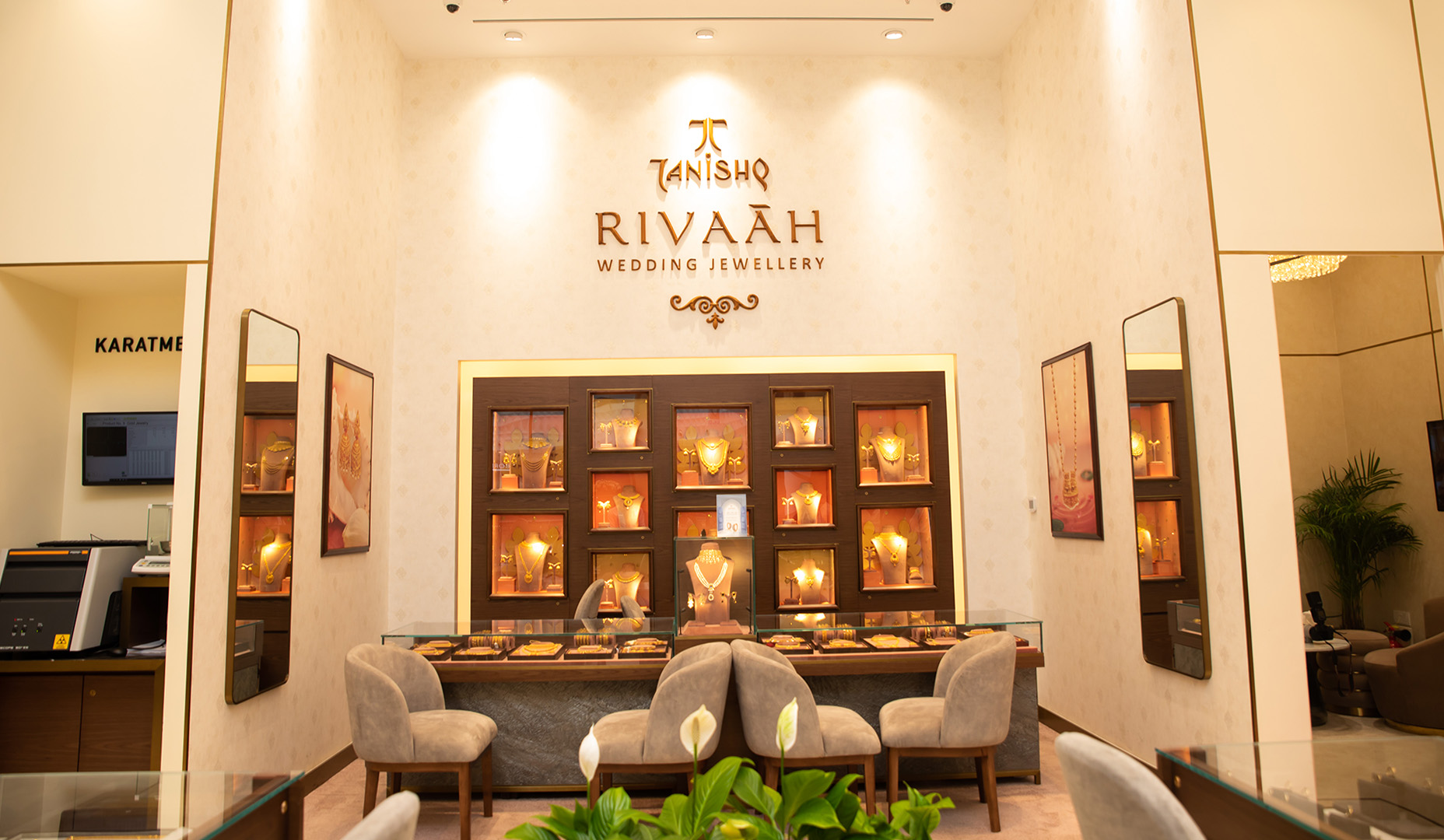
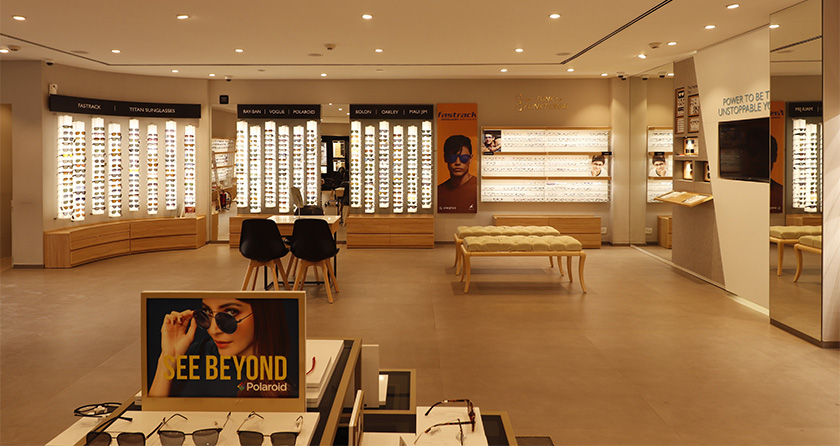
Formats such as Titan World 2.0 and Titan Eye+ 2.0 have grander facades, richer merchandising, and experiential zones, while the Rivaah Wedding Lounge creates a curated shopping experience. Advanced tools like digital phoropters from Titan Eye+ bring precision and efficiency to vision assessments. This has helped EyeCare revenue grow by 14% in FY26, while multi-pair buyers jumped from 11% to 35%.
Titan Company follows a deliberate ‘hi-tech, hi-touch’ approach: technology for convenience and customisation, with store teams acting as custodians of trust. This carries into an omnichannel ecosystem built for consumers who move fluidly between online discovery, research, and in-store purchase. Nearly 20% of FY26 revenue was omnichannel enabled, with omni sales up over 50% to ~Rs 15,000cr.
Beyond the metros
Titan Company’s accessibility strategy is as much geographic as it is economic. As of FY26, 75% of its 3,603 stores are located outside metros, including ~1,100 across Tier-2 to Tier-4 markets, giving it a deep presence across emerging centres. In jewellery, growth in these markets is driven by newer brands like CaratLane and Mia, which saw double-digit store growth in FY26, signalling strong appeal among young consumers. Aspiration is no longer concentrated in metros, and Titan Company’s widening footprint reflects that shift.
“As India’s aspirations broaden, our responsibility is to ensure that every consumer, wherever they live, feels the same confidence, care and quality they associate with our brands,” says Mr Chawla. “And those fundamentals remain identical whether a customer walks into a Mumbai flagship or a showroom in the small town of Gobichettipalayam.”
Going global
The company has taken its accessible luxury playbook beyond India, with Tanishq present across diaspora markets, Titan Watches building a foothold in the GCC, and Titan Eye+ operating in the UAE. The biggest step came earlier this year, when the company acquired a 67% stake in Damas Jewellery, one of the Middle East’s leading jewellery retailers. Operating across six GCC markets, Damas, with its multi-format network, gives Titan Company a strong platform to serve both the Indian diaspora and emerging global consumers.
Ahead of time
Titan Company’s ambition is to keep widening the aperture of premium through more brands, price bands, and geographies, without ever letting it feel ordinary. The next phase, says Mr Chawla, will focus on product superiority and continued investment in the foundations of differentiation: design, engineering, materials, technology and experience.
The wager, four decades in the making, is that the future of premium belongs not to those who guard it, but to those who make it feel within reach.
— Sharmistha Choudhury