



September 2026 | 2018 words | 8-minute read


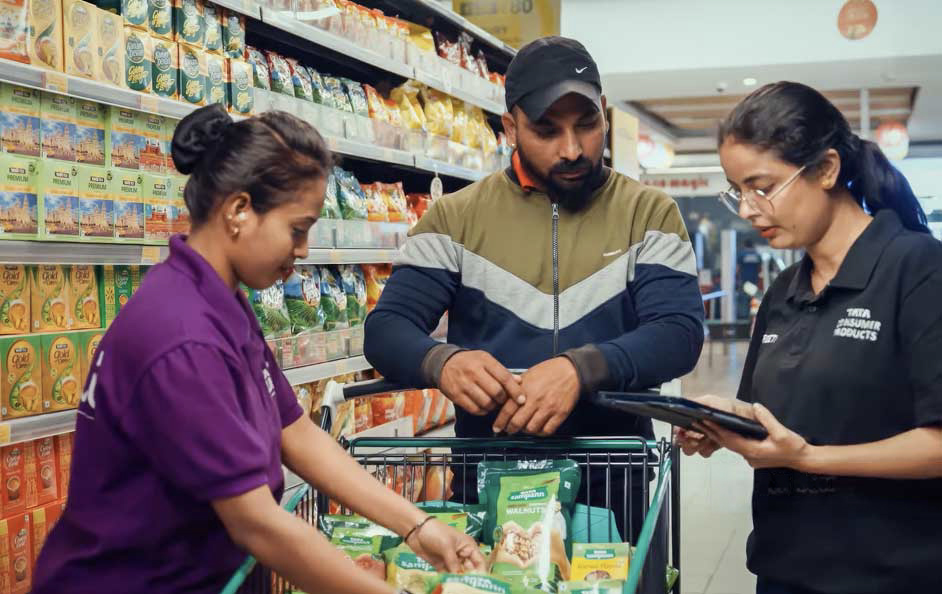
In Puducherry, a college student walks into Zudio to buy a look she spotted on Instagram. In Bhubaneswar, a young professional researches smartphones online before heading to a nearby Croma store for advice and financing options. In Bhagalpur, Bihar, a mum of two asks specifically for a Tata Sampann pack instead of loose, low-priced tur dal from a neighbourhood kirana.
And in towns that barely featured in premium retail conversations a decade ago — from Anantnag, Jaunpur, Solan, and Gonda in the north to Tiruvallur in the south — customers are walking into Tanishq, Titan World, Mia, and CaratLane stores with the same expectations as those in metros.
Different consumers, different purchases, one common theme: India’s next consumption boom is increasingly being shaped in Tier-2, 3, and 4 markets. Rising incomes, digital connectivity, and social media have made aspirations increasingly geography-agnostic. Much before demand in these markets fully matured, companies like TCP, Titan Company, Croma, and Trent began investing here — building stores, distribution networks, local engagement, and tailoring formats — to convert aspiration into consumption.
Aspirational, but accessible
The biggest misconception about India’s smaller cities, says P Venkatesalu, Chief Executive Officer and Managing Director, Trent, is that consumers there aspire differently. “The next India is definitely not lagging behind metro India in terms of aspiration,” he says. “What matters is making that aspiration accessible.”
For Trent, that means bringing Zudio’s fashion proposition to Tier-2 and 3 markets, without compromise. Nearly 70% of its stores are in these markets, which accounts for ~63% of business, and growth is at 25%, outpacing metros.
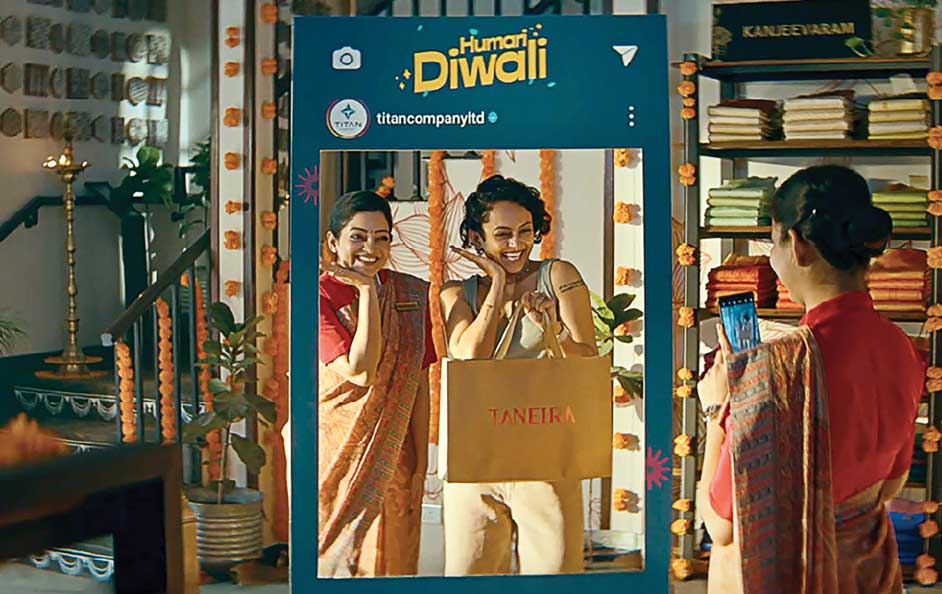
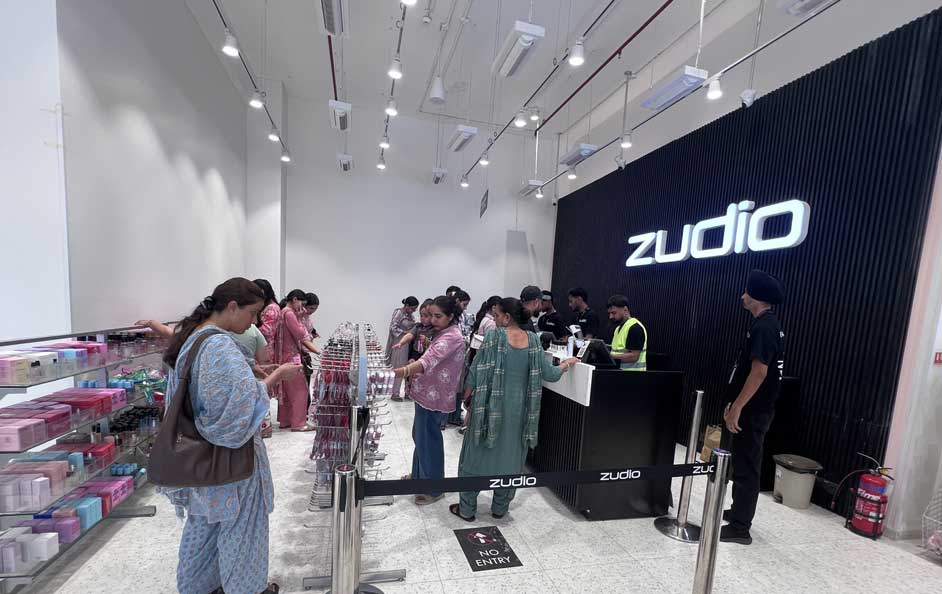
Accessibility is about more than opening stores closer to consumers. “A store should never feel intimidating,” says Mr Venkatesalu. The aim is for “customers to walk in feeling that this is my store and my brand,” he says. Zudio does this through its modern store environments, contemporary fashion, affordable pricing, and offering the same brand experience found in metros.
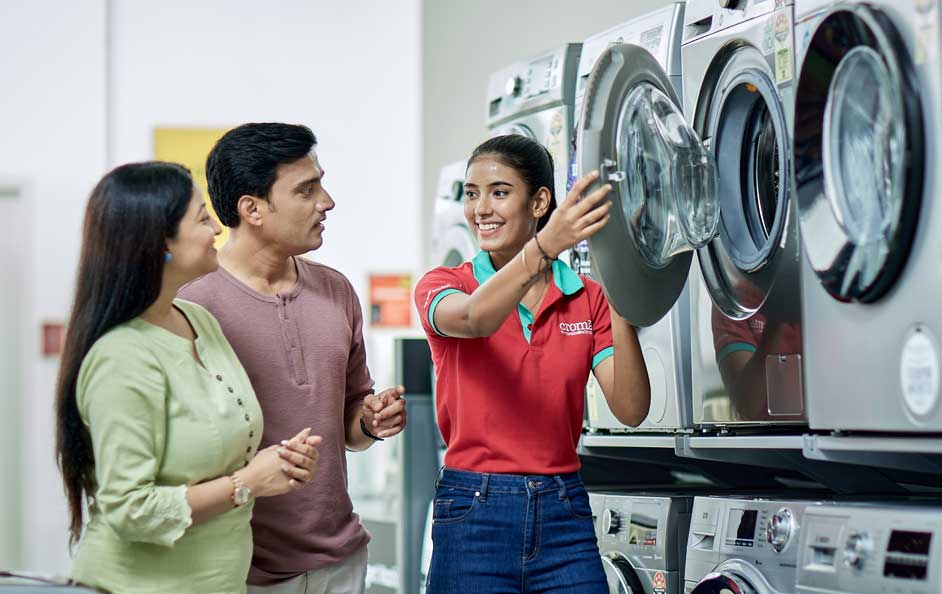
Croma is pursuing a similar strategy, pairing consumer electronics with bespoke financial solutions that cater to local income patterns and creditworthiness, making high-value products more attainable. “Consumers are willing to invest in products that enhance their lifestyle, productivity, and entertainment experiences,” says Shibashish Roy, Chief Executive Officer and Managing Director, Infiniti Retail (Croma). “Flexible financing solutions play a key role in making technology more accessible.” Financing adoption in Tier-2 and 3 markets now rivals, and in some cases is higher than, that of larger cities.
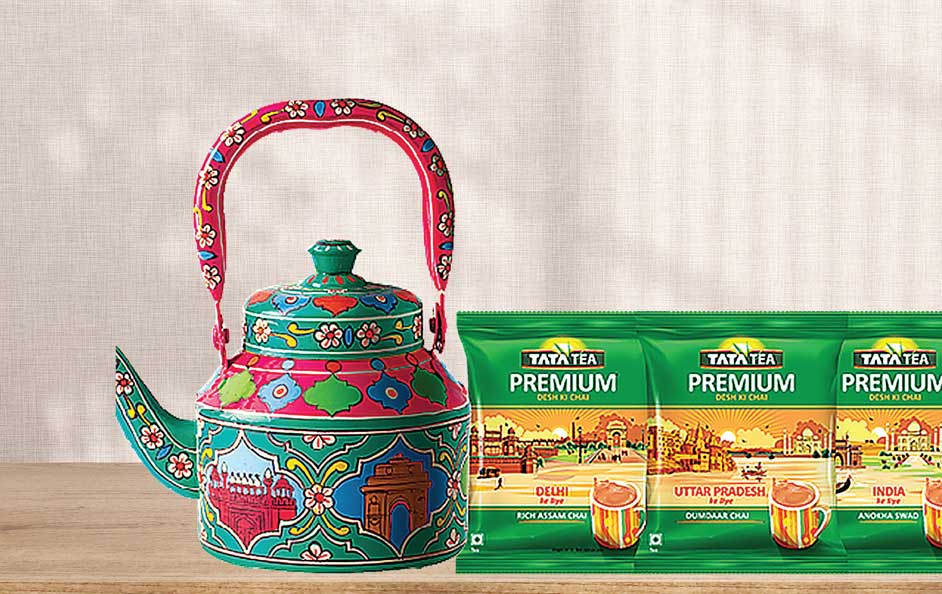
For TCP, accessibility begins with the pack itself. “We have ensured that wherever we have our premium products, like say Tata Tea Gold, we enter through smaller packs, whether it’s a ₹10 pack in the rural market, or a 100g trial pack in a Tier-2 or 3 market,” says Punit Gupta, President and Head - India Sales, TCP. “We sell these in rural, sub-rural markets where consumers want the opportunity to try a product and then upgrade them to larger packs.”
Titan Company, meanwhile, is bringing trusted premium products closer to shoppers through 3,600+ stores across a network spanning 500+ non-metro towns. Newer growth brands such as Mia and CaratLane are driving double digit store expansion in these markets.
The strategy isn’t to offer less aspirational products; it is removing barriers that prevent consumers from acting on their aspirations.
Flexible formats, wider reach
Tata companies also recognise that no two markets are alike; shopping habits, spending power, and population density vary widely.
“Croma leverages geo-spatial intelligence that analyses demographics, points of interest, and income levels to assess whether a market has the consumer density and readiness to support a viable store,” says Mr Roy. “Full-format stores are reserved for catchments where consumer density and income profile justify the investment, while compact and omnichannel-led models serve developing or smaller markets where a lighter footprint is more appropriate.”
Trent relies on extensive market modelling before progressively deepening physical presence in promising catchments. “We have a sophisticated multi-factor regression model, which looks at everything from income profile and demographics to the presence of relevant lifestyle brands, quick service restaurant brands, and two-wheeler population,” says Mr Venkatesalu.
TCP adapts its route-to-market strategy, using larger retail outlets in smaller cities as launch pads for new products before extending reach through wholesalers, sub-distributors, and neighbourhood stores.
Titan Company’s expansion is “driven by a combination of data, local market intelligence and long-term conviction,” says Ajoy Chawla, Managing Director, Titan Company. “The starting point is a robust assessment of macro indicators such as population growth, rising incomes, urbanisation, infrastructure development, and the formalisation of the local economy. We complement this with insights from our omnichannel ecosystem.” The company often tests demand through pop-ups, exhibitions, and customer engagement before establishing a permanent presence.
Each store also serves as an intelligence hub. “It provides valuable insights into the catchment, customer demographics and consumption patterns,” says Mr Chawla, helping the company decide when and how to introduce another brand in that market.
The approach reflects a deeper understanding of consumers: growth does not come from simply opening more stores, but from meeting customers where they are and adapting to the realities of each market.
Trent: Fashion forward
- ~63% of FY26 revenue (₹19,701cr) came from non-metros
- ~900 of 1,286 total stores (~70%) are in Tier-2 to 4 markets
- ~25% growth in non-metros
- ~18,000 direct jobs created in Tier-2 and Tier-3 markets
Croma: Plugged in
- ~40% of its 540+ stores in Tier-2 and Tier-3 markets
- 2X revenue growth from these markets in 5 years
- 40 to 50 jobs created per store
*All data as of FY26
National brands with a local voice
While aspirations may be similar across India, identity remains unmistakably local. The task is not to reinvent for every market, but to reflect local culture in the brand.
For TCP, that involves adapting products, communication, and sampling to regional needs. “Taste and preferences in food and beverage will change every 200km,” says Mr Gupta. “There are markets where dust tea is very strong, and others where consumers drink leaf tea. All our capacity planning and distribution is customised to these learnings.”
The company doesn’t rely on one national campaign; rather, it increasingly combines regional communication, road shows, and market-specific activation. A Ching’s Secret Schezwan Chutney may be introduced with samosas in Delhi but paired with idlis and dosas in Tamil Nadu.
Croma’s localisation strategy also operates through culture. During Durga Puja, the company transformed Kolkata’s iconic Howrah Bridge with an Alpona-inspired installation celebrating Bengal’s artistic traditions. “We leverage local language communication, festive campaigns, and community-led activations to engage consumers in ways that feel authentic and relevant to each market,” says Mr Roy. “While technology needs may be universal, the way customers connect with brands is often deeply local.”
Similarly, Titan Company’s “regional teams curate community-led engagements around local festivals, traditions, and cultural occasions,” says Mr Chawla. “These initiatives help our brands become part of the communities they serve rather than simply participating during purchase occasions.” This is also reflected in market- specific curation, from regionally relevant styles to stores inspired by local architecture and heritage. “Sonata, for example, strengthened its connect in the south through Chennai Super Kings special edition watches, while Taneira celebrated regional weaving traditions through collections such as Laal Paar for Durga Puja,” explains Mr Chawla. Titan’s Forever Kolkata collection, similarly, brought alive the magic of the City of Joy, with timepieces like the 3D-printed Victoria Memorial to the finely detailed Howrah Bridge embossed on a multi-layered dial.
These efforts reveal that consumers beyond metros are not looking for ‘small-town’ brands, but trusted national brands that recognise their language, culture, and way of life.
Accessing opportunities
Tata companies’ expansion into smaller towns has also enabled a different kind of access: to livelihood opportunities in one’s own backyard.
In 2013, Gurappa Komaroju moved 450km from his hometown in Andhra Pradesh, to work at Westside in Chennai, because opportunities in modern retail were scarce back home. Today, Trent’s expansion into Guntur enabled him to return to his home state as a deputy store manager. “Beyond the financial growth, it is the respect and recognition — in my community and at work — that makes the difference,” he says.
A similar story has unfolded for Suhag Pandya in Bhavnagar, Gujarat. Joining the Croma store in his hometown allowed him to build a long-term career in retail without relocating to a larger city. Today, he is a store manager and says, “The greatest satisfaction comes from watching customers who were once hesitant about organised electronics retail return with confidence, and seeing young colleagues realise that ambitious careers need not begin with migration.”
The impact extends beyond employment to local entrepreneurship. In Bhagalpur, Bihar, MJ Traders has grown alongside its 20-year association with TCP. As TCP’s portfolio expanded, so did the distributor’s monthly turnover, from ~ ₹5L to ~ ₹50-60L today, serving retailers across urban and rural Bihar. “You are not just distributing products,” says Rohit Jain, who helps run the family business. “You are helping communities access essentials.”
Distribution as a competitive advantage
Beyond metros, the greatest challenge isn’t persuading customers to try a product — it is consistent access and service.
That is why TCP has built one of the country’s deepest distribution networks. It has expanded its direct reach to ~20 lakh outlets, with an overall presence across ~45 lakh outlets, extending into markets with less than 20,000 people. TCP supplements large distributors with a network of wholesalers, sub-distributors and neighbourhood retailers to reach even the smallest markets. “Only after availability comes awareness, premiumisation, and category expansion,” says Mr Gupta.
For Croma, “Trust is built not just through the products we sell, but through the assurance that customers can rely on us throughout their technology journey,” says Mr Roy. “We ensure that the brands we work with have a service network in the markets we operate, and for our private label business, we have built a national service ecosystem, supported by a network of service partners.”
Titan Company’s strategy is also to strengthen the role of stores as centres of trust, through personalised care and expertise. “Our stores are designed to be welcoming, transparent and service-led, supported by investments in expertise and innovation that enhance customer confidence,” says Mr Chawla. Initiatives such as Tanishq’s Diamond Expertise Centre educate customers on diamond quality, while Titan Eye+ offers technology-enabled eye care and advanced precision diagnostics.
The learning is clear: availability is more than a logistics function; it is a trust-building exercise.
Tata Consumer Products: Last-mile impact
- 65%+ of FY26 India revenue (₹13,000cr) came from Tier-2 to Tier-4 markets
- 1.5X faster growth in non-metros than metros
- ~20 lakh retail outlets reached directly
- ~16,000+ villages with <50,000 population reached, driving 75% of rural business
- ~75% high-potential smaller markets reached
*All data as of FY26
Titan Company: Premium reach
- 75% of its 3,600 stores are outside metros
- ~1,100 stores in Tier-2 to Tier-4 markets (~30% of network)
- Double-digit store growth for Mia in Tier-2 to Tier-4 markets
*All data as of FY26
Digital discovery, physical conversion
Across sectors, digital channels are shaping behaviour, but stores remain central to decision-making. “Consumers across markets are becoming increasingly omnichannel in their behaviour,” says Mr Roy. “They often begin their journey online, researching products, comparing features and reading reviews, before engaging with a store to experience the product first-hand and seek expert guidance.”
For Titan Company too, there is a similar convergence. “We see digital and physical retail as complementary touchpoints within a single customer journey,” says Mr Chawla. Meanwhile, Zudio leverages social media to ensure that fashion trends reach consumers almost simultaneously across India.
TCP uses quick commerce and e-commerce as powerful sources of market intelligence. “Online demand has helped us identify unexpectedly strong pockets of interest for products such as Tata Tea Gold in cities like Rajkot and Vadodara, allowing us to strengthen traditional distribution in markets where latent demand had already emerged,” says Mr Gupta.
Looking across these companies, a common pattern emerges. Small-town India is not a peripheral market to be served — rather it is the prize to be won. And these companies are strategising their businesses around the belief that India’s next phase of consumer growth will be written there.
- Anuradha Anupkumar

Where India Grows Next


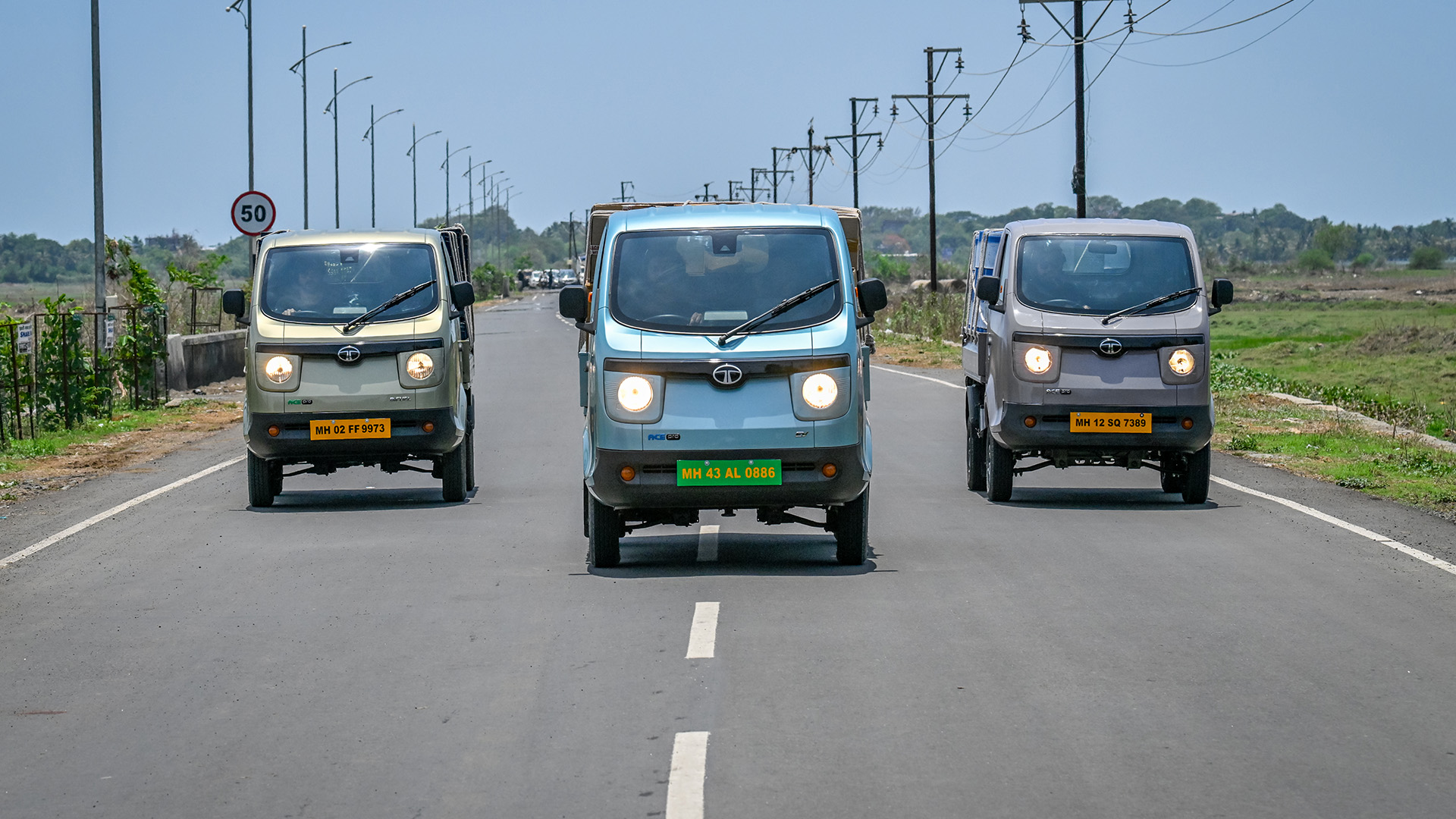
Moving India’s Growth Engine
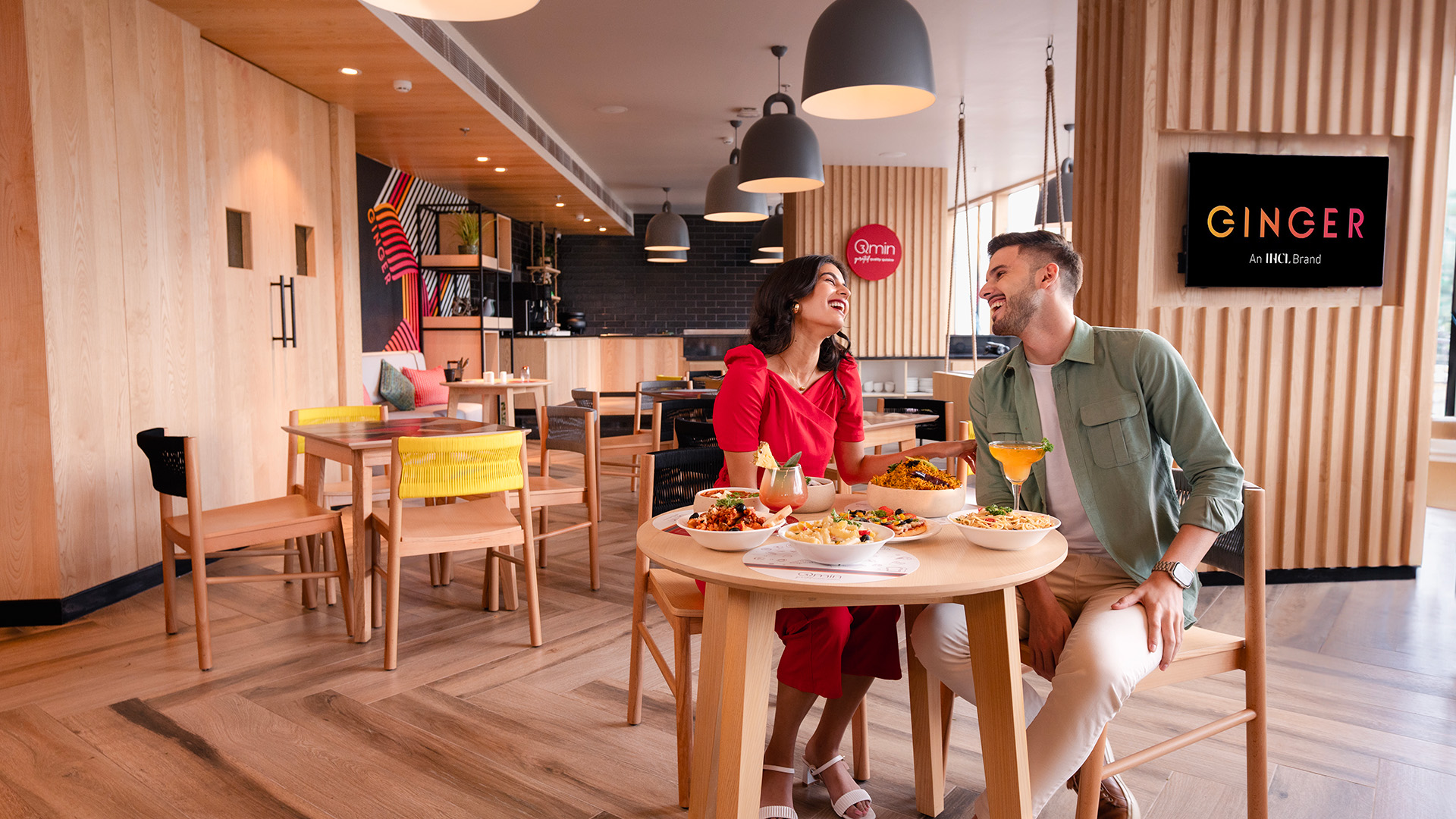
Checking into Emerging India

Financing Aspirations


