



September 2026 | 584 words | 2-minute read


For decades, India’s post-Independence economic story was narrated through the proliferation of its largest cities. Growth radiated from a handful of metropolitan centres — Mumbai, Bengaluru, Delhi, Kolkata, Chennai, Hyderabad — that became magnets for talent, investment, and consumption. Businesses followed suit, building operations and distribution networks where purchasing power was the greatest and markets the most mature.
Today, India’s economy is telling a compelling new story. The next growth frontier is unfolding across Tier-2, 3 and 4 markets, where rising incomes, infrastructure development, and consumer aspirations are at an all-time high, creating new engines of economic activity.
Drivers of new demand
Converging trends are creating new centres of consumption, entrepreneurship, and travel.
- Infrastructure is shrinking distances: New roads, airports, and logistics networks are bringing Tier-2+ markets into the economic mainstream. The UDAN project has connected 71 airports through 600+ routes, while Bharatmala Pariyojana will build highways to link 550 district headquarters, creating 50 economic corridors.
- India stack has democratised access to the formal economy: Aadhaar, UPI, DigiLocker, e-KYC, etc, have dramatically reduced barriers to banking, borrowing, and commerce. About 80% of new UPI users are from Tier-2+ cities.
- Smartphones and affordable data are widening market access: Consumers in Tier-2+ areas now have exposure to the same brands, influencers, and digital commerce as those in metros. Of India’s ~95.8 crore active internet users, 57% are from rural areas.
- Rising incomes are fuelling discretionary spending: As purchasing power grows, spending on branded products, travel, housing, education, and financial services is increasing. Domestic consumption accounts for ~70% of India’s GDP.
A recent MasterCard-ClarityX report found that Tier-3+ cities have overtaken metros in physical retail spending growth, while industry estimates suggest that the next wave of e-commerce shoppers will increasingly come from smaller cities. Last year, NielsenIQ reported that rural consumer demand outpaced urban demand for five consecutive quarters, illustrating this shift.
This trend is hardly surprising, given that more than two-thirds of Indians live outside the largest metros. Manufacturing clusters have mushroomed in places off the mainstream investment map, while new highways and airports are shrinking distances. Smartphones and digital payments are connecting businesses and consumers across far-flung regions. Organised retail is replacing fragmented markets, more entrepreneurs are entering the formal economy, and aspirations for branded products, homes, vehicles, and travel continue to rise.
Few organisations have a broader vantage point on this transformation than the Tata Group. Tata Consumer Products (TCP), Trent, Titan Company, and Croma recognise that consumers in smaller cities aspire to the same brands and lifestyles as those in metros, though their paths to purchase are shaped by local realities. Tata Capital understands that trust remains key in expanding formal finance, while Indian Hotels Company Ltd (IHCL) blends the reassurance of a national brand with experiences rooted in local culture. Tata Motors has learned that strong distribution and service networks remain as important as digital convenience.
The result is a shared playbook, combining the strengths of national brands with deep local insights, investing in reach, rather than scale alone, balancing technology with trusted on-ground presence, and backing emerging markets with a long-term perspective.
Click to read how Tata companies are wooing consumers in markets beyond the metros.
The New Consumer Playbook: TCP, Titan Co, Croma, and Trent, are making aspiration accessible.
Moving India's Growth Engine: Tata Motors and Tata Motors PV are powering enterprise in India’s growth corridors.
Checking into Emerging India: IHCL is taking hospitality beyond metros, with its bouquet of brands.
Financing Aspirations: Tata Capital is bringing formal credit to markets where aspirations are growing faster than access.
— Anuradha Anupkumar


The New Consumer Playbook


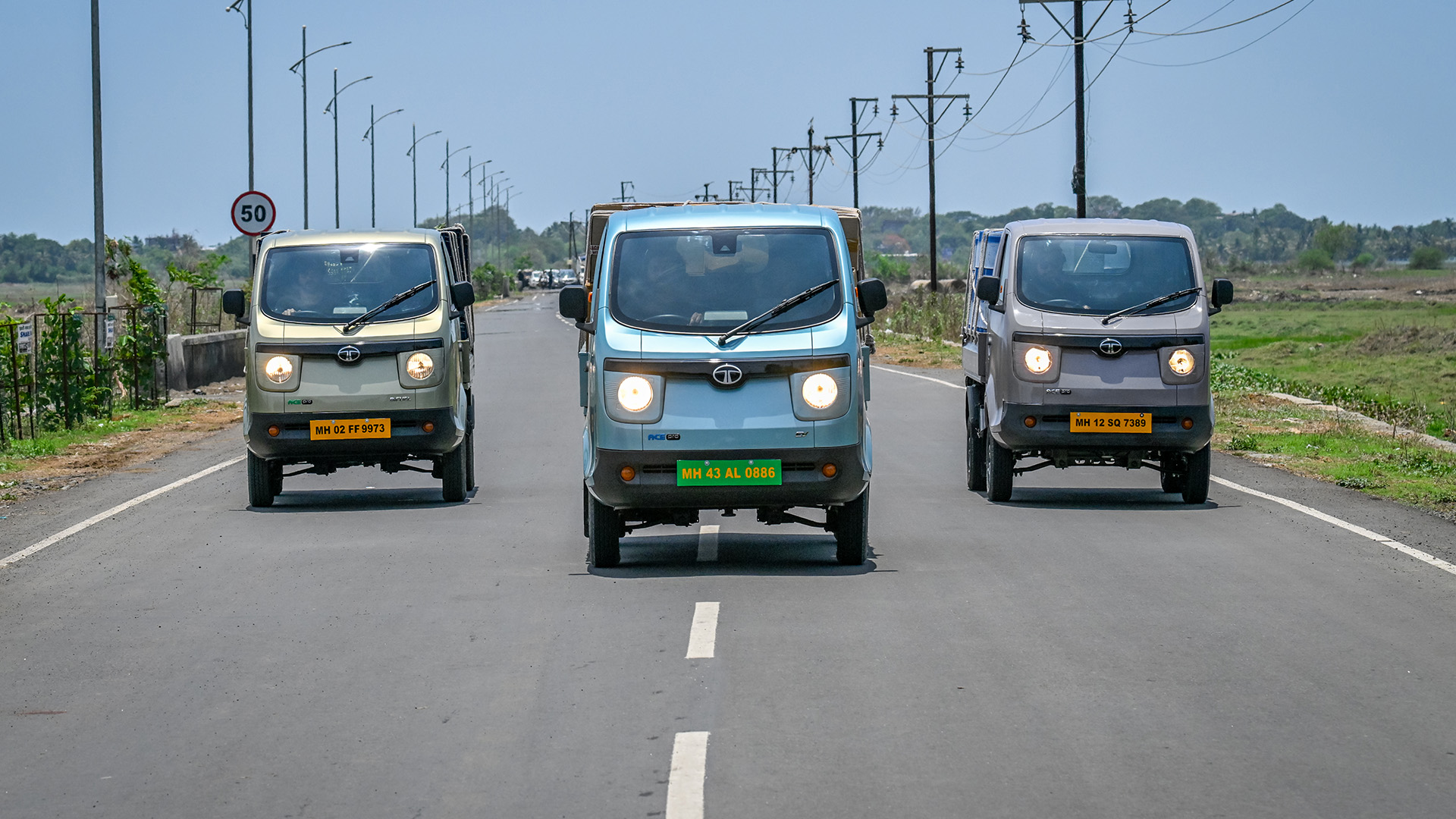
Moving India’s Growth Engine

Checking into Emerging India

Financing Aspirations


