


September 2026 | 957 words | 5-minute read


Across non-metros, towns that were once centres of consumption are emerging as hubs for production, distribution, and enterprise. Manufacturing clusters are expanding, supply chains are more organised, and e-commerce is reaching deeper. As highways, logistics corridors, and digital connectivity improve the movement of goods and people, mobility has become a critical enabler of growth.
For Tata Motors commercial vehicles (CV) and Tata Motors Passenger Vehicles (TMPV), this shift is more than a market opportunity. It reflects a fundamental reshaping of India’s economic geography — one that requires new products, stronger services and solutions tailored to a rapidly evolving India.
Mobilising livelihoods
Tata Motors (CV) has spent years anticipating this change, investing in vehicles, infrastructure, and partnerships that lower barriers to entrepreneurship, commerce, and connectivity. “As economic activity becomes more distributed, these markets are emerging as important centres of entrepreneurship, production, trade and mobility demand,” says Pinaki Haldar, Vice President and Business Head – Small Commercial Vehicle and Pickup, Tata Motors. “At Tata Motors, we have always believed that mobility is ultimately about enabling livelihoods, aspirations and economic progress. That belief continues to guide our approach to products, services and ecosystem development as we support the evolving mobility needs of Bharat.”
Rural India now accounts for ~40% of auto retail industry volumes and the commercial vehicle (CV) industry follows a similar trend, driven by expanding MSMEs, agriculture, and infrastructure development. Here, mobility is closely tied to earning opportunities.
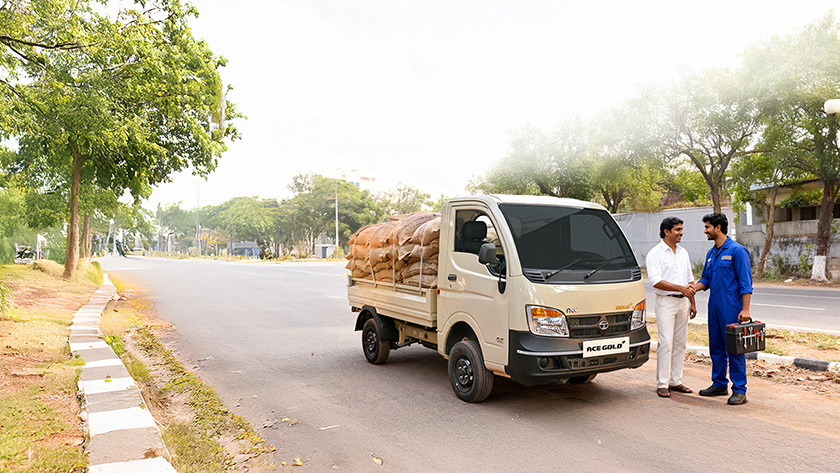

The Tata Ace is central to this story. Launched in 2005, it created a new category of four-wheel last-mile transport for micro-entrepreneurs seeking an affordable and reliable business vehicle. Today, 25 lakh+ Tata Ace vehicles operate on Indian roads — roughly one is sold every 5 minutes. The recently launched Tata Ace Pro builds on this success, with petrol, bi-fuel and electric variants, designed to improve earning potential and lower operating costs.
The Intra pickup has built on this legacy, further strengthening rural logistics, and has seen encouraging acceptance, particularly within the agricultural segment. Recent upgrades have focused on higher load capacity, lower ownership costs and improved profitability, and campaigns such as Intra Valon Ki Suno place entrepreneurs at the centre of the brand story.
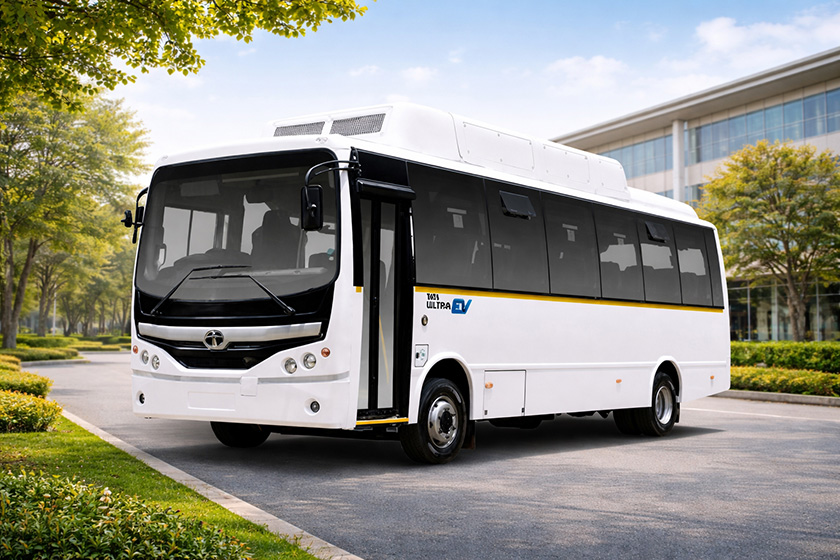
Future opportunities for Tata Motors include CNG-powered vans and electric buses and ambulances, while the growing reach of e-commerce is creating new opportunities for small cargo mobility across Tier-2 to Tier-4 markets.
Taken together, the developments point towards a future where growth is becoming increasingly broad-based and distributed. Smaller towns and cities are evolving into important centres of production, trade and entrepreneurship.
The CV strategy
- Vehicles tailored to first-generation entrepreneurs, rural logistics, and last-mile commerce
- New products like Tata Ace Pro anticipate evolving mobility needs
- Strengthening the ecosystem: 4,500+ sales and service touchpoints supported by FleetEdge, Fleet Verse, and Sampoorna Seva 2.0
- Financing solutions aligned with rural and SME cash flows
- Focus on future mobility: CNG vans, electric buses, school transport, ambulances and intercity mobility
Strengthening an ecosystem
Recognising that vehicles alone cannot unlock economic success, Tata Motors has built a nationwide network of 4,500+ sales and service touchpoints. Its connected platforms, FleetEdge and Fleet Verse, help fleet owners monitor vehicle health, improve productivity, and reduce downtime. They bring customers, dealerships and financiers together in a seamless digital ecosystem. Importantly, a significant share of engagement originates from smaller towns and cities, helping bridge geographical barriers and making CV ownership more accessible across the country.
Thakur Singh, a workshop owner in Rajasthan’s Bikaner district, says, “The programme has not only helped me improve my technical skills and increase my earnings, but it has also significantly enhanced my social standing within the community.”
Financing is another focus area. Partnerships with institutions such as UCO Bank offer simplified documentation, attractive interest rates and flexible repayment structures tailored to small businesses. The aim is not merely to sell vehicles, but to make ownership practical for first-generation entrepreneurs.
New generation of buyers
If CVs tell the story of enterprise, TMPV reflects changing consumer aspirations.
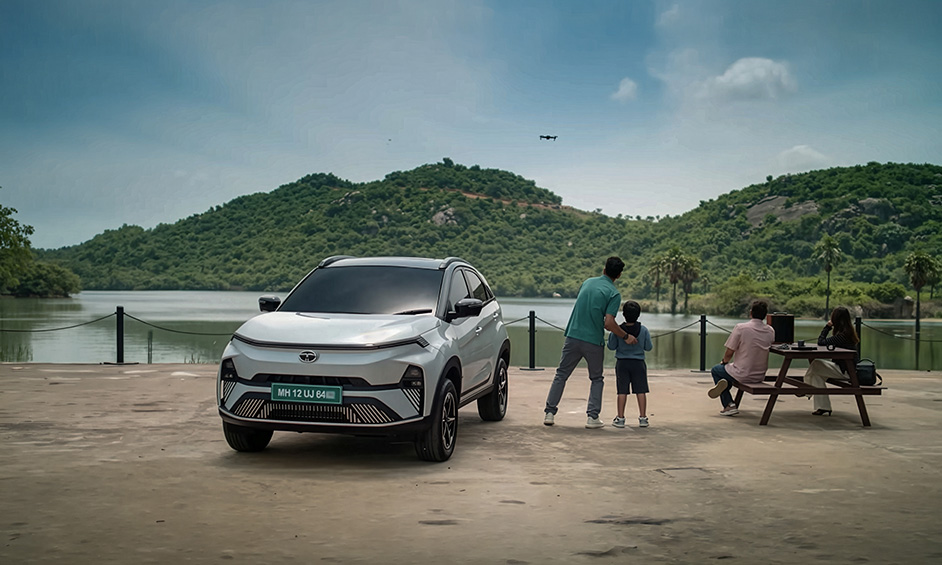
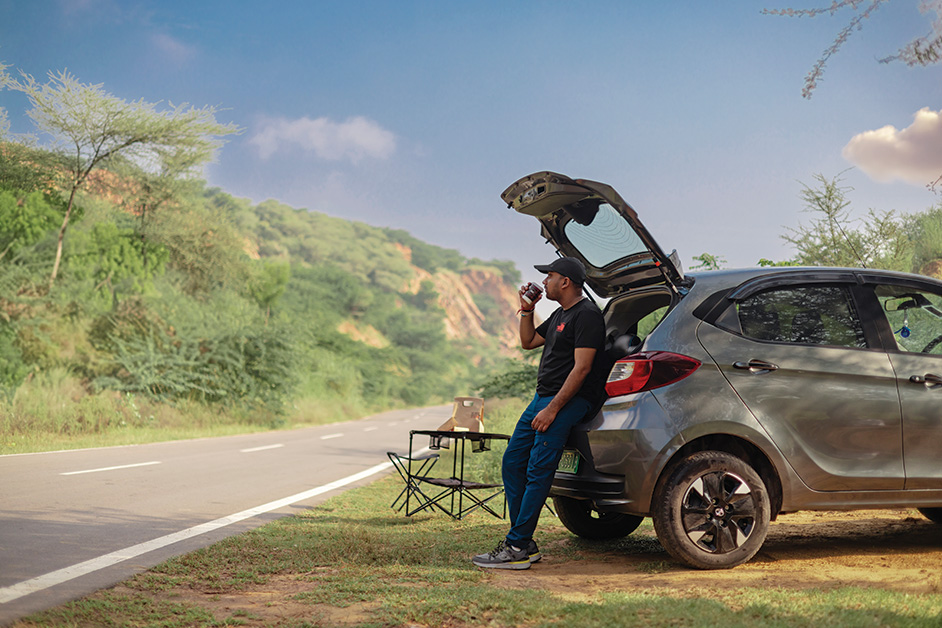
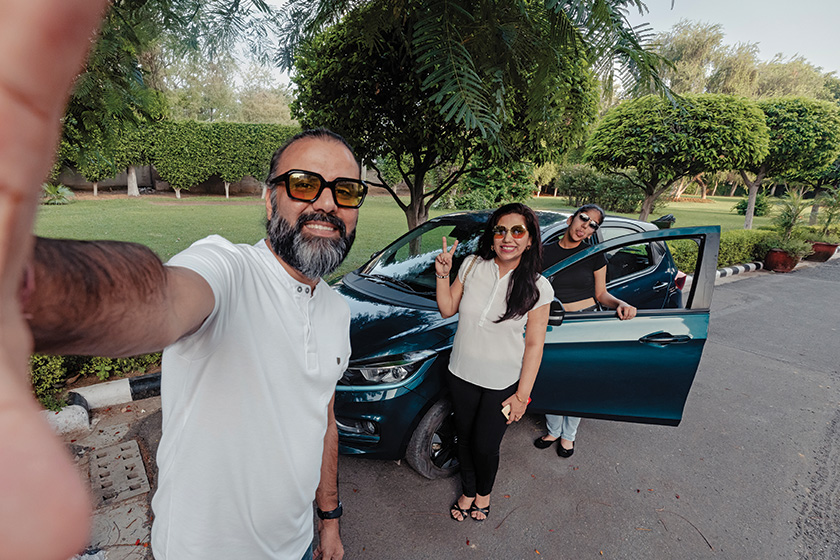
Today, 51% of TMPV’s sales come from non-metros, with Tier-3 cities emerging as its fastest-growing segment. Over the past two years, sales in these markets have grown by 33%, increasing their contribution from 34% to 41%. “Tier-2 and Tier-3 markets are central to our growth strategy — they are increasingly driving the next phase of passenger vehicle adoption in India,” says Vivek Srivatsa, Chief Commercial Officer, Tata Passenger Electric Mobility.
Aspiration is evolving too. Consumers increasingly seek the same levels of safety, technology, design and premium features as buyers in metros. First-time customers are choosing higher variants and feature-rich models, signalling a shift towards value over price alone, the company notes. Rising demand for SUV body style, CNG, and diesel fuel options reflects a stronger focus on comfort, ownership experience and long-term value.

Scale that moves India
- 25 lakh+ Tata Ace customers
- 8.3% growth in small CVs, driven by logistics, intra-city transportation and rural demand
- ~4,500 CV sales and service touchpoints
- 10 lakh CVs tracked through FleetEdge
- 51% of PV sales (~6.42 lakh) from non-metros
- 33% increase in Tier-3 PV sales over the last two years
*All data as of FY26
Digital discovery, local trust
TMPV has found that customers in non-metros research extensively online — comparing variants, watching reviews and evaluating prices — before entering a showroom. Yet, relationships with local dealers and service advisors still influence the final decision.
“Digital isn’t replacing the offline purchase; it’s compressing the research phase while leaving the commitment phase firmly offline,” says Mr Srivatsa, highlight that the company invests in dealer relationships, after-sales service and transparent ownership experiences to build customer trust.
Whether it is an entrepreneur investing in a Tata Ace or a young family purchasing its first SUV, the purpose remains the same: expanding access to opportunity, enterprise, and aspiration.
— Anuradha Anupkumar

Where India Grows Next


The New Consumer Playbook

Checking into Emerging India

Financing Aspirations


