October 2026 | 1697 words | 6-minute read


Air India’s retrofit programme
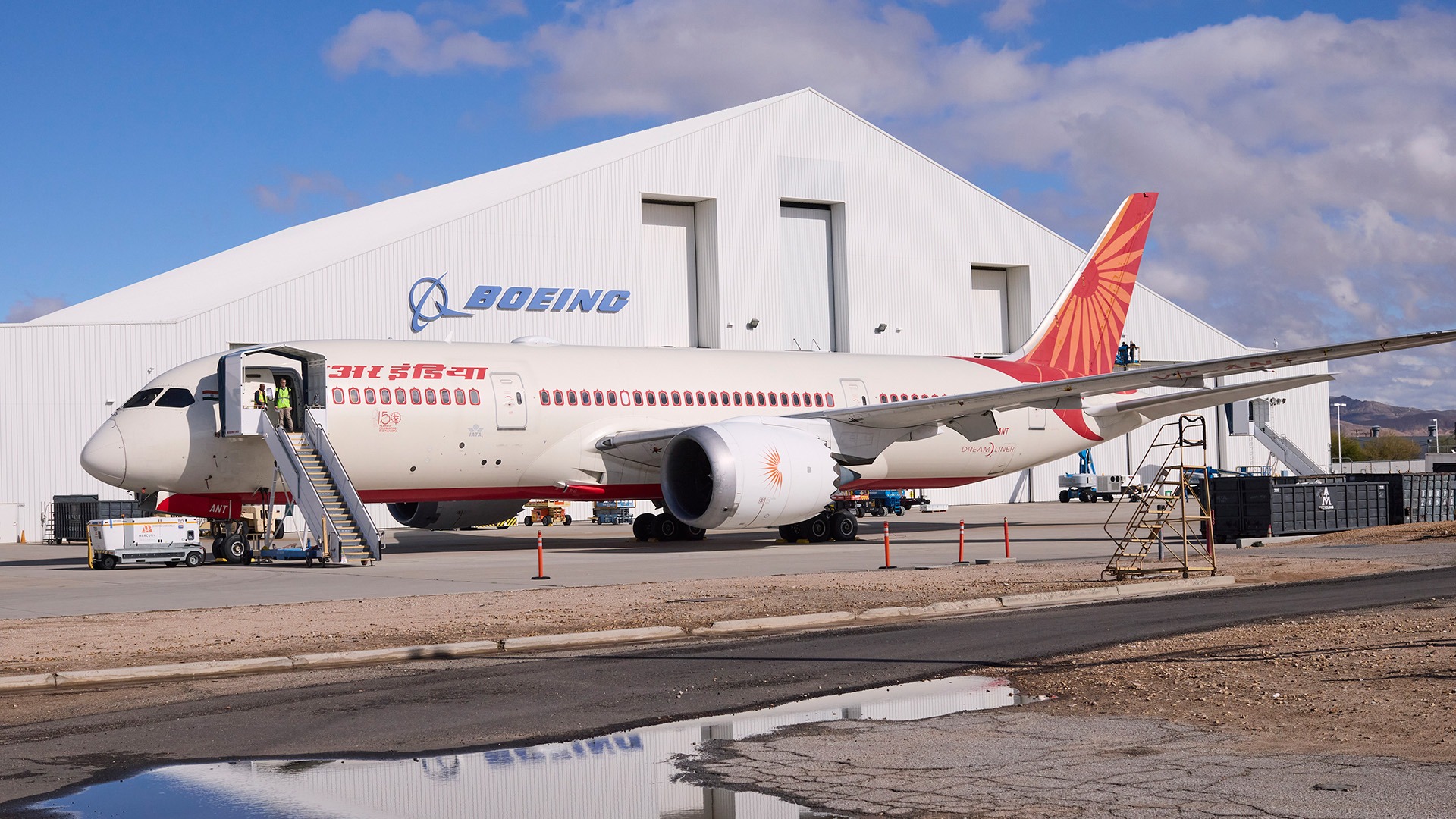
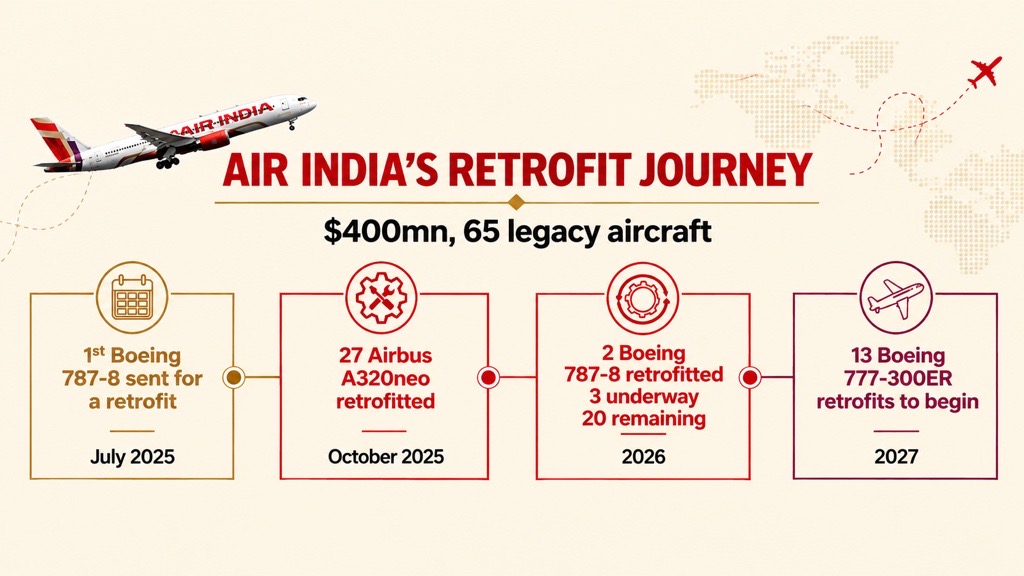
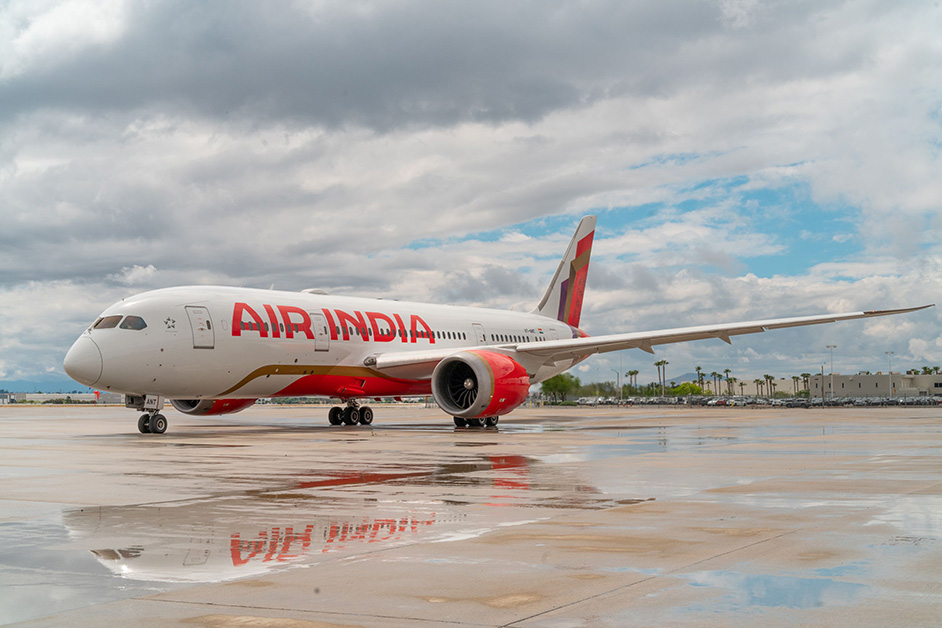
Air India’s first retrofitted Boeing 787-8 Dreamliner, VT-ANT, arrived in Delhi in April, showcasing extensive upgrades including new livery, private suites, ergonomic seats, 4K entertainment, mood lighting, and Bluetooth connectivity. Refurbishment, conducted at Boeing’s California center and AeroPro, involved complex collaboration among global teams, addressing evolving passenger expectations and operational constraints. Retrofitting is a cost-effective alternative to new aircraft, extending fleet life and improving experience. Air India’s transformation includes standardising seats, expanding Premium Economy, and upgrading operational systems, all amid supply-chain challenges. The $400 million programme covers 65 legacy aircraft, reflecting Air India’s commitment to premiumisation and modernisation.
Air India’s retrofit programme
Air India’s retrofitting initiative is transforming its ageing fleet to deliver a modern passenger experience without the prohibitive costs of new aircraft.
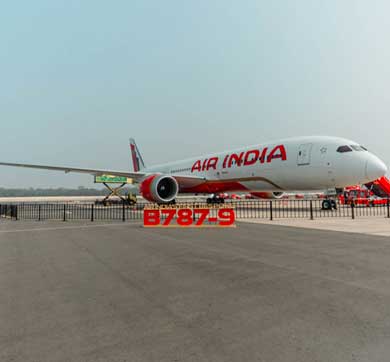
The first retrofitted Boeing 787-8 Dreamliner arrived in Delhi in April, after extensive upgrades at Boeing’s Modification Center and AeroPro in California. The refurbishment included luxurious suites, ergonomic seating, upgraded avionics, 4K entertainment screens, mood lighting, Bluetooth connectivity, and refreshed interiors. This transformation is the result of months of collaboration among engineers, designers, suppliers, and marketers, navigating complex supply chains and regulatory requirements.
Refurbishing cabins is a cost-effective strategy, as airlines typically operate aircraft for 18-20 years, and new aircraft entail massive capital and long delivery timelines. Air India’s Boeing 777s have served for 15-18 years, while the 787s are eight to 14 years old; retrofitting extends their useful life and enhances passenger satisfaction. The process begins with cross-functional teams defining the desired cabin experience, considering fleet age, route deployment, and evolving passenger expectations.
Retrofits also upgrade operational systems, requiring compliance with global regulators. Engineering teams meticulously document every aspect, ensuring safety and balance. Supply chain coordination is critical, with delays in component delivery affecting schedules. Air India Express is also standardising its Boeing 737 MAX fleet, increasing seat capacity and improving onboard offerings. With an order book of 600 new aircraft, retrofitting bridges the gap between today’s experience and future growth, signaling Air India’s commitment to premiumisation and modernisation.
Air India’s retrofit programme
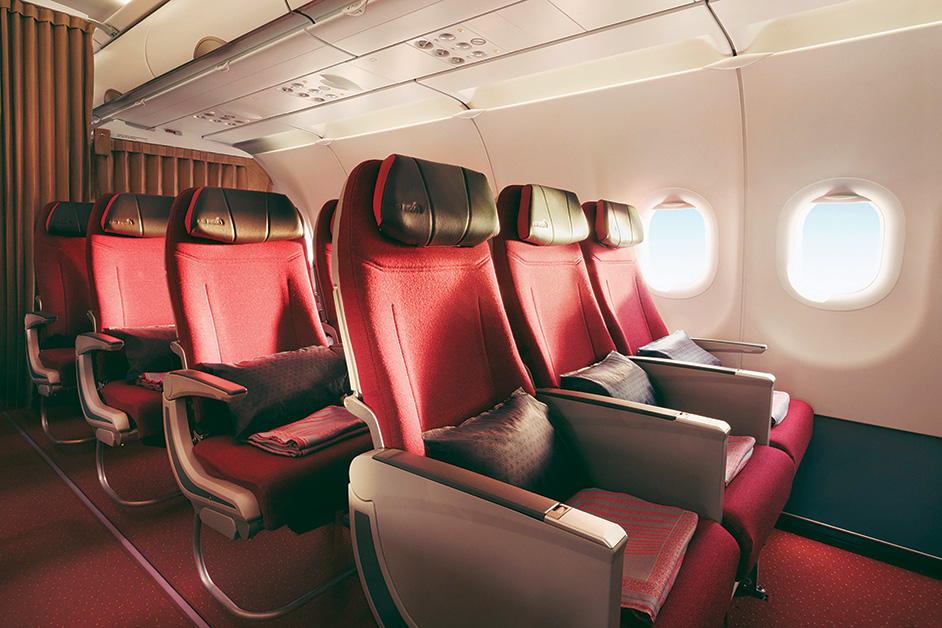
Air India’s first retrofitted Boeing 787-8 Dreamliner (VT-ANT) arrived in Delhi in April 2024, appearing rejuvenated with the airline’s new livery and a fully refurbished cabin. The decade-old aircraft underwent extensive upgrades at Boeing’s Modification Center in California and was painted at AeroPro in San Bernardino. The interior was transformed with luxurious private suites, ergonomically optimised seats, enhanced avionics, 4K QLED HDR entertainment screens, refreshed carpets, unique mood lighting, Bluetooth headphone connectivity, and a modern cabin aesthetic matching Air India’s updated brand identity. This visible transformation was the result of months of collaborative effort among engineers, manufacturers, designers, supply-chain specialists, and marketers across countries.
For airlines, refurbishing cabins is often more practical than replacing aircraft. As Jeremy Yew Jin Kit, Air India’s Head of Engineering and Maintenance, explains, aircraft cabins designed 15 years ago no longer meet current technology standards or passenger expectations. Maintenance costs rise with age, making refurbishment a cost-effective way to extend aircraft life and improve passenger experience. Air India’s Boeing 777s have operated for 15-18 years, and its 787s for eight to fourteen years. Refurbishment allows the airline to enhance its product offering without the massive capital required for new aircraft, which also have lengthy delivery timelines.
Before refurbishment, teams from commercial, strategy, procurement, customer experience, branding, and engineering collaborate to define the desired cabin experience, considering fleet age, route deployment, passenger expectations, and competitive benchmarks. The process starts with understanding customer values and finding ways to deliver improvements within existing aircraft constraints. This customer-centric approach has contributed to Air India’s upgrade from a 3-Star to a 4-Star Skytrax Airline Rating for Business and Economy Class.
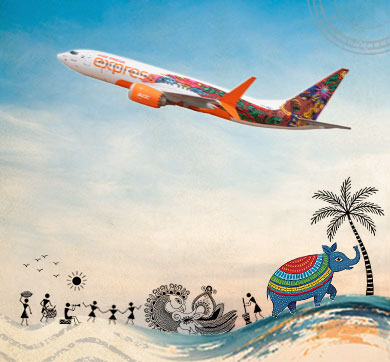
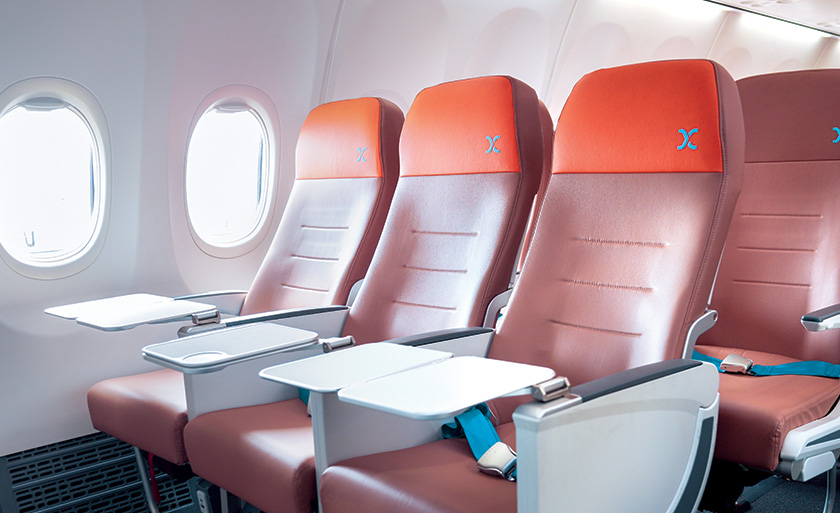
Air India Express is also retrofitting its Boeing 737-8 MAX fleet, standardising seat configurations to 189 seats and adding USB charging, branded interiors, and ovens for expanded hot-meal offerings. This increases operational efficiency, unlocking about 700 additional seats — equivalent to adding 3.7 aircraft without expanding the fleet.
Retrofits are complex, as engineers must work within strict structural and regulatory constraints. While major structural elements remain unchanged, nearly everything passengers interact with can be upgraded. Seat manufacturers offer tailored solutions, especially for premium cabins, with careful evaluation of comfort, durability, privacy, charging points, connectivity, and entertainment. Airlines must also balance Business, Premium Economy, and Economy seats based on route economics and demand. Premium Economy has become increasingly important, catering to evolving passenger preferences.
Retrofits also involve upgrades to operational systems and require certification from multiple regulators, including EASA, FAA, and India’s DGCA. The process includes detailed planning, exhaustive documentation, and multiple review cycles before implementation. Once approved, the aircraft is stripped, inspected, and rebuilt with new interiors.
Supply-chain coordination is critical, as delays in component delivery can impact the entire programme. Air India keeps multiple retrofit kits in reserve and closely monitors supplier timelines. Air India Express faces similar challenges, including securing maintenance slots and regulatory approvals.
The Air India Group’s scale adds complexity, with retrofit work completed on several aircraft and plans to finish retrofitting 50 white-tail aircraft by March 2027. This effort bridges the gap between the current fleet and future expansion, as Air India has an order book of 600 Airbus and Boeing aircraft. Retrofitting demonstrates Air India’s commitment to modernizing passenger experience, especially since the Tata Group’s takeover in 2022.
A key pillar of Air India’s revival is premiumisation. Introducing Premium Economy and retrofitting has tripled premium seat availability, with premium seat sales doubling since privatisation, highlighting


- 0.5×
- 0.75×
- 1×
- 1.25×
- 1.5×


When Air India’s first retrofitted Boeing 787-8 Dreamliner (registered VT-ANT) touched down at Delhi in April this year, it looked every bit like a brand-new aircraft. Clad in Air India’s striking new livery, the decade-old aircraft appeared to have shed its years, emerging from refurbishment with the finesse of a factory-fresh jet.
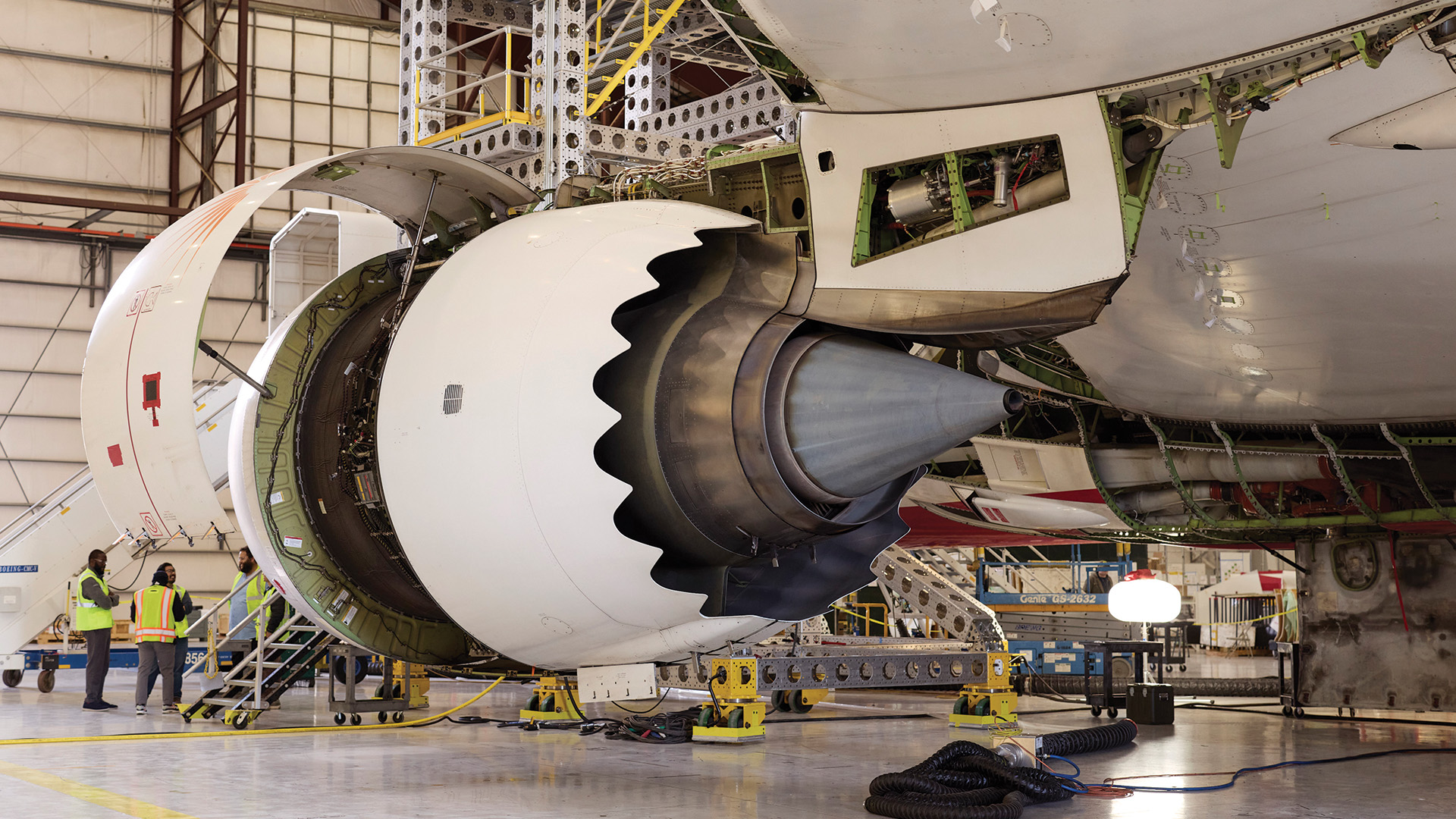
The aircraft underwent comprehensive upgrades at Boeing’s Modification Center in California before being painted at AeroPro in San Bernardino. Its cabin had been reimagined from nose to tail. Inside were luxurious private suites, ergonomically optimised seats, upgraded avionics, 4K QLED HDR entertainment screens, refreshed carpets, unique mood lighting, Bluetooth headphone connectivity across all cabins, and a more contemporary cabin aesthetic aligned with new brand identity.
What remained invisible, though, were the months of effort that had gone into giving the aircraft a second life. Behind every refurbished seat and newly installed screen lay a complex exercise involving engineers, manufacturers, designers, supply-chain specialists, and marketers across countries. It is a process that is as exhilarating as it is exasperating, particularly at a time when aircraft manufacturers are grappling with production constraints.
Cost-effective route
For airlines, modernising and refurbishing cabins is often a more practical option than replacing an aircraft outright. “Imagine taking delivery of an aircraft 15 years ago,” says Jeremy Yew Jin Kit, Head of Engineering and Maintenance, Air India. “The cabin was designed to meet the standards and expectations of that time. But technology evolves, passenger preferences change, and systems inevitably age. When something as simple as a seat jams or the in-flight entertainment system fails mid-flight, it directly affects the passenger experience. That’s why keeping aircraft cabins modern and reliable is just as important as maintaining the aircraft itself.”
Replacing wide-body aircraft every time passenger expectations evolve is neither practical nor economically viable. New aircraft require enormous capital commitments, not to mention years-long delivery timelines.
“Airlines typically operate aircraft for 18-20 years, and sometimes even longer,” says Mr Yew. “But as aircraft age, maintenance costs rise, and operating economics become less favourable.”
At Air India, the Boeing 777s have been operating for 15-18 years, while the Boeing 787s are more than eight to 14 years old. Refurbishment is a way of extending their useful life while simultaneously improving passenger experience.
Long before an aircraft enters the hangar, before a single component is removed, teams from commercial, strategy, procurement, customer experience, branding, and engineering come together to define what the refurbished aircraft should look and feel like. Fleet age, route deployment, passenger expectations, and competitive benchmarks inform the scope of the transformation.
“Passenger expectations have evolved significantly since many of these aircraft first entered service,” says Mr Yew. “The process begins with understanding what customers value today, then finding ways to deliver those improvements while working within the existing aircraft’s design and operational constraints.”
This customer-centric approach has been a hallmark of Air India’s transformation journey and is reflected in its recent upgrade from a 3-Star to a 4-Star Skytrax Airline Rating for Business and Economy Class.
Making room for efficiency
The same philosophy is driving Air India Express’ retrofit programme.
In October 2025, Air India Express unveiled the refreshed interiors of its Boeing 737-8 in Mumbai. “We are retrofitting our white-tail Boeing 737 MAX fleet to reset the guest experience from the ground up,” says Air India Express (AIX). “The programme includes new seats, branded interiors, USB charging at every seat, and a refreshed cabin ambience.”
The exercise is also delivering a significant operational benefit. Aircraft that earlier had 162-178 seats will be standardised to a 189-seat configuration. “That will unlock approximately 700 additional seats across the fleet,” says AIX. “That is equivalent to adding about 3.7 aircraft without any fleet expansion.” Retrofits on its Boeing 737 MAX fleet include ovens, enabling an expanded hot-meal offering and a more differentiated onboard experience.
More than a refresh
Despite appearances, a retrofit is not a blank-slate exercise. Engineers work within strict structural and regulatory constraints. Windows cannot be moved, aircraft dimensions cannot be altered, and major structural elements such as the fuselage remain untouched. What can change, however, is almost everything passengers interact with.
The exercise involves a series of choices. Seat manufacturers are invited to present solutions tailored to the airline’s requirements. Premium cabins typically involve the greatest degree of customisation, with every element of the passenger experience, from seat comfort, durability and privacy to charging points, connectivity and inflight entertainment, being carefully evaluated.
Airlines must also determine the right mix of Business, Premium Economy, and Economy seats based on route economics and passenger demand. For Air India, premium economy has become an increasingly important part of that equation, reflecting changing passenger preferences. “Earlier, some aircraft only had business and economy class,” says Mr Yew. “Today, passengers are looking for more choices. Premium Economy helps us cater to a wider range of travellers while improving the overall product offering.”
Playing up premiumisation
A central pillar of Air India’s revival strategy is premiumisation. The introduction of Premium Economy, combined with wide scale retrofitting, has tripled the number of premium seats available for sale. Premium seat sales have doubled since privatisation, signalling growing customer demand for higher quality experiences.
Engineering the transformation
Beyond integrating passenger-facing comforts and amenities, retrofits also involve upgrades to critical operational systems, like flight control, navigation, monitoring, and safety. Compounding the complexity and timeline, the retrofit must meet the certification requirements of multiple regulators, including European Union Aviation Safety Agency, the US Federal Aviation Administration, and the Indian Directorate General of Civil Aviation. This alignment requires painstaking planning, exhaustive documentation, and attention to detail.
Once a cabin layout is finalised, the project enters an intensely technical phase. Engineering teams, design organisations, manufacturers and suppliers work together to produce thousands of pages of documentation covering every aspect of the installation. Weight distribution, balance and compliance requirements must all be met. Multiple review cycles follow before the design is approved for implementation.
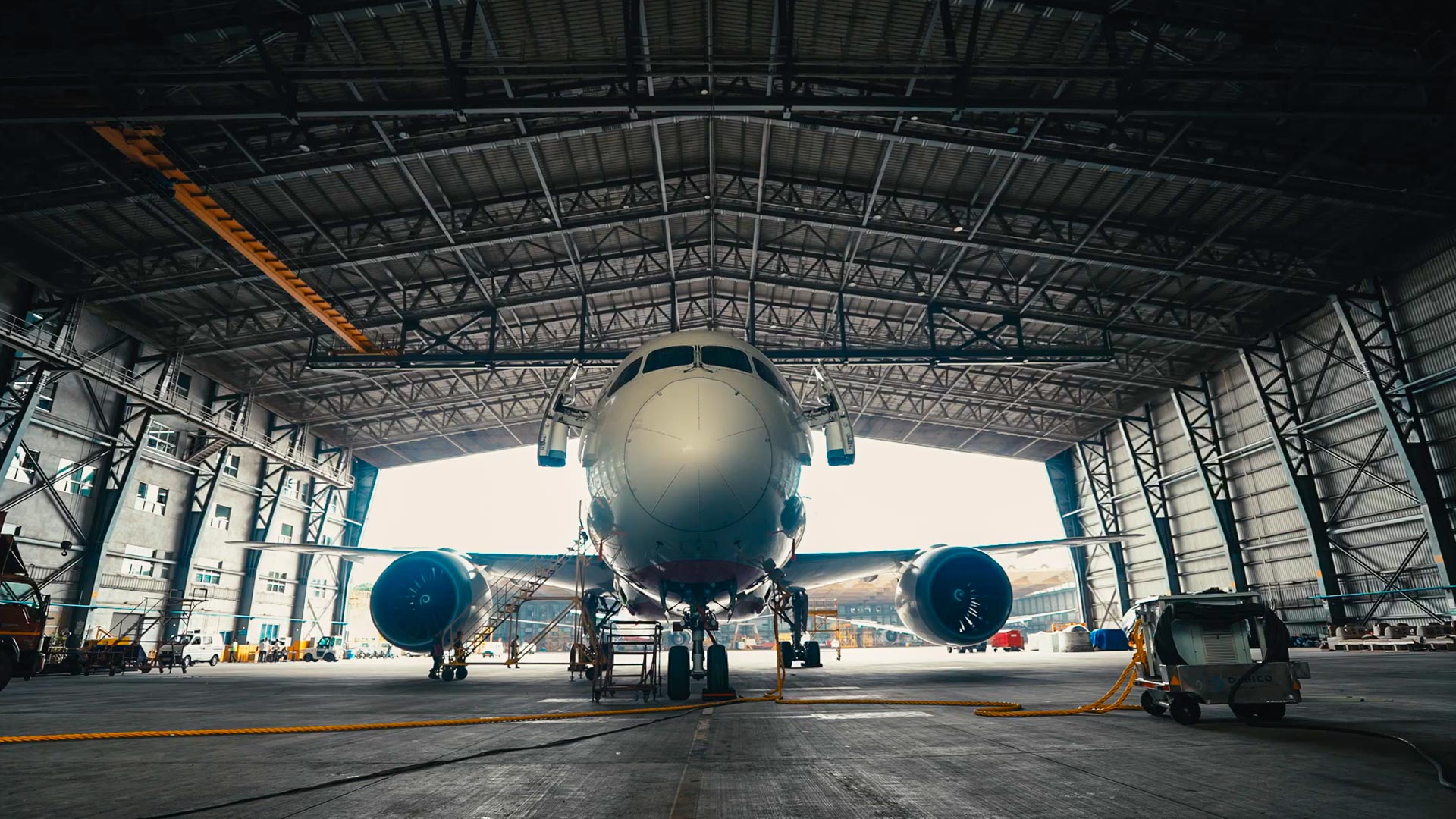
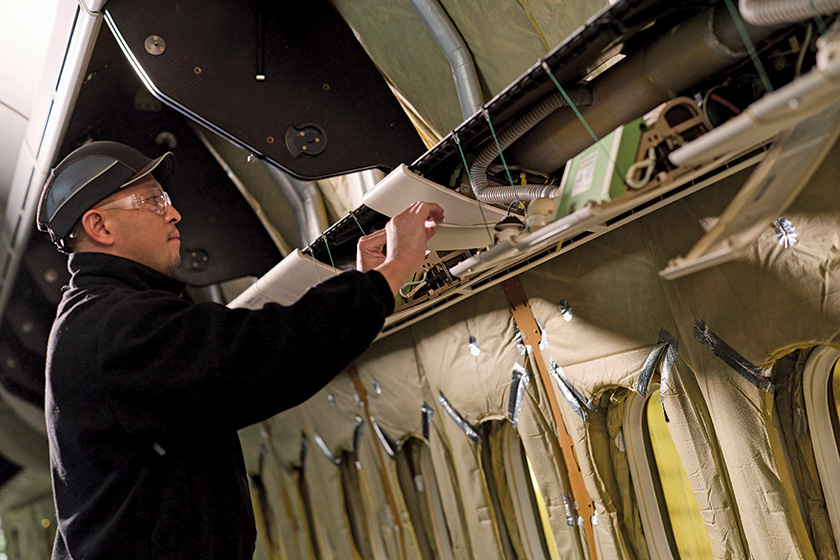
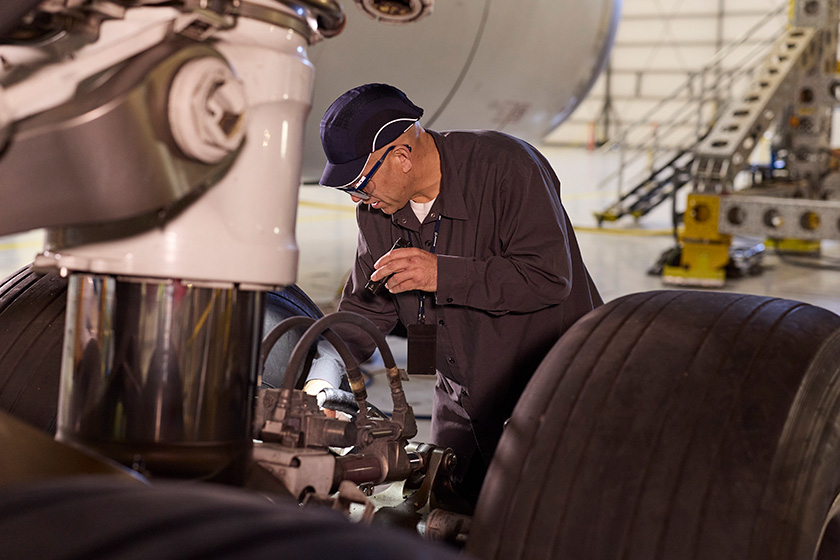
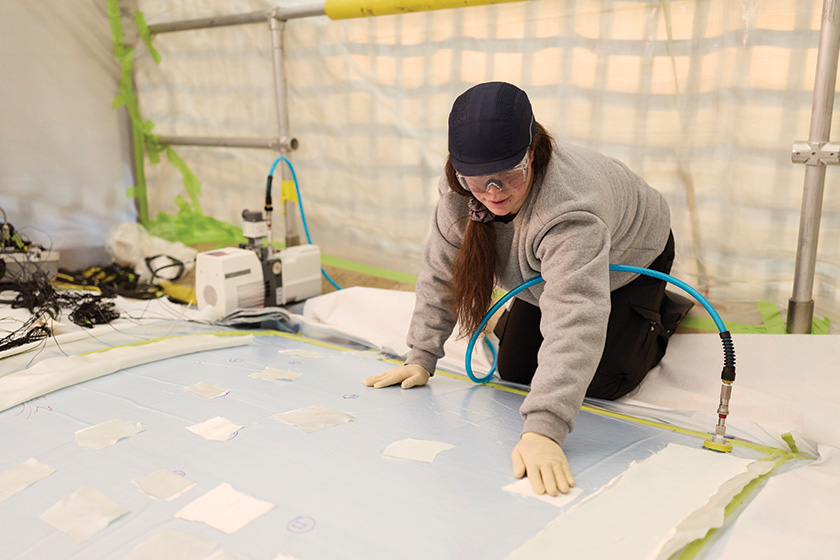
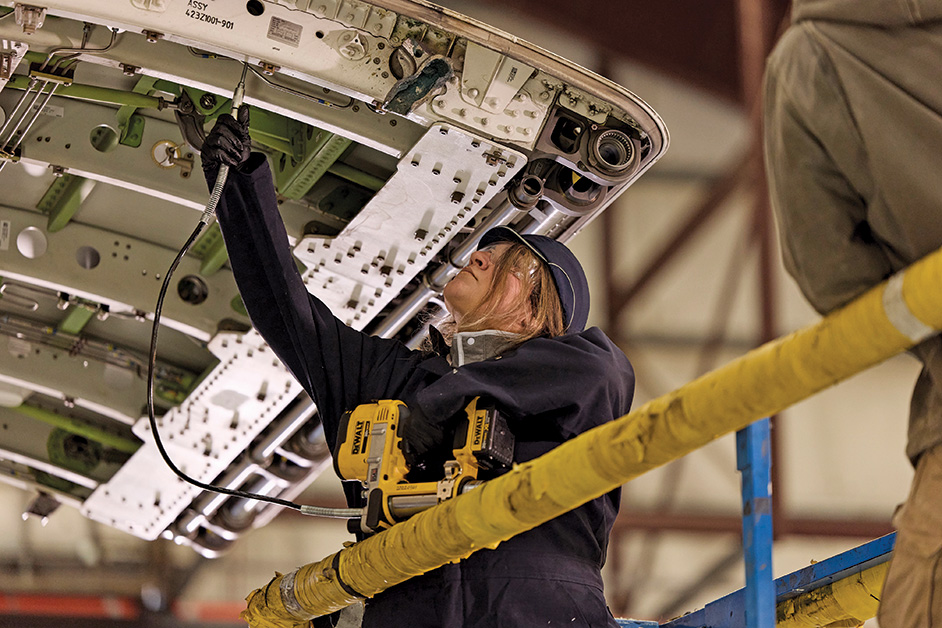
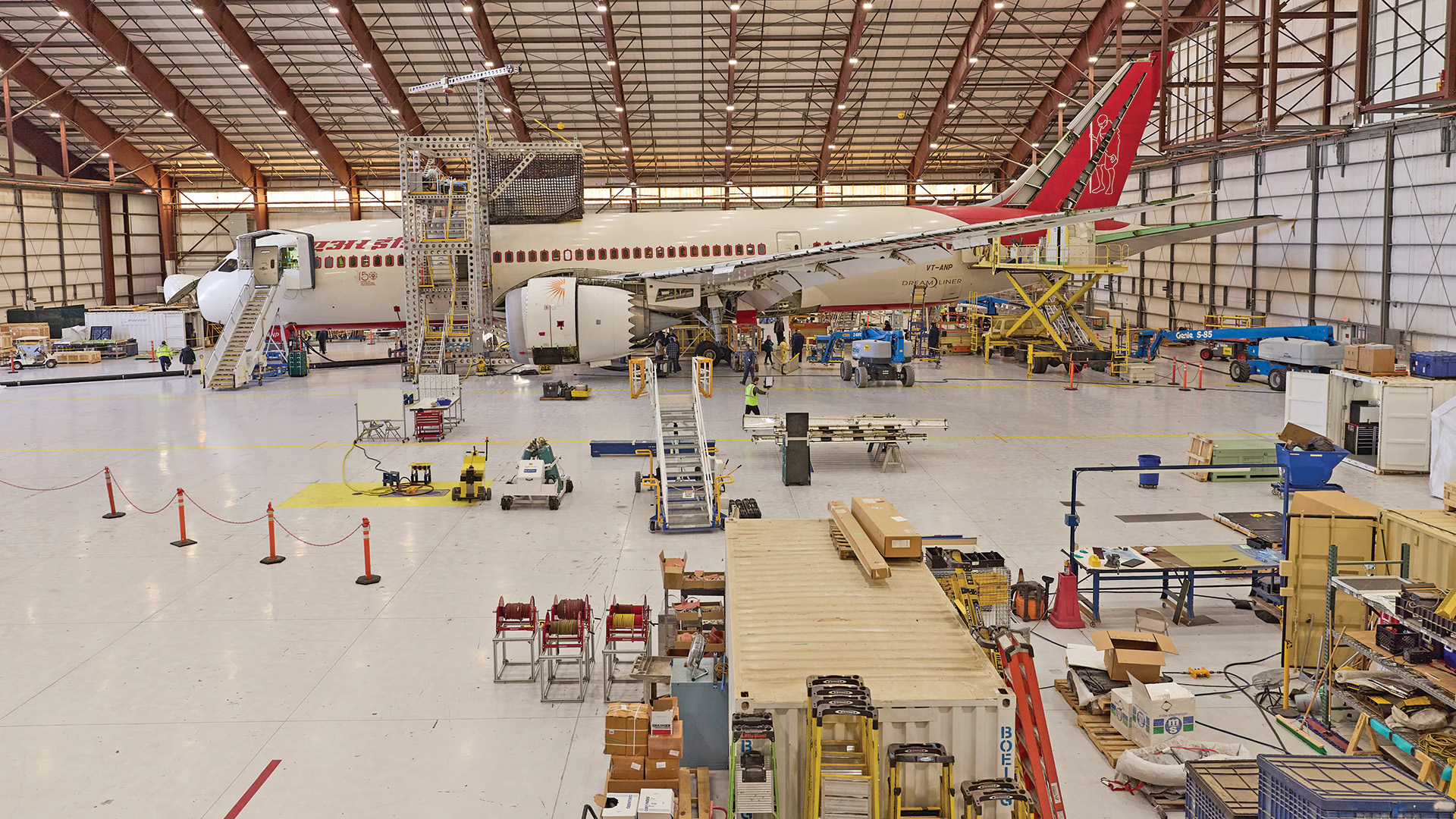
Only then can the aircraft enter the hangar and the transformation begin. Seats, sidewalls, carpets and other interior elements are removed, exposing wiring, insulation, and structural elements for inspection. Engineers conduct detailed checks for wear, corrosion, and damage.
Interior makeover
- New seats, carpets, side panels and wall laminates
- Refurbished galleys, flight crew rest area, and lavatories
- Unique mood lighting system with 10 custom scenes
The supply-chain puzzle
Designing the ideal cabin is one thing. Building it is another. Every bespoke seat, charging port, carpet, light fitting, and connectivity system must be sourced, manufactured, and delivered on schedule. For a programme as extensive as Air India’s retrofit, that means coordinating a vast network of suppliers, manufacturers, maintenance providers, and regulators across multiple countries. A delay in even a single component can have knock-on effects across the entire programme.
To mitigate those risks, airlines build buffers into their inventory plans. Air India keeps multiple ‘retrofit kits’ — bundled hardware, software, and instruction packages used to upgrade or modify in-service planes — in reserve and closely tracks supplier timelines before grounding aircraft.
Air India Express has faced similar challenges as it works through the retrofit of its white-tail Boeing 737 MAX fleet, from securing maintenance slots to navigating global supply-chain constraints and obtaining regulatory approvals from Indian and US authorities. “The primary supply-chain challenge is the timely delivery of retrofit kits, with any delays directly affecting the overall schedule,” says AIX.
Ready for the world
The airline’s scale adds another layer of complexity. “Retrofit work has already been completed on nine aircraft in July and two more aircraft retrofit will be over by mid-August,” says AIX.
Air India Express has utilised the downtime caused by the West Asia crisis to accelerate its retrofit programme. It aims to complete the retrofit of its 50 white tail aircraft by March 2027. At the same time, the carrier is running its Cabin Perfect programme across its Airbus A320 and Boeing 737 Next Generation fleets to align interiors with evolving brand standards.
The effort is part of a much larger transformation underway across the Air India Group. For more than 15 years before privatisation, Air India had not placed a major aircraft order. Operating a small and ageing fleet, it lacked growth capacity and competitive reach. Today, the Air India Group has an order book of 600 Airbus and Boeing aircraft, making it one of the largest fleet renewal and expansion programmes in global aviation. Retrofitting existing aircraft helps bridge the gap between the future fleet and the passenger experience today.
“When the Tata Group took over Air India in 2022, there was a clear expectation that passengers would see meaningful improvement,” says Mr Yew. “They were looking for greater comfort, better service and a more modern travel experience. Travellers notice more than just the service. They pay attention to the seats, the cabin ambience and the overall look and feel of the aircraft. Our retrofit programme is one of the most visible ways of showing that Air India is investing in the future.”
— Anju Maskeri