November 2026 | 1112 words | 4-minute read


For over a century, Tata Power's journey of nation-building has been closely intertwined with its commitment to community development and inclusive growth.
Guided by the Tata Group’s Affirmative Action philosophy, the company works to create equitable opportunities for historically marginalised and underserved communities, addressing systemic barriers through interventions spanning education, employability, entrepreneurship and access to essential public health. Rooted in the belief that meaningful progress must reach those at the grassroots, these systemic, long-term efforts seek to strengthen social inclusion, enable sustainable livelihoods, and empower community institutions, and government synergies to drive meaningful change.
At Tata Power, our affirmative action efforts are focused on creating meaningful pathways to empowerment for historically disadvantaged communities, helping them overcome barriers and build better futures. PARADH brings this commitment to life by working alongside the Pardhi community to open doors to opportunities that have remained out of reach for generations - Mr Himal Tewari, CHRO & Chief, Sustainability and CSR, Tata Power
This enduring commitment finds expression in Vidyut Dhaara, Tata Power's unified social impact expression, reflecting how the flow of energy extends beyond the grid to enrich lives, drive strategic partnerships, strengthen livelihoods and create new possibilities for all. In Maharashtra's Jalna district, this commitment finds expression in a transformative initiative with the Pardhi community.
For more than 2,000 members of the Pardhi community residing in the Partur region of Maharashtra’s Jalna district, partaking in the fruits of inclusive development has long been a distant dream. Traditionally a nomadic community associated with hunting and tracking, the Pardhis have, for generations, lived on the margins, facing social prejudice and barriers to economic opportunities and essential services.
These challenges were particularly acute for the community living in the vicinity of Tata Power’s solar plant at Partur. More than 75% of households lacked access to key documents required to avail government entitlements, while access to basic amenities such as street lighting and safe drinking water was limited. Adult literacy stood at just 38%, with only 12% having completed secondary education. Livelihood opportunities, too, were limited: around 70% of the population depended on casual labour and had little access to vocational skills. Nearly 63% of households were below the poverty line, while only 16% owned agricultural land.
It was against this backdrop that Tata Power chose engagement over exclusion. Guided by its Affirmative Action commitment to dismantling systemic barriers and enabling historically marginalised communities to participate more meaningfully in India’s development journey, the company set out to build trust with the Pardhi community and create pathways to greater inclusion.
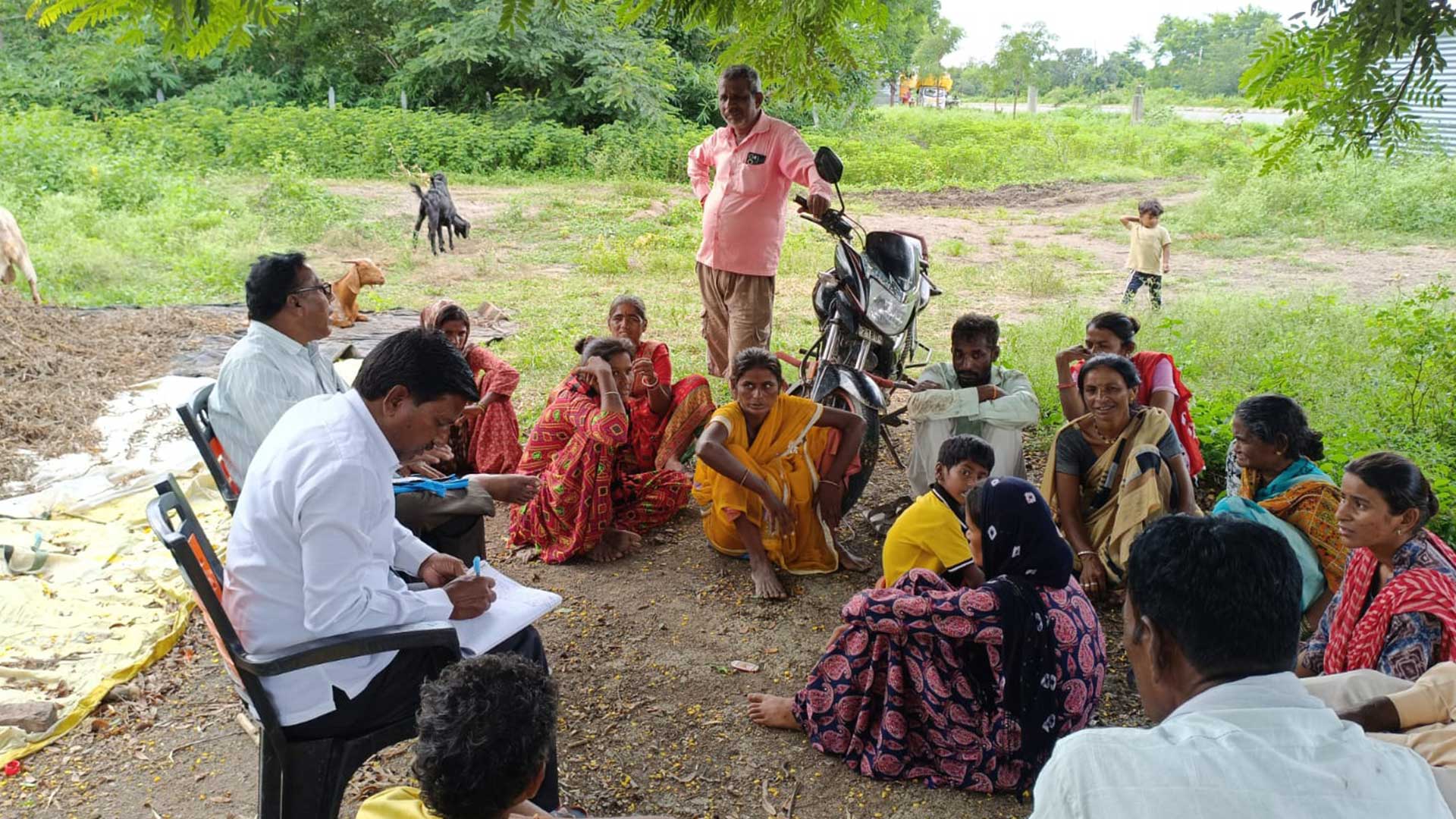
This intent took shape in PARADH (Pursuing Affirmative Actions and Resilience for Advancement and Development of Historically Marginalised Community), an initiative focused on the socio-economic empowerment of the Pardhi community. In August 2025, Tata Power Community Development Trust (TPCDT) signed an MoU with the District Collectorate of Jalna to drive the community’s holistic development in Partur. A socio-economic assessment covering 407 households across three major settlements laid the groundwork for targeted action. “PARADH has been a very organic programme, and we started from scratch. We began with a door-to-door survey to understand the needs of the community and then designed the interventions step by step,” says Vishwas Sonawale, Head ‒ CSR (Renewables), Tata Power.
Securing a foothold
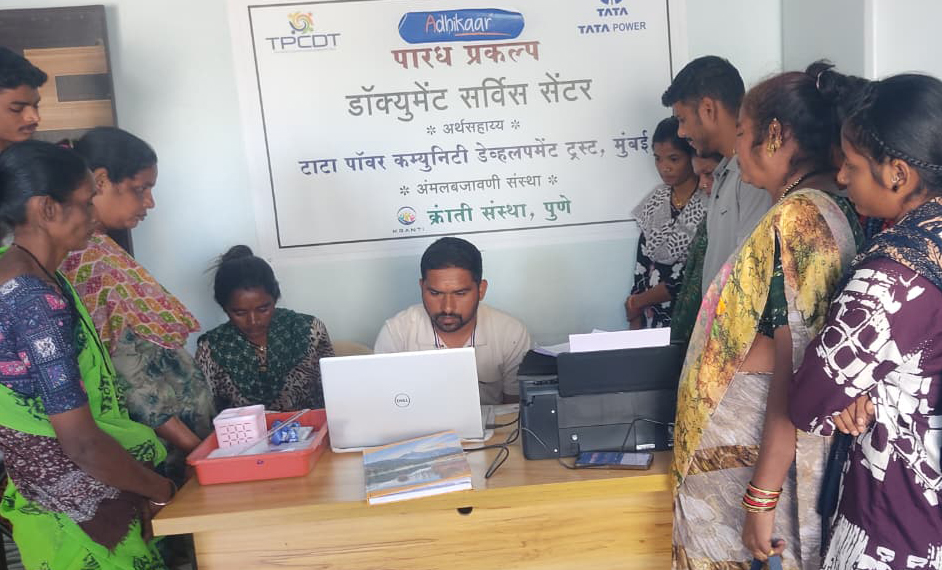
For many families, the first barrier was also one of the most fundamental: access to official documentation. Tata Power established a dedicated Document Service Centre and supplemented it with six documentation camps. Together, these enabled nearly 1,000 members of the community to access critical documents such as ration cards, caste certificates, PAN cards, E-Shram cards and bank accounts, opening the door to government welfare programmes spanning tribal development, labour welfare and other social security benefits.
The impact was tangible. Access to these entitlements generated an estimated ₹14 lakh in financial coverage and community assets. But behind the number are individual stories of what formal recognition can mean.
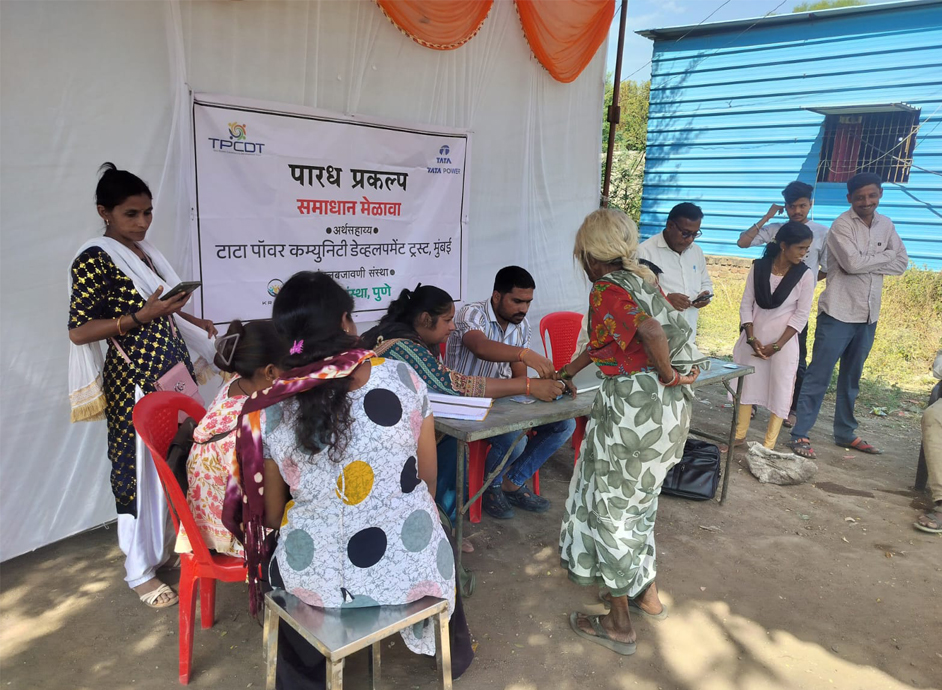
For Dwarkavai Pawar, the Document Service Centre helped resolve a problem that had repeatedly stood in the way of accessing benefits. After unsuccessful attempts elsewhere to complete the biometric formalities for her life certificate, she turned to the centre. Her biometrics were completed within a day, enabling her to secure the certificate required for the resumption of benefits under the Sanjay Gandhi Niradhar Yojana.
From access to agency
PARADH's scope extends beyond documentation. Building capabilities has been another focus, with interventions spanning foundational literacy for women, digital learning, vocational training and educational support.
Mind programming workshops for Pardhi youth have focused on personal development and community leadership, while exposure visits to institutions such as the Yashwantrao Chavan Academy of Development Administration, Dr Babasaheb Ambedkar Research and Training Institute, the Tribal Research and Training Institute, Pune Police Commissionerate and Vigyan Ashram have broadened participants’ perspectives and introduced them to new possibilities.
We recognise that lasting transformation takes time, trust and a sustained commitment to standing by communities as they find their own path forward. Our aspiration is to see families build lives of dignity and independence, and children grow up with choices and opportunities their parents never had. This is the spirit of Vidyut Dhaara, creating change that takes root, grows stronger and endures across generations. - Mr Himal Tewari
Inclusion also requires change beyond the community itself. Sensitisation workshops with government officials have sought to address longstanding prejudice and strengthen engagement between the community and the administration. At the same time, sustained community-led advocacy has resulted in tangible improvements at Pardhiwada, including an electricity connection for the community hall, the restoration and installation of streetlights, and improved municipal waste collection. “They have accepted us as a change agent for their own development. For us, that trust is a significant achievement,” says Mr Sonawale.
Creating routes to livelihoods
For young people seeking more secure livelihoods, a dedicated Police Recruitment Facilitation Centre provides learning resources, physical training equipment and other infrastructure to support aspirants seeking opportunities in the police and security services, creating pathways to dignified employment and greater social mobility.
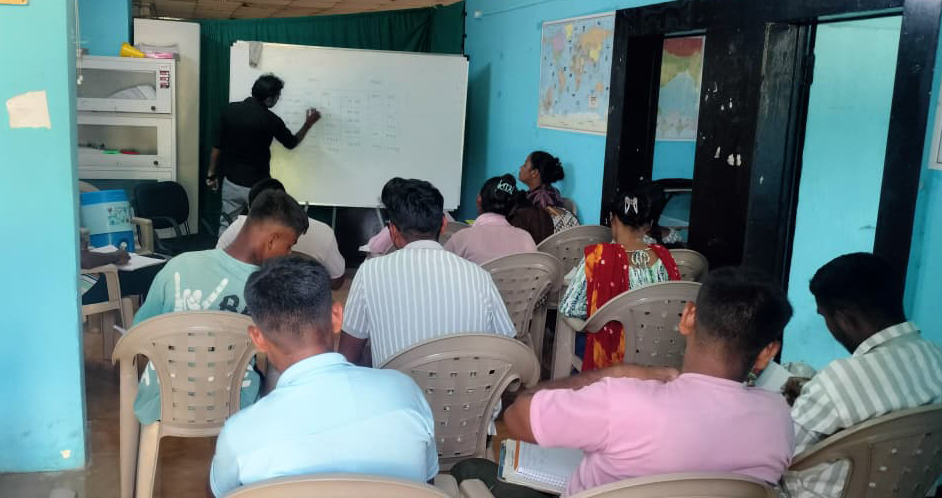
During FY2026, PARADH touched the lives of more than 2,300 beneficiaries across multiple interventions, spanning documentation, literacy, community workshops, youth development, exposure visits, civic advocacy and livelihood facilitation.
Twelve months on, as PARADH enters its next phase, its journey is still unfolding. The future roadmap envisages taking documentation services to the community’s doorstep, creating livelihood opportunities and strengthening community leadership, alongside state-level advocacy for a Pardhi Development Plan.
For a community that has spent generations at the margins, these are incremental steps towards a much larger goal: a future defined not by exclusion but by dignity, opportunity and self-reliance.
- Sharmistha Choudhury