May 2026 | 187 words / 13 slides | 2-minute read


What if we could connect a designer’s imagination directly to a weaver’s hands? Not to replace the artisan, but to stand beside them.” That’s the question Tata Consultancy Services (TCS) asked.
India’s handloom sector, the livelihood of millions of weaving families, is constrained by slow, uncertain, and highly manual design-to-weave cycles. Traditional handloom processes often require 3–12 weeks to finalise a design and 6–12 weeks for weaving, during which even minor errors or misinterpretations can lead to costly rework. While weaving, there is no real-time guidance or reference increasing risk of inconsistencies especially for intricate motifs.
“These inefficiencies,” TCS says, “lead to up to 40% product returns, financial strain for artisans, and an industry struggling to meet growing global fashion demand while preserving its authenticity.”
The TCS Intelligent Design Platform, which was one of the most talked about showcases at the India AI Impact Summit 2026, is changing that.
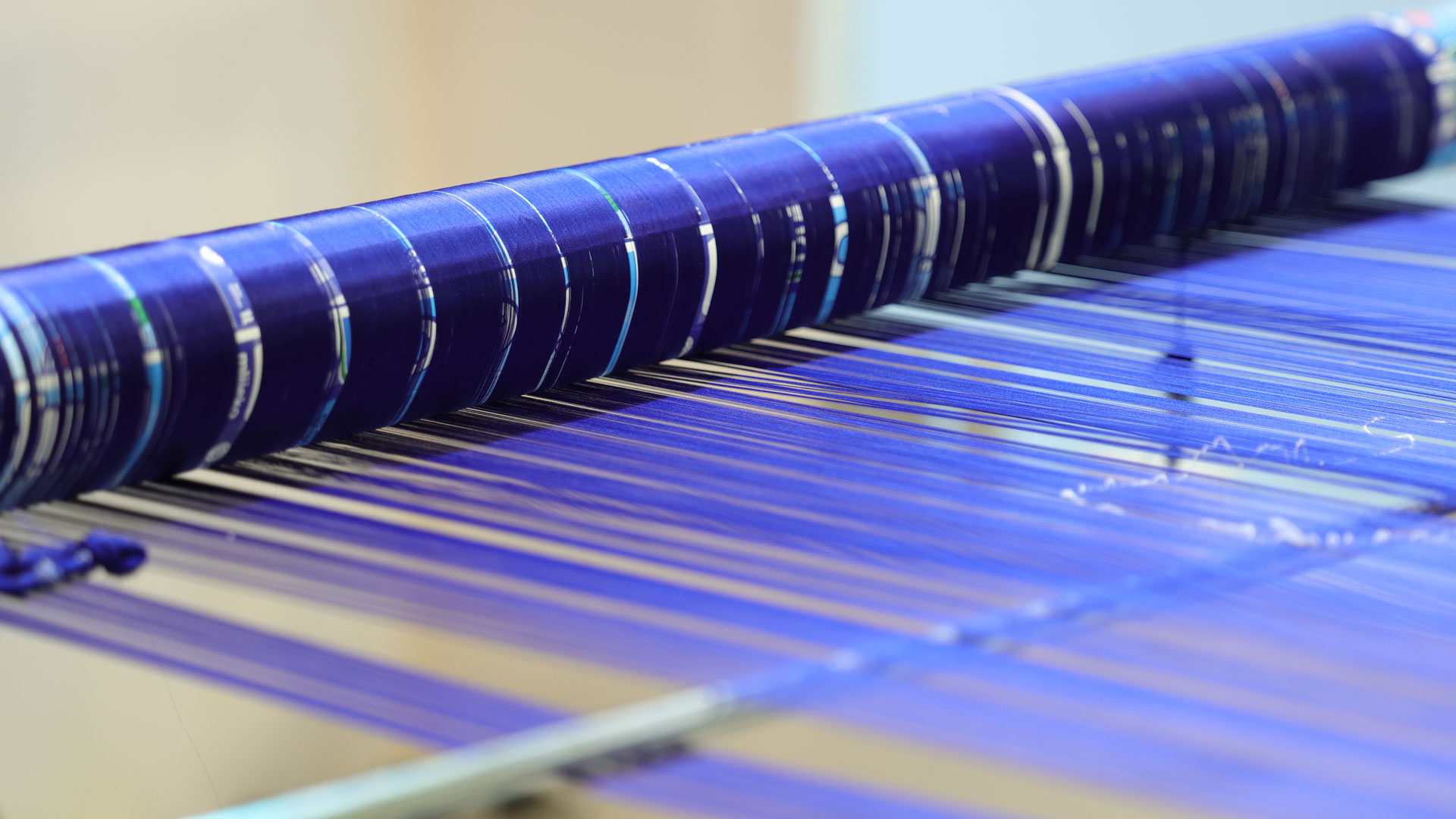
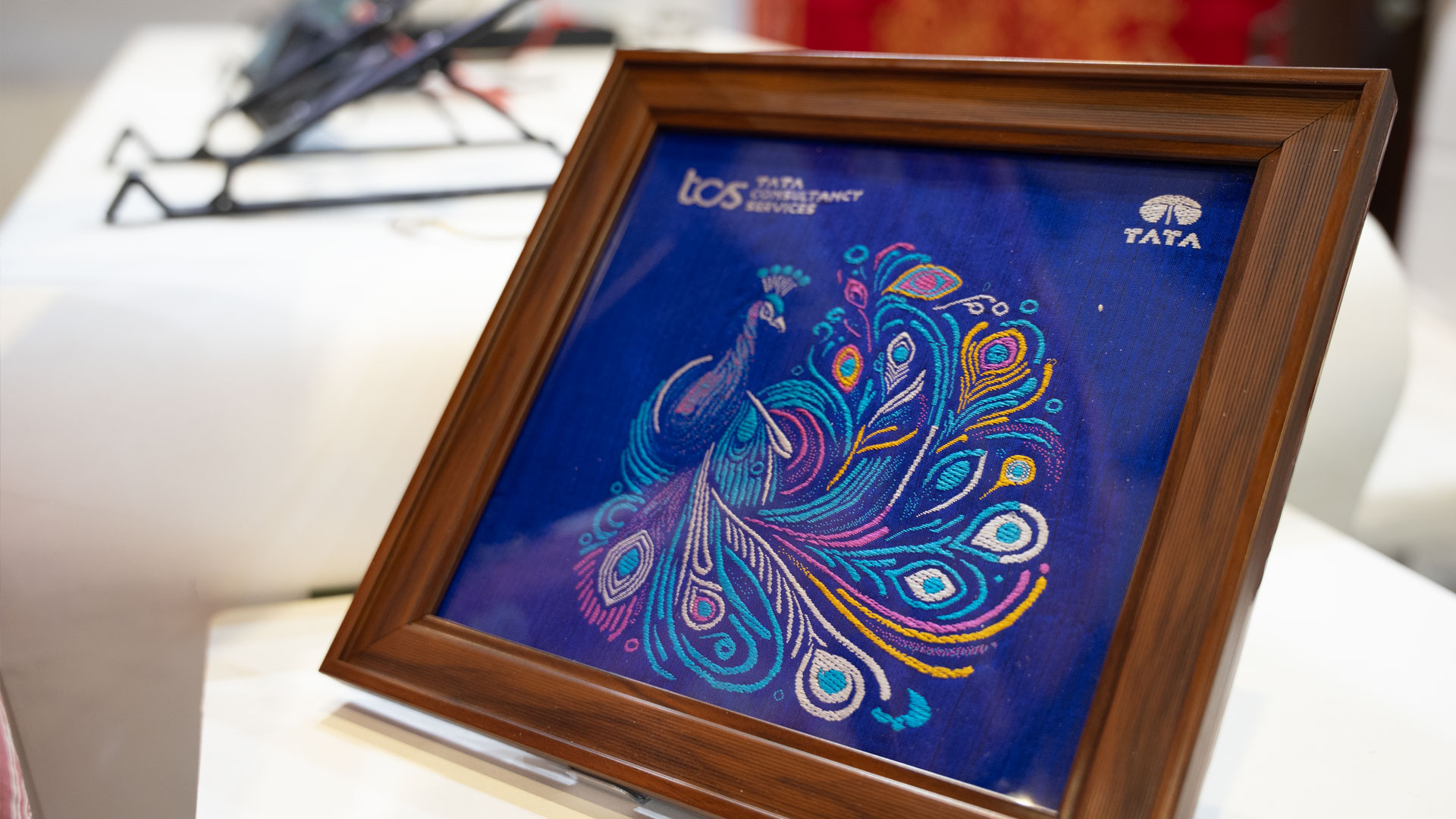
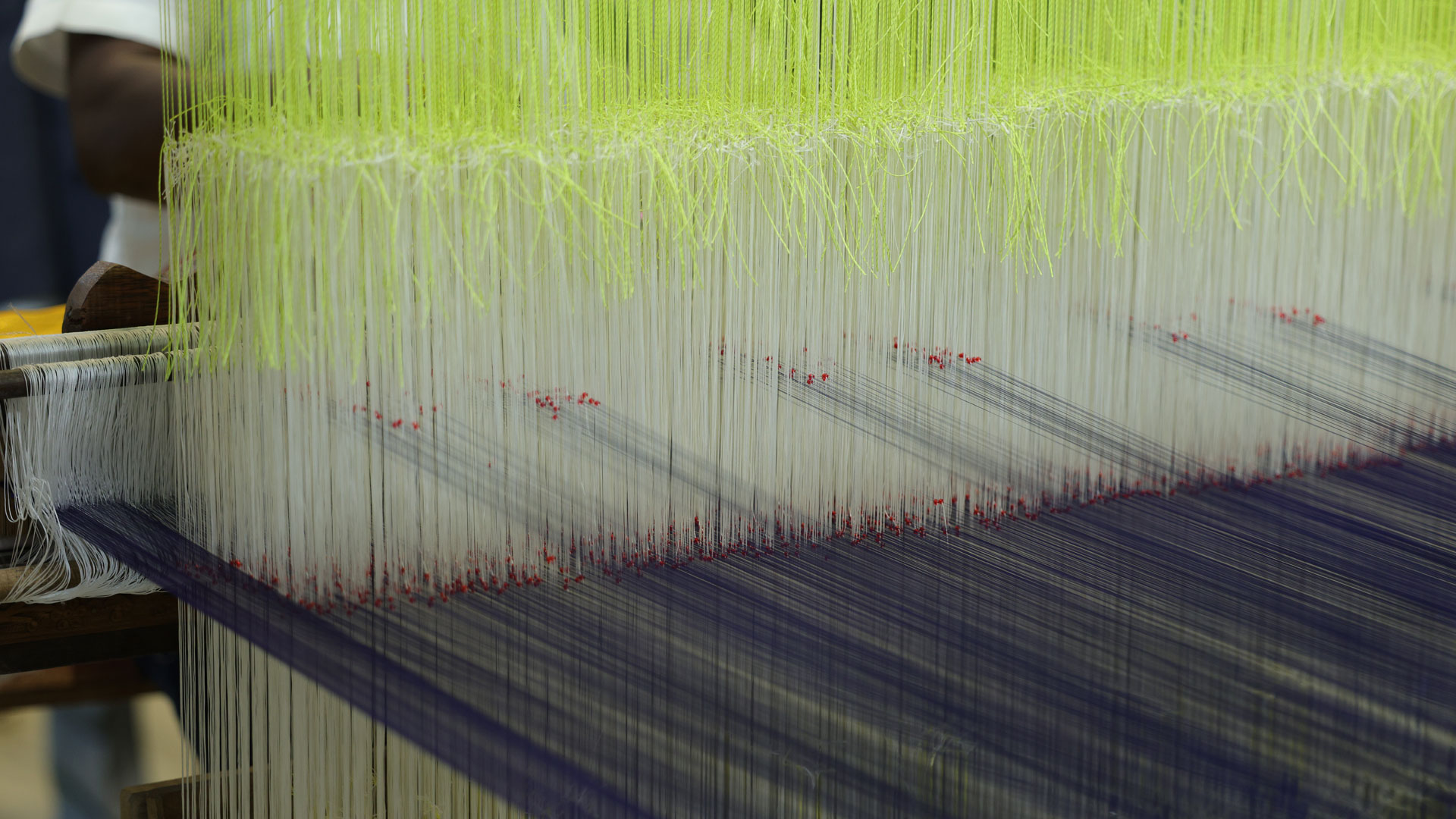
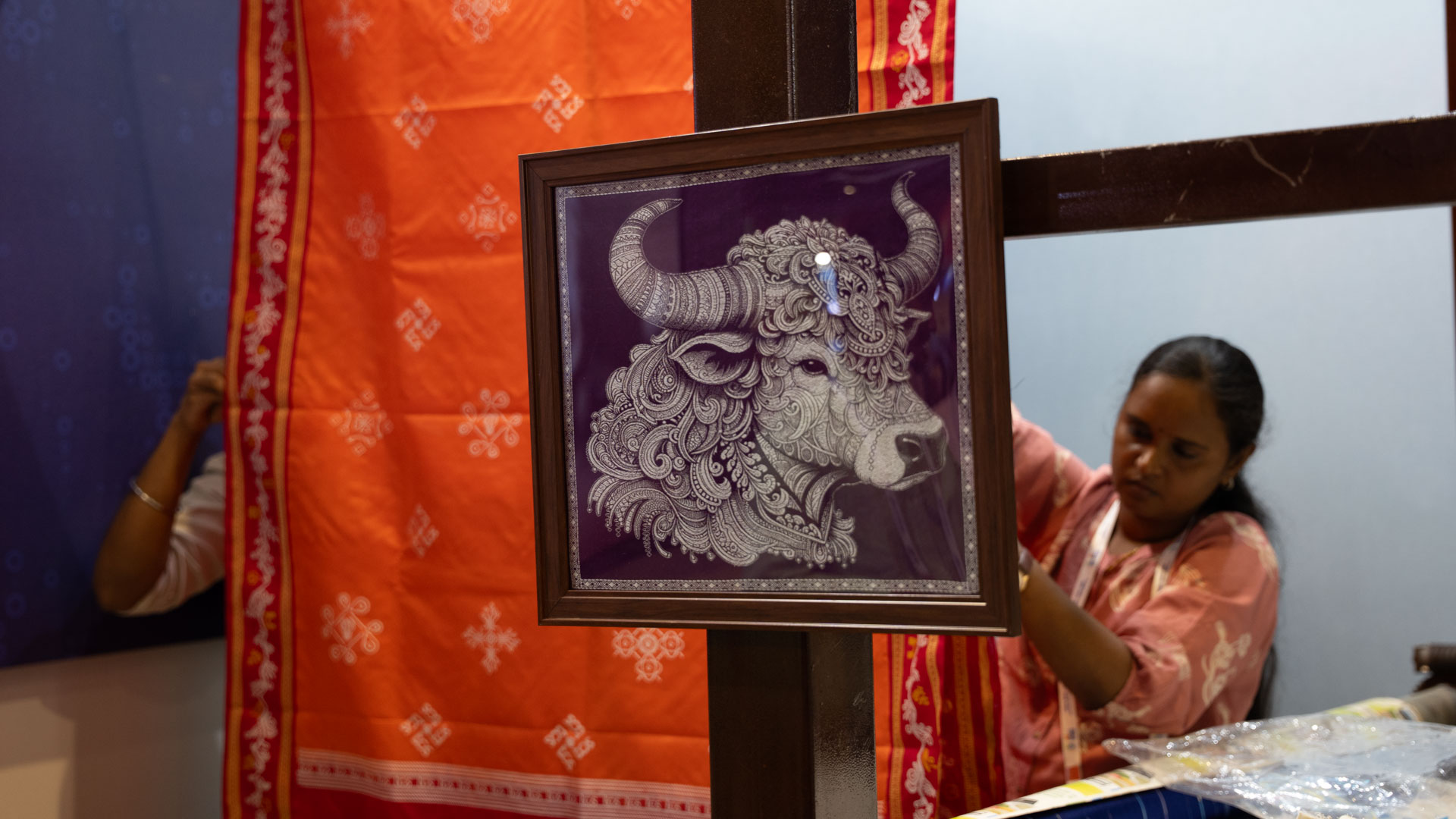
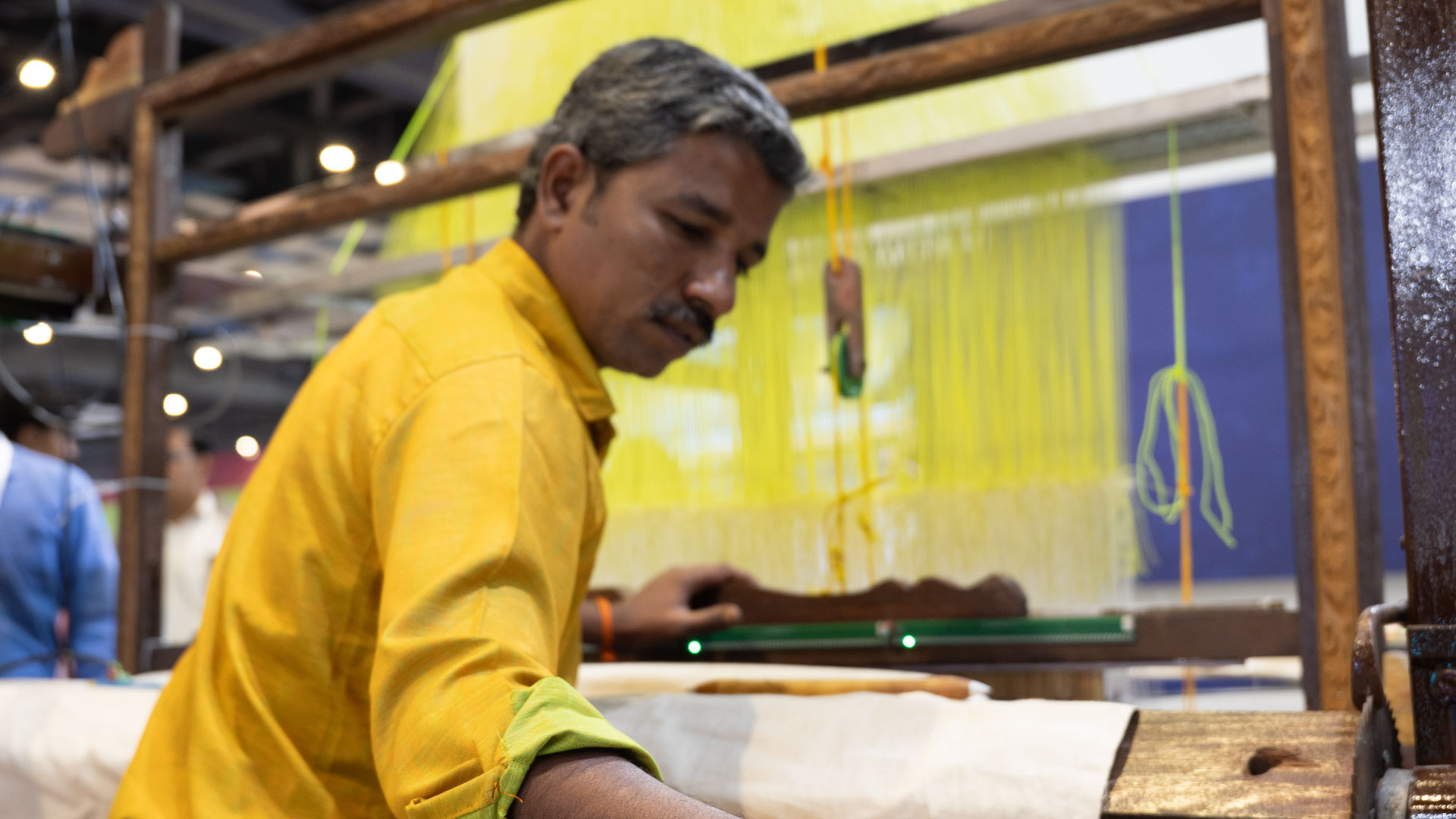
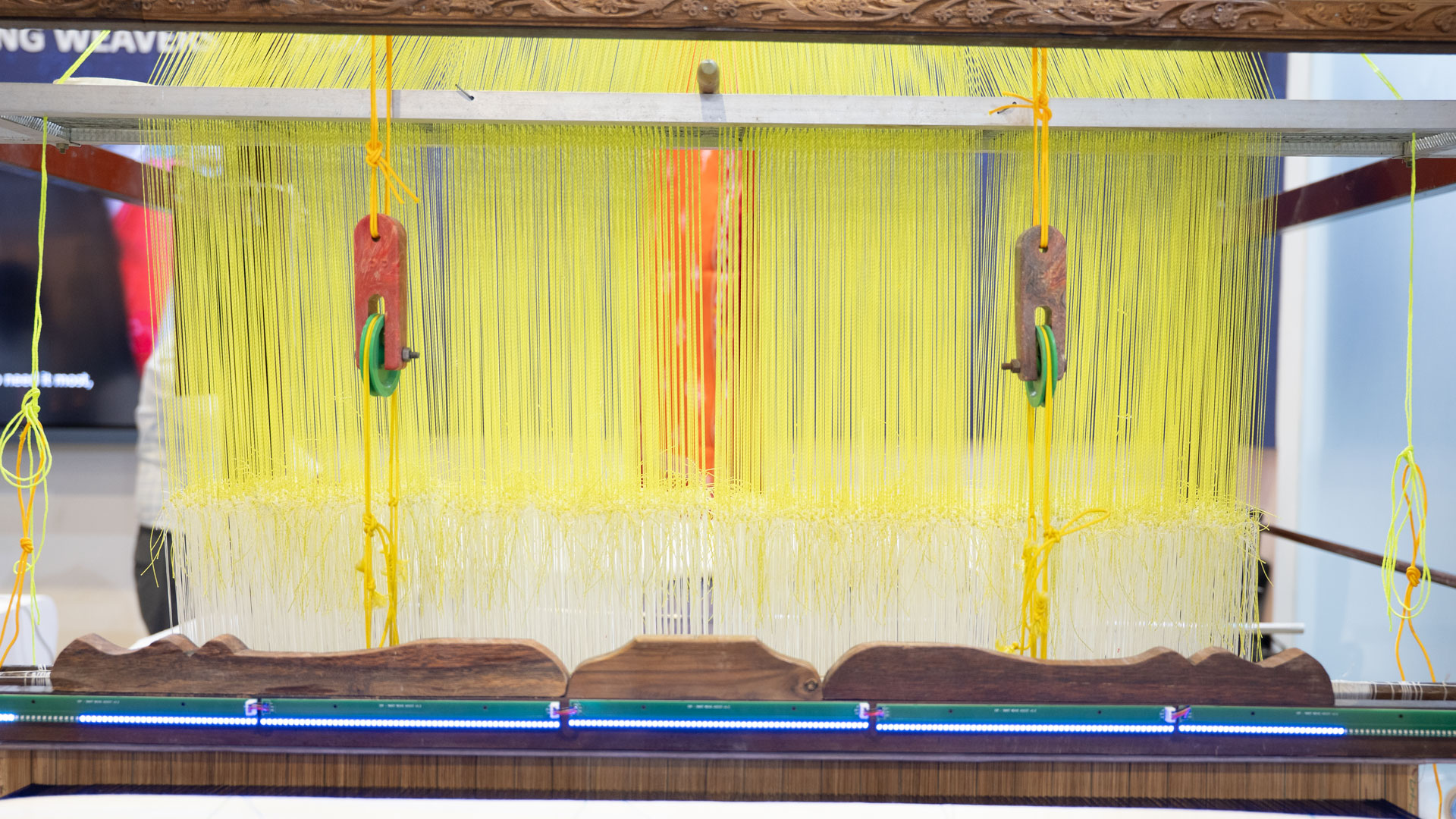
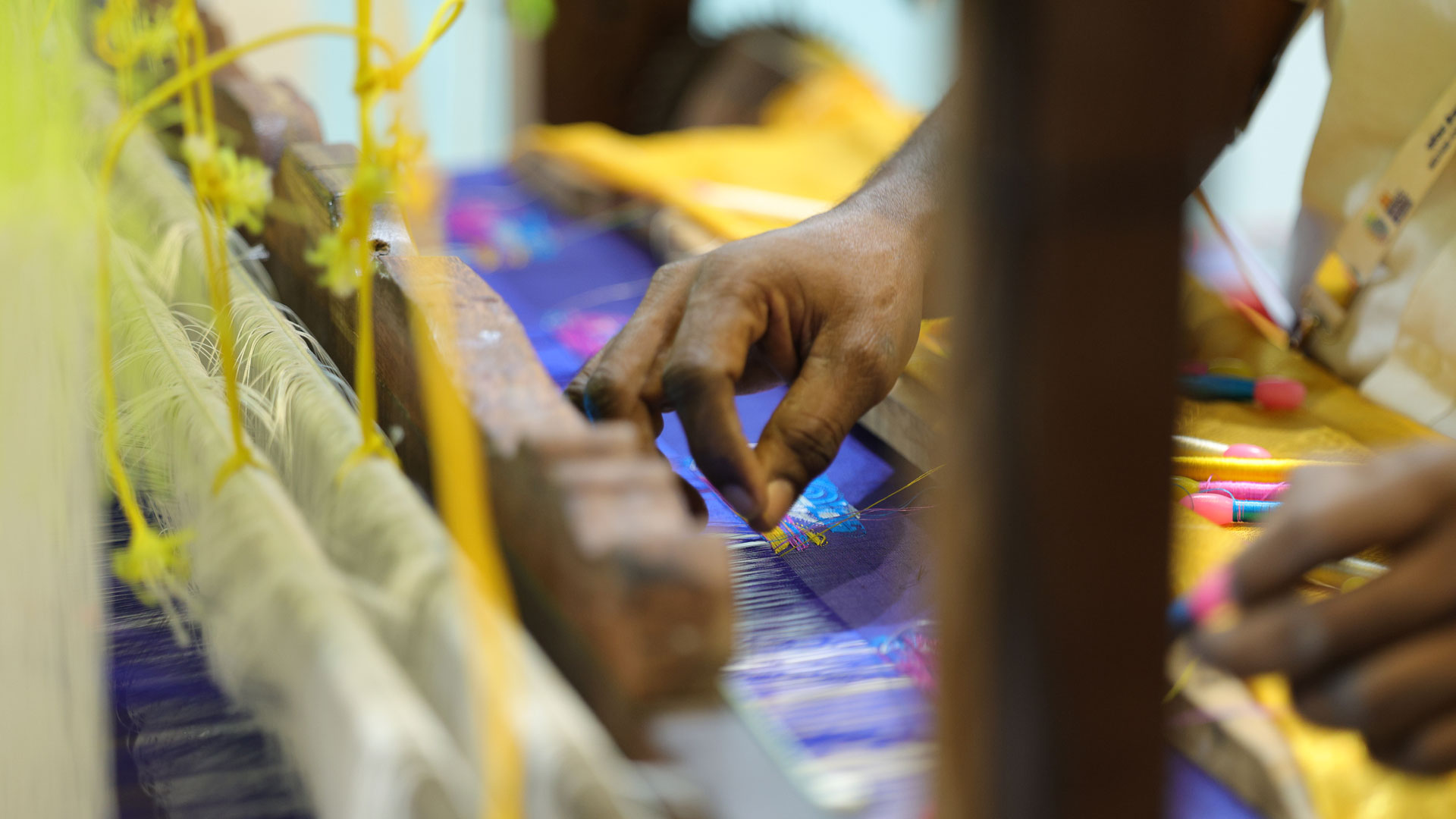
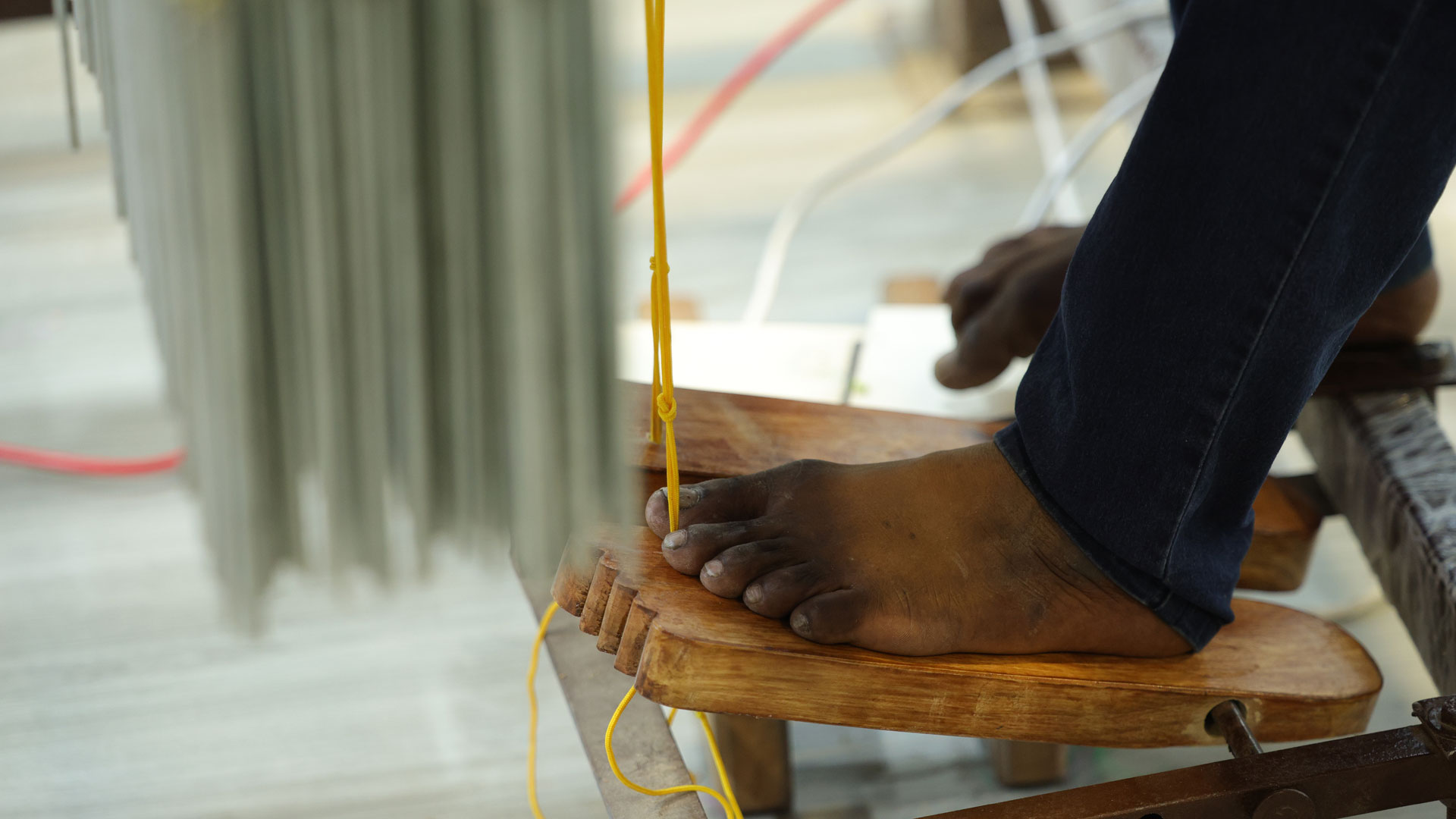
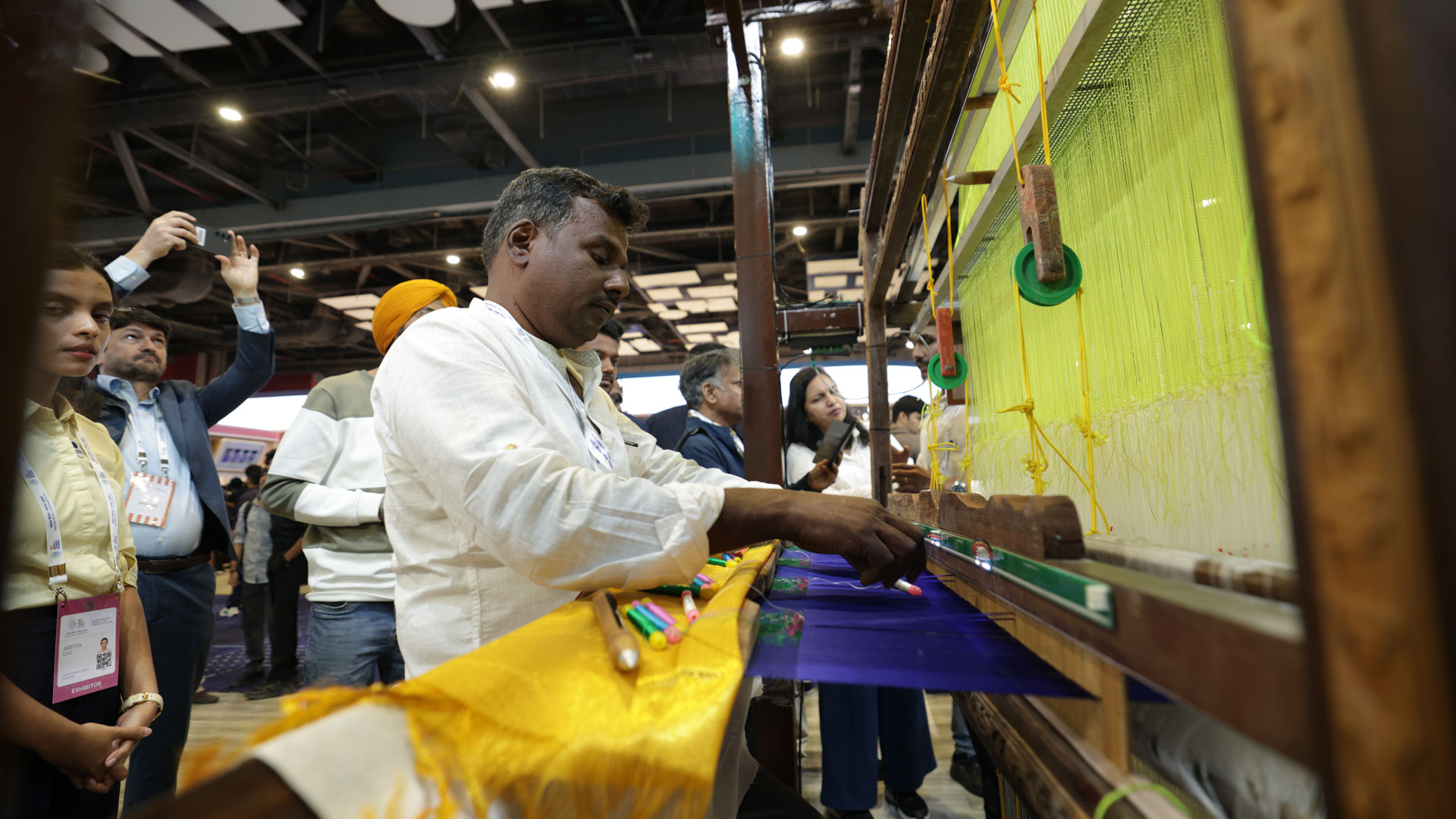
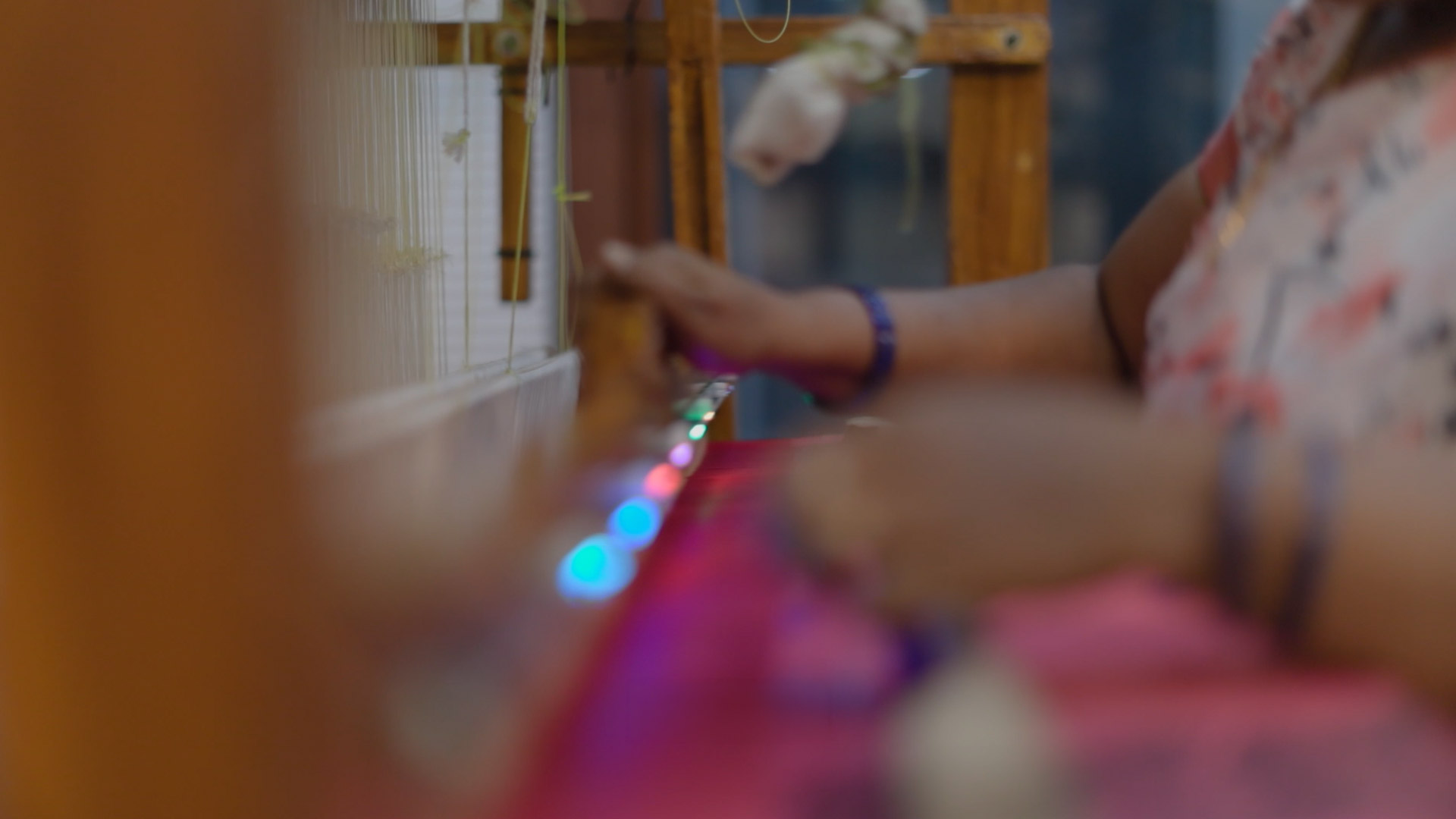
Scroll through the images below to decode the TCS Bridgital Loom that is leveraging AI to empower weavers — all the way from design to loom— to take up complex weaves, boost earnings, and improve their livelihoods.
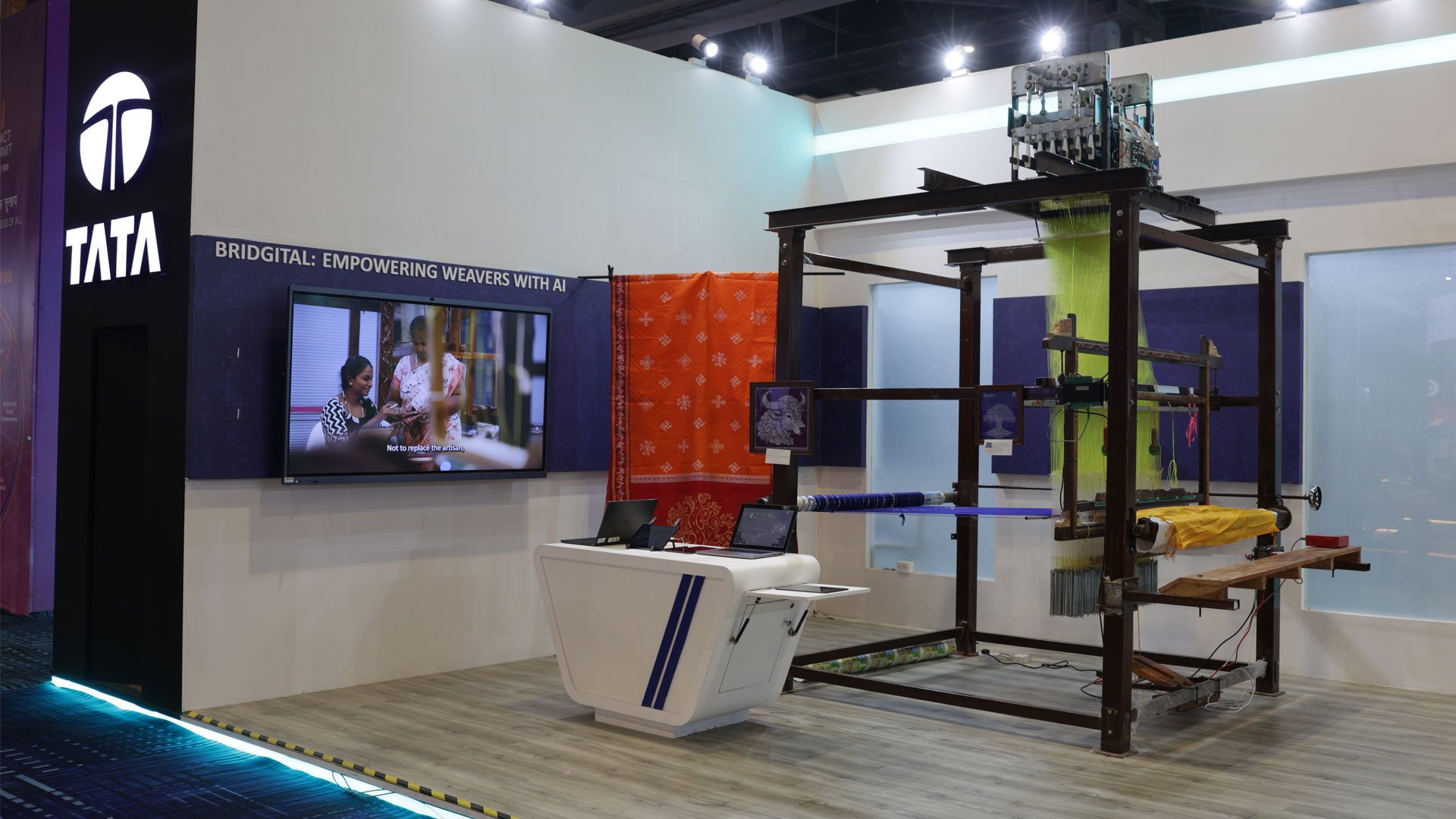

The TCS Bridgital Loom