July 2026 | 730 words | 2-minute read


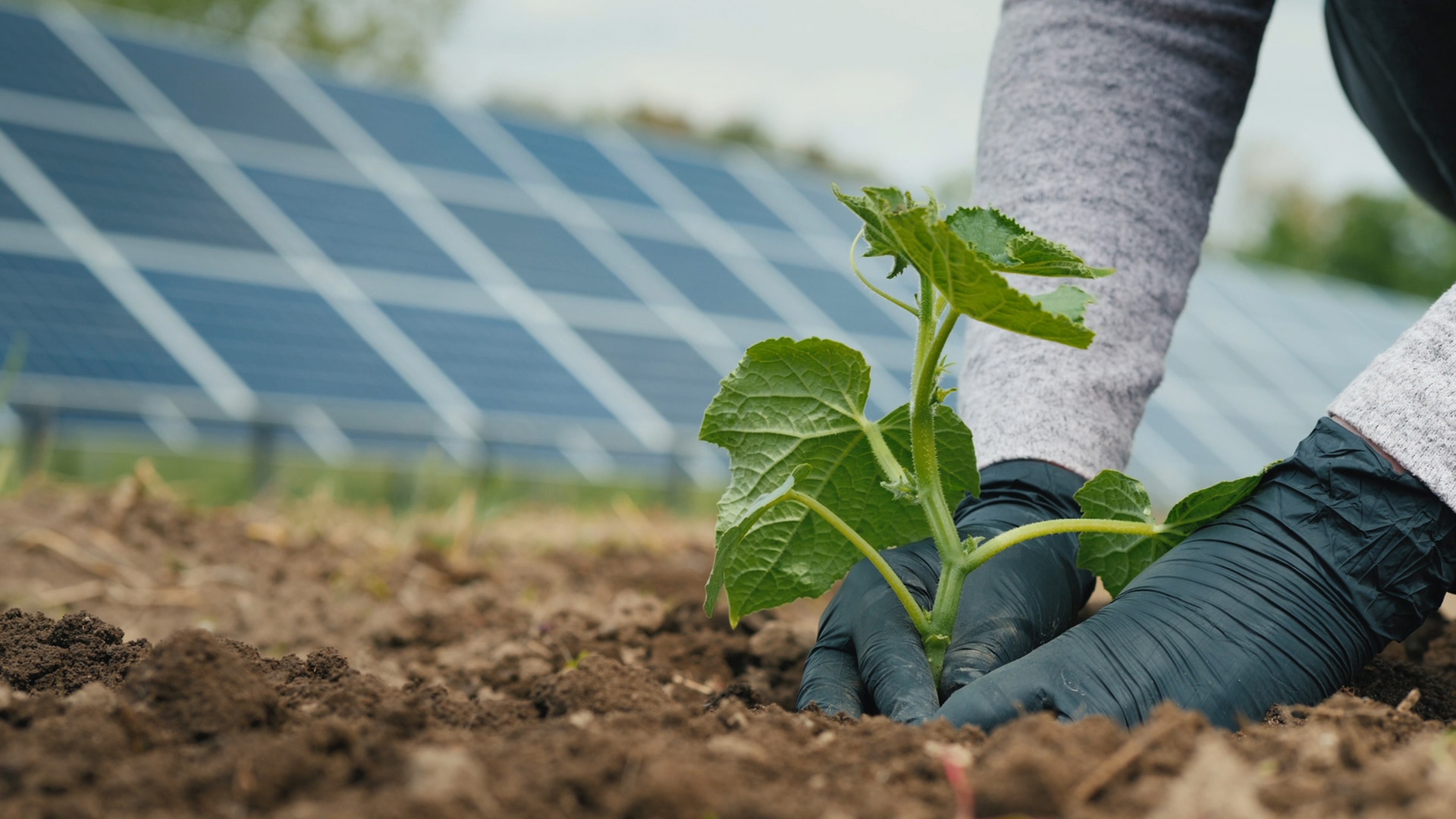
Let us, for a moment, suspend disbelief and imagine a talking farm. The soil could tell you when it was losing nutrients. The water could spill — pun unintended — where it was being wasted. Trees could signal when they were under stress. And rather than listening to each of these voices separately, you could hear them all as part of a seamless, connected conversation.
The TCS Digital Demo Farm offers precisely this integrated view of an agricultural ecosystem, bringing together disparate streams of information into a single, actionable framework.
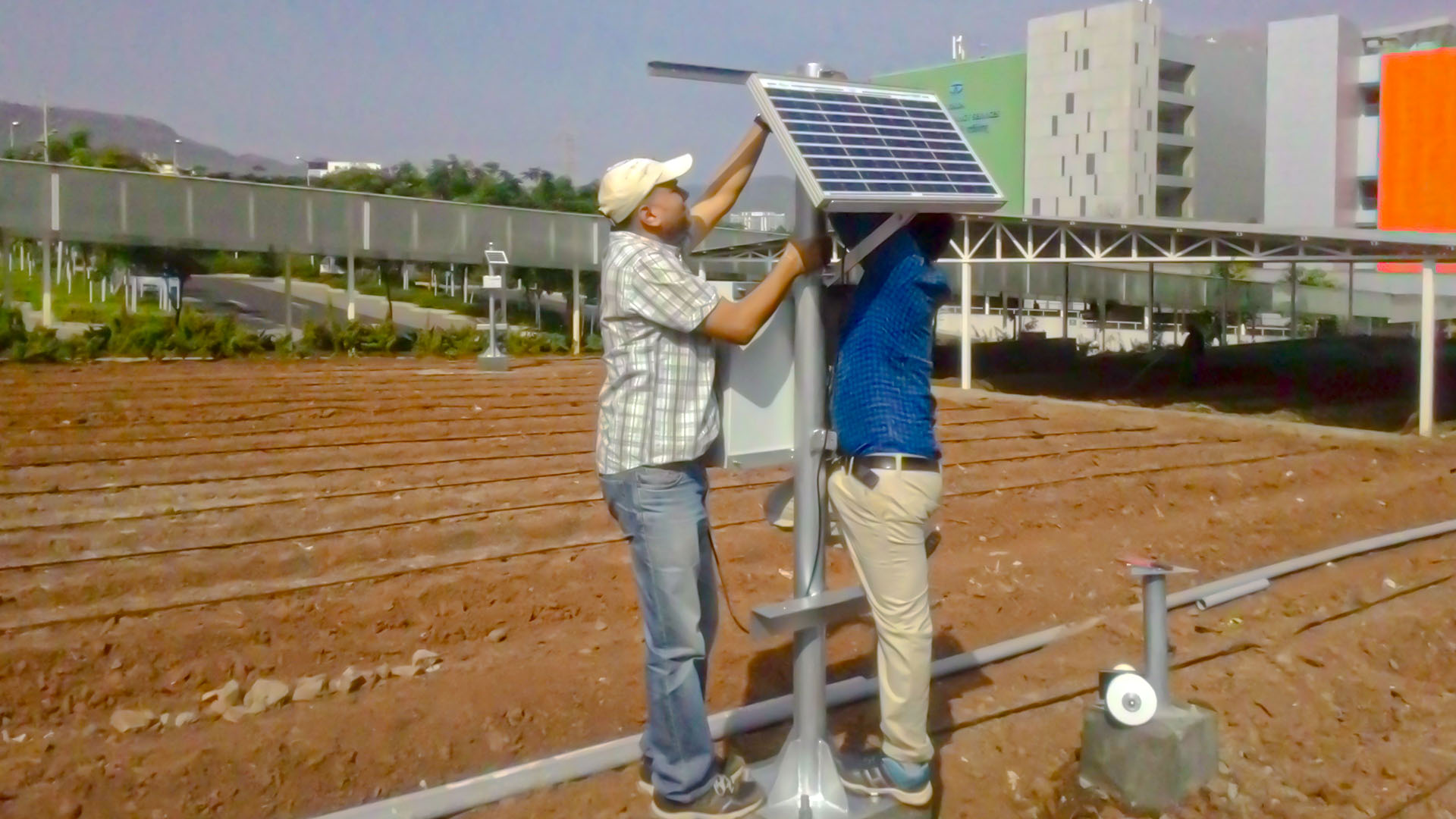
Developed under TCS' Digital Food Initiative (DFI), the farm in Pune is equipped with sensors that continuously monitor soil conditions, water availability and weather patterns. Drones and satellites provide a bird's-eye view, complemented by the perennially useful on-ground observations that technology alone cannot capture. All this information flows into a unified platform where analytics are translated into actionable insights.
A living laboratory
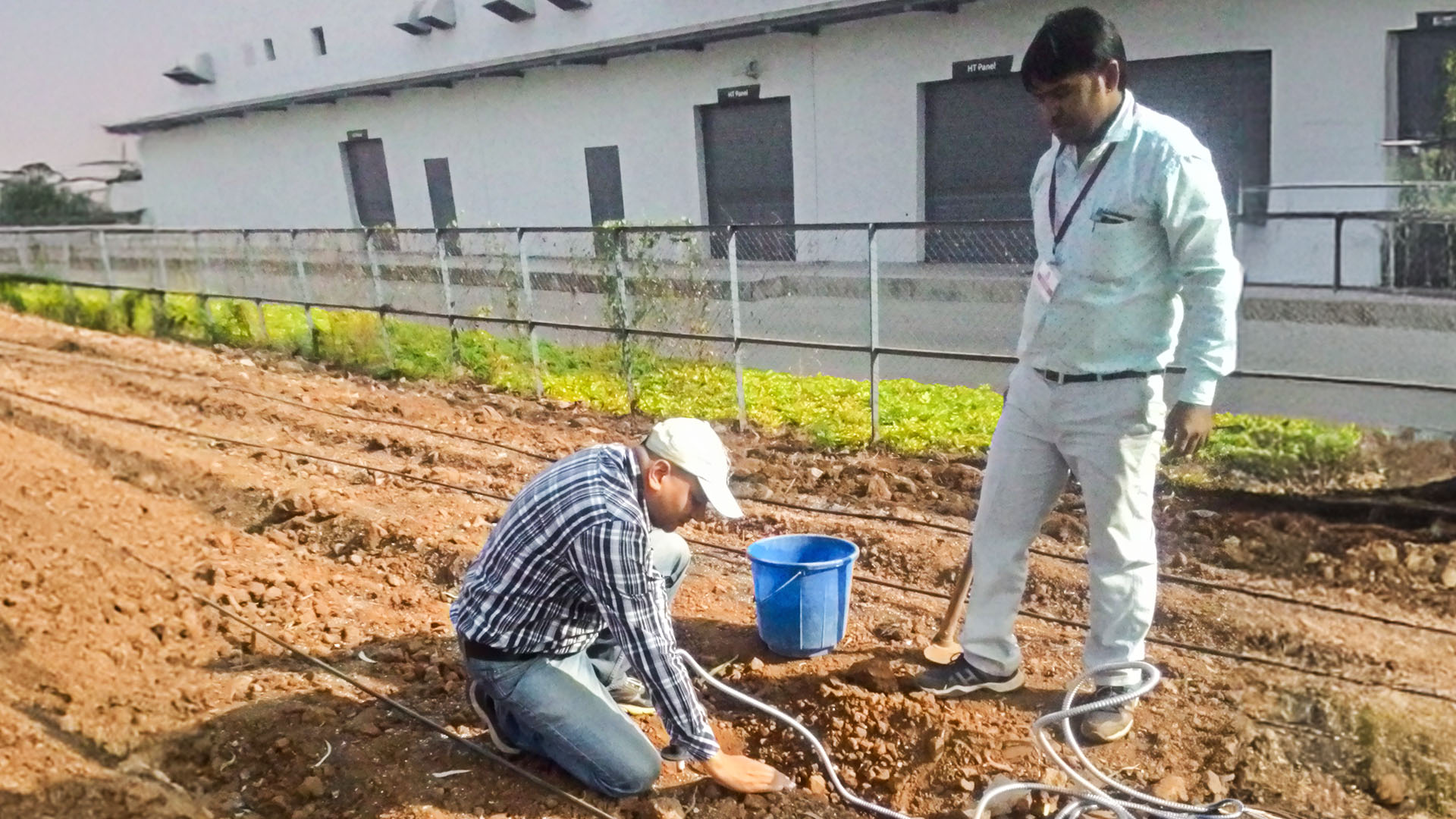
Established in 2016 under the TCS DFI, the Digital Demo Farm was conceived as a living laboratory for agricultural monitoring.
"The demo farm started as a small experiment," says Ajay Mittal, Technology Leader (Digital), TCS, who leads the initiative. "It was built on a simple belief that innovation creates value only when it works on the ground." A key strength of the initiative is the balance between traditional knowledge and modern technology. While digital tools bring precision and scale, traditional practices provide context and practical understanding. "All these data streams come together through a unified data pipeline, where analytics and models help us translate raw data into meaningful insights," explains Mr Mittal.
The output is presented in simple dashboards, making it easier to track, interpret and act on insights on a day-to-day basis. This is helping the team identify patterns that are often missed in siloed systems. By bringing together data, sustainability and domain expertise, the farm has turned into a real-world laboratory where solutions can be tested, refined and validated under actual field conditions before being scaled for wider deployment.
From insight to impact
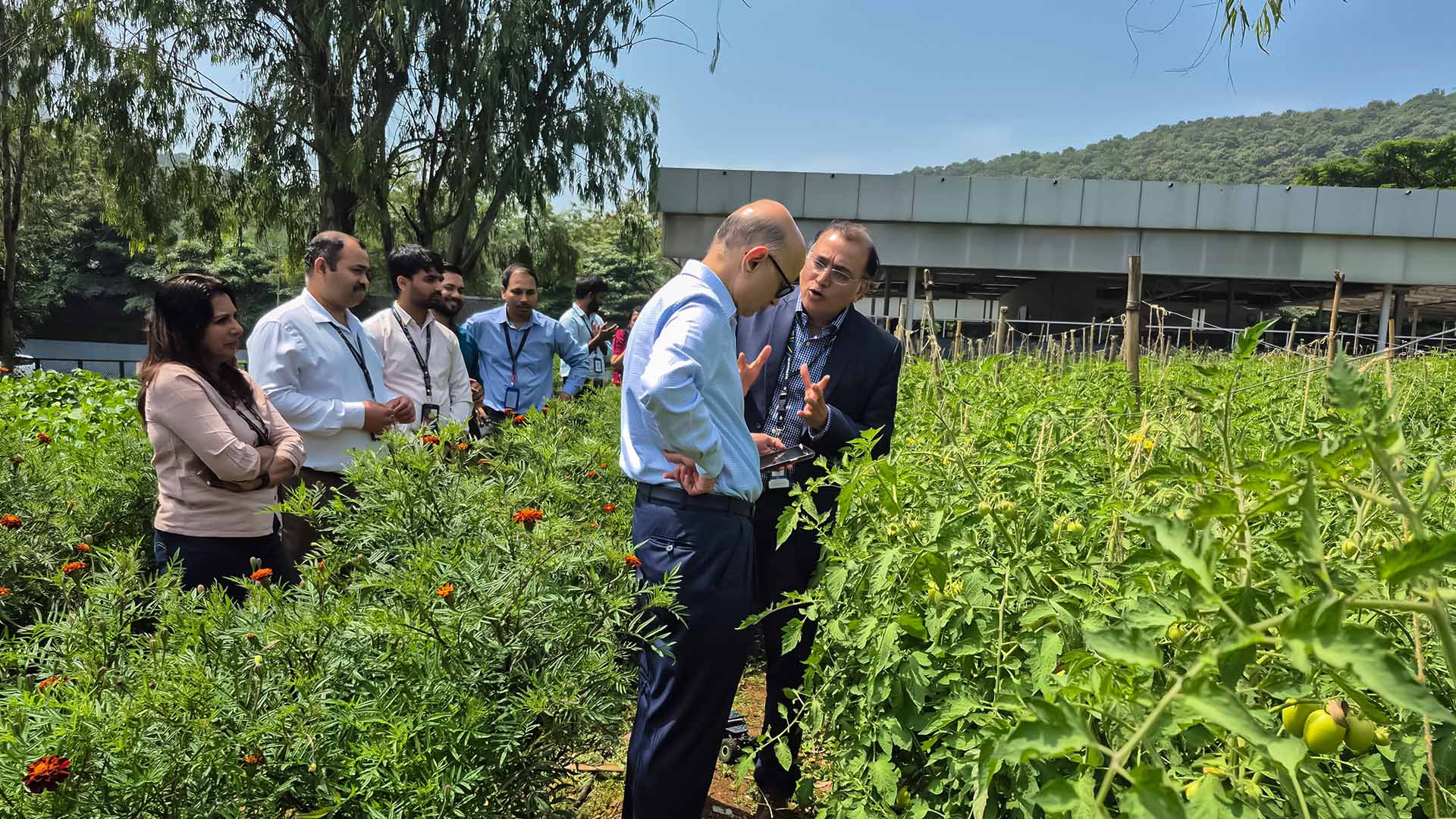
The team conducted a successful experiment in tomato cultivation using sustainable farming practices supported by digital monitoring and irrigation technologies. The produce was sent to an NGO that supports girls' education and welfare in Pune. "The objective was to explore how data-driven insights could improve resource efficiency while maintaining a strong focus on soil health and sustainable agriculture," says Mr Mittal.
Over the last decade, the Demo Farm has cultivated and evaluated a diverse range of crops, including soybean, sweet corn, chickpea, black gram, groundnut and maize, with crop selection driven by research priorities, sustainability objectives, technology validation needs, and business requirements.
Beyond the harvest, the initiative generated valuable field data that TCS believes can support future research, model development and digital agriculture solutions.
A replicable model
Initiatives such as this are the need of the hour, says Mr Mittal.
"Agriculture and ecological monitoring today face a fundamental challenge. Data is often fragmented across soil, weather, water and biodiversity systems, with limited integration between them. This makes it difficult to gain a complete picture and make timely decisions. Without a unified view, even well-designed solutions struggle to scale,” he says.
Beyond research and validation, the Demo Farm serves as a hub for engagement and collaboration. It enables enterprises, researchers and ecosystem partners to experience solutions in a real-world environment. "It is valuable to agriculture stakeholders and research communities because it offers a space to test ideas, validate use cases and develop solutions that can be adapted to broader contexts."
The DFI-DNA platform, an open-centred data model, provides a flexible architecture that allows solutions developed at the Demo Farm to be adapted across different farms, campuses and operational environments, helping bridge the gap between pilot projects and large-scale implementation. "We are also experimenting with composting and the use of organic inputs to improve soil health,” says Mr Mittal.
Looking ahead, TCS plans to expand into areas such as biodiversity intelligence and ESG-related applications while deepening integration across multiple data sources.
"We will continue to actively engage with academic partners to ensure that the solutions we develop are in step with real-world challenges and opportunities," says Mr Mittal.
— Anju Maskeri