April 2026 | 905 words | 4-minute read, 6 slides


When the one millionth vehicle rolled off the assembly line at Tata Motors Ltd’s Lucknow facility last week, it was perhaps fitting that the milestone vehicle was a zero-emission electric bus.
The factory has played a notable role in the bus segment during its over 30-year journey — with buses accounting for ~25% of total production — but more significantly, the vehicle underscores Tata Motors’ leadership in shaping the future of mobility and its commitment to its 2045 net-zero target — one that is deeply aligned with Uttar Pradesh’s 2070 net-zero vision.
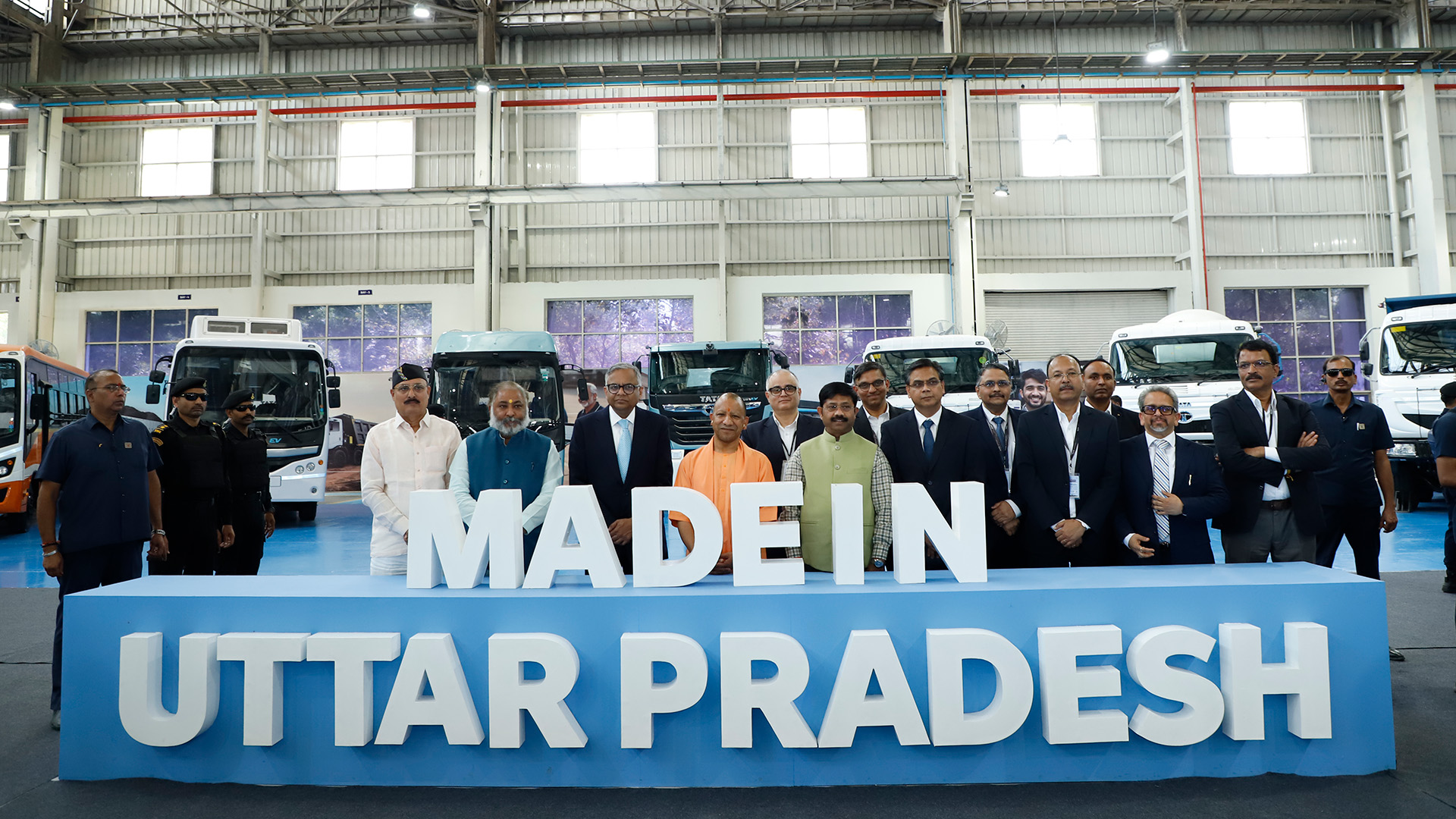
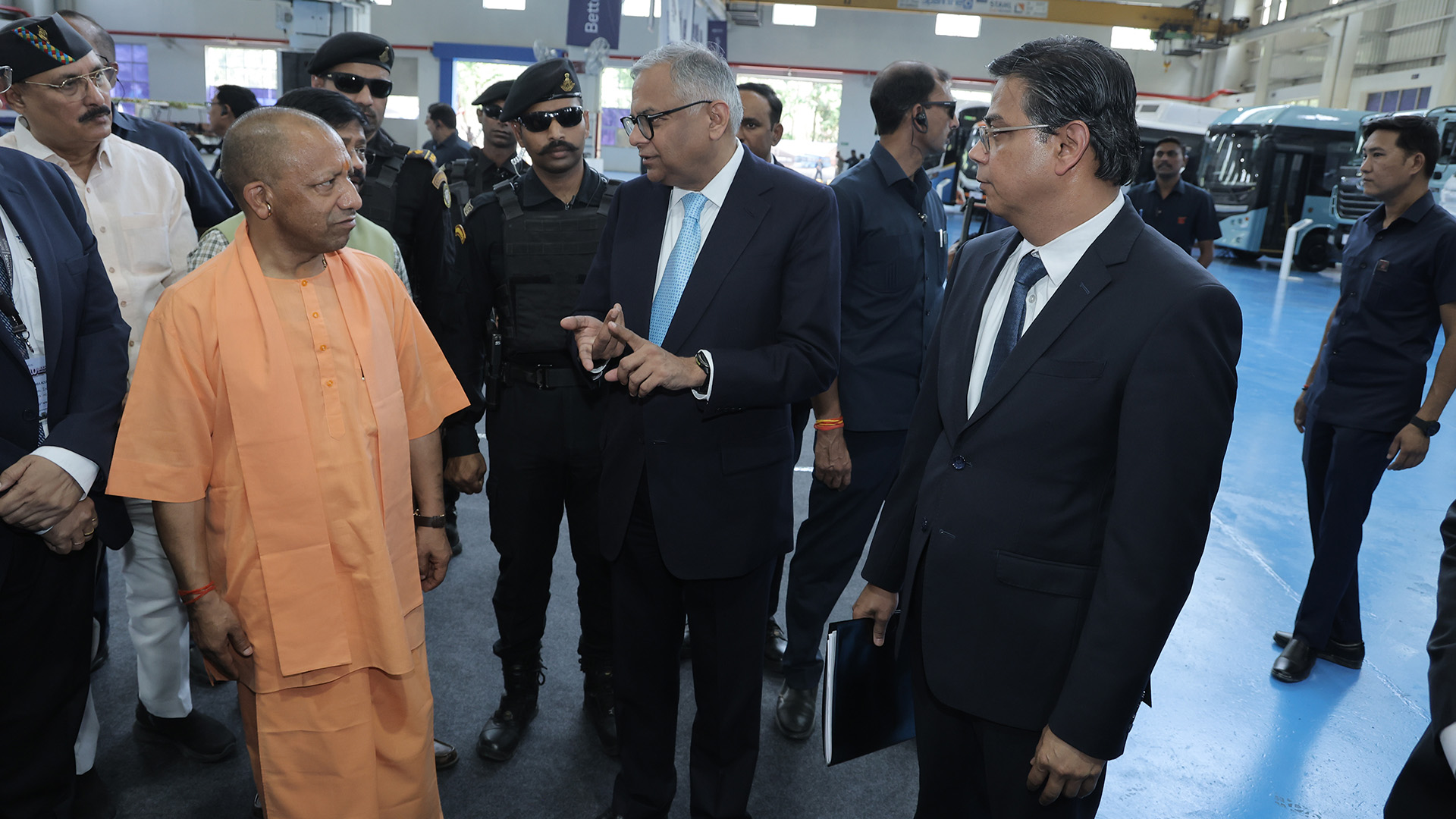
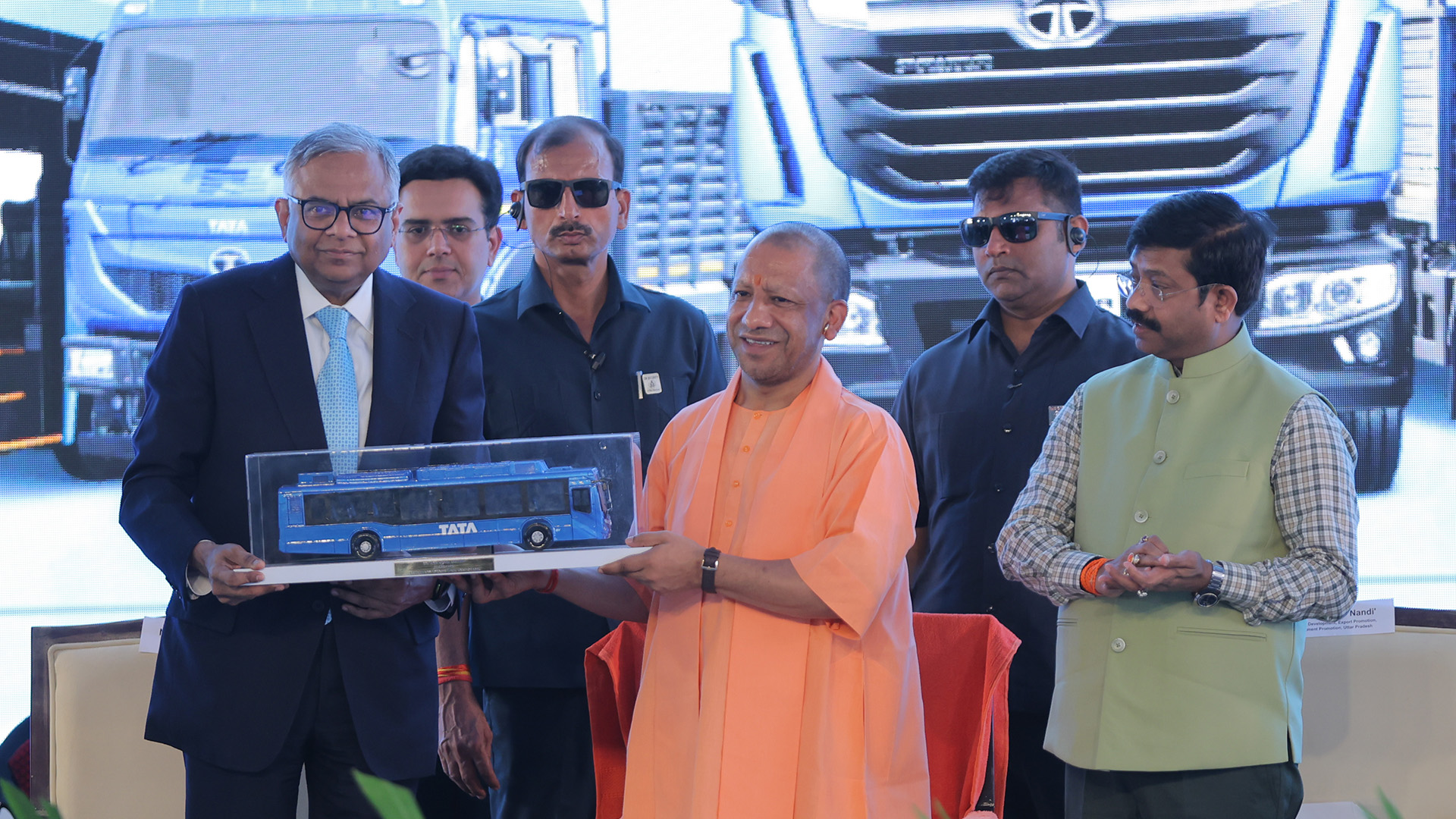
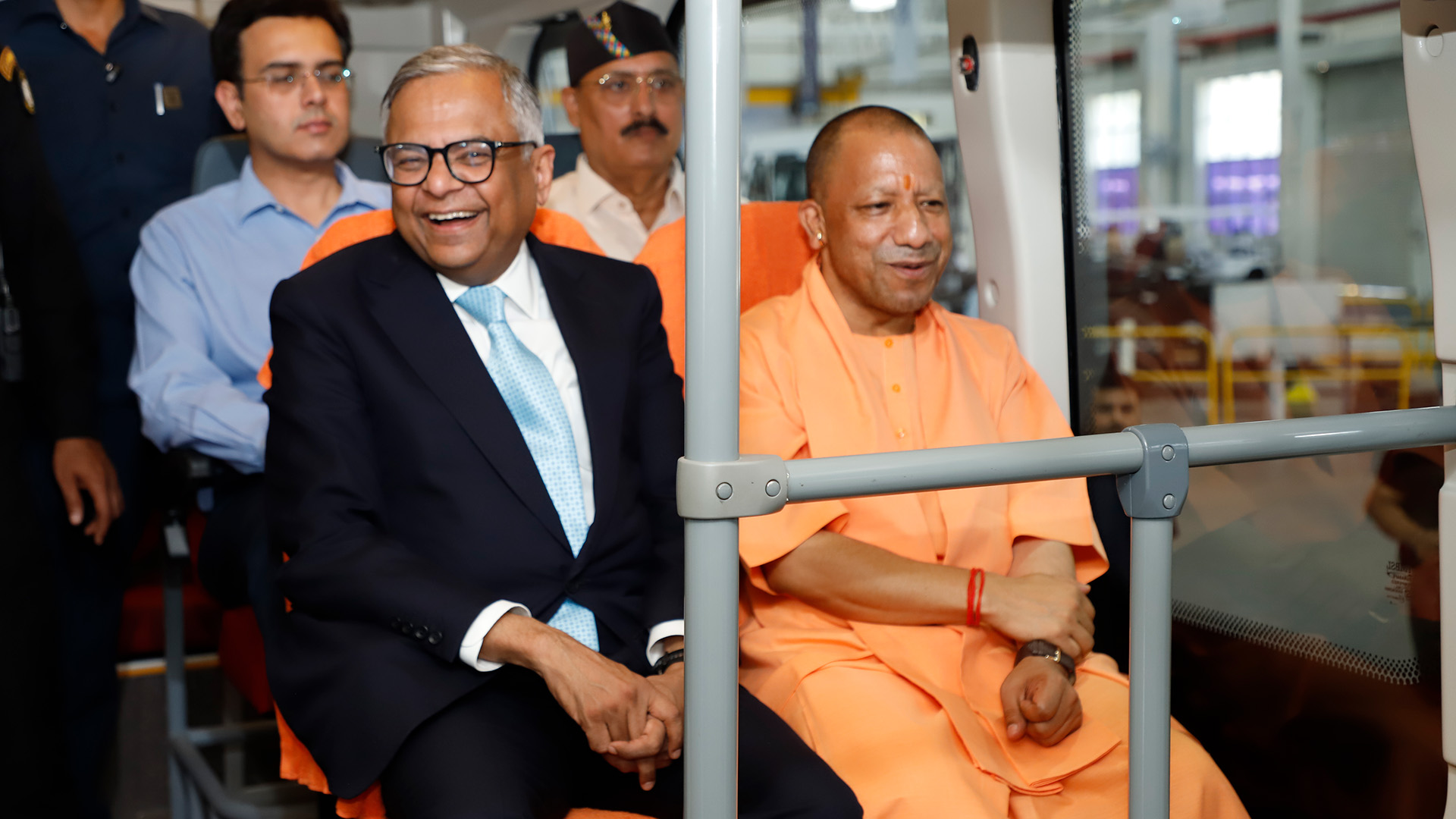
The defining milestone also commemorated the three-and-a-half-decade-long presence of India’s largest commercial vehicle manufacturer in Uttar Pradesh, where it has contributed to industrial excellence, economic growth, skill development and sustained livelihood creation. It was flagged off by Yogi Adityanath, the Hon’ble Chief Minister of Uttar Pradesh and N Chandrasekaran, Chairman, Tata Sons, in the presence of Brajesh Pathak, the Hon’ble Deputy Chief Minister, Girish Wagh, Managing Director and Chief Executive Officer, Tata Motors Ltd, and eminent Ministers, public representatives, senior bureaucrats, government officials and senior leaders from Tata Motors.
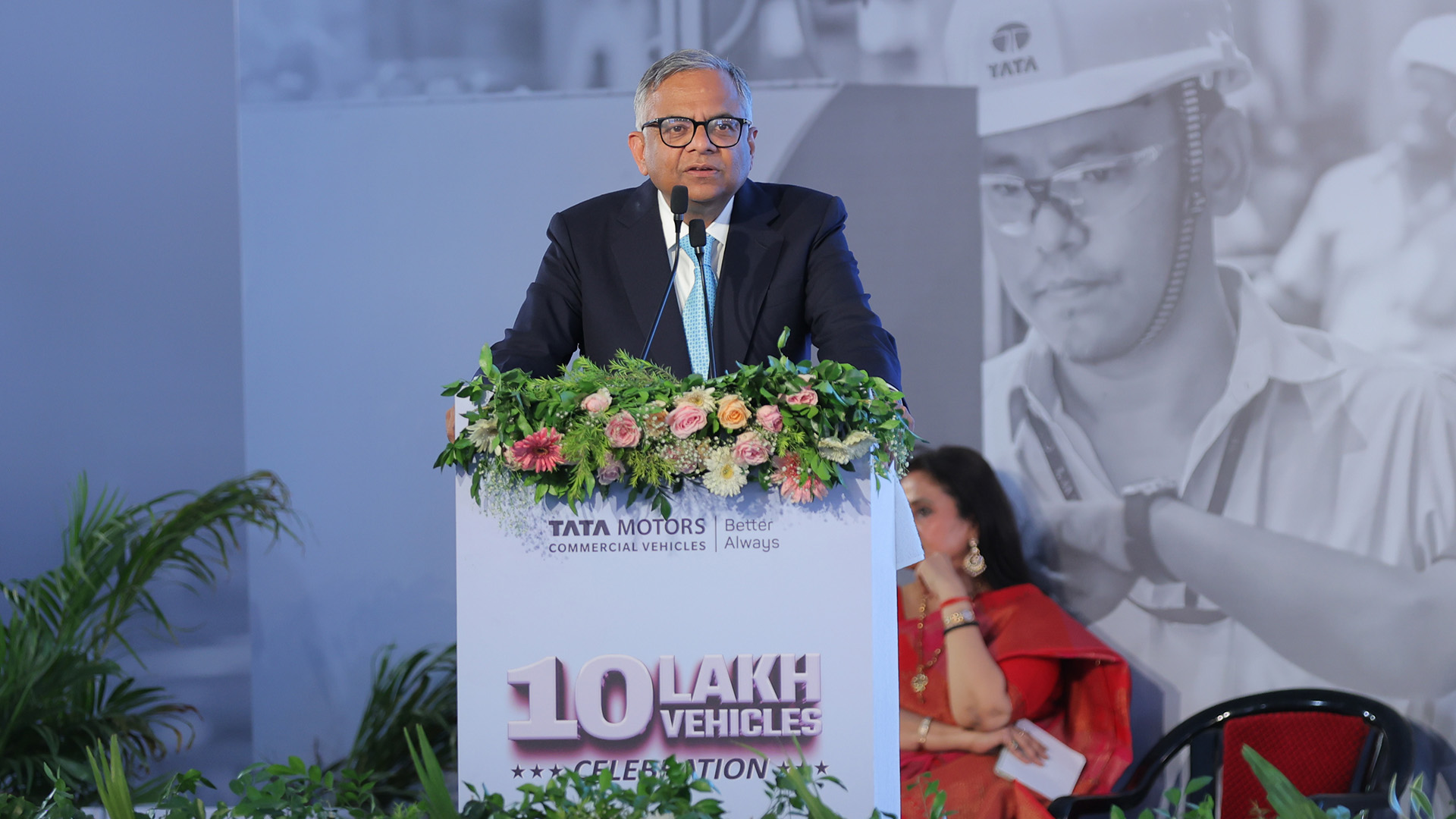
“The production of Tata Motors’ 10th lakh commercial vehicle from its Lucknow facility reflects the strength of our longstanding partnership with Uttar Pradesh,” said Mr Chandrasekaran at the event. “Over more than three decades, this collaboration has demonstrated how industry, government and communities can come together to drive industrial excellence, create livelihoods and build capabilities at scale.”
At the heart of the hub
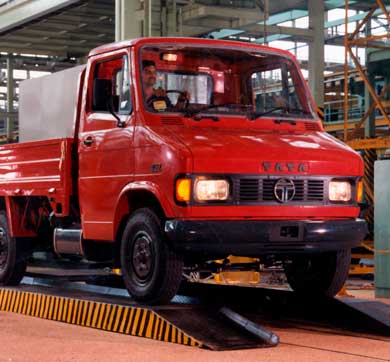
Established in 1992, Tata Motors’ Lucknow facility has evolved into one of its most significant commercial vehicle manufacturing hubs, producing trucks and buses that meet global standards across multiple powertrains, including zero-emission electric and fuel-cell electric vehicles.
Driving this trajectory is the company’s ingrained commitment to inclusive growth, sustainability and responsible industrialisation. Spread over ~600 acres, the plant combines manufacturing scale with a strong focus on people and sustainability, supporting over 8,000 livelihoods, building industry-relevant skills through flagship training programmes, and operating as a water-positive facility, powered by 100% renewable energy. The facility also supports a robust supplier ecosystem, enabling MSMEs and ancillary industries across Uttar Pradesh and beyond.
The company’s success reflects the supportive ecosystem in the state, highlighted by Yogi Adityanath at the event. He added, “The rollout of 10 lakh trucks and buses from Tata Motors’ Lucknow facility is a moment of pride for the entire state. It is a recognition of the state’s capabilities and immense potential, as well as of its talented people. Our vision is to transform Uttar Pradesh into a one-trillion-dollar economy, with industry and entrepreneurs playing a pivotal role in this journey. The state offers a conducive ecosystem for scalable businesses, supported by a vast consumer market, a young, skilled workforce, and seamless connectivity…[Tata Motors’ success) reinforces our commitment to fostering responsible industrial growth, creating jobs, building skills and advancing sustainable socioeconomic development.”
Empowering people
At the heart of Tata Motors’ Lucknow facility lies a deep commitment to people, opportunity, and inclusive growth. The plant reflects the company’s belief that progress is most meaningful when it is shared — through sustained investment in skilling, equitable workplaces, and long-term community development.
The facility enables over 8,000 employment opportunities, strengthening the regional economy while supporting families and communities across Uttar Pradesh. Tata Motors’ continued presence in the state has played a meaningful role in nurturing livelihoods and reinforcing Uttar Pradesh’s emergence as a reliable, future-ready destination for largescale manufacturing.
“Over more than three decades, this collaboration has demonstrated how industry, government and communities can come together to drive industrial excellence, create livelihoods and build capabilities at scale.” — N Chandrasekaran
Women constitute a significant portion of the entire workforce, and the plant has also created employment opportunities for people with disabilities from across the state — measures that reflect Tata Motors’ sustained efforts towards achieving equity, dignity, and equal opportunity.
Moreover, the facility serves as a cornerstone for a robust skilling and training ecosystem in the region, with its flagship Earn and Learn programmes such as Kaushalya, Lakshya and Saksham. Through its novel Dual System of Training and large-scale apprenticeship initiatives, Tata Motors has been working closely with local communities to build pathways to meaningful employment.
Setting sustainability standards
Tata Motors’ Lucknow plant is focused on environmental stewardship, exemplifying modern, responsible manufacturing, thus bringing together scale, sustainability and advanced technology.
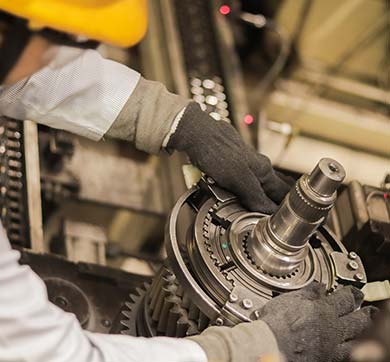
The plant is CII-certified water positive and is operating with 100% renewable electricity, significantly lowering the facility’s carbon footprint. Advanced Digital & Industry 4.0 technologies — including automation and robotics in critical manufacturing operations and AI-enabled platforms — ensure high standards of safety, efficiency, quality, and resource optimisation.
Ready to scale
The manufacturing facility in Lucknow is one of Tata Motors’ most technologically advanced production hubs, manufacturing a comprehensive range of cargo and passenger commercial vehicles.
Designed for flexibility and scale, the facility has an annual production capacity of over one lakh vehicles and is a centre of manufacturing excellence, underpinned by rigorous standards of quality, safety and operational efficiency. Vehicles produced at Lucknow support commercial mobility needs across India and are also exported to international markets, reinforcing the facility’s role in delivering world-class products to customers globally.
These multiple capabilities position the Lucknow plant as a model for future-ready manufacturing that delivers excellence while remaining deeply conscious of its environmental and social responsibilities. As Tata Motors advances its net-zero journey, the Lucknow plant will continue to play a pivotal role in shaping a cleaner, smarter and more sustainable mobility future for India.
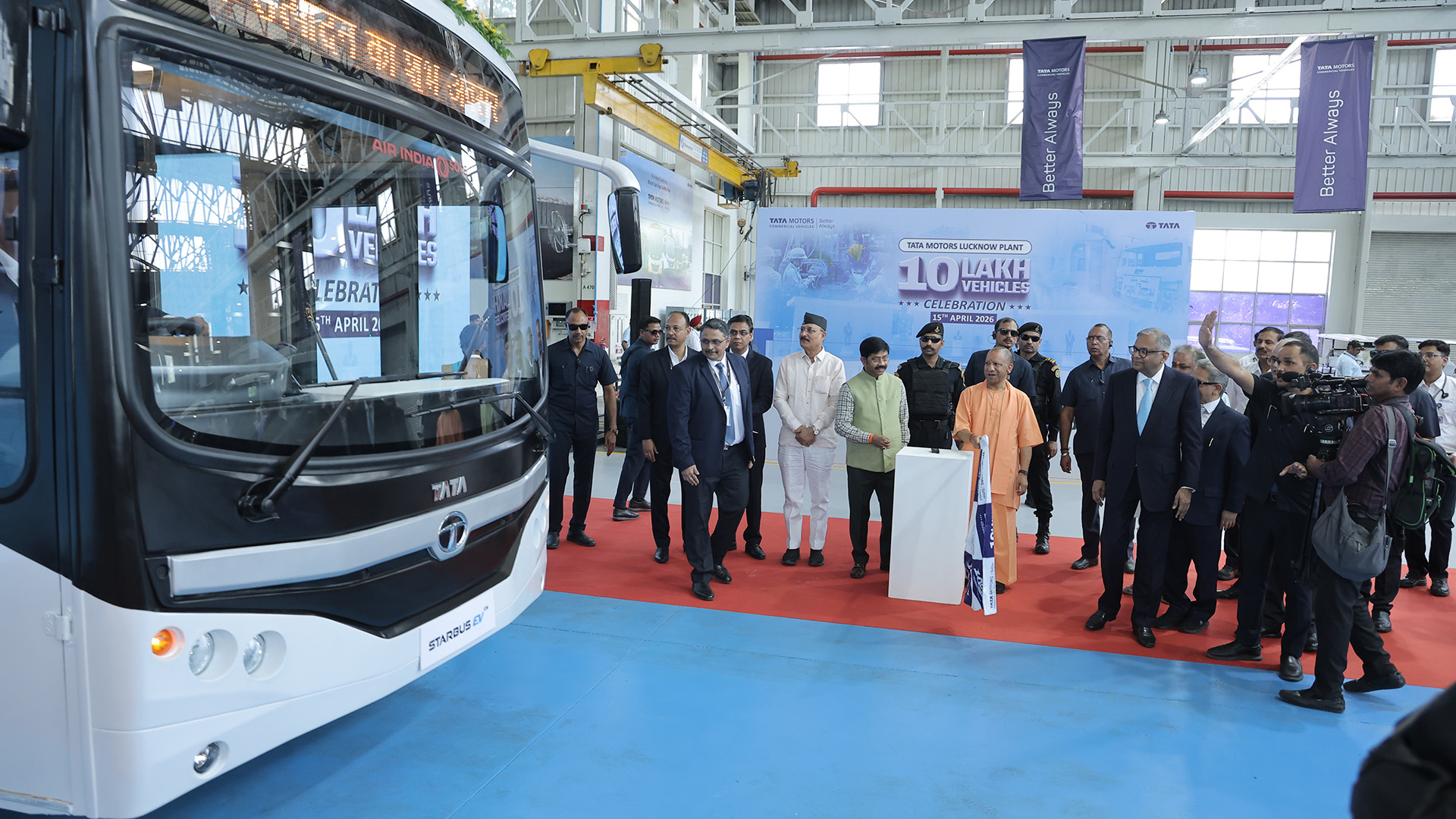

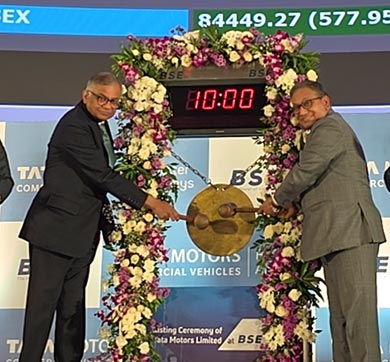
A celebratory event