The King of the Road
Tata Motors completed 80 years in 2025. A look back on the milestones in the auto giant’s journey
Since its beginnings in an old East Indian Railway workshop in Jamshedpur in 1945, Tata Motors has shaped India’s automotive landscape while expanding globally. From pioneering commercial vehicles (CVs) to developing cutting-edge electric vehicles (EVs), its products have become icons in their own right. Its journey tells a story of trust and engineering excellence, driving progress across roads, industries and communities in India and around the world
1940s: Early momentum
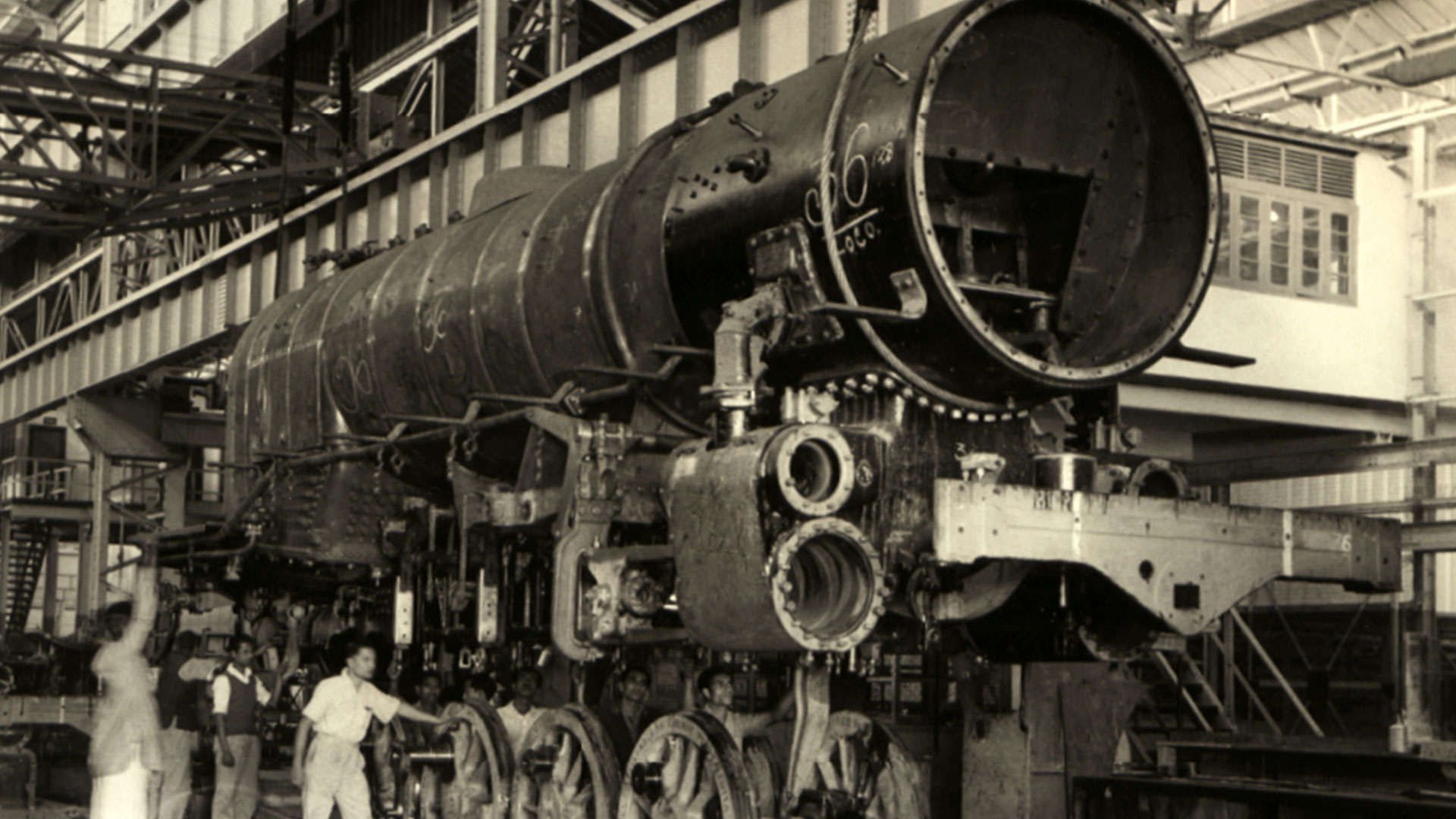
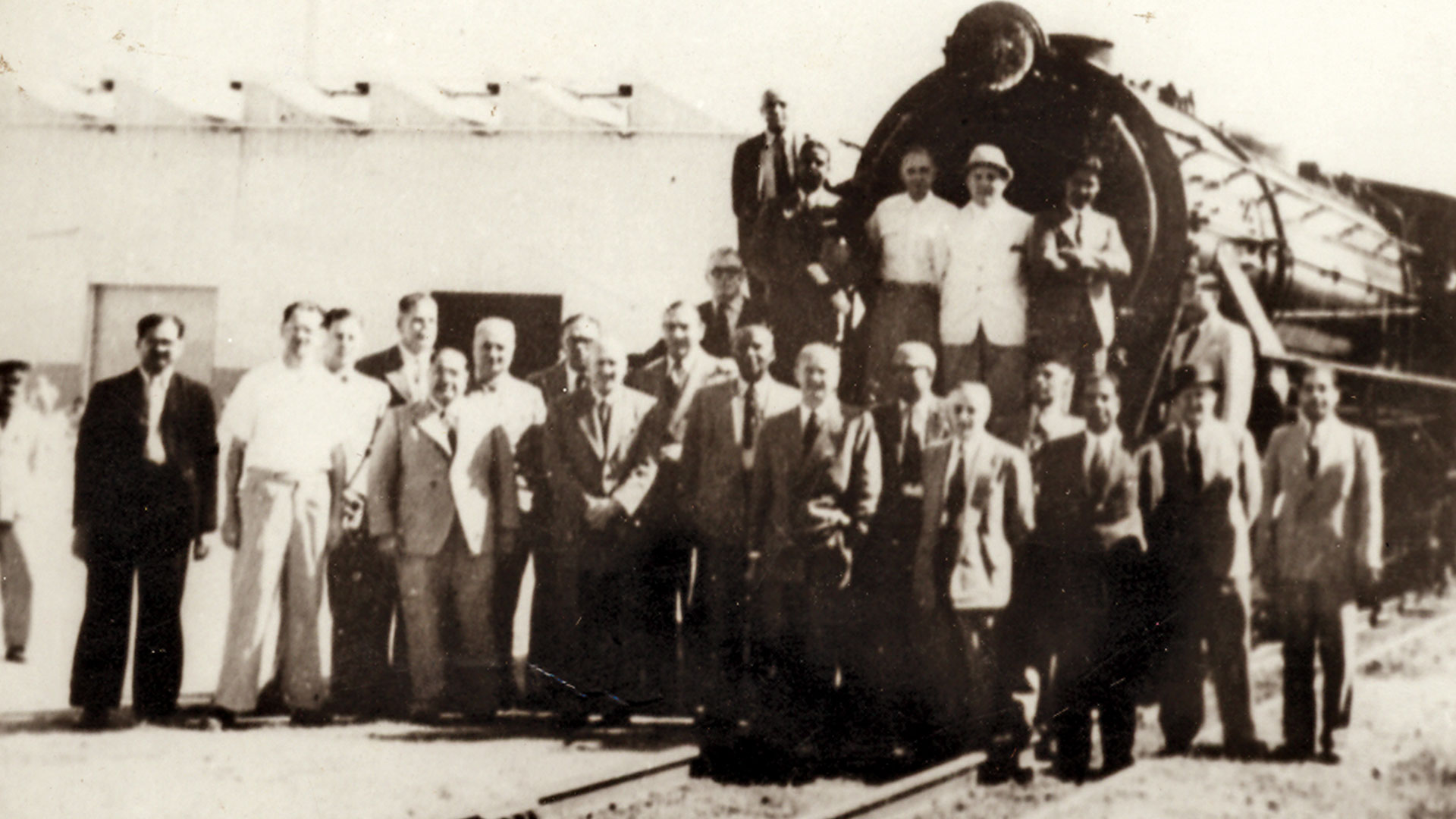
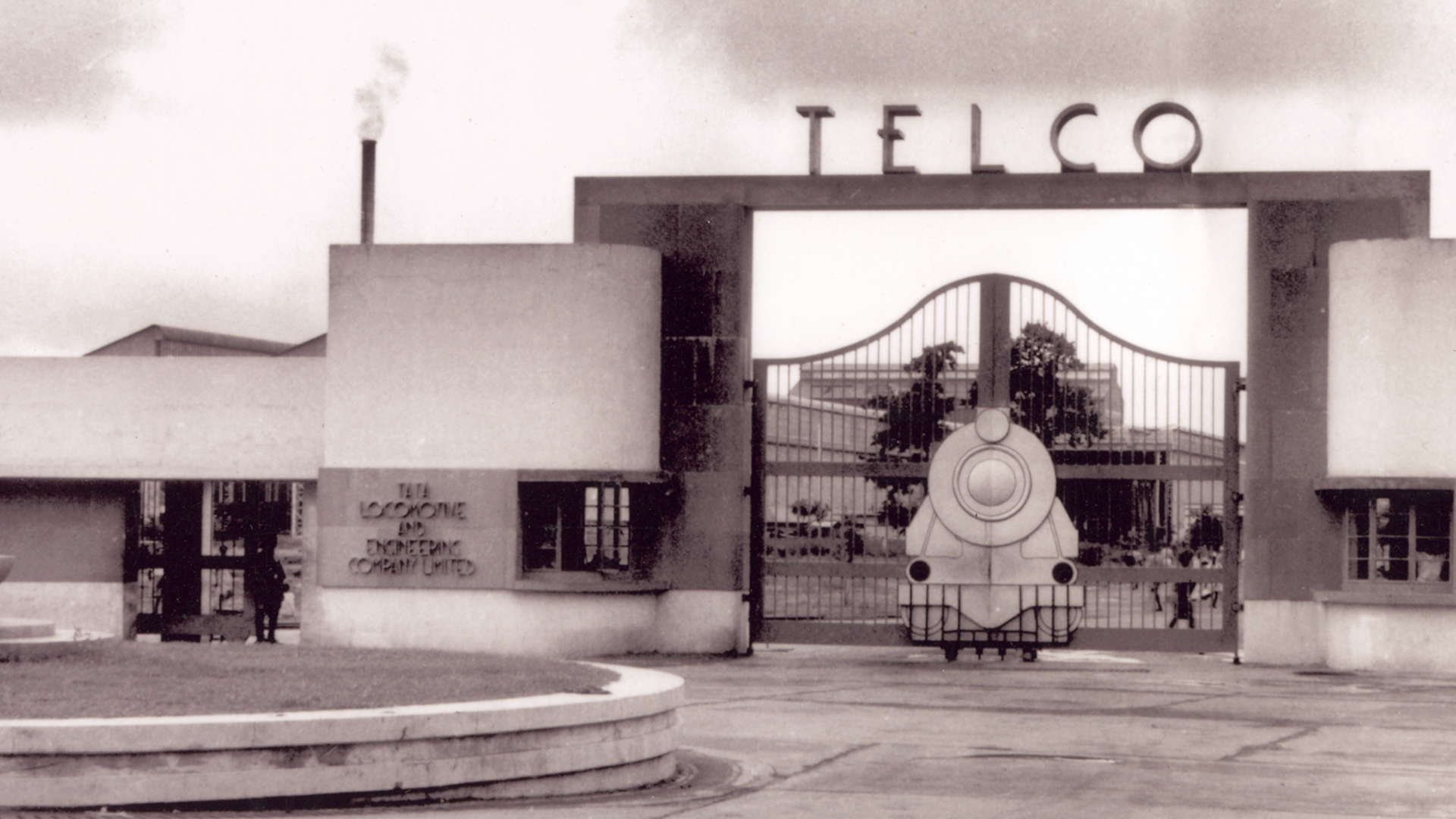
In 1945, in the aftermath of World War II, JRD Tata, then Chairman of the Tata Group, envisioned a company that would build locomotives and heavy engineering equipment, especially locomotives and boilers, that would play a vital role in post-war, independent India. JRD handpicked Sumant Moolgaokar, then the Executive Director of Associated Cement Companies, to lead this new company — Tata Locomotive and Engineering Company (TELCO).
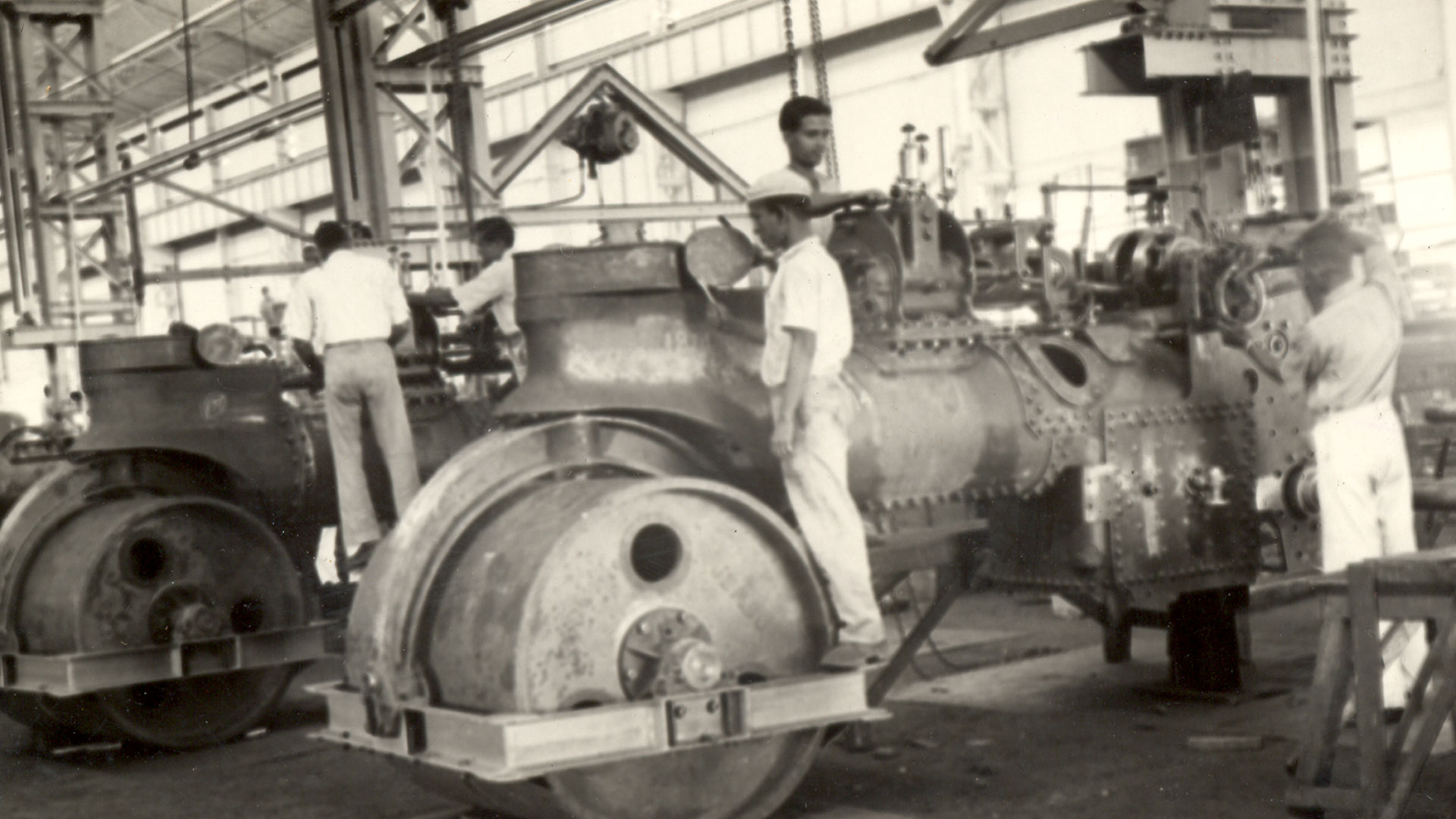
The company started manufacturing boilers, road rollers, underframes of wagons and locomotives. Just 10 years later, 1,000 Tata locomotives were part of the Indian Railways.
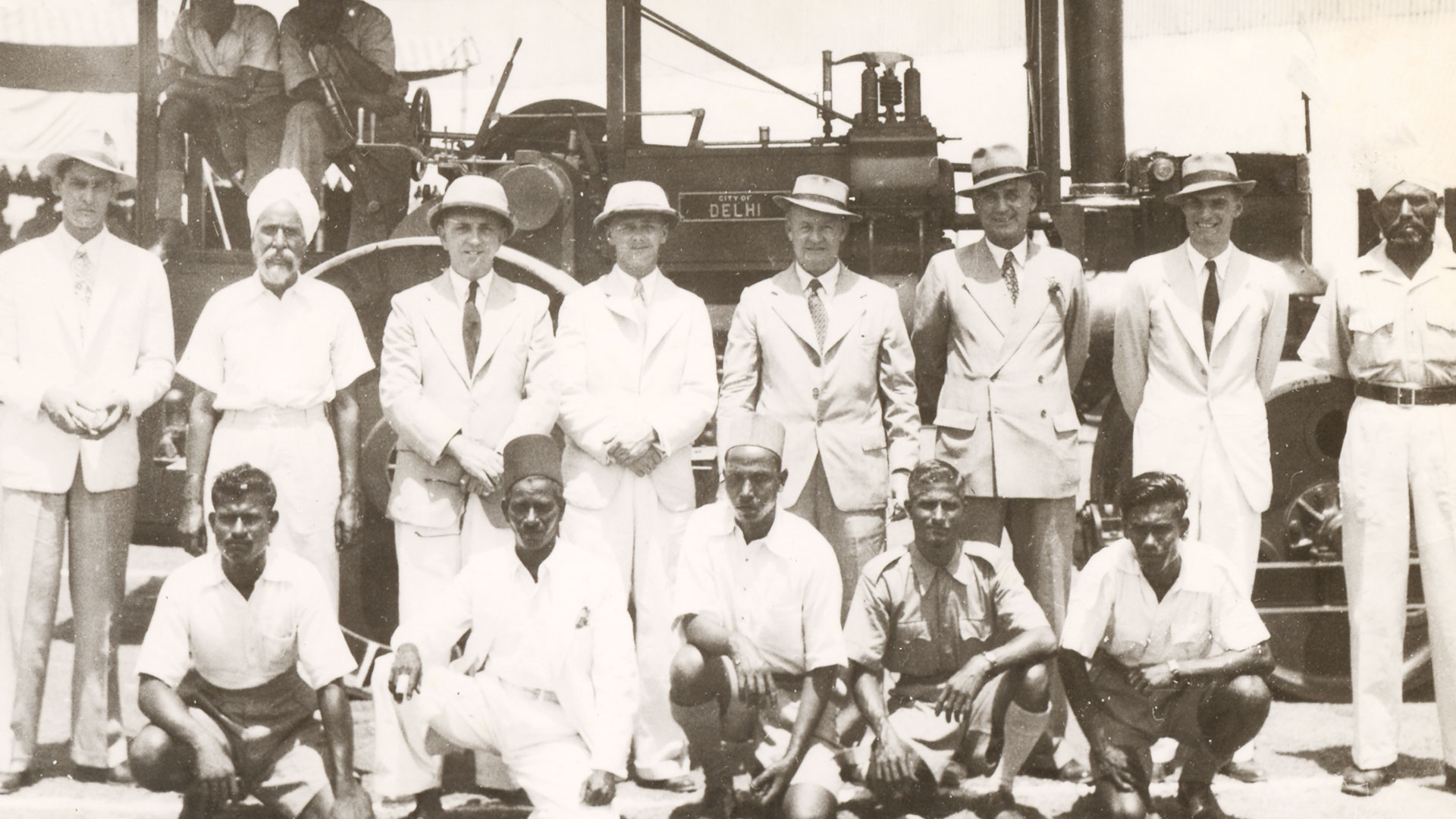
In the pic: the first batch of road rollers getting ready to leave the facility in 1948
Story by Cynthia Rodrigues.
1950s: Commercial vehicle debut
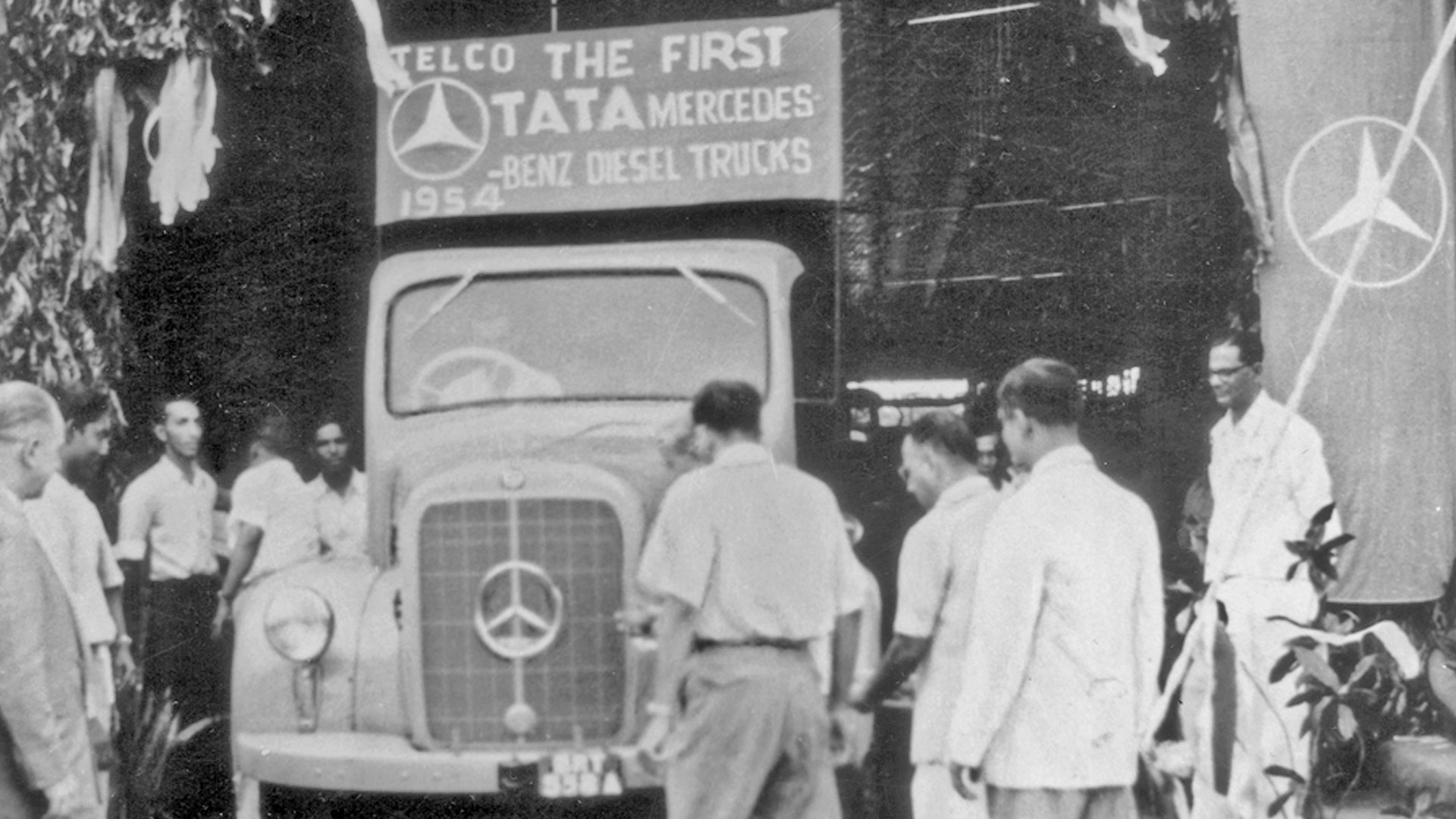
By now, TELCO was a seasoned player, having produced 1,155 locomotives, 950 road rollers, 5,000 railway wagons and many boilers. In 1954, it joined hands with Daimler-Benz of Germany to produce trucks.
It was a most fruitful collaboration. The Germans were sticklers for perfection, as was JRD. The finished product, featuring the bold Tata Mercedes Benz logo, was a ‘truck made for Indian soil’.
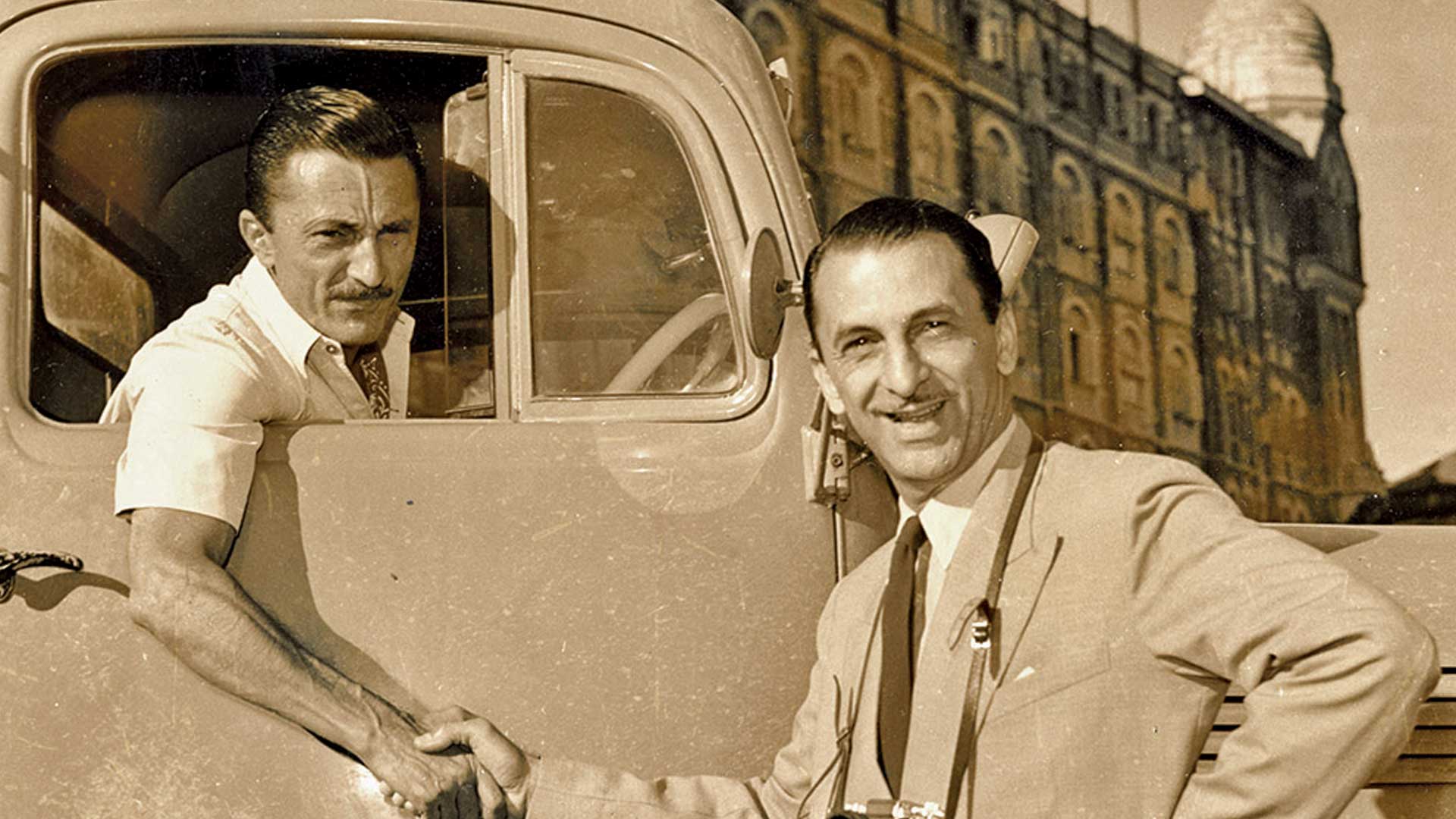
In 1955, three Tata trucks showed off their class and pedigree at the Geneva-Bombay International Motor Rally. They traversed ~12,875km through Switzerland, Yugoslavia, Turkey, Greece and Iran, among others, and arrived triumphant at the Gateway of India — without a single breakdown. Incidentally, JRD’s brother, Darab Tata, drove one of the trucks from Istanbul.
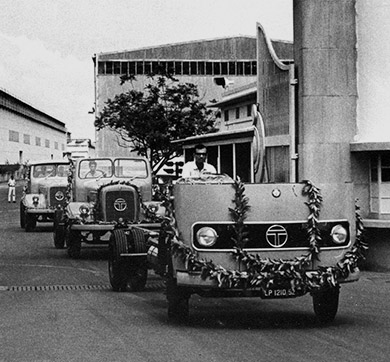
In pic: the first truck rolls out of the Jamshedpur facility
1960s: Expansion and localisation
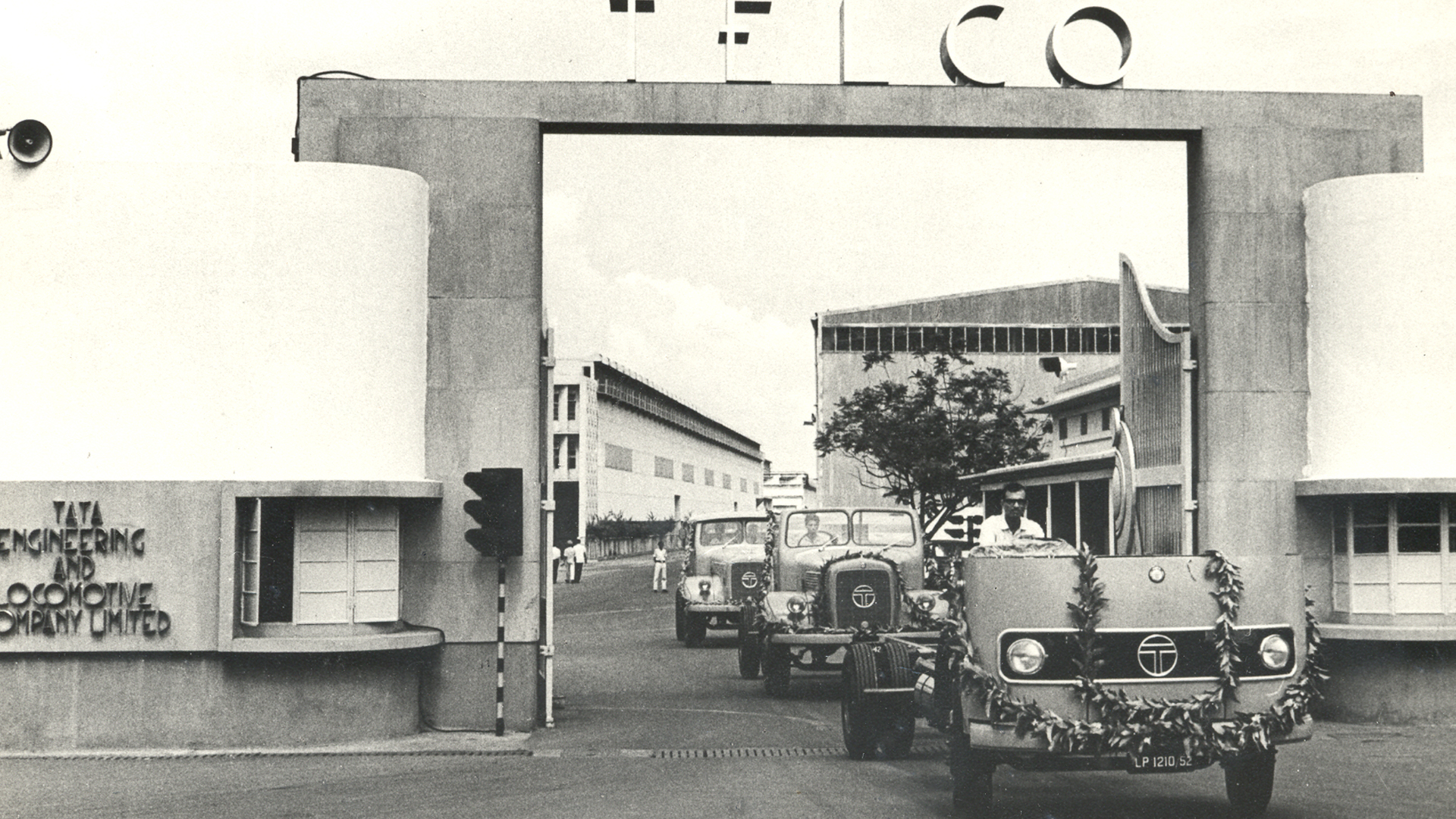
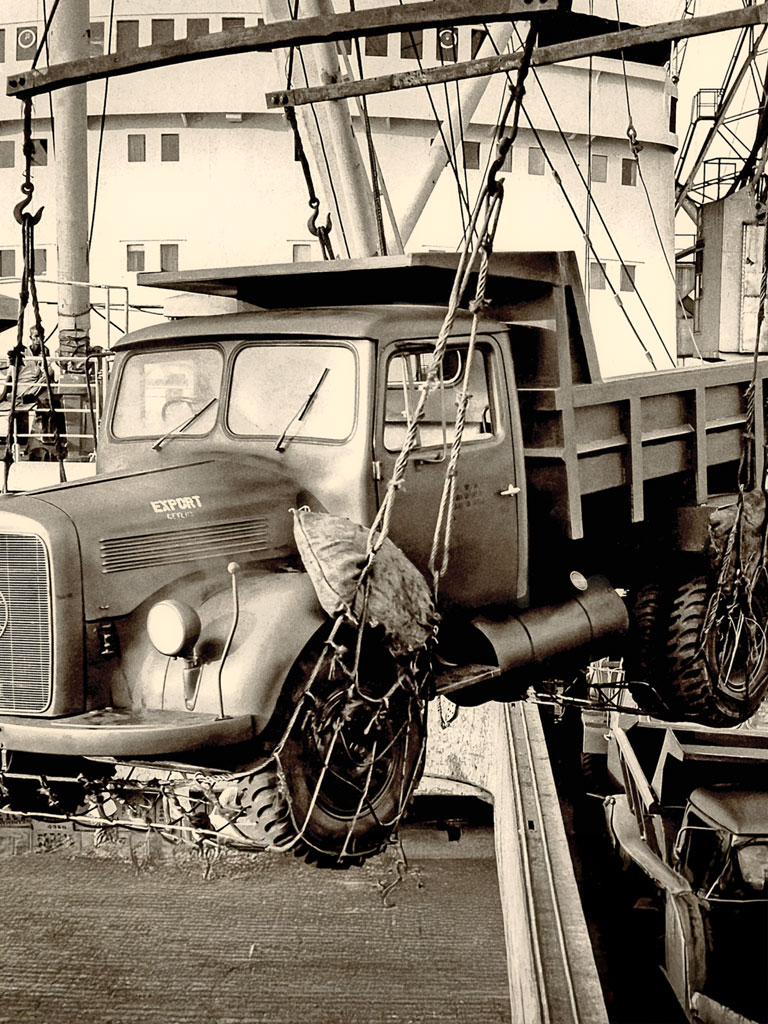
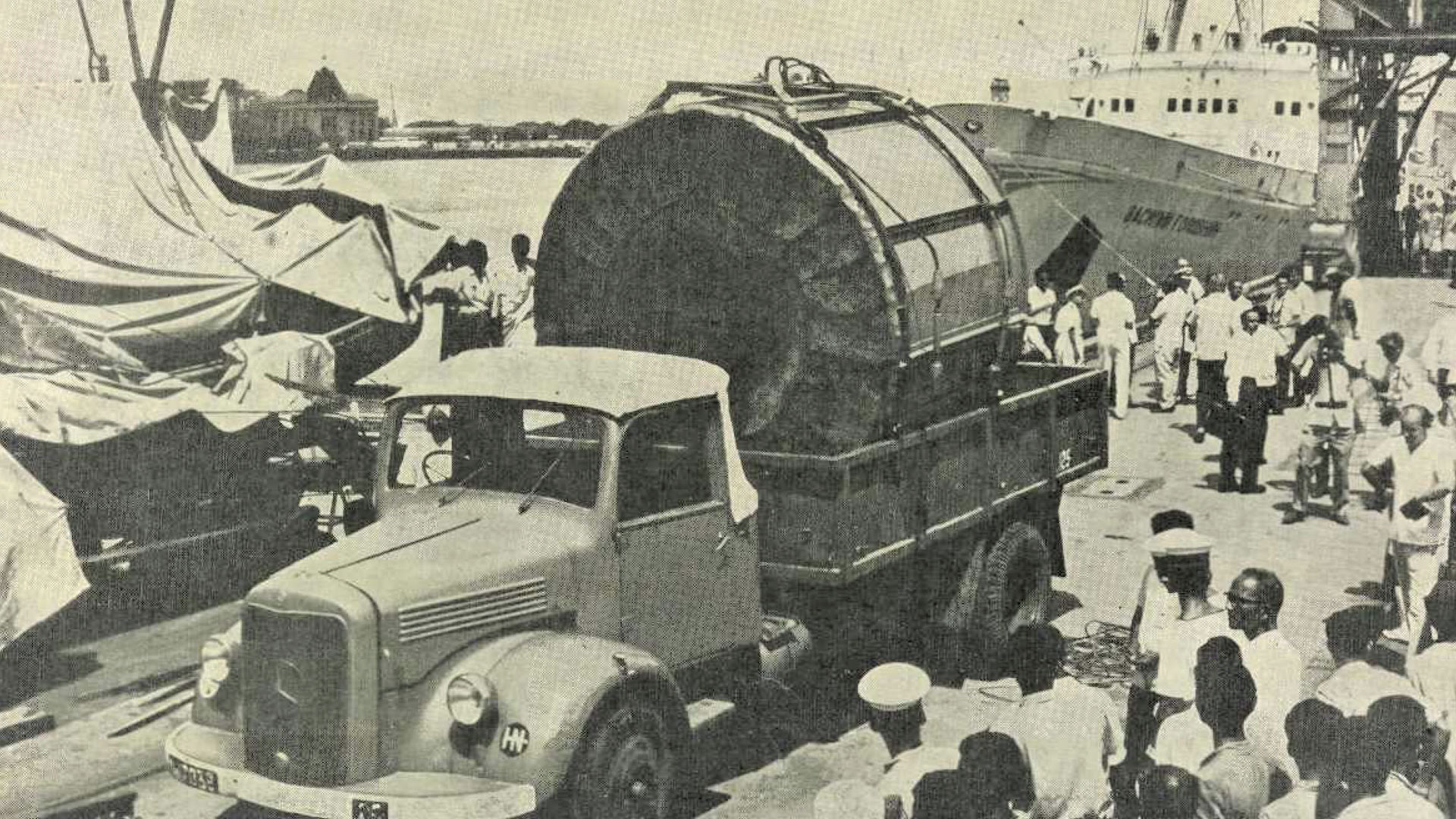
International markets beckoned. The early ’60s saw the launch of TELCO’s first luxury bus, and the first Tata Mercedes-Benz truck — made in India for the world — was loaded at the Bombay docks for shipment to Sri Lanka (then Ceylon). By then, the trucks were already a familiar sight in India, with a whopping 1,75,000+ Tata-Daimler Benz vehicles navigating the nation’s roads. Since the production of automobiles exceeded the production of locomotives, the company name was changed to Tata Engineering and Locomotive Company.
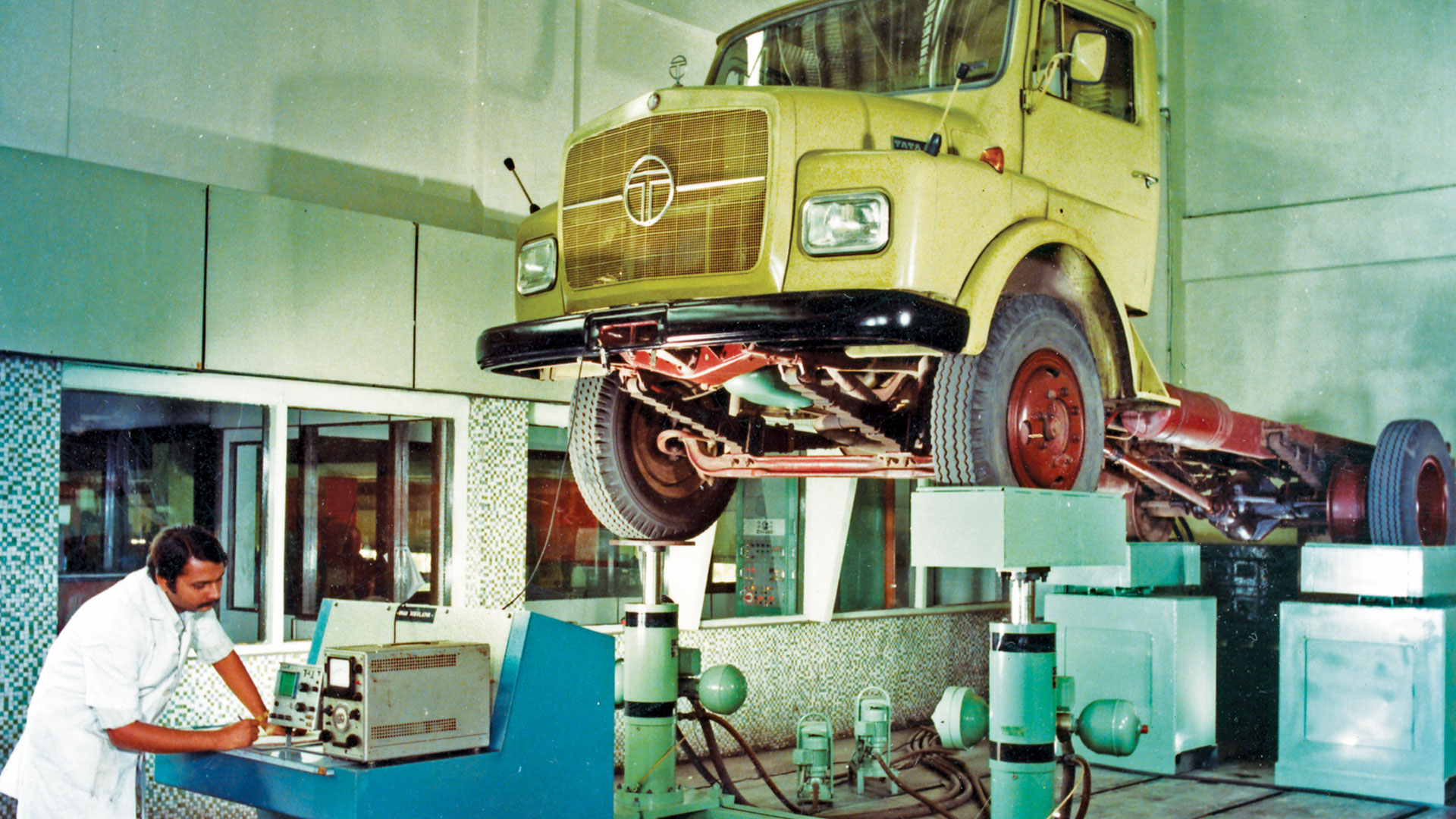
Success is as success does, and TELCO invested in innovation by launching its first R&D centre in Jamshedpur in 1966. By the end of the decade, the collaboration with Daimler Benz had come to an end and a new batch of vehicles, bearing the ‘T’ insignia, replacing the star emblem, proudly rolled out of TELCO works. In the picture: the first batch of Tata Mercedes being at the Bombay port for export to Sri Lanka (then Ceylon)
1970s: Diversification
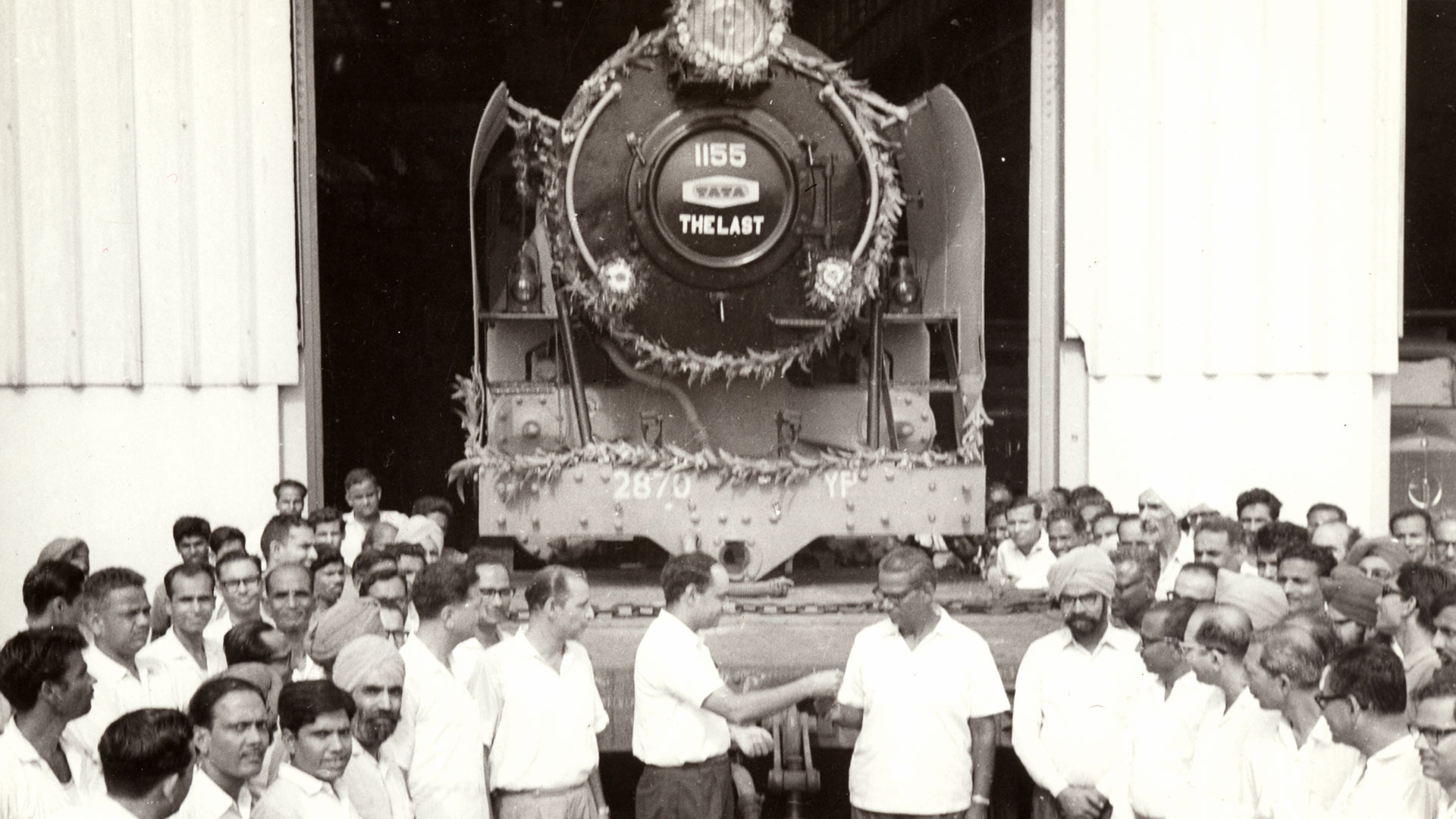
It was the end of an era, as TELCO bid adieu to manufacturing locomotives and looked ahead to manufacturing CVs.
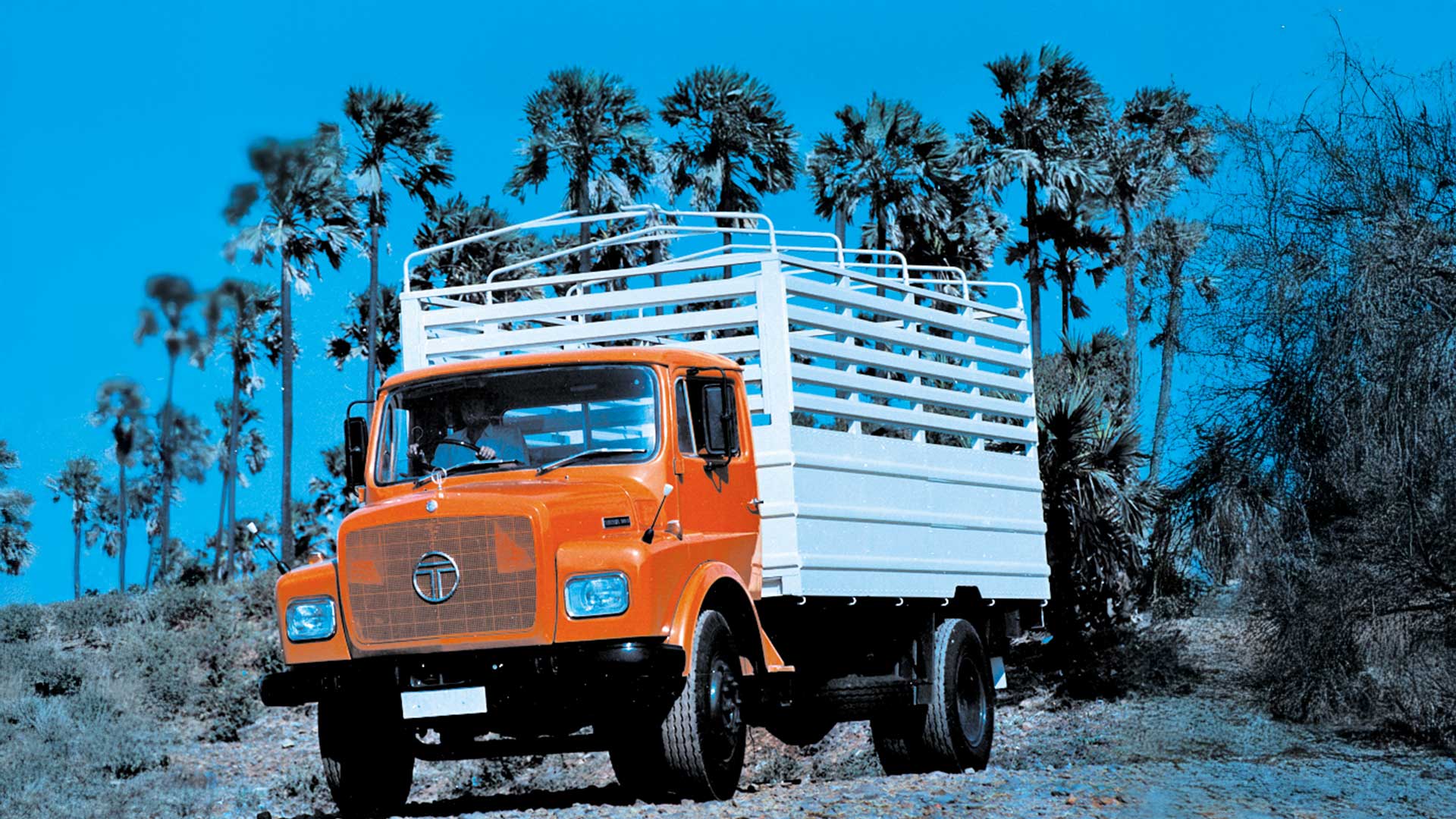
The year 1975 saw the launch of the Tata 1210 semi-forward truck, the 15-tonne heavy-duty truck that is still king of the road decades later. The vehicle expanded the company’s footprint in the heavy CV segment and transformed the manner in which goods were transported across India.
In 1977, the company set up its new assembly line and R&D centre across 930acres in Pimpri-Chinchwad, in Pune.
In the pic: TELCO employees bid goodbye to the last locomotive in 1970
1980s: Entry into passenger vehicles
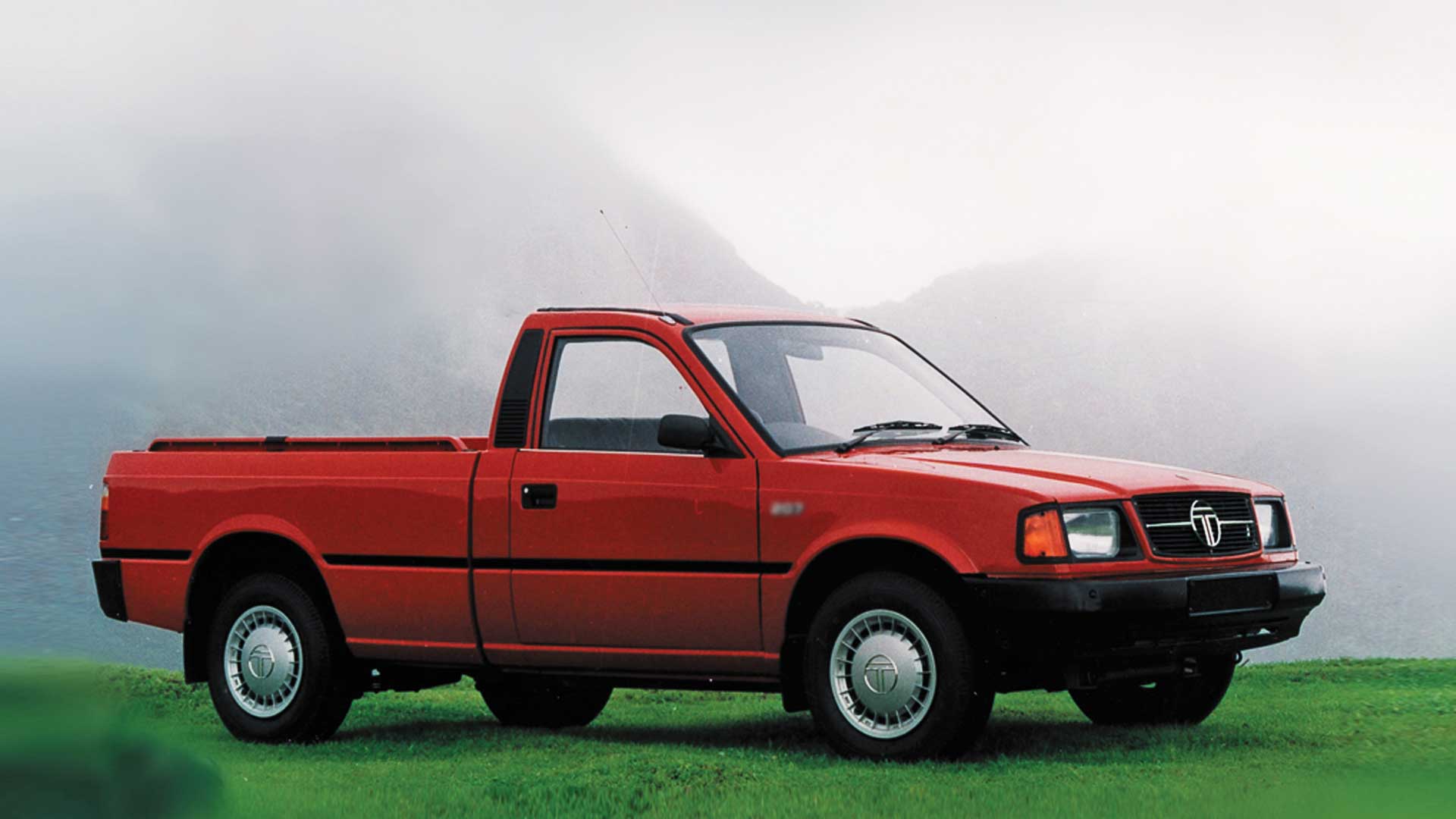
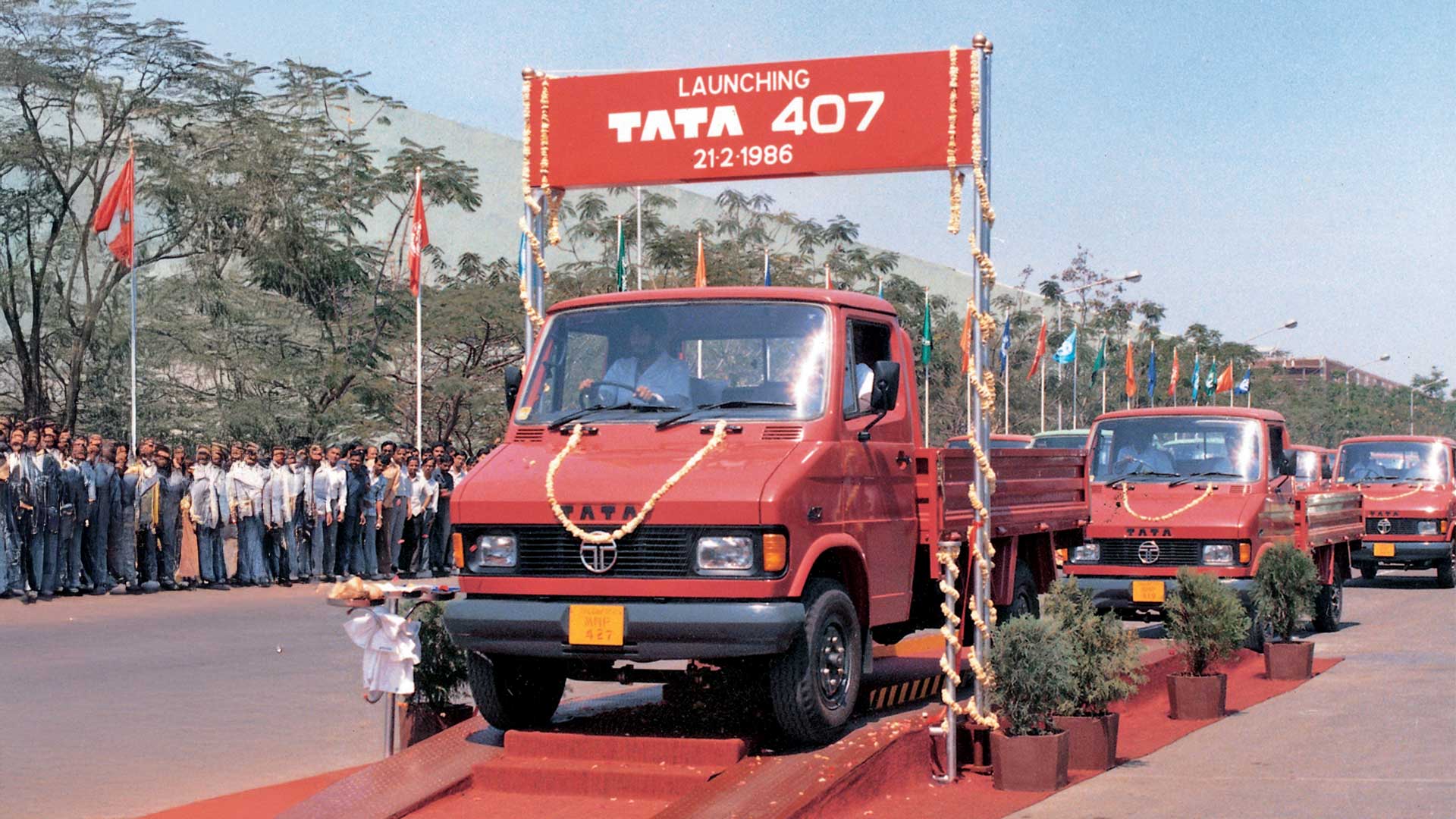
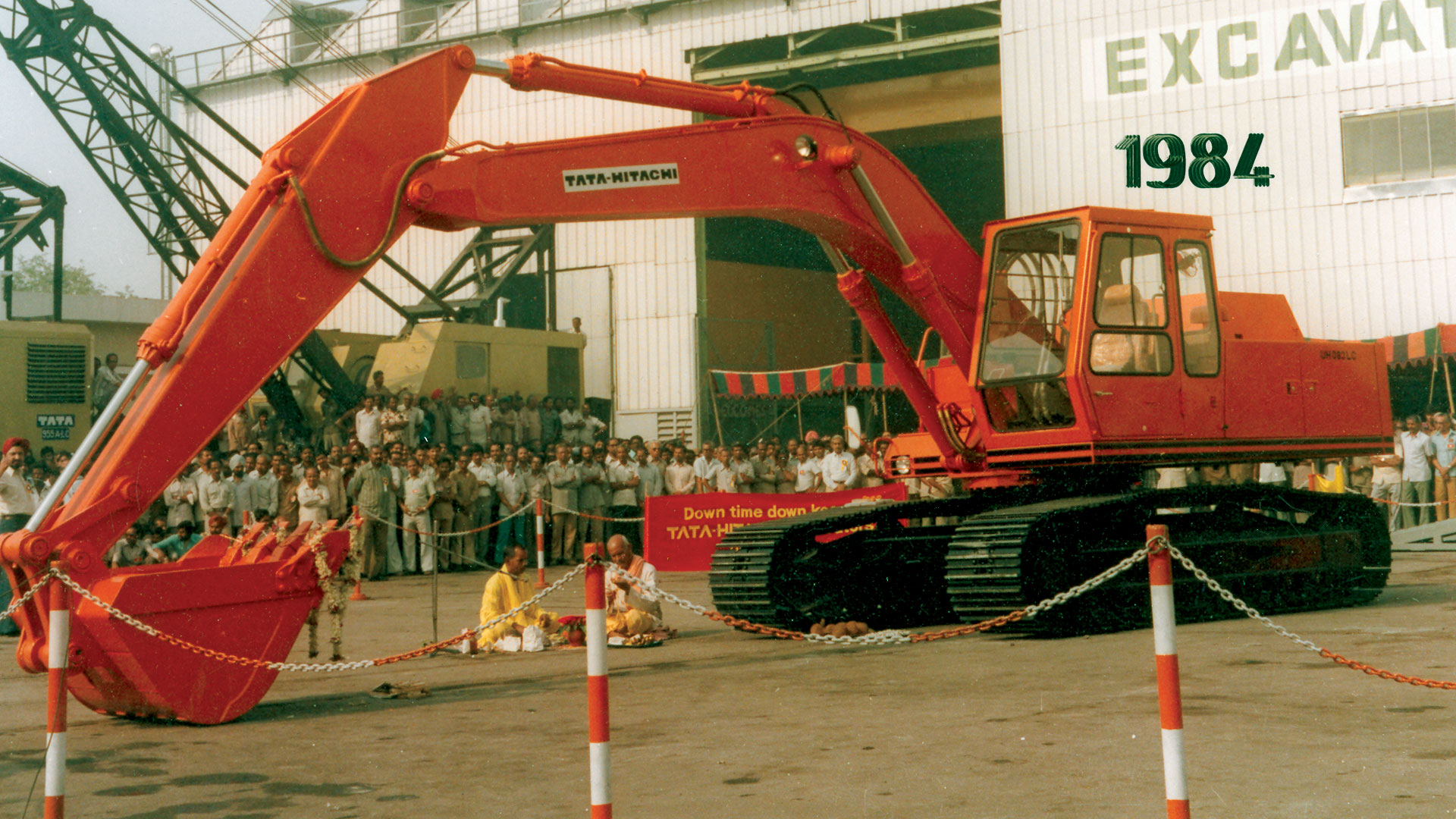
In 1984, TELCO expanded its heavy machinery portfolio by tying up with Hitachi of Japan to leverage the latest technology in the manufacture of construction equipment (the company had already started manufacturing excavators and mechanical cranes in the 1960s). Two years later, in 1986, the company launched the Tata 407, India’s first indigenously designed light CV, which was perfect for last-mile goods delivery.
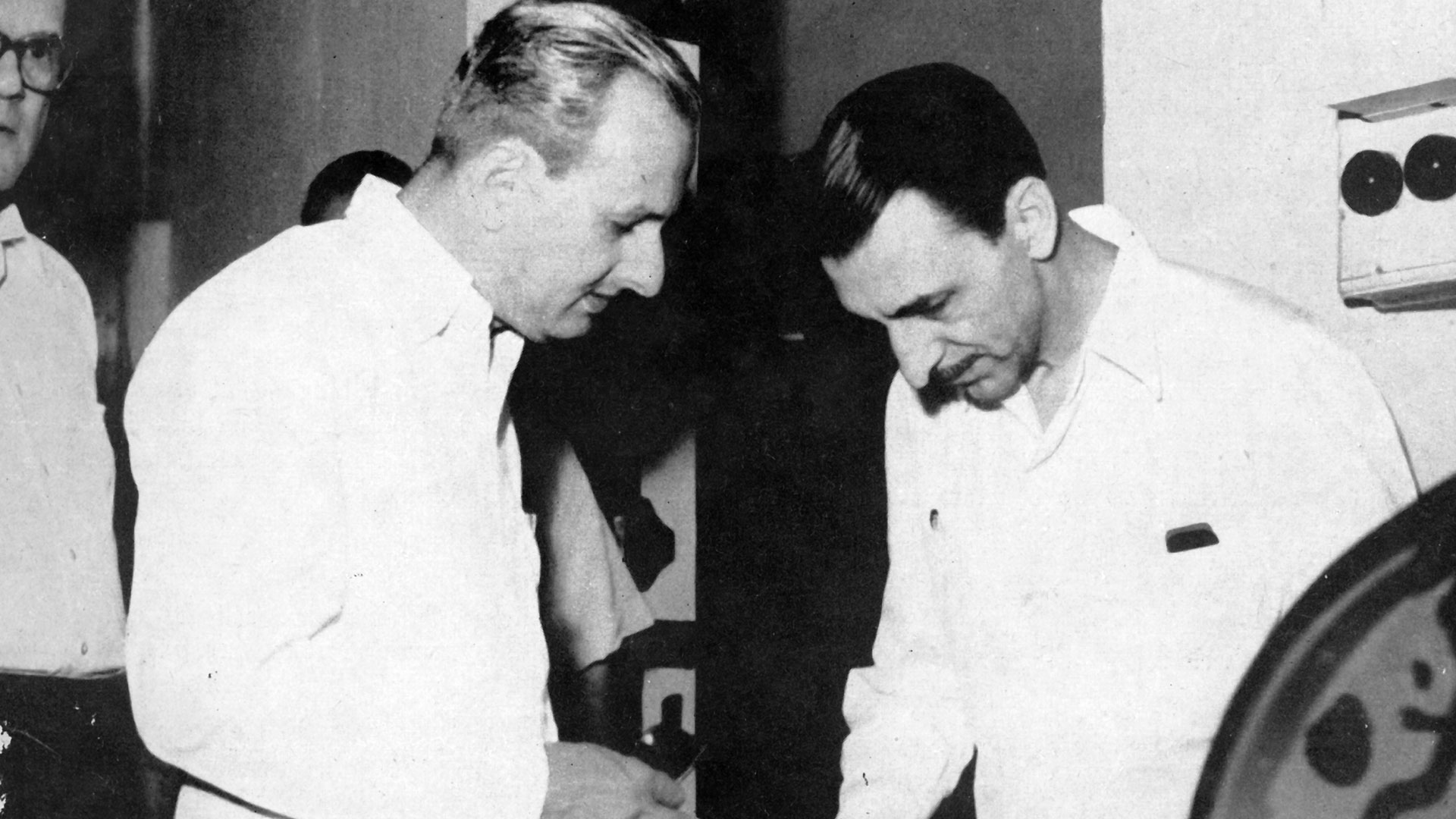
In 1988, a watershed year for TELCO, Ratan N Tata took over as the Executive Deputy Chairman of the company, galvanising the company in a bold new direction. Soon TELCO debuted the TataMobile 206, with a Peugeot engine, whose name was changed in 2002 to Tata 207 DI.
In the pic: The Tata 407 rolls out
1990s: Indigenous innovation
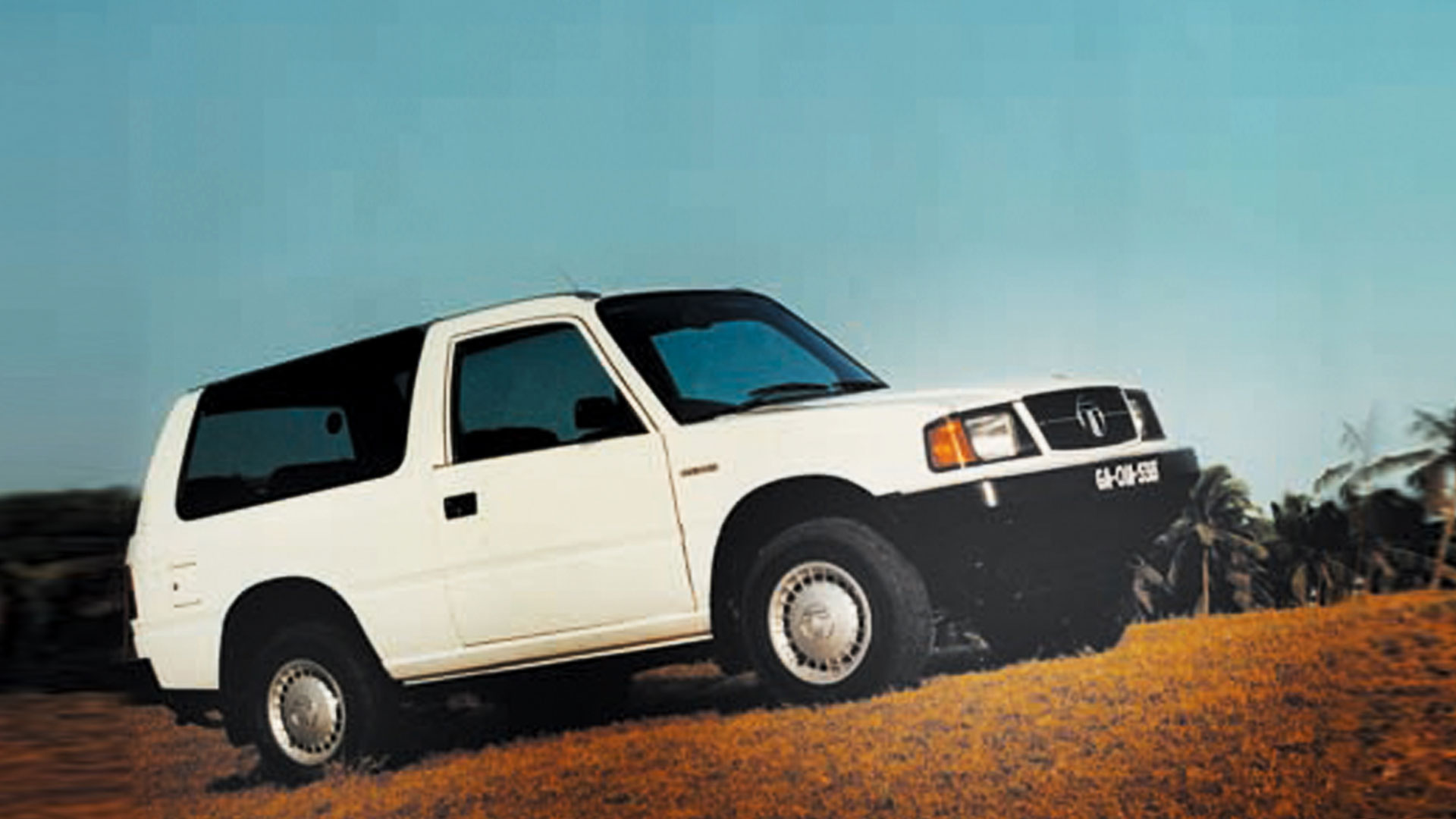
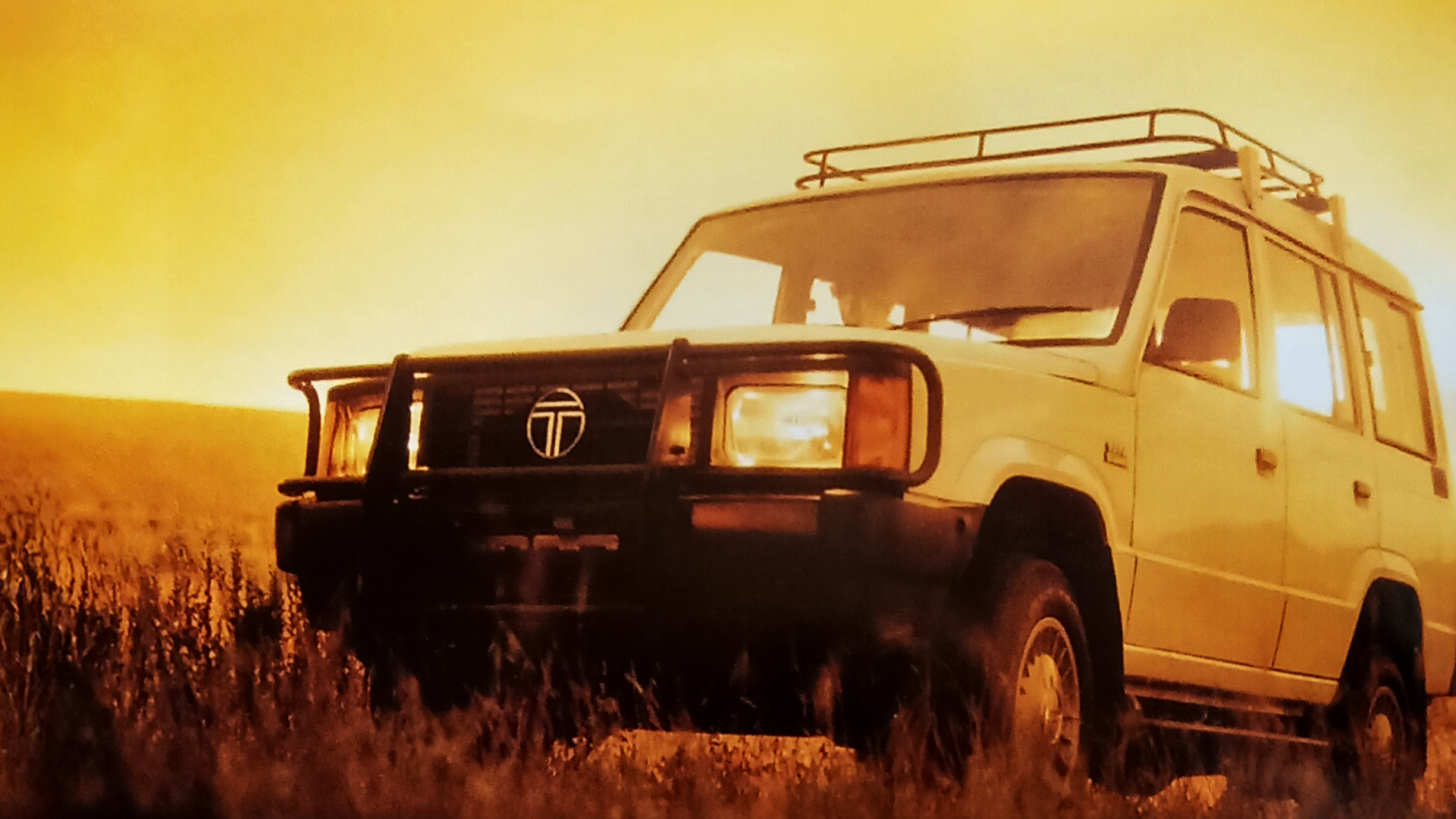
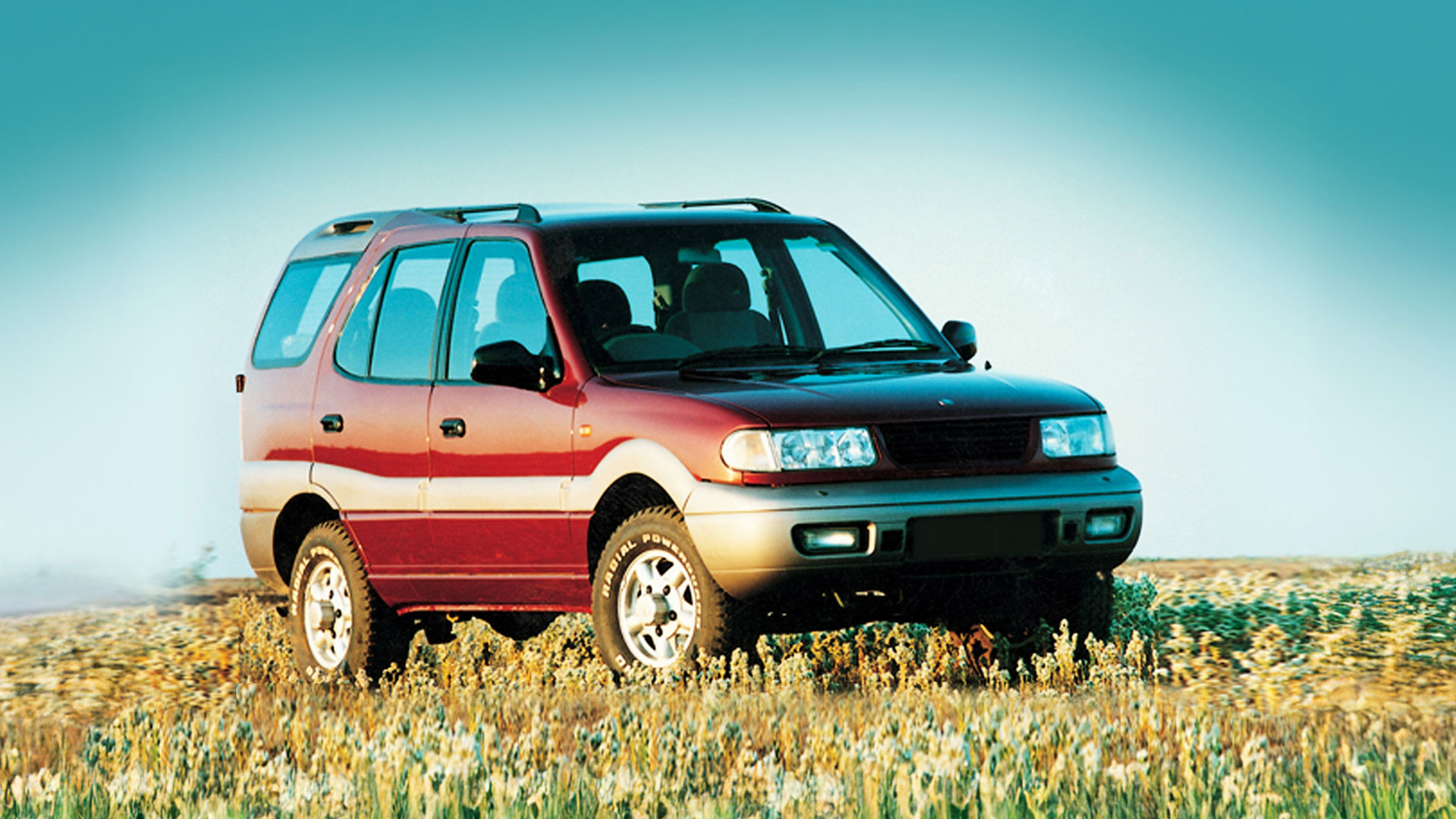
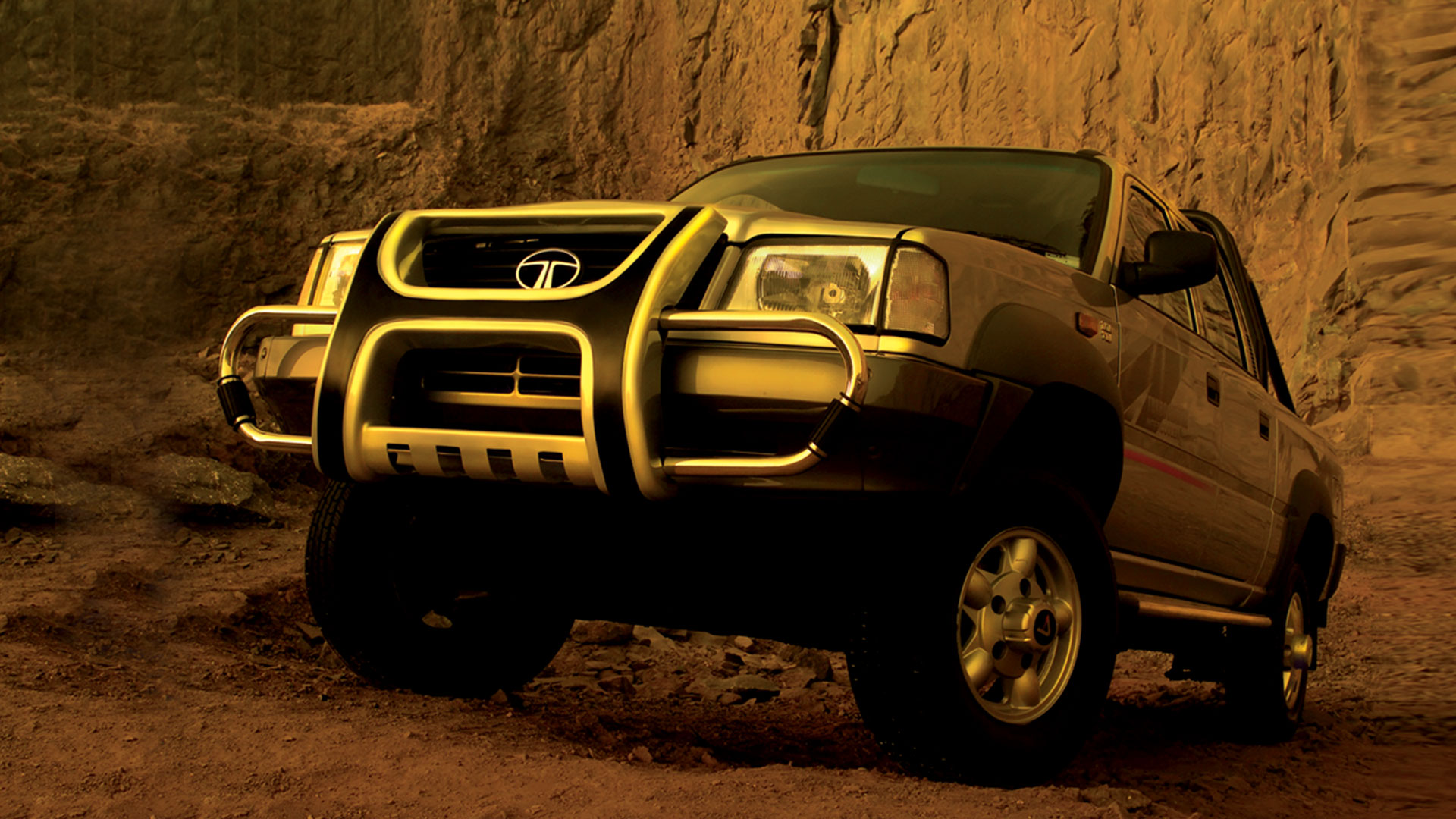
Under the direction of Mr Tata, the company shifted to a higher gear. This was the decade that saw a slew of iconic vehicle launches. From the Tata Sierra, India’s first SUV, in 1991, to the Tata Estate station wagon; the Tata Safari, India’s first mid-size SUV (in four-wheel drive), and the Tata Sumo, India’s first multi-utility vehicle named after the company’s managing director, Sumant Moolgaokar.
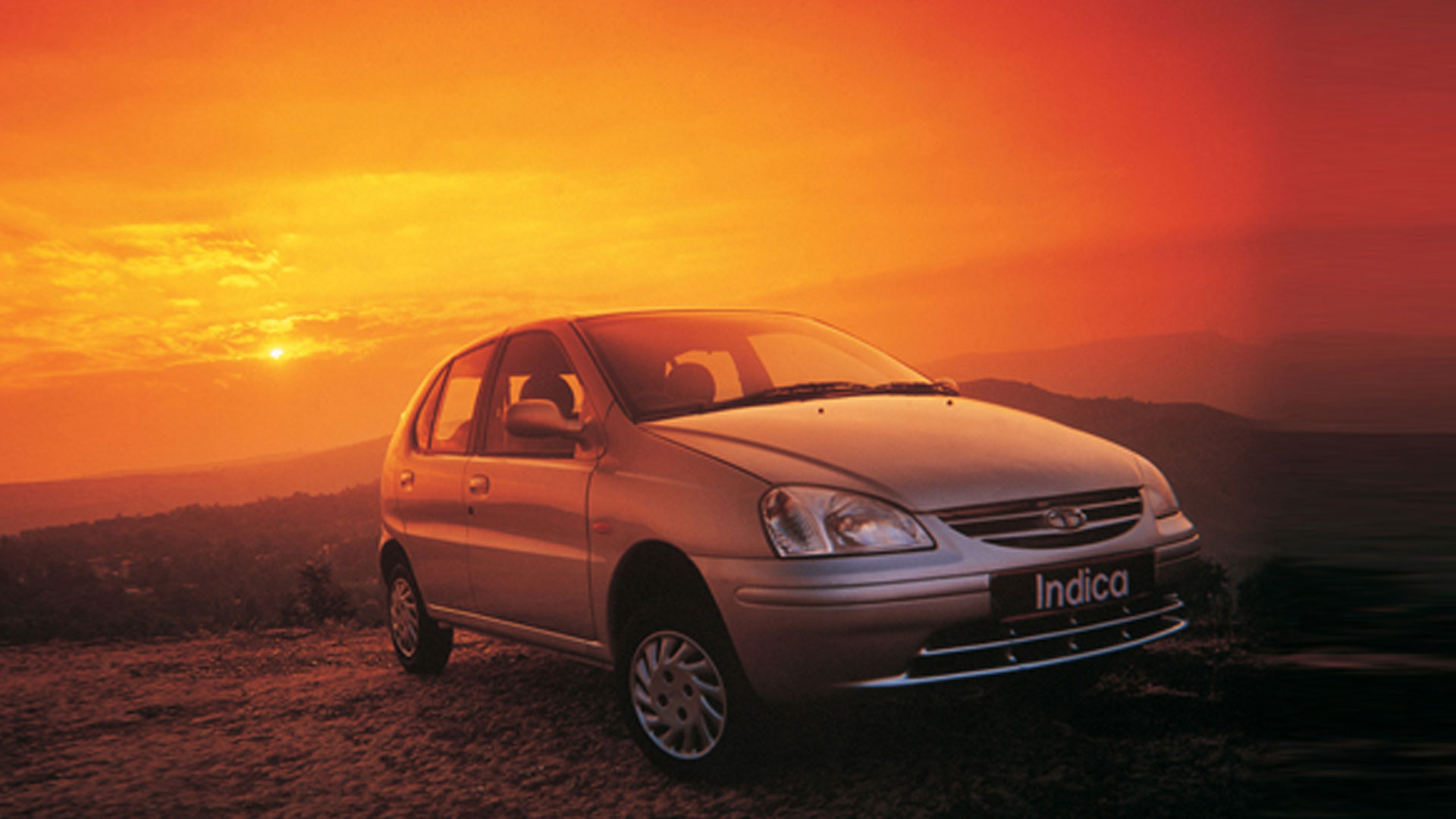
A standout among these launches was the Tata Indica, India’s first fully indigenous passenger car, which fired people’s imagination with the ad line, ‘More car per car’. The Indica catapulted India into a league of only 10 nations to have manufactured their own cars at the time.
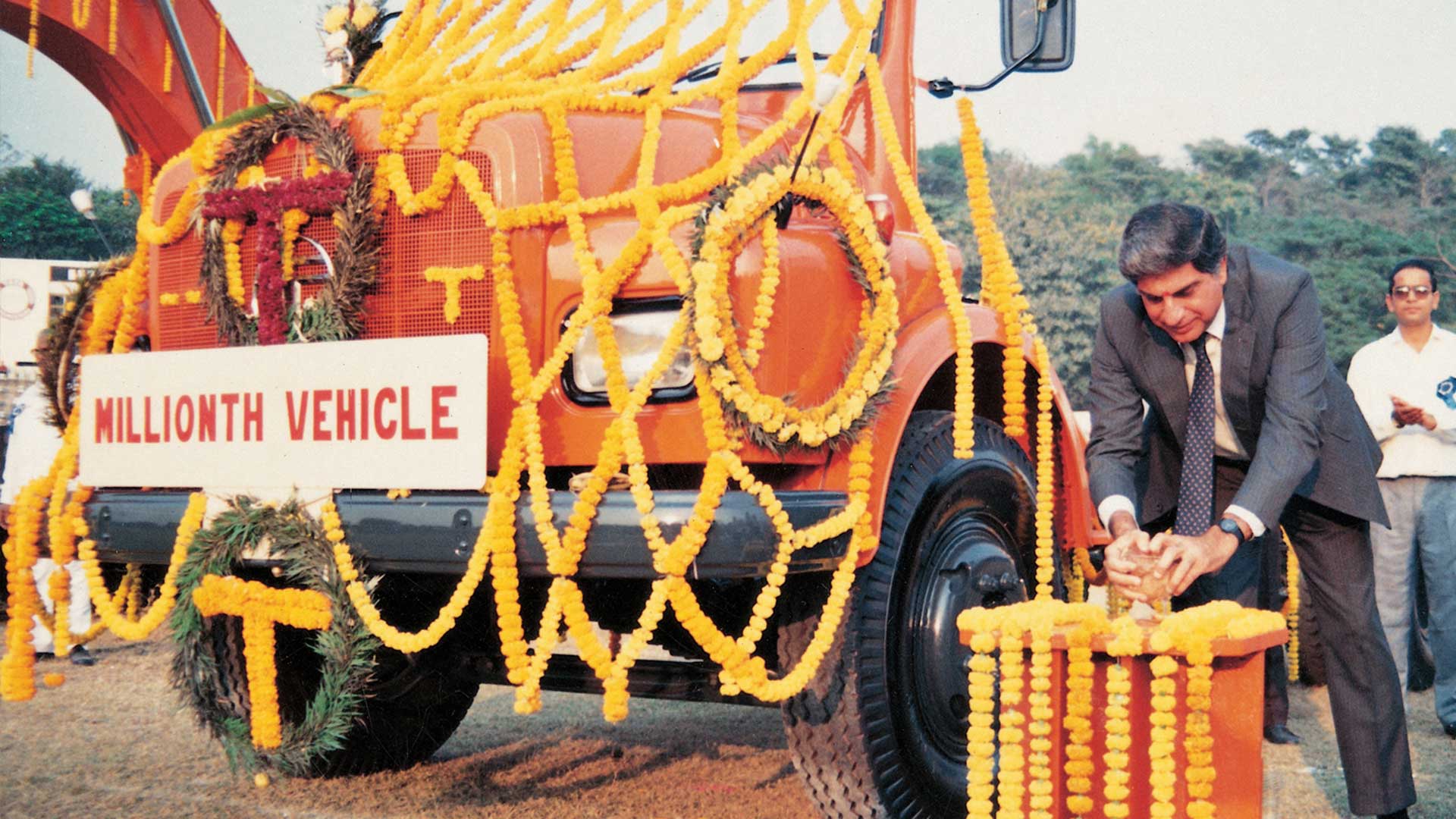
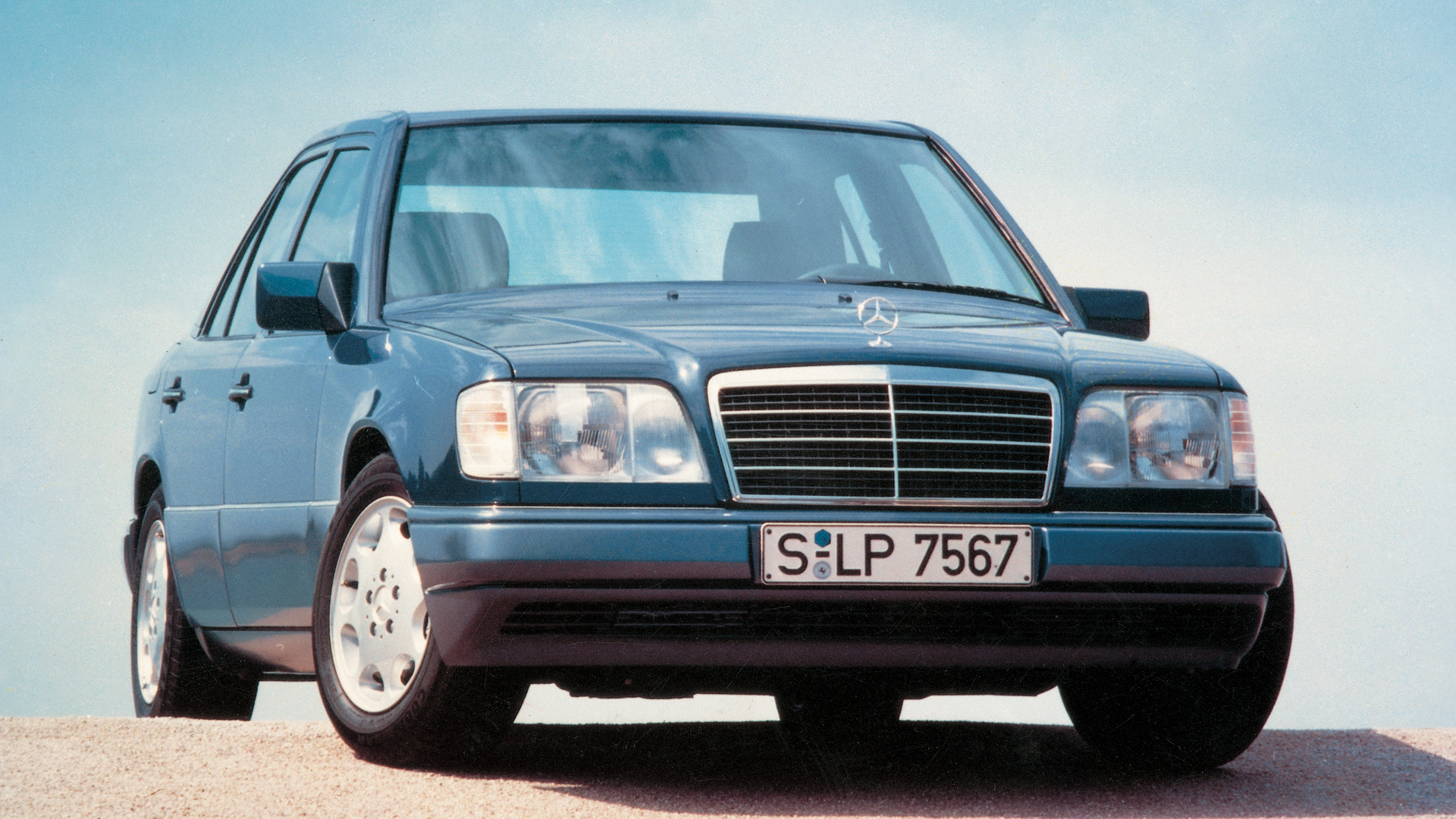
Other moves powering the company’s success included TELCO’s 1993 collaboration with Cummins Engine to introduce powerful diesel engines with lower emissions and a partnership with Mercedes-Benz to introduce luxury cars in the Indian market. In the pic:Ratan N Tata celebrates TELCO’s milestone of manufacturing one million vehicles
2000s: Global ambitions
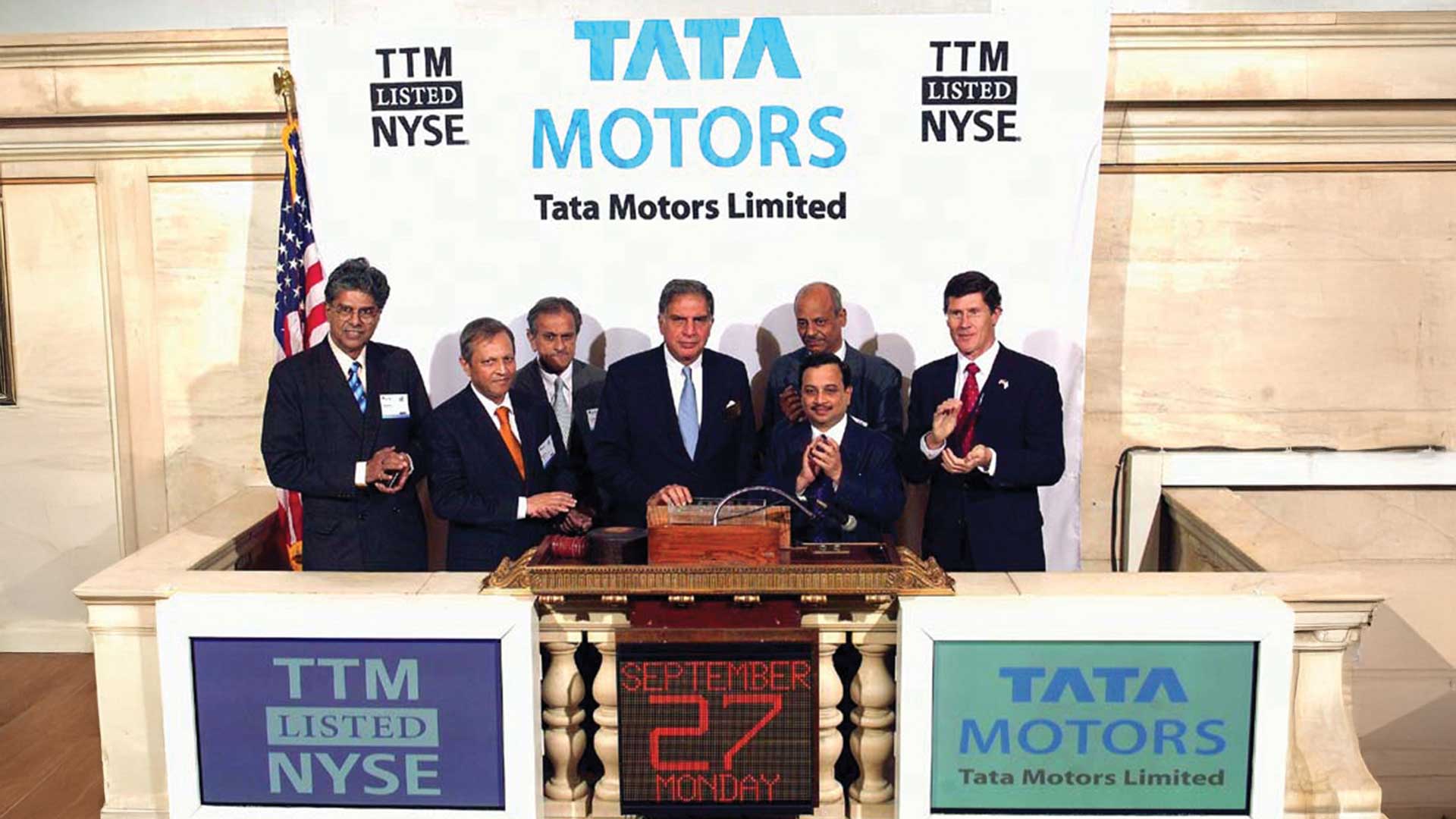
A new millennium. A new identity. TELCO, rechristened Tata Engineering in 2001, then Tata Motors in 2003, made a splash at the New York Stock Exchange in 2004.
This decade marked an era of inorganic growth. The company acquired South Korean truck manufacturer Daewoo, producing the Tata Novus as well as the Tata World Truck range, which was sold in South Korea, South Africa, SAARC nations and the Middle East. Later, Tata Motors secured a 21% controlling stake — converted to full ownership in 2009 — in the Spanish bus and coach manufacturer Hispano Carrocera.
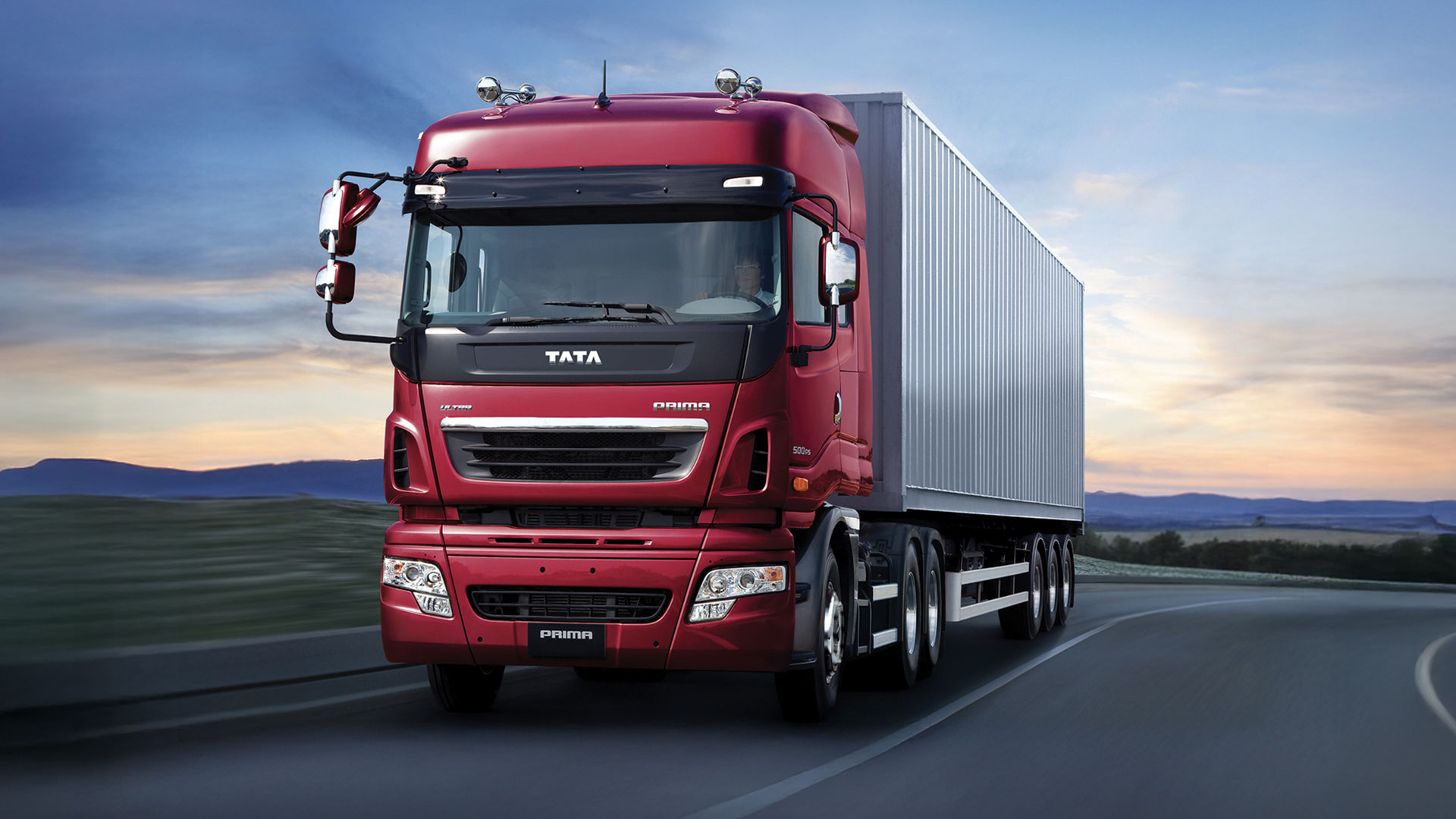
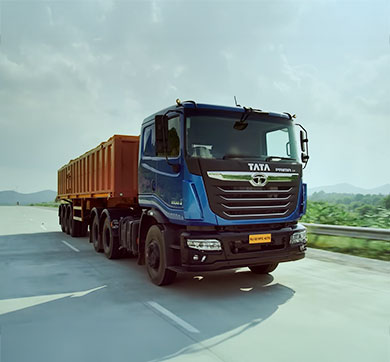
In 2008, the acquisition of Jaguar Land Rover brought the iconic brands into the Tata stable. This was also the year in which Tata Motors launched the Tata Prima, its next generation platform of heavy trucks.
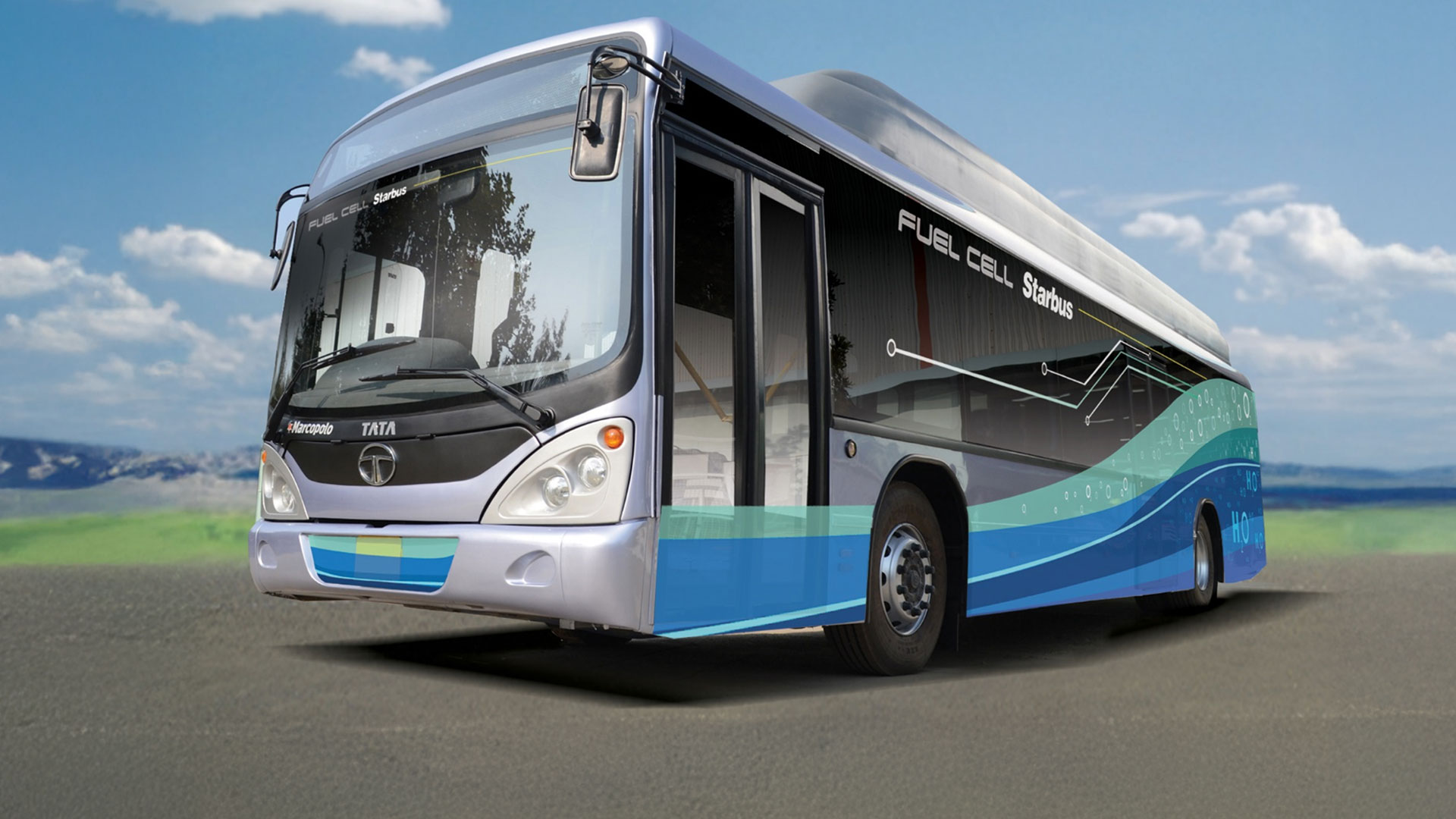
Other launches included the Globus and Starbus range of buses and coaches; Tata Ace, India’s first mini truck; the Tata TL 4x4, India’s first sports utility truck; the Tata Indigo Compact Sedan, India’s first 4-m sedan; and the Tata Prima, a CV range for long-distance haulage. The decade also marked the debut of India’s first fully indigenous sedan, the Tata Indigo, and later the Indigo Marina.
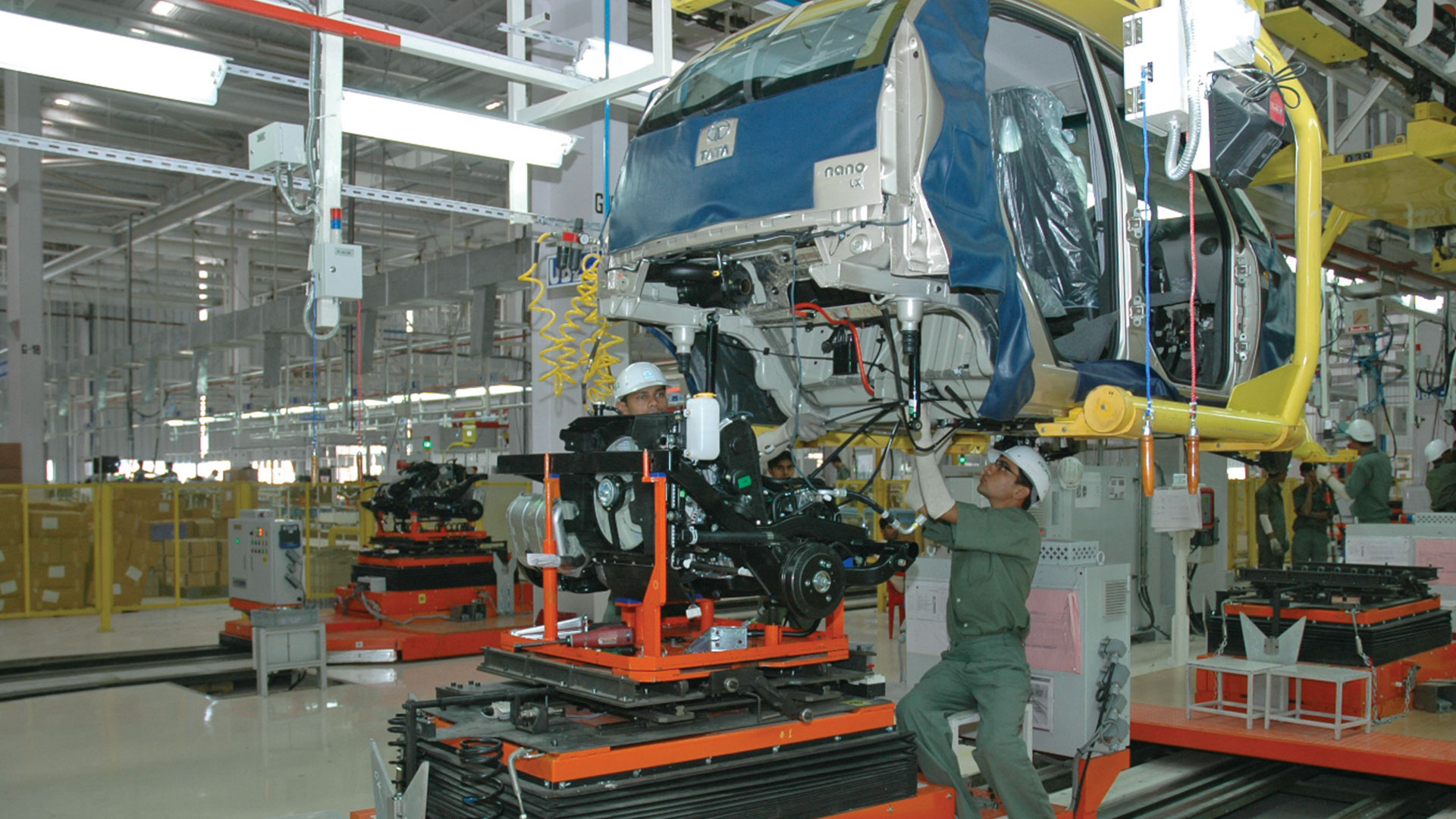
Towards the end of the decade, Tata Motors cemented its place in the record books by launching the Tata Nano, the world’s most affordable car.
In the pic: Tata Motors becomes the first Indian automaker to be listed on the New York Stock Exchange
2010s: Electric mobility and design innovation
Tata Motors made its Fortune Global 500 debut in 2010, ranked 442, kickstarting its most productive period — both PV and CV businesses significantly enhanced their portfolios.
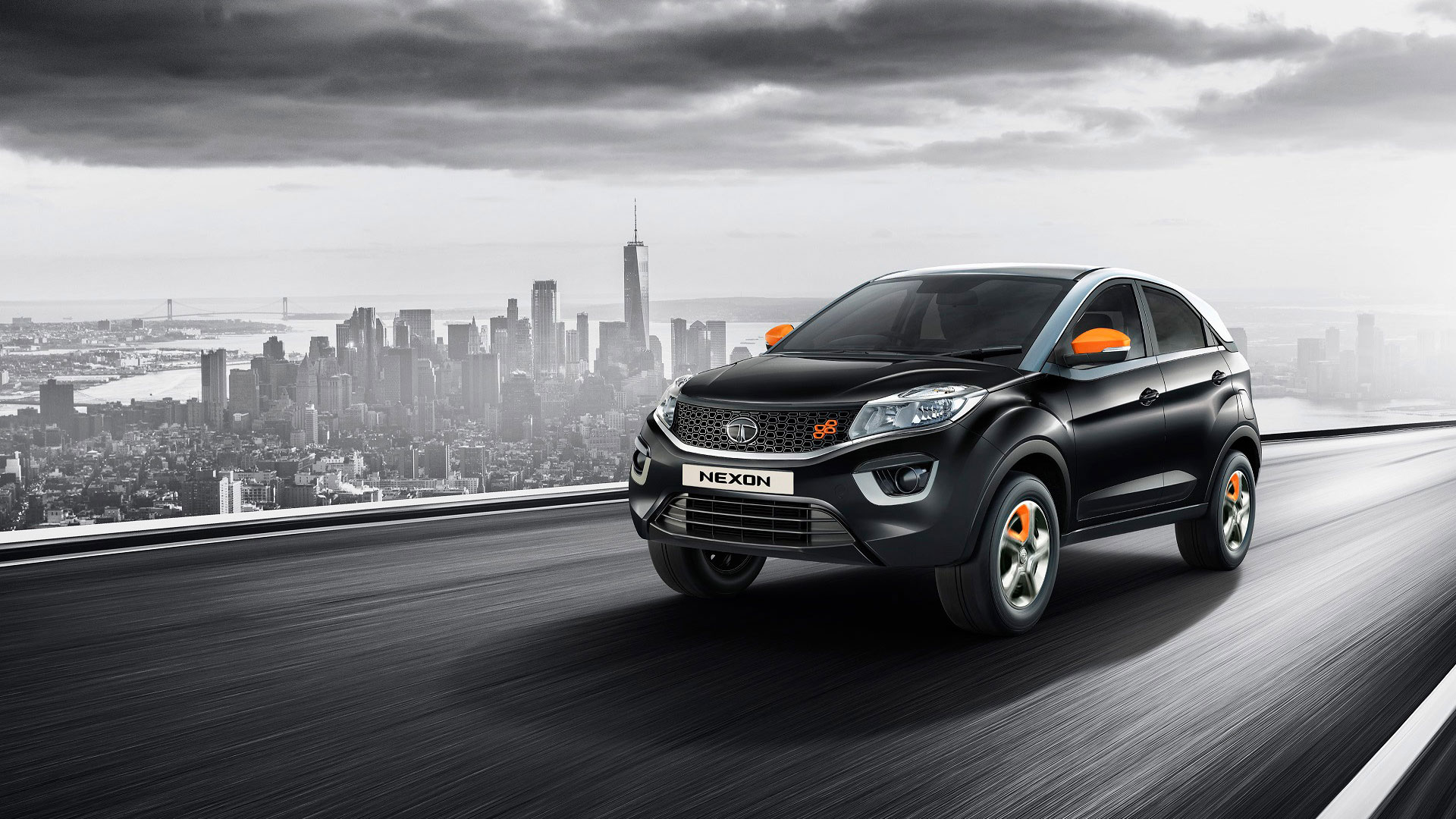
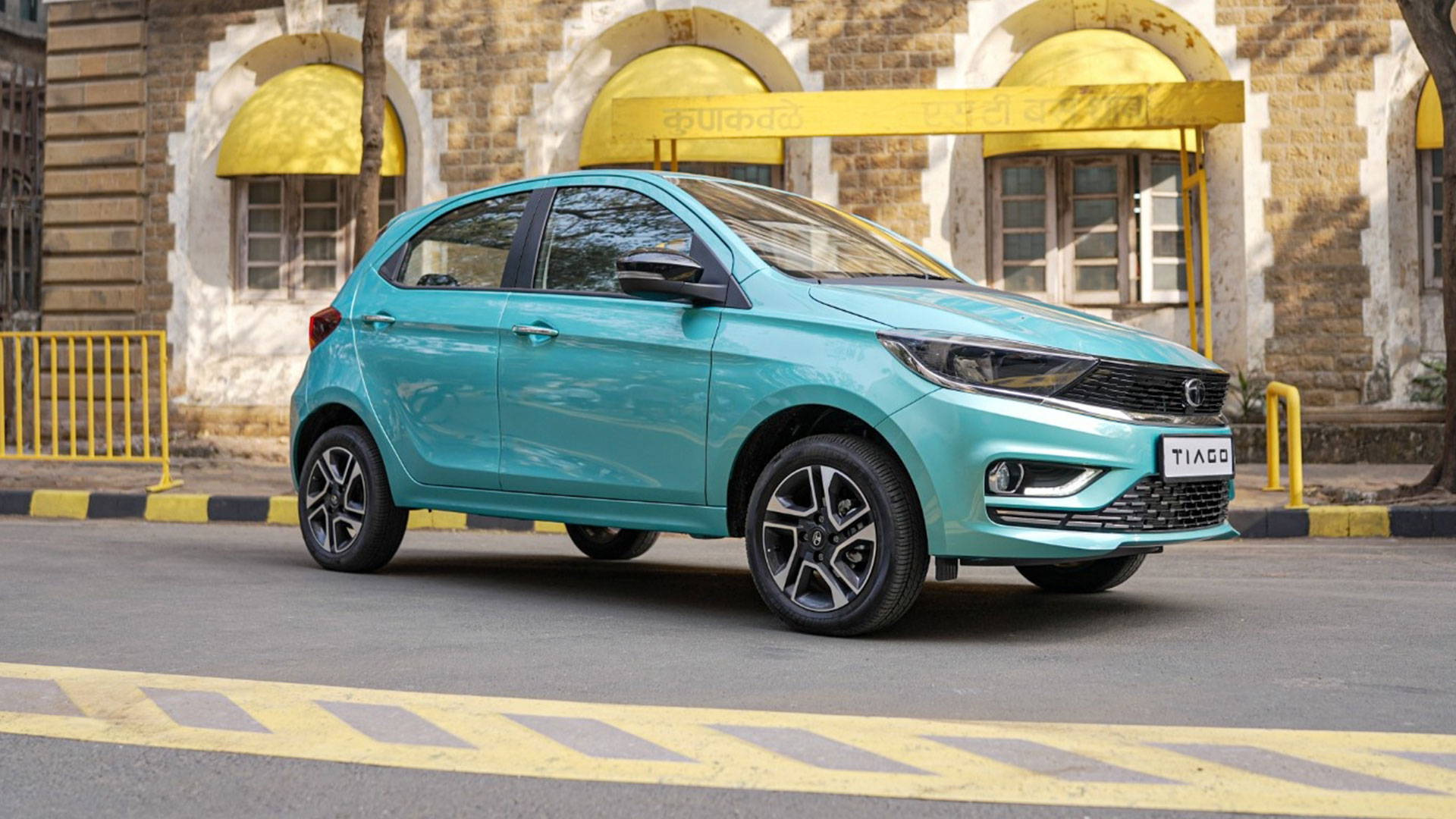
Customers could choose from the Tata Venture, Tata Magic Iris, Tata Ace Zip, Tata Tiago and Tata Tiago AMT, Tata Tigor, Tata Zest, Tata Nexon AMT, Tata Harrier, Tata Altroz, and Tata Nexon, India’s first car to receive a 5-star Global NCAP rating.
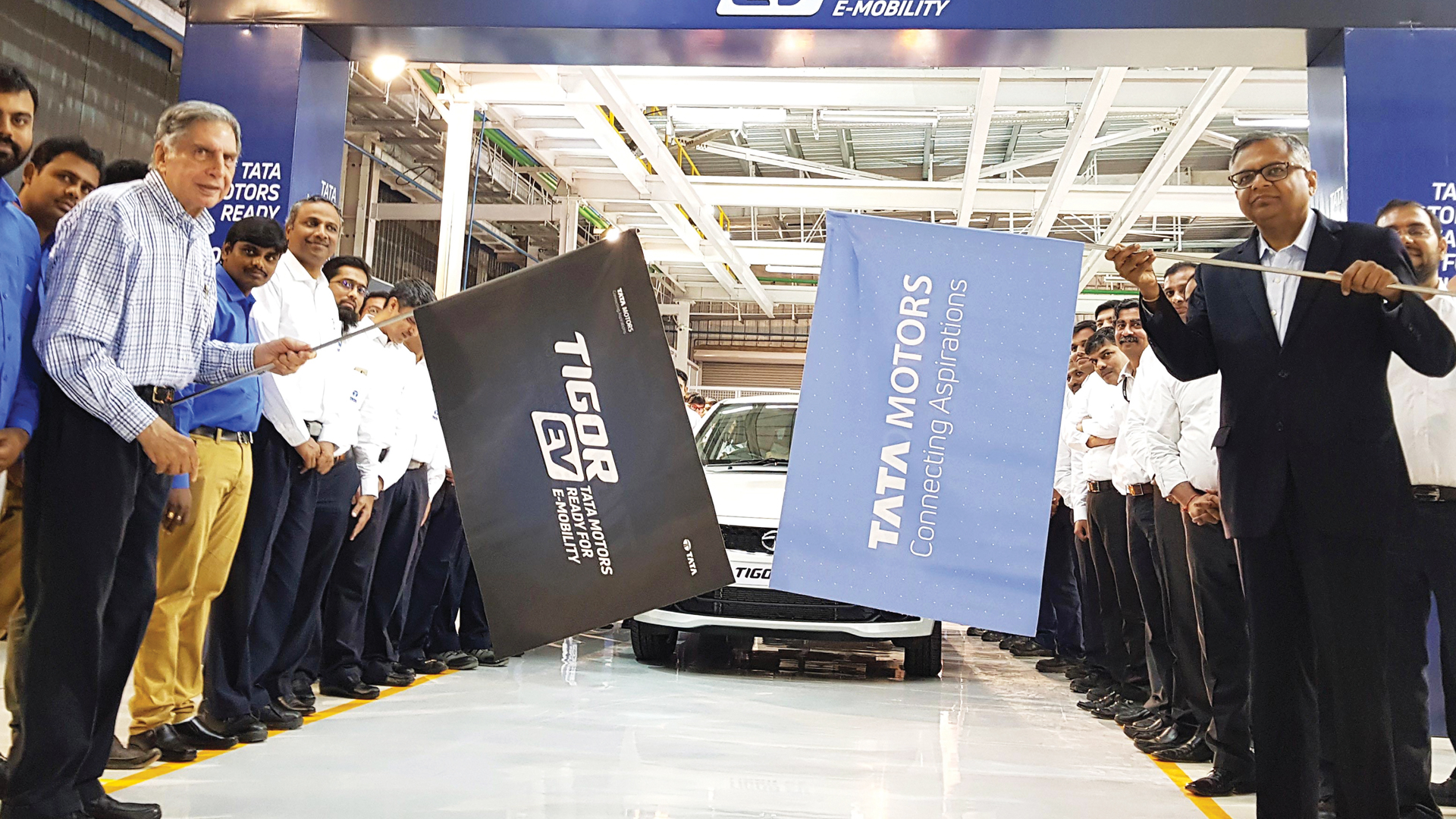
In 2015, Tata Motors rolled out its 3 millionth car, highlighting the brand’s growing popularity. Two years later, it took its first steps into green mobility, with the launch of the Tata Tigor EV (manufactured at the new factory in Sanand, Gujarat). This was also the time it developed the Safari Storme GS800 exclusively for the Indian Army.
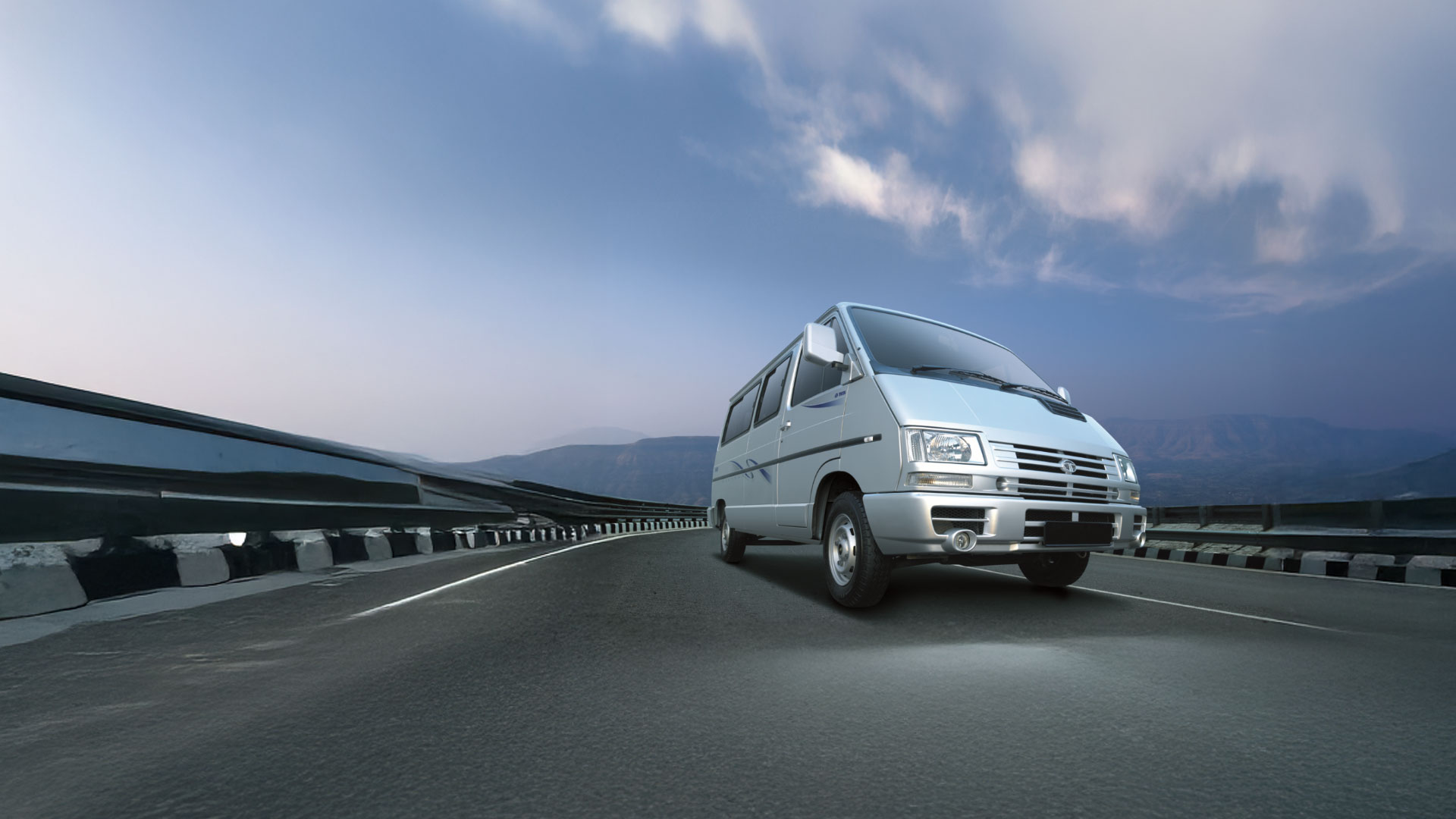
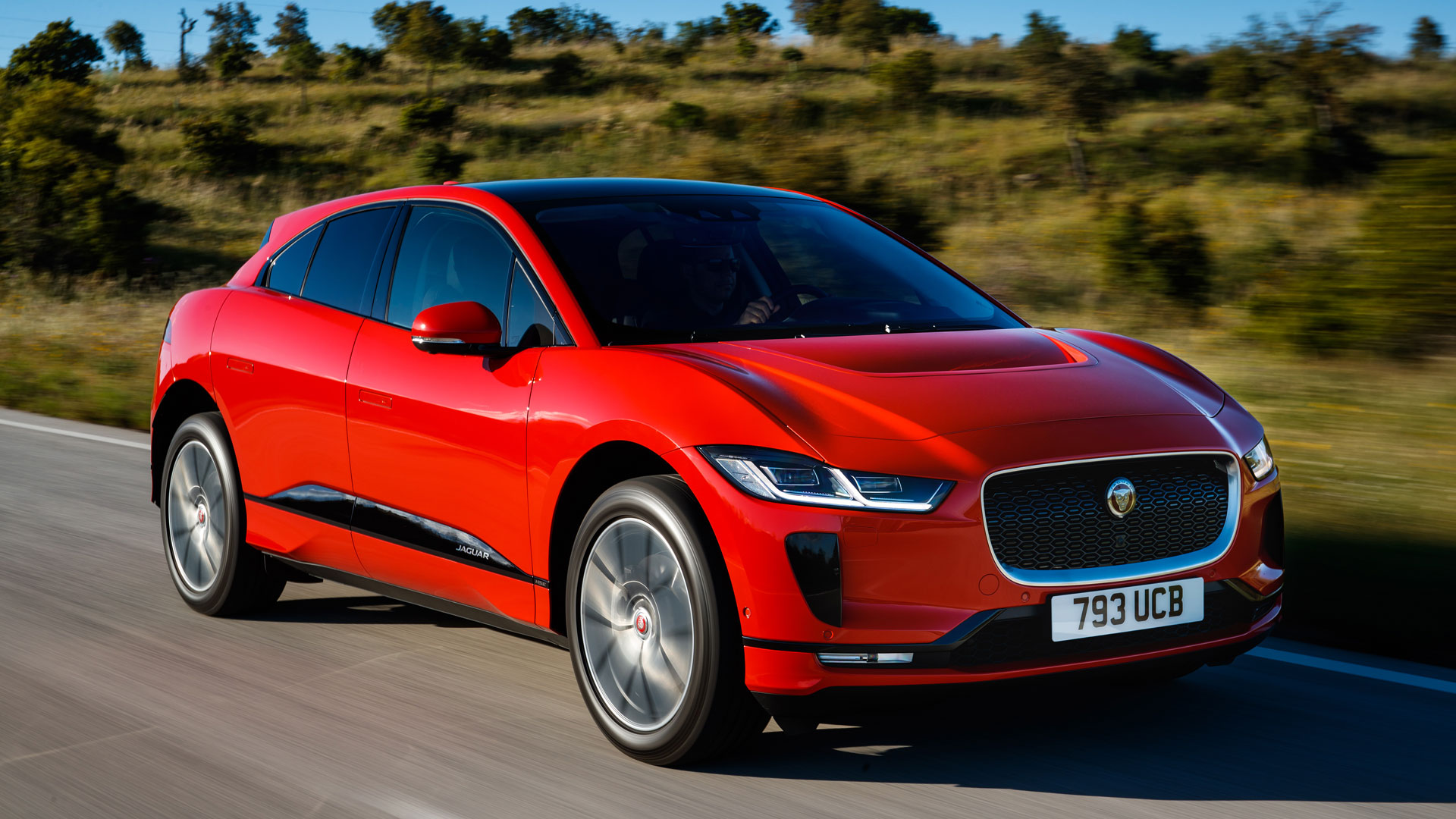
Overseas, Jaguar Land Rover pushed the envelope by unveiling the Jaguar F-Type and the pioneering I-PACE, the world’s first premium all-electric SUV, and the new Land Rover Defender. Commercial vehicle launches included the Tata Ace Gold, ultra range trucks, Winger 15S, Tata Ultra, Tata Prima LX range, Tata Xenon Yodha, Tata Starbus Hybrid, Tata Hexa, Tata AMT Bus, and Tata Marcopolo’s luxury coach called Magna. During this decade, Tata Motors also showcased its engineering prowess through innovations like Revotron, India’s first in-house turbocharged petrol engine, and Ziptron, a cutting-edge EV powertrain platform..
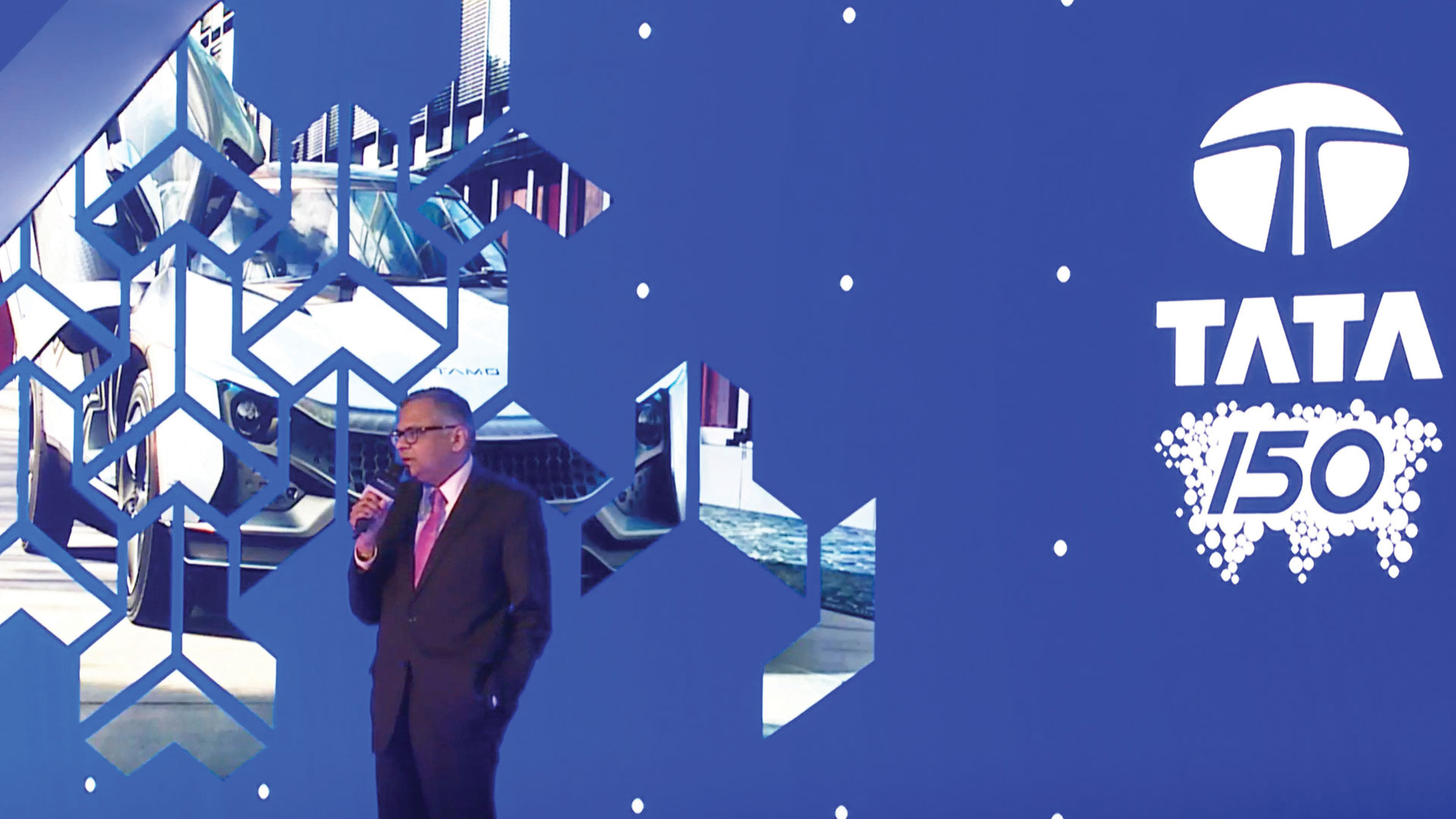
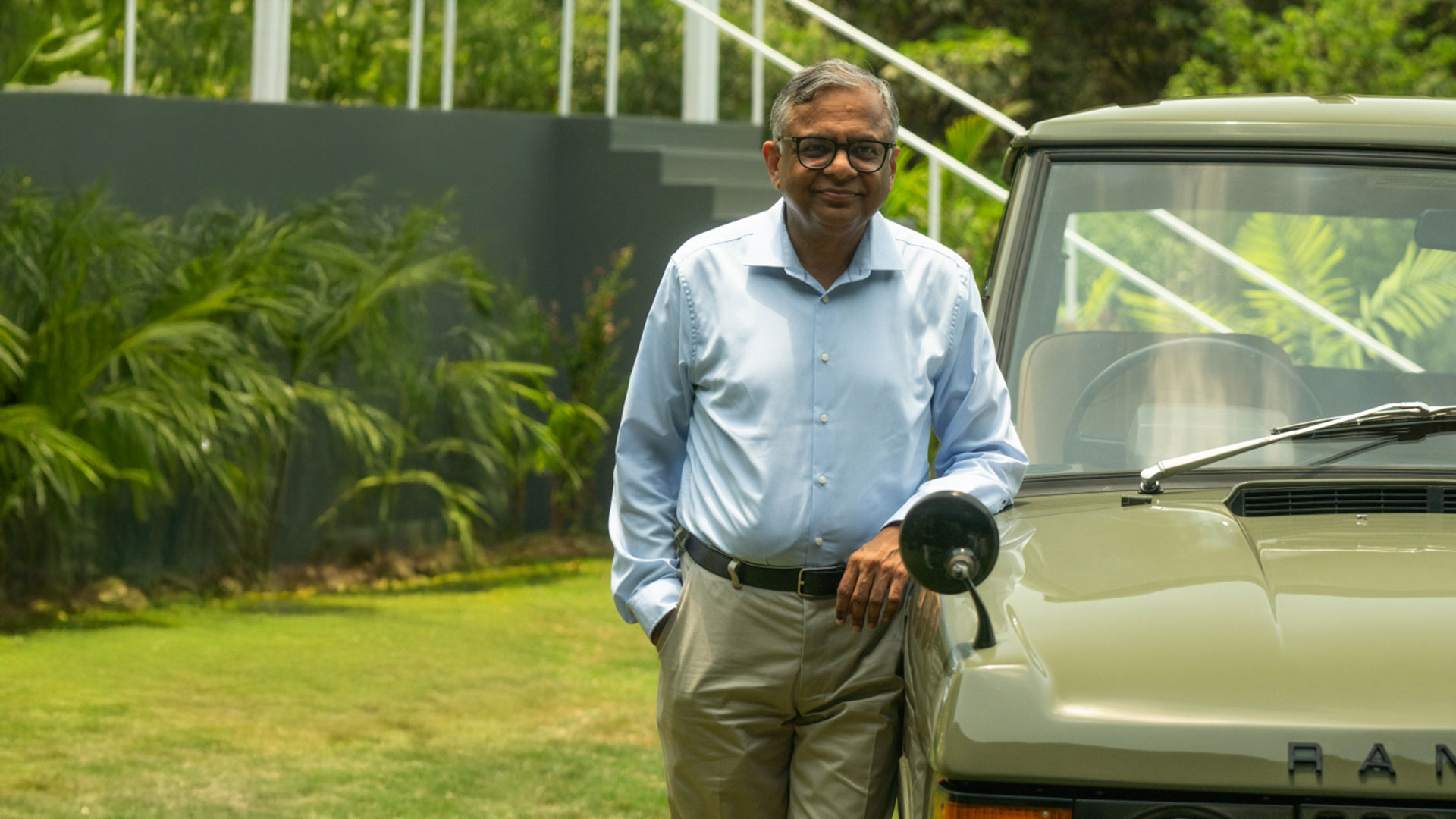
In the pic: N Chandrasekaran, Chairman, Tata Sons, emphasised the company’s commitment to the future of mobility at Auto Expo 2018
2020s: EV leadership and modernisation
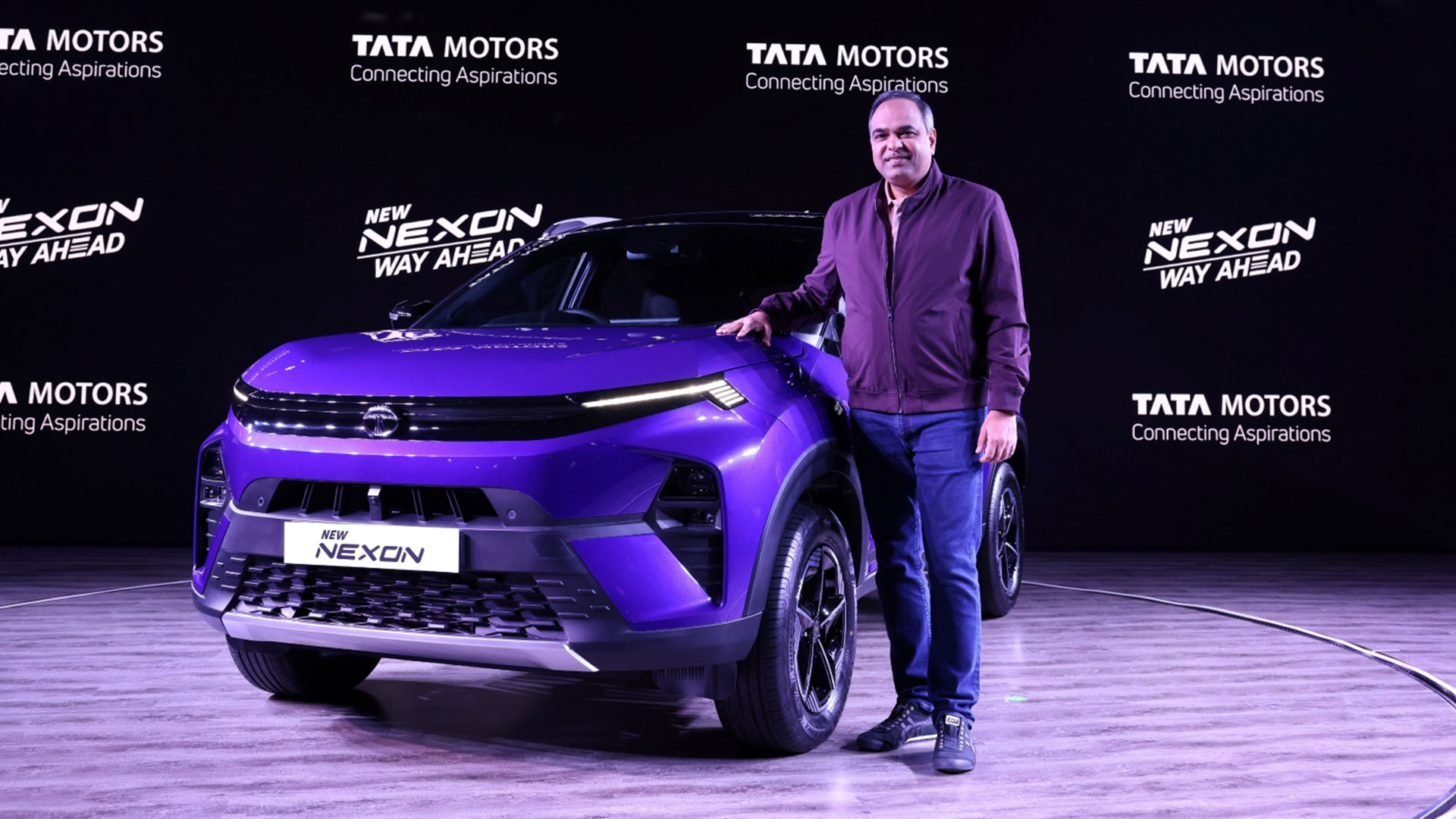
This has been a defining period for Tata Motors, characterised by bold reinvention under the leadership of N Chandrasekaran, Chairman, Tata Sons. The company focused on three strategic pillars — EV leadership, operational excellence and structural optimisation — while leveraging the group ecosystem for competitive advantage.
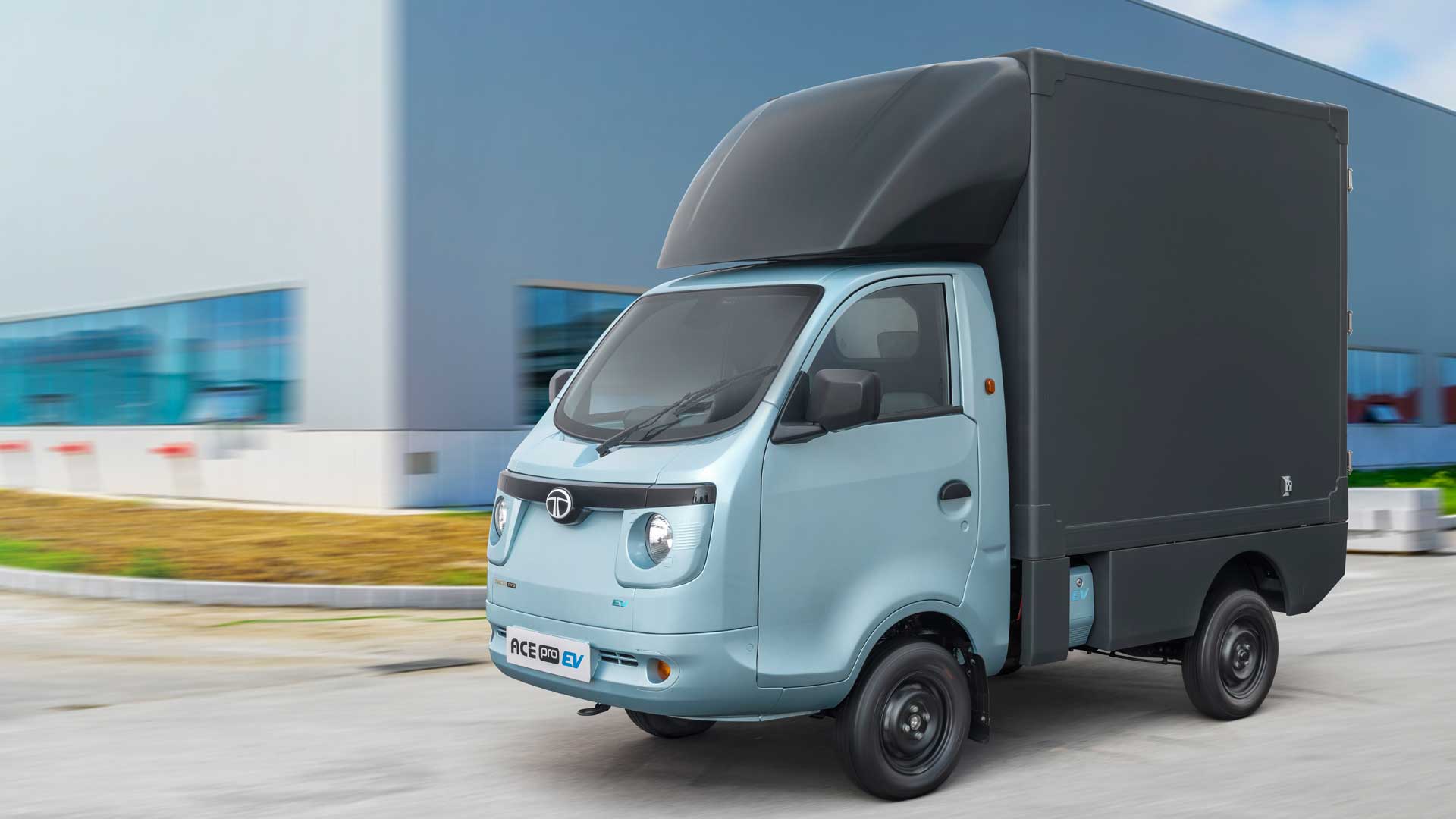
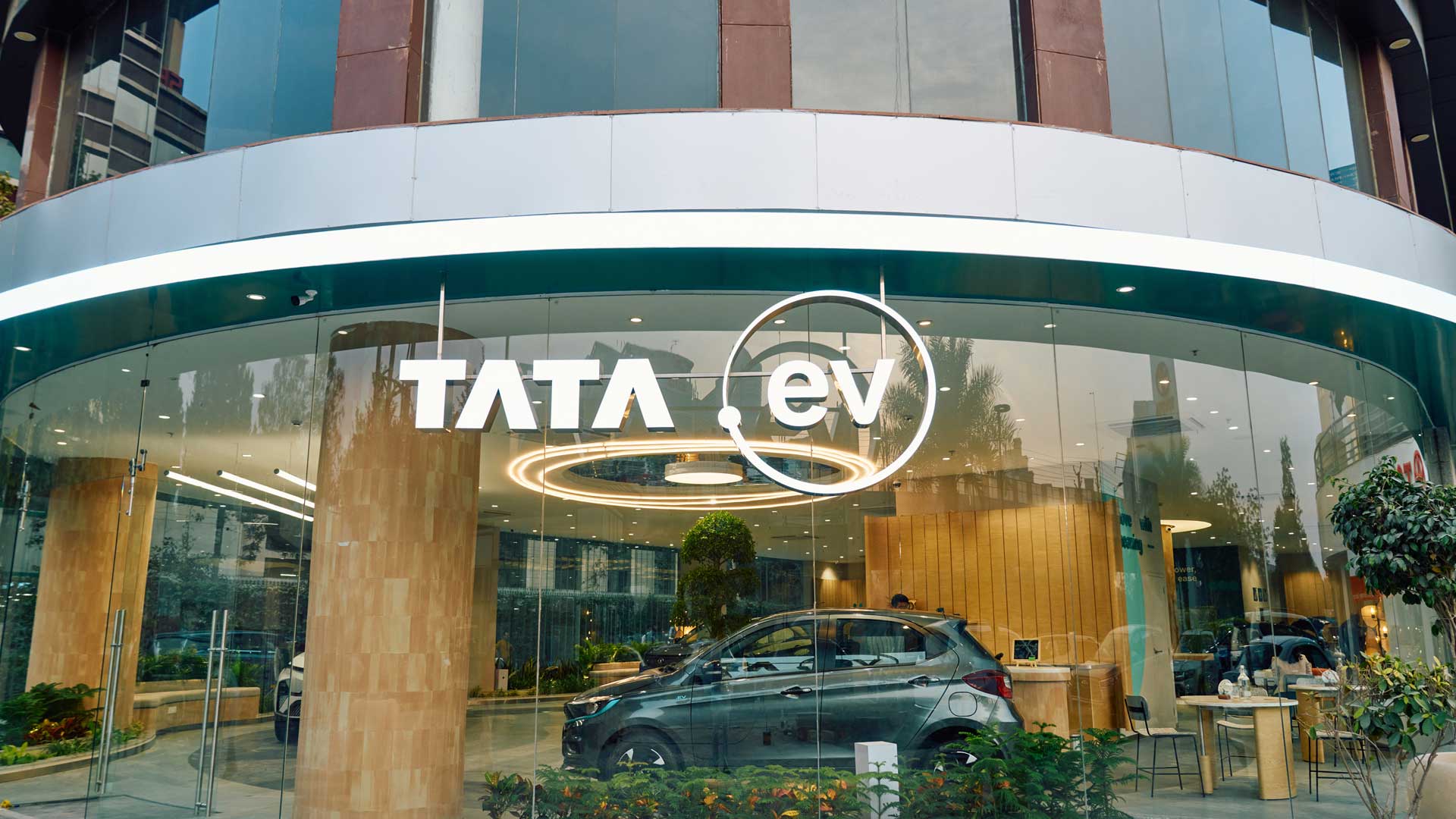
Tata Motors grew its EV line-up to six models, solidifying its position as India’s EV leader. In 2024, it accelerated its green mobility push — launching acti.ev, its first pure EV architecture, and Tata.ev, a new brand identity for its EV business, which crossed 2 lakh customers in February 2025. The company also began trials of hydrogen-powered heavy-duty trucks, reinforcing its net zero goals for PVs by 2040 and CVs by 2045.
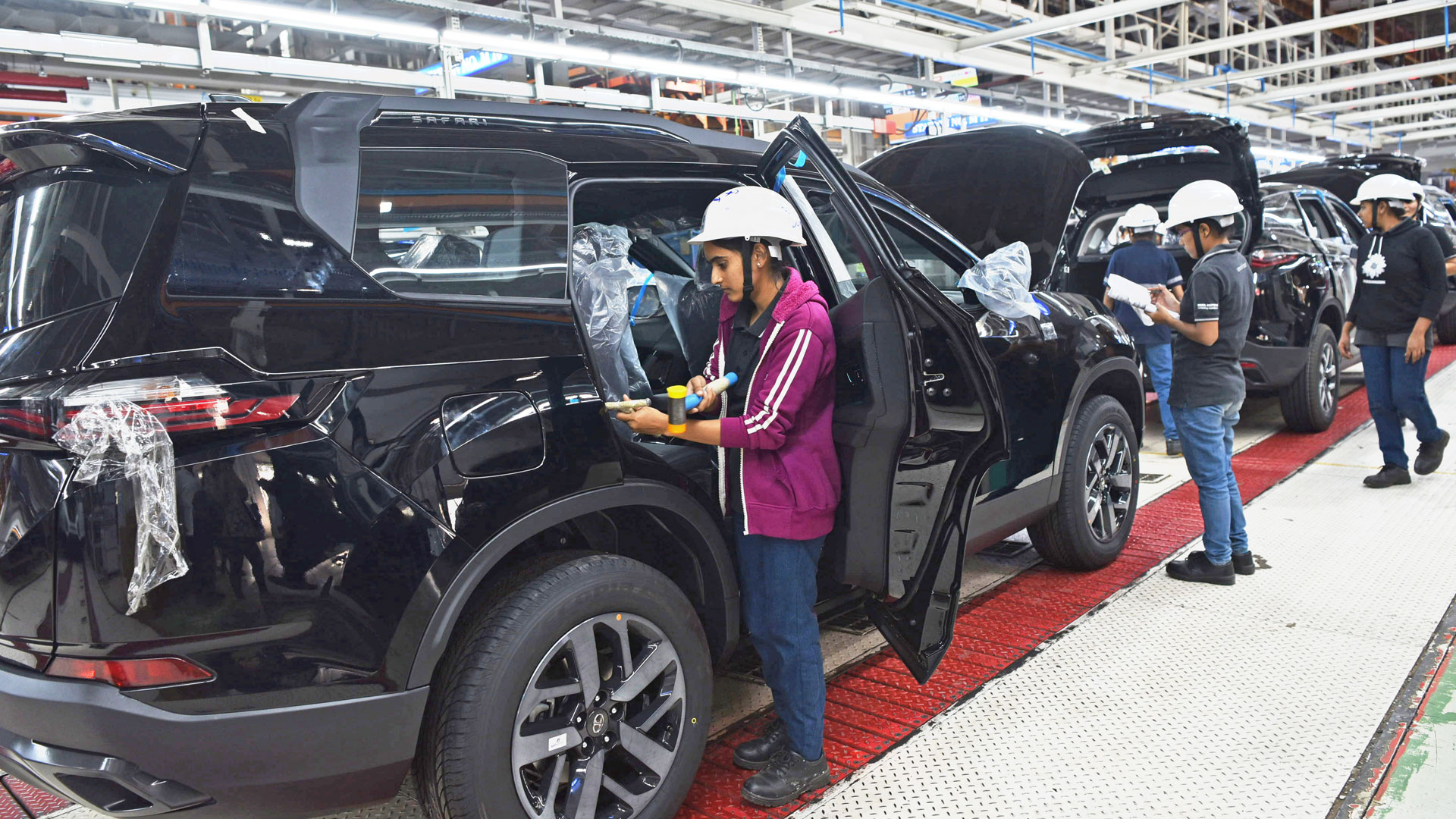
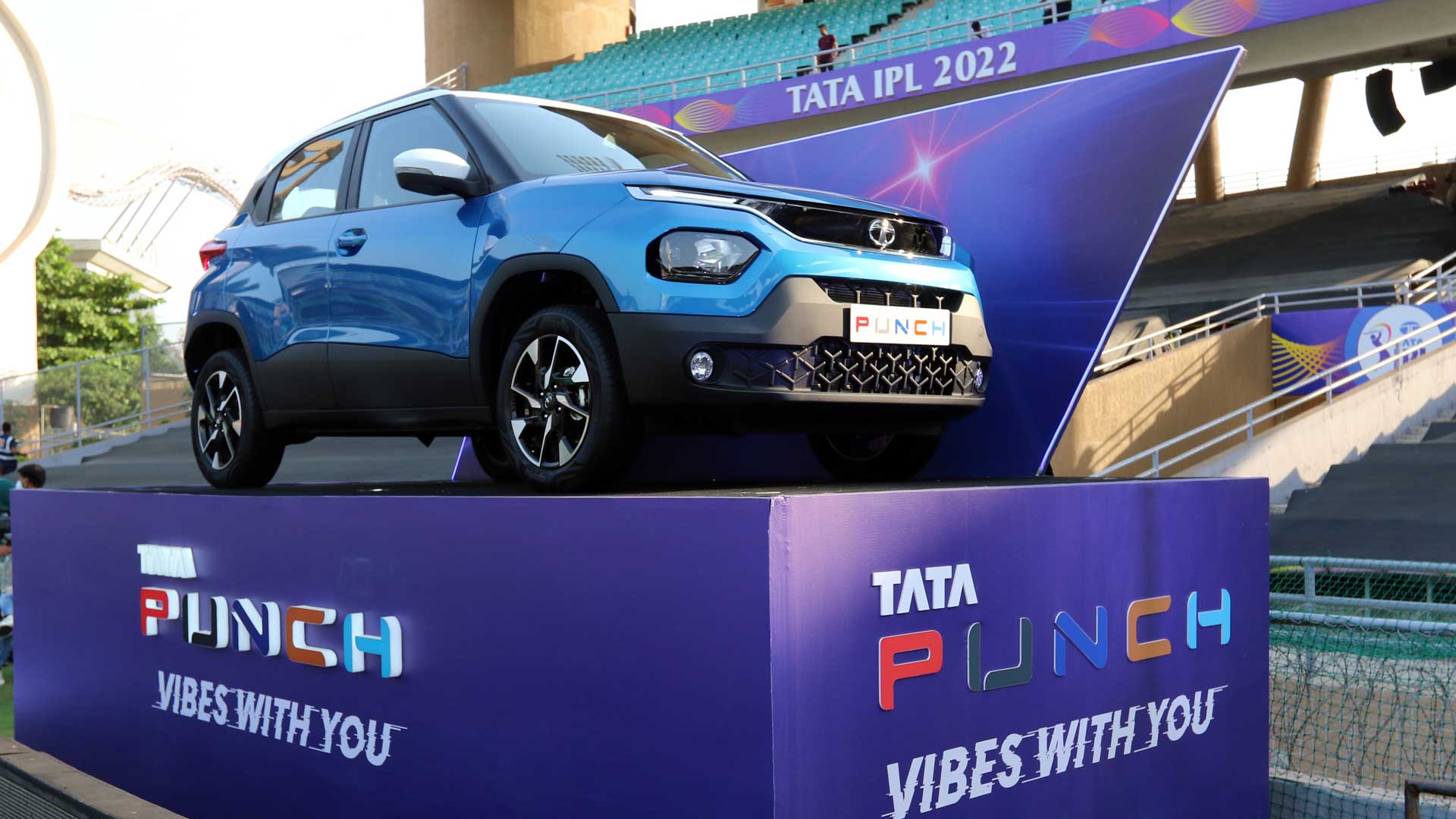
To realise its vision of production at scale, Tata Motors acquired Ford India’s Sanand plant and began building a ₹9,000 crore facility in Tamil Nadu. Flagship models like Tata Curvv and Tata Punch — India’s top-selling car in 2024 — made waves across ICE and EV segments, helping the company cross 50 lakh PV sales by 2025.
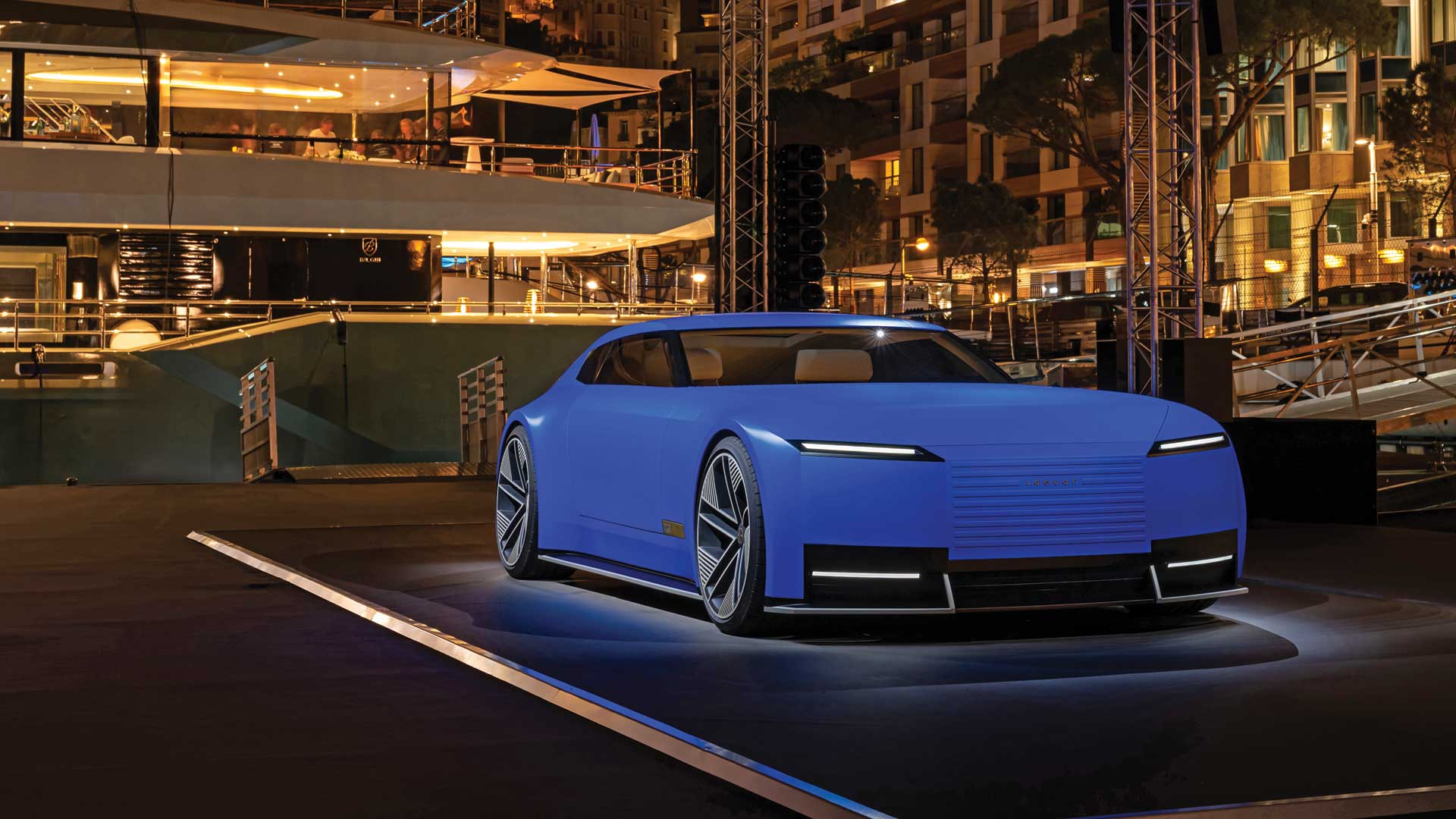
Meanwhile, Jaguar Land Rover (now JLR) began converting its facilities for EVs, targeting carbon-neutrality by 2039. Jaguar, set to go fully electric by 2026, revealed its bold new design direction with the Type 00 concept car.
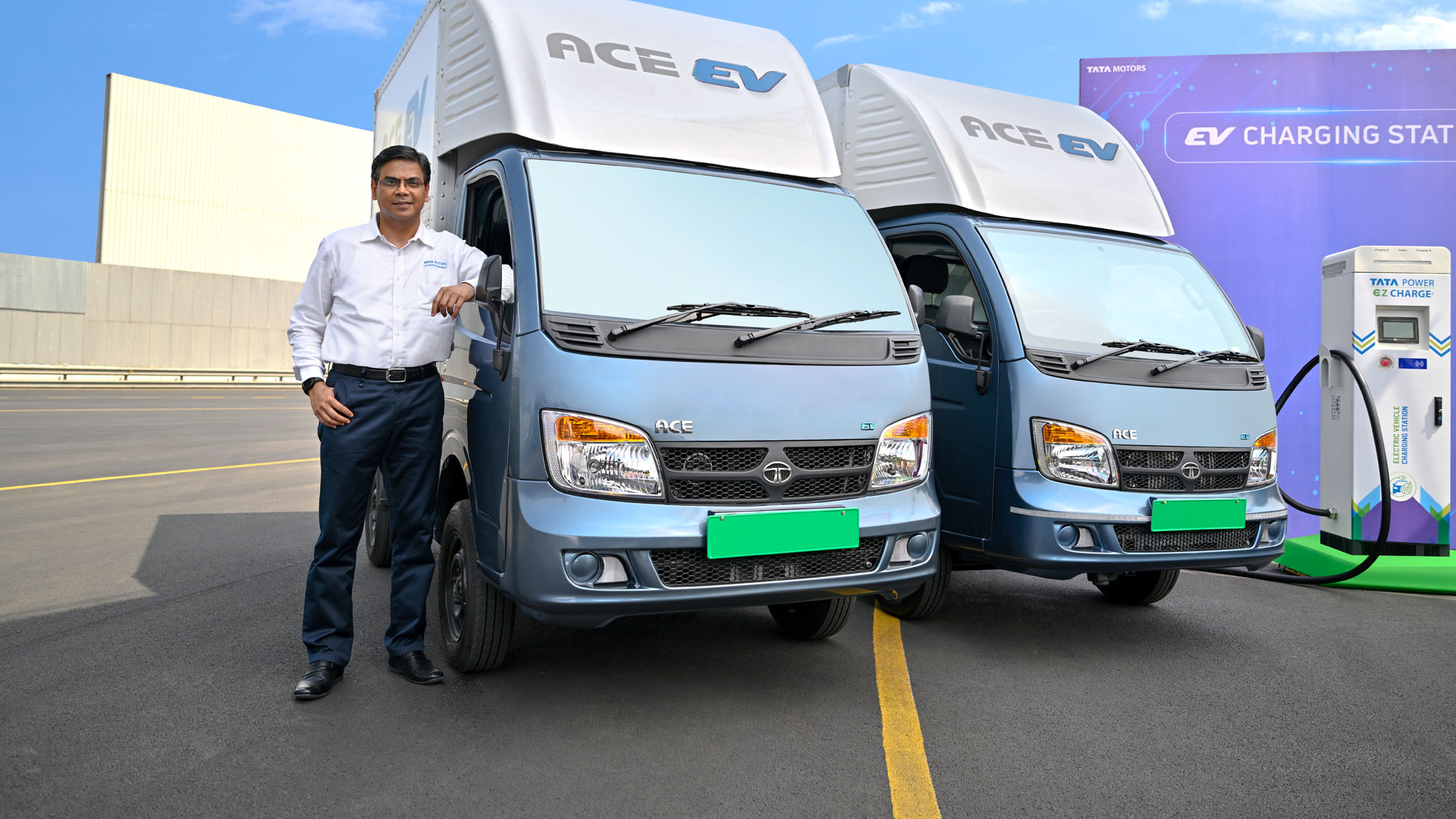
Tata Motors kept its lead as India’s No 1 CV maker, even launching 21 models in one day! Key launches included the Signa 4825.TK, Signa 5525.S prime mover, India’s largest tipper, and Fleet Verse, its digital CV marketplace.
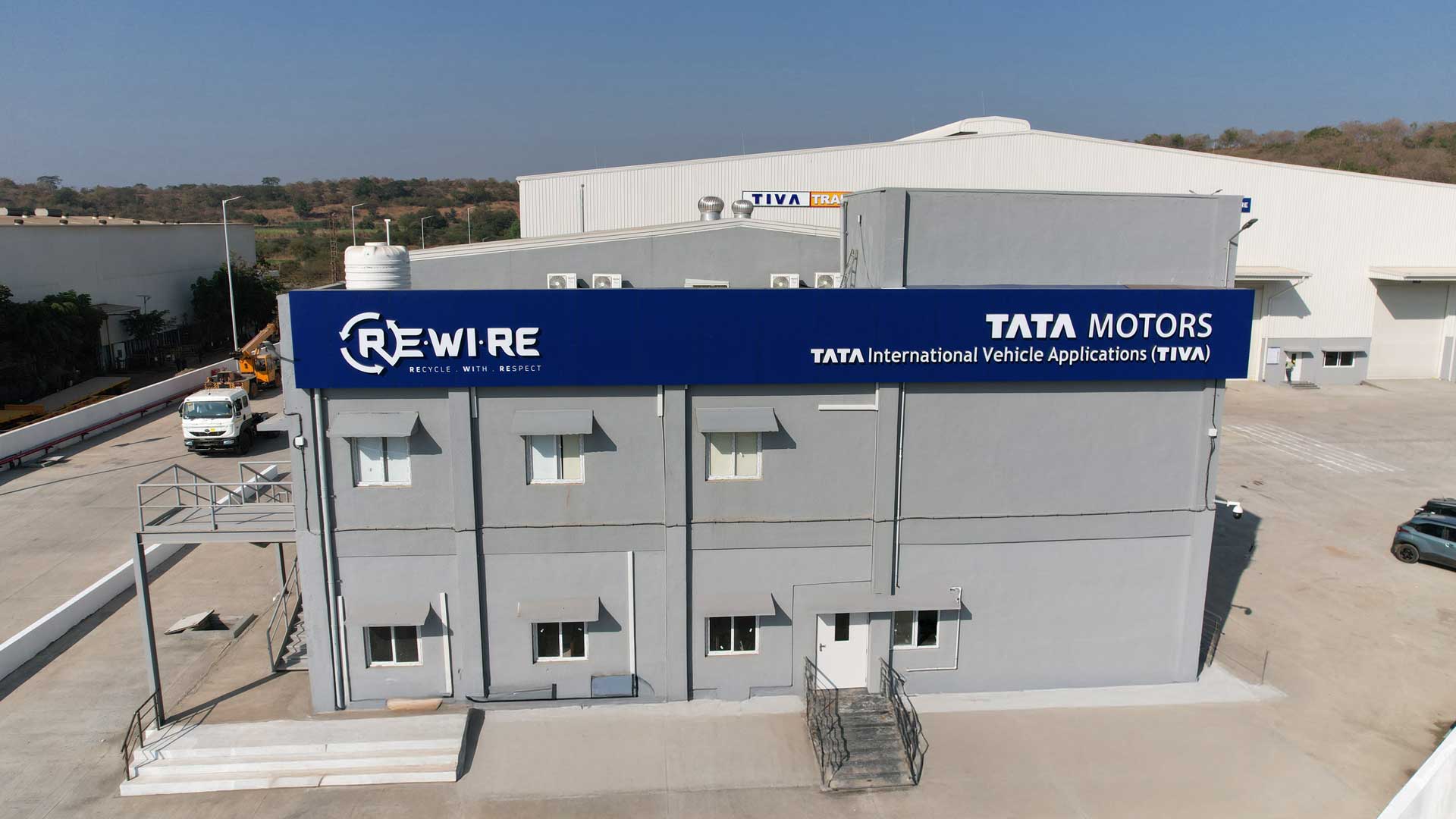
With great production comes great responsibility. In 2023, Tata Motors set up Re.Wi.Re for safe and sustainable dismantling of end-of-life vehicles across all brands.
A significant milestone during this period was the announcement of a demerger strategy. Tata Motors split its CV and PV segments into two separate listed entities. It also merged Tata Motors Finance with Tata Capital, streamlining its financial services. This restructuring reflects Mr Chandrasekaran’s emphasis on focused execution and driving value through organisational clarity.
Over 80 years, Tata Motors has consistently pushed boundaries, embodying innovation and resilience. It is now steering towards a sustainable, electric future, honouring its vision to create mobility solutions for all.
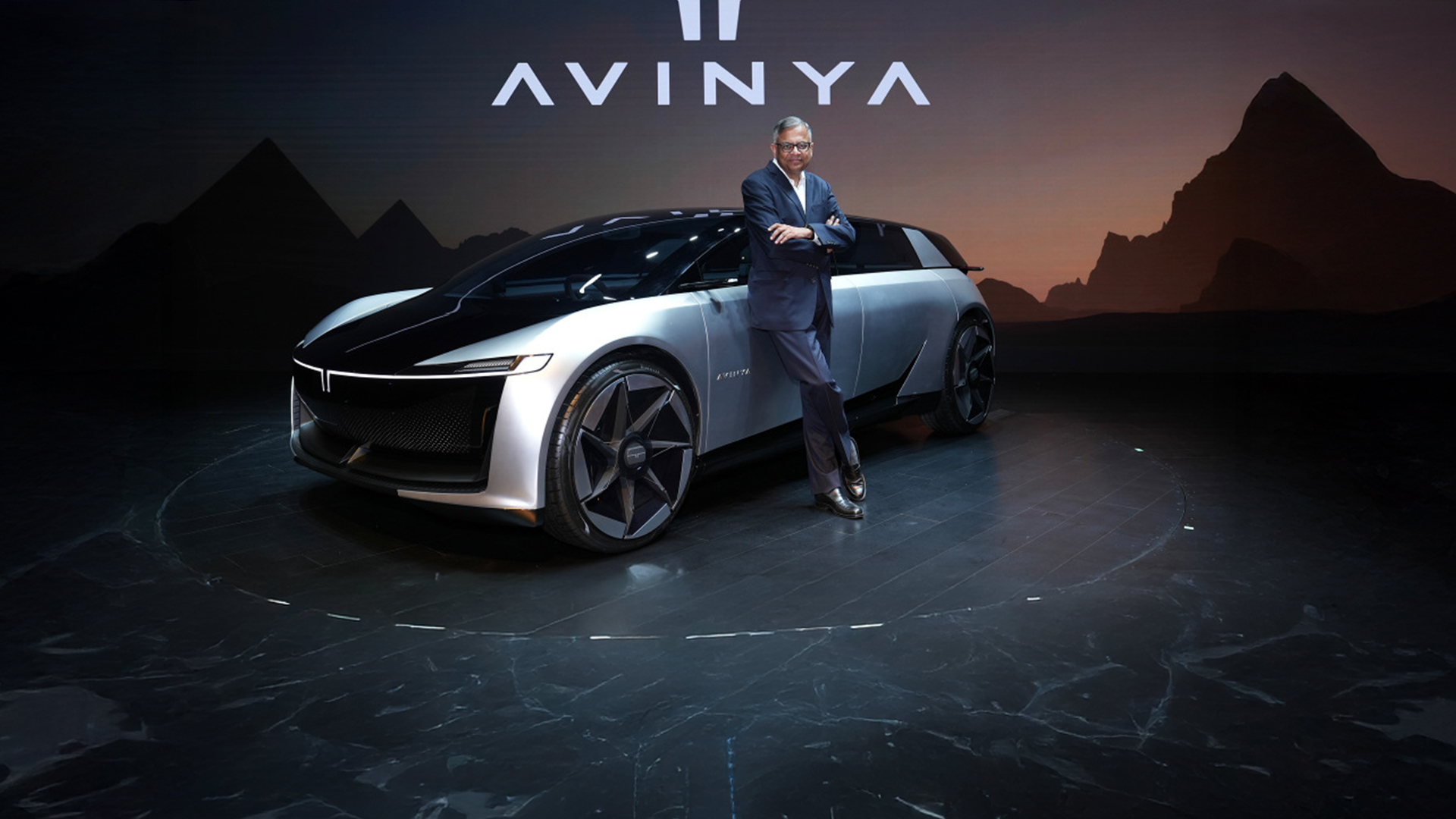
In pic: Chairman Chandrasekaran at the Tata Avinya concept car launch