April 2026 | 1212 words | 5-minute read


Waste Not
At the 2025 Tata Sustainability Conclave, Tata Sons Chairman N Chandrasekaran urged Tata companies to lead global climate action, embedding sustainability and circular economy principles. Tata Group aims to cut Scope 1 and 2 emissions by 25% by 2030 and achieve net-zero by 2045. Tata Steel’s Ludhiana EAF plant recycles scrap into rebars, drastically reducing emissions. Tata Motors’ Re.Wi.Re safely recycles vehicles, closing material loops. Tata Chemicals Europe’s CCU plant turns captured CO2 into sodium bicarbonate, reducing reliance on imports. Tata Power harnesses waste heat for clean energy. Titan Company converts lens waste into parking spaces, cutting costs and emissions.
Waste Not
At the 2025 Tata Sustainability Conclave, Tata Sons Chairman N Chandrasekaran emphasized the Group’s commitment to global climate leadership, embedding sustainability and circular economy principles into business strategies through Project Aalingana. Tata Group aims to cut Scope 1 and 2 emissions by 25% by 2030 and reach net-zero by 2045, leveraging a unified “One Tata” approach to transform waste into valuable resources and revenue streams.
Tata Steel exemplifies this with its Ludhiana electric arc furnace (EAF), India’s first large-scale, low-carbon steelmaking plant, recycling 100% ferrous scrap into rebars, reducing CO₂ emissions by 60-70% compared to conventional methods, and incorporating advanced energy-saving technologies. Tata Motors advances mobility sustainability with Tata Re.Wi.Re, a nationwide network of registered vehicle scrapping facilities that safely dismantle end-of-life vehicles, reintegrating recovered materials into supply chains and ensuring traceability and regulatory compliance. Tata Chemicals Europe operates the UK’s largest carbon capture and utilisation (CCU) plant, capturing up to 40,000 tonnes of CO₂ annually to produce high-grade sodium bicarbonate, significantly reducing emissions and reliance on imported CO₂ while supporting medical applications. Tata Power’s 120MW waste heat recovery plant in Haldia converts steel plant waste heat into clean electricity, exemplifying circular supply chains and exceeding national efficiency averages. Titan Company’s EyeCare division innovatively repurposes lens cutting waste into construction materials for parking areas, reducing incineration costs and carbon emissions, while enhancing sustainability with tree planting and solar lighting.
Collectively, these initiatives demonstrate Tata Group’s scalable, cross-sector commitment to decarbonisation, resource efficiency, and circularity.
Waste Not
At the 2025 Tata Sustainability Conclave, N Chandrasekaran, Chairman of Tata Sons, emphasized that every Tata Group company should strive to be a global leader in climate action. The Conclave serves as a platform for industry leaders, experts, and changemakers to discuss innovative solutions for social and environmental challenges, integrating sustainability deeply into business strategies. Central to these efforts is Project Aalingana, Tata Group’s sustainability initiative, which focuses on embedding circular economy principles and resource efficiency across businesses by leveraging advanced technologies.
The Tata Group has set ambitious climate goals: reducing Scope 1 and 2 carbon emissions by 25% by 2030 and achieving net-zero emissions across its entire value chain by 2045. By adopting a unified “One Tata” approach, companies are reimagining processes and discovering value in waste, transforming by-products and end-of-life materials into new resources and revenue streams, thereby contributing to India’s sustainable future.
**Tata Steel** is pioneering circular economy models, notably with its Ludhiana, Punjab facility—a 0.85 million tonne per annum (MTPA) electric arc furnace (EAF) that recycles 100% ferrous scrap into high-quality TMT rebars. This process reduces CO₂ emissions to 0.3-0.4 tonnes per tonne of crude steel, a 60-70% reduction compared to conventional blast furnace plants. With a capital expenditure of ₹3,400 crore, this is India’s first large-scale, low-carbon steelmaking initiative, positioning Tata Steel as a leader in green steelmaking. The Ludhiana EAF aligns with Tata Steel’s distributed manufacturing model, focusing on local value creation and sourcing within a 300-400km radius. Innovations such as scrap pre-heating, hot-billet charging, and the patented Q-One transformer technology optimize energy use and product quality.
**Tata Motors** is advancing sustainable mobility through its Tata Re.Wi.Re (Recycle with Respect) initiative, inspired by Project Aalingana. Launched in 2022, Tata Re.Wi.Re operates registered vehicle scrapping facilities (RVSFs) capable of dismantling over 175,000 vehicles annually, generating more than 500 direct jobs. The initiative ensures safe, environmentally friendly recycling of end-of-life vehicles, with recovered materials integrated back into the supply chain, closing the loop with suppliers like Tata Steel. Using a decentralized, franchise-led model, Tata Motors empowers partners with technology, branding, and traceability. The entire scrapping process is digitally tracked, complying with government standards, and offers customers incentives for new vehicle purchases.
**Tata Chemicals Europe (TCE)** established the UK’s largest industrial-scale carbon capture and utilization (CCU) plant in Northwich in 2022. The plant captures and purifies up to 40,000 tonnes of CO₂ annually, achieving a 95% reduction in emissions from its CHP plant. Purified CO₂ is used to produce high-grade sodium bicarbonate, sold in over 80 countries, with significant use in haemodialysis treatments. Supported by £4.2 million UK government funding, the CCU plant has reduced reliance on imported CO₂ and created new revenue streams. TCE recently invested £60 million to increase output to 140,000 tonnes.
**Tata Power** operates a 120MW waste heat recovery plant in Haldia, West Bengal, integrated with Tata Steel’s coke division. The plant uses advanced technology to generate clean electricity from waste heat, achieving a 34% plant load factor, surpassing national averages, and demonstrating circular supply chain success.
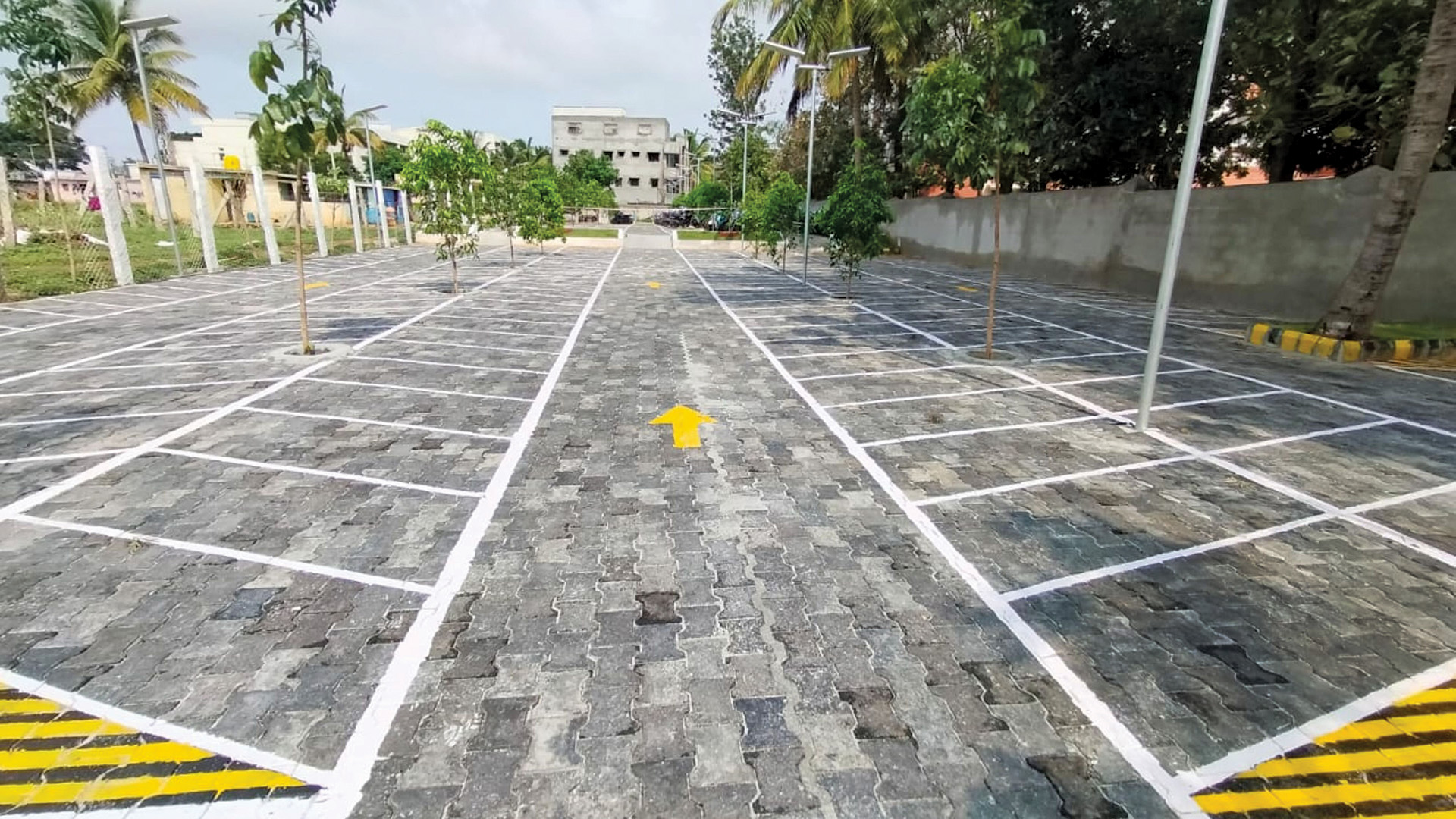
**Titan Company** tackled lens waste incineration by converting waste into construction materials such as paver blocks and kerb stones, using eight tonne of lens cutting waste to build a 1,950sq ft car parking area, while 24.5t was used to build a 15,000sq ft two-wheeler parking area.


- 0.5×
- 0.75×
- 1×
- 1.25×
- 1.5×


Every company in our Group should aim to be a leader on climate action globally, said N Chandrasekaran, Chairman, Tata Sons, at the 2025 Tata Sustainability Conclave, a platform where industry leaders, global experts, and changemakers converge to explore cutting-edge trends and innovative solutions for social and environmental challenges, embedding sustainability at the heart of business strategy.
In keeping with the fundamental tenets of Project Aalingana — the Tata Group’s sustainability initiative — Tata companies are increasingly embedding circular economy principles and driving resource efficiency across businesses by leveraging the technologies of tomorrow.
Recognising the importance of decarbonising the corporate value chain, the Tata Group has set a goal to reduce Scope 1 and 2 carbon emissions by 25% by 2030 and achieve net-zero emissions across its entire value chain by 2045. By adopting a synergised One Tata approach, companies are now not only reimagining processes but also discovering value in waste — transforming by-products and end-of-life materials into new resources and revenue streams — thereby contributing to India’s sustainable future.
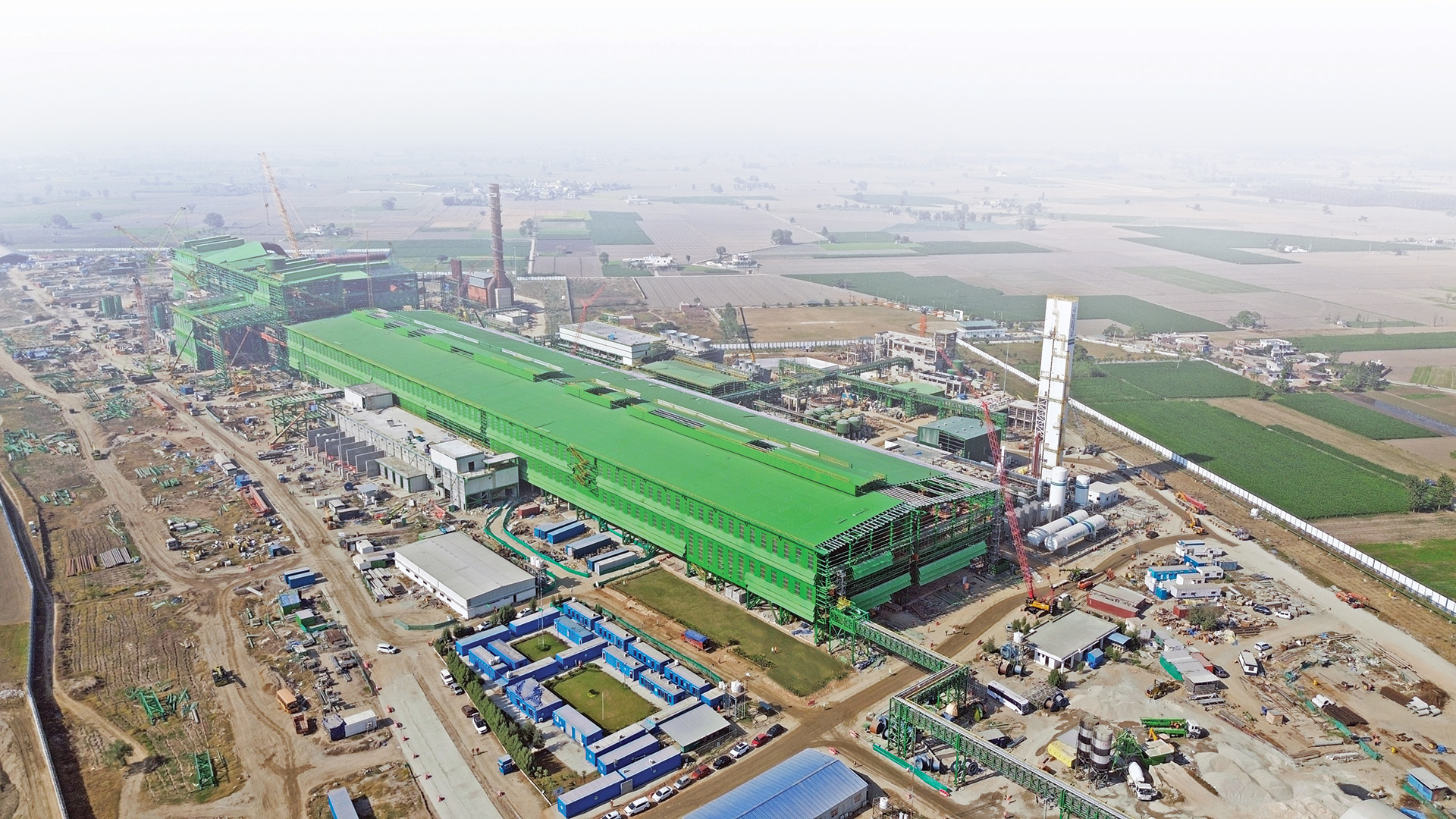
Tata Steel: Recycling scrap into rebars
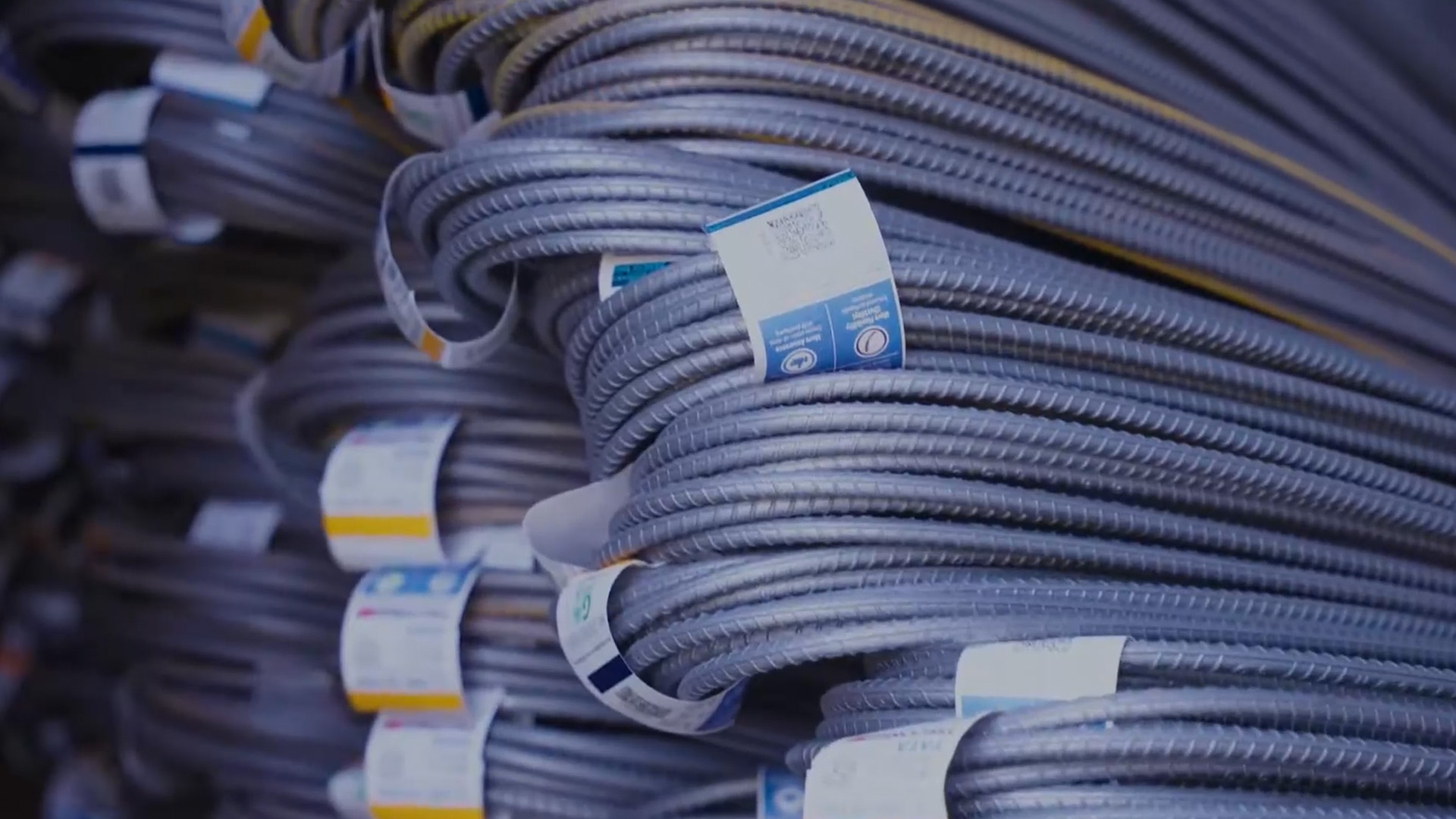
Tata Steel is pioneering a circular economy model in Ludhiana, Punjab, with an innovative 0.85MTPA electric arc furnace (EAF) that converts 100% ferrous scrap — destined for landfills — into high-quality TMT rebars. With a substantial capital expenditure of ~Rs 3,400 crore, the Ludhiana EAF plant is the first large-scale, low-carbon steelmaking initiative by a major Indian steelmaker. It positions Tata Steel as a front-runner in scrap recycling and green steelmaking and is a cornerstone of its net-zero strategy.
Moreover, the Ludhiana EAF aligns with Tata Steel’s distributed manufacturing business model, which strategically focuses on local value creation, sourcing scrap and selling finished rebars within a defined radius (~300-400km). This modular EAF set-up features significant energy-saving innovations like scrap pre-heating and hot-billet charging, eliminating the need for a reheating furnace.
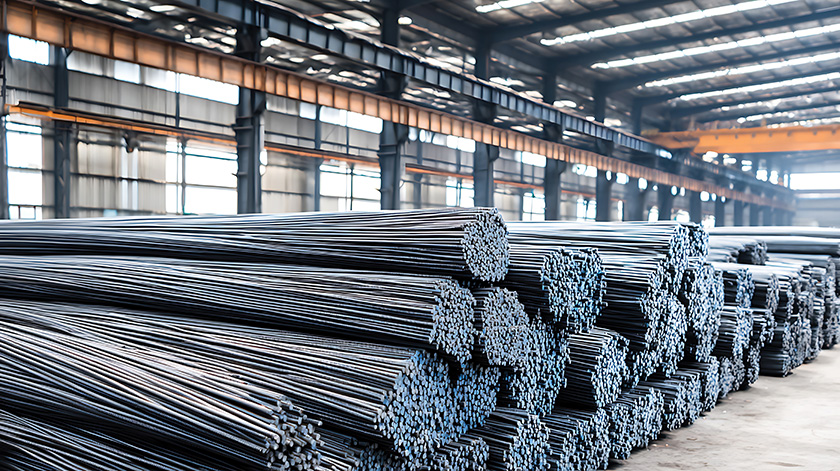
- CO₂ emissions reduced to 0.3-0.4 tCO₂ per tonne of crude steel (compared to 2.2 tCO₂ per tonne from conventional routes)
- 60-70% reduction in carbon emissions versus conventional blast furnace plants
Further enhancing performance is the patented Q-One transformer technology from Danieli, Italy. These technologies are crucial for optimising scrap conversion, minimising energy consumption, and delivering a superior product.
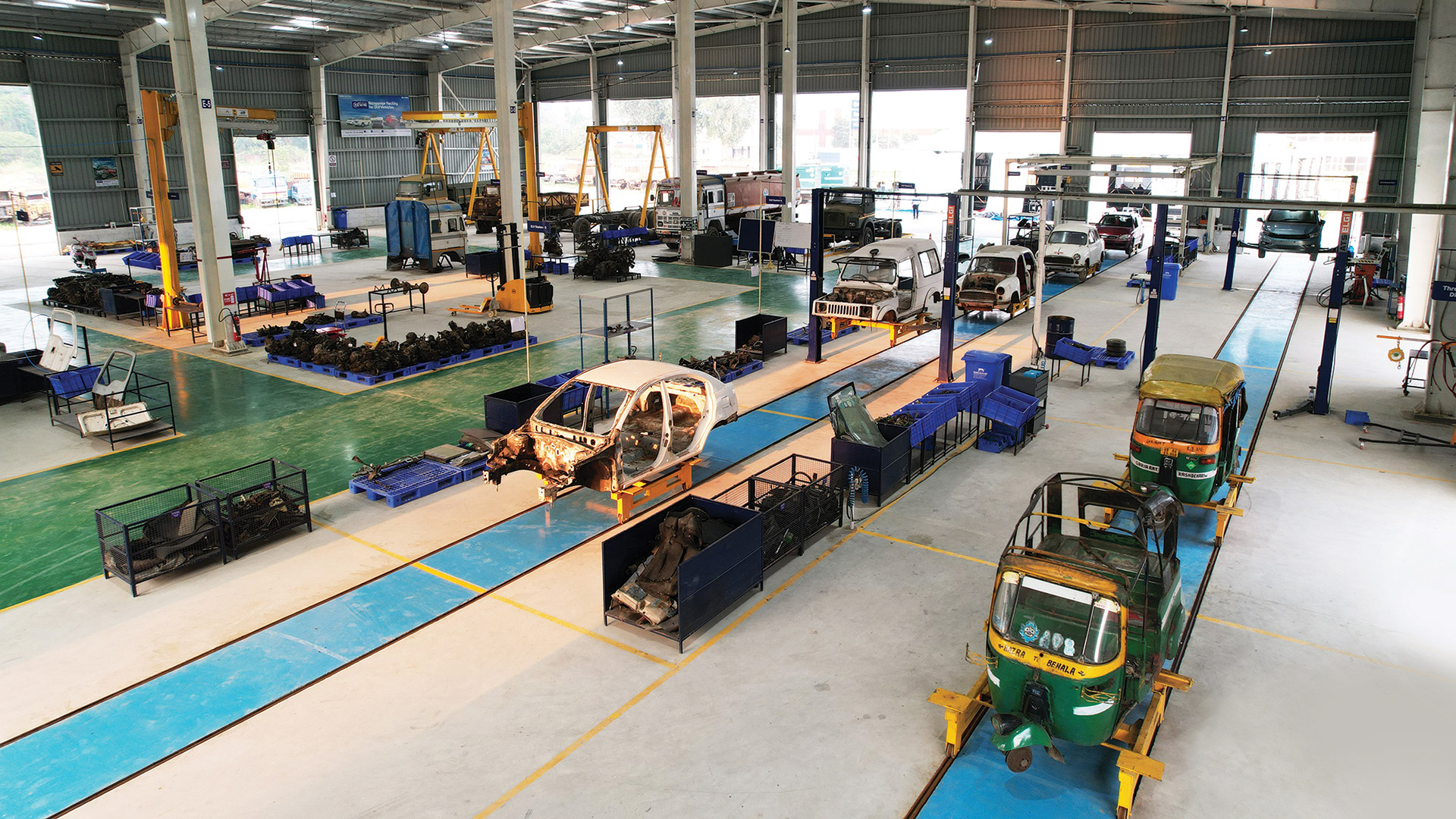
Tata Motors: Efficient, safe recycling of end-of-life vehicles
The company is shaping the future of mobility with its groundbreaking initiative — Tata Re.Wi.Re — Recycle with Respect, which is inspired by Project Aalingana. Its vision rests on three transformative pillars: achieving net-zero emissions, accelerating circularity, and safeguarding nature and biodiversity.
Launched in 2022, Tata Re.Wi.Re operates registered vehicle scrapping facilities (RVSFs) to dismantle end-of-life passenger and commercial vehicles across all brands using safe and environmentally friendly practices. Recovered materials are integrated into the supply chain with strategic suppliers, such as Tata Steel, effectively closing the loop.
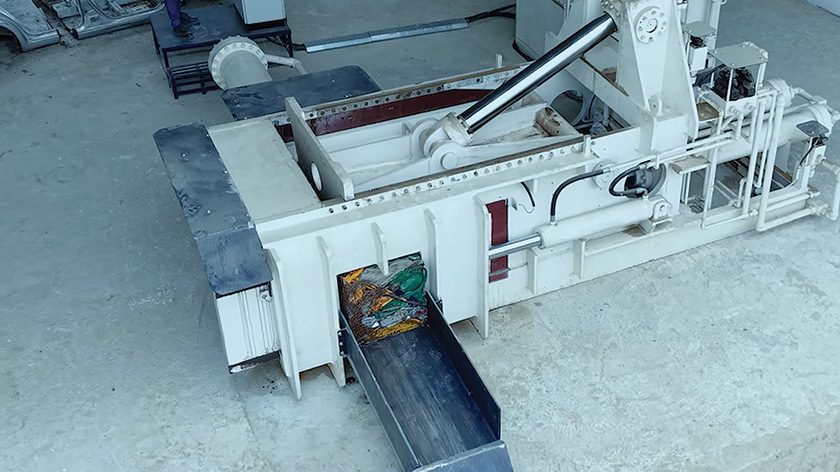
- 11 operational facilities
- Capacity to dismantle 1.75 lakh+ vehicles annually
- 500+ direct jobs generated
It uses a decentralised, franchise-led model, empowering partners with the know-how for tech stack operations, branding, and close looping initiatives. Every step of the scrapping process — from depollution to dismantling — is tracked digitally, ensuring complete traceability and compliance with the Ministry of Road Transport and Highways and Central Pollution Control Board norms. The Tata Re.Wi.Re portal offers customers a seamless experience, providing a Certificate of Deposit that unlocks exciting incentives for new vehicle purchases.
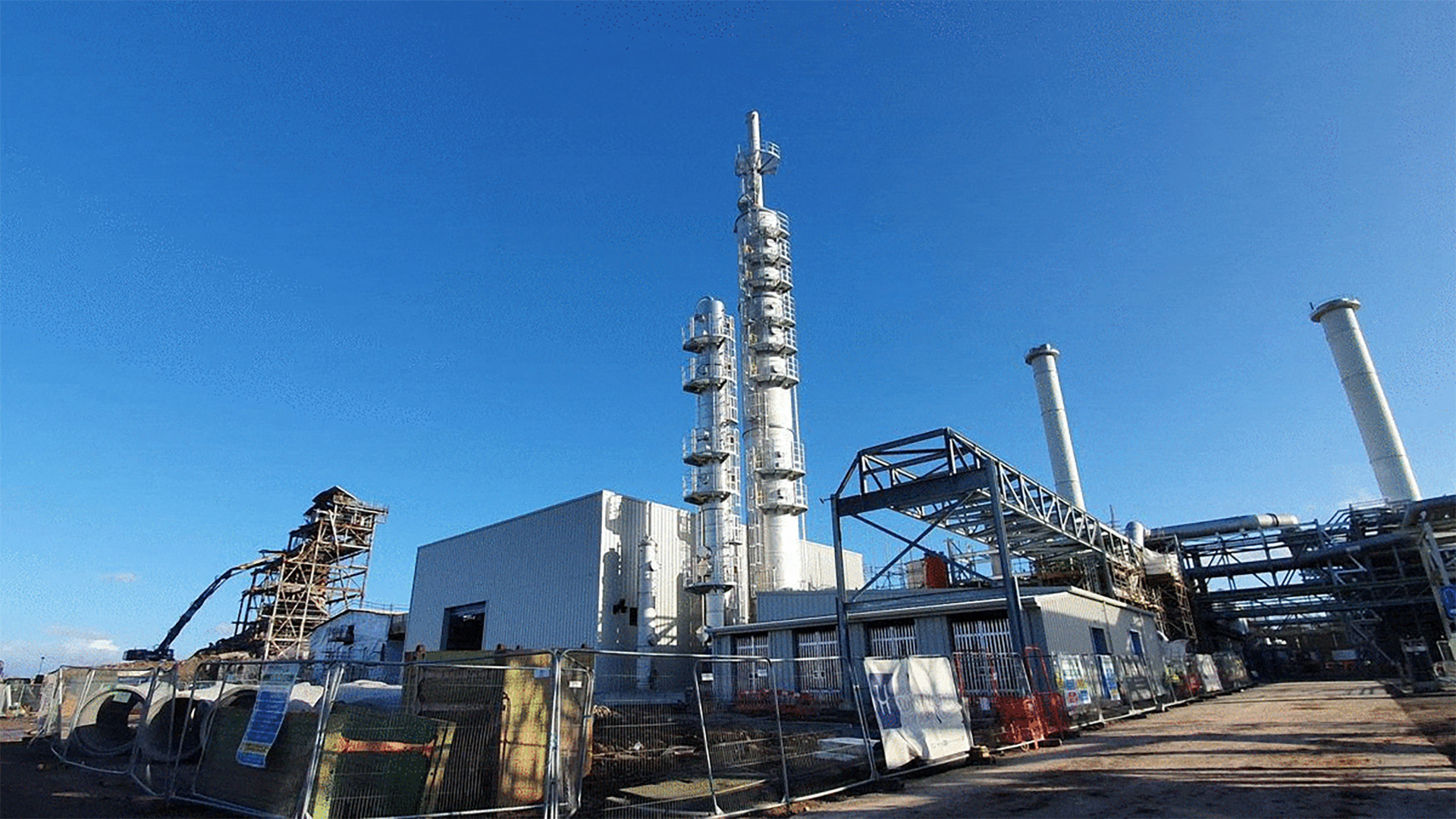
Tata Chemicals Europe: Turning captured CO2 into high-grade sodium bicarbonate
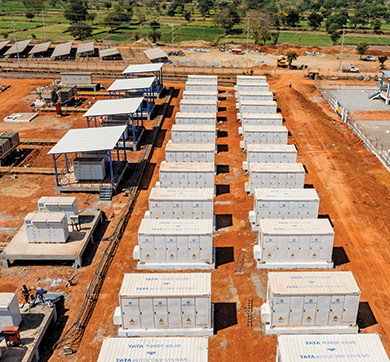
In 2022, Tata Chemicals Europe (TCE) established the UK’s first and largest industrial-scale carbon capture and utilisation (CCU) plant at its facility in Northwich. The CCU plant captures CO2 from the site’s gas-fired combined heat and power (CHP) plant, purifies it to food- and pharmaceutical-grade quality. This purified CO2 is used as raw material to manufacture high-grade sodium bicarbonate and sold in 80+ countries under the EcoKarb® brand. A significant portion of the sodium bicarbonate exported is used in haemodialysis treatment for kidney disease.
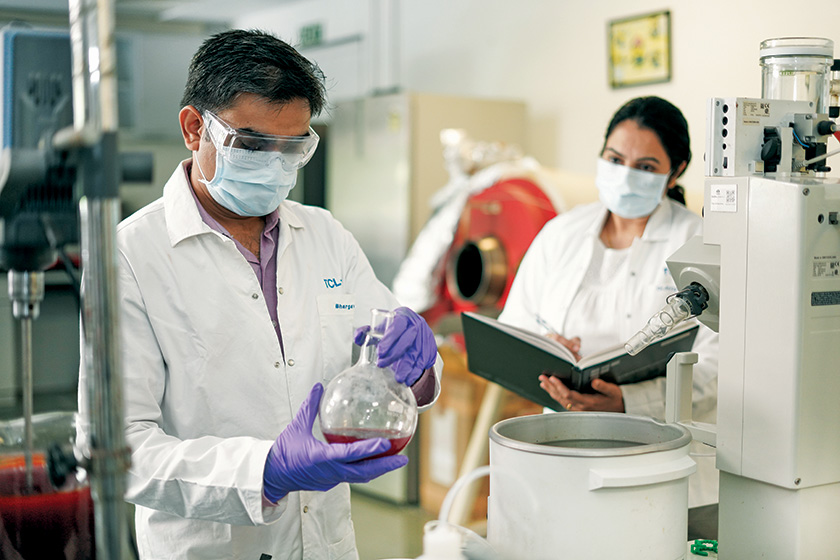
- Ability to capture and purify up to 40,000t of CO₂ annually
- ~95% reduction in CO₂ emissions from the CHP plant supplying the bicarbonate
Built at an investment of £20 mn, supported by £4.2 mn of UK Government funding, the CCU plant has significantly reduced reliance on imported liquid CO2, insulating the business from market volatility and supply disruptions. The plant’s scale and efficiency have helped the company retain its position as one of the world’s leading producers of sodium bicarbonate and enabled the creation of a new revenue stream through external CO2 sales. Recently, TCE invested another £60 mn to boost its carbon negative sodium bicarbonate output to 140KT.
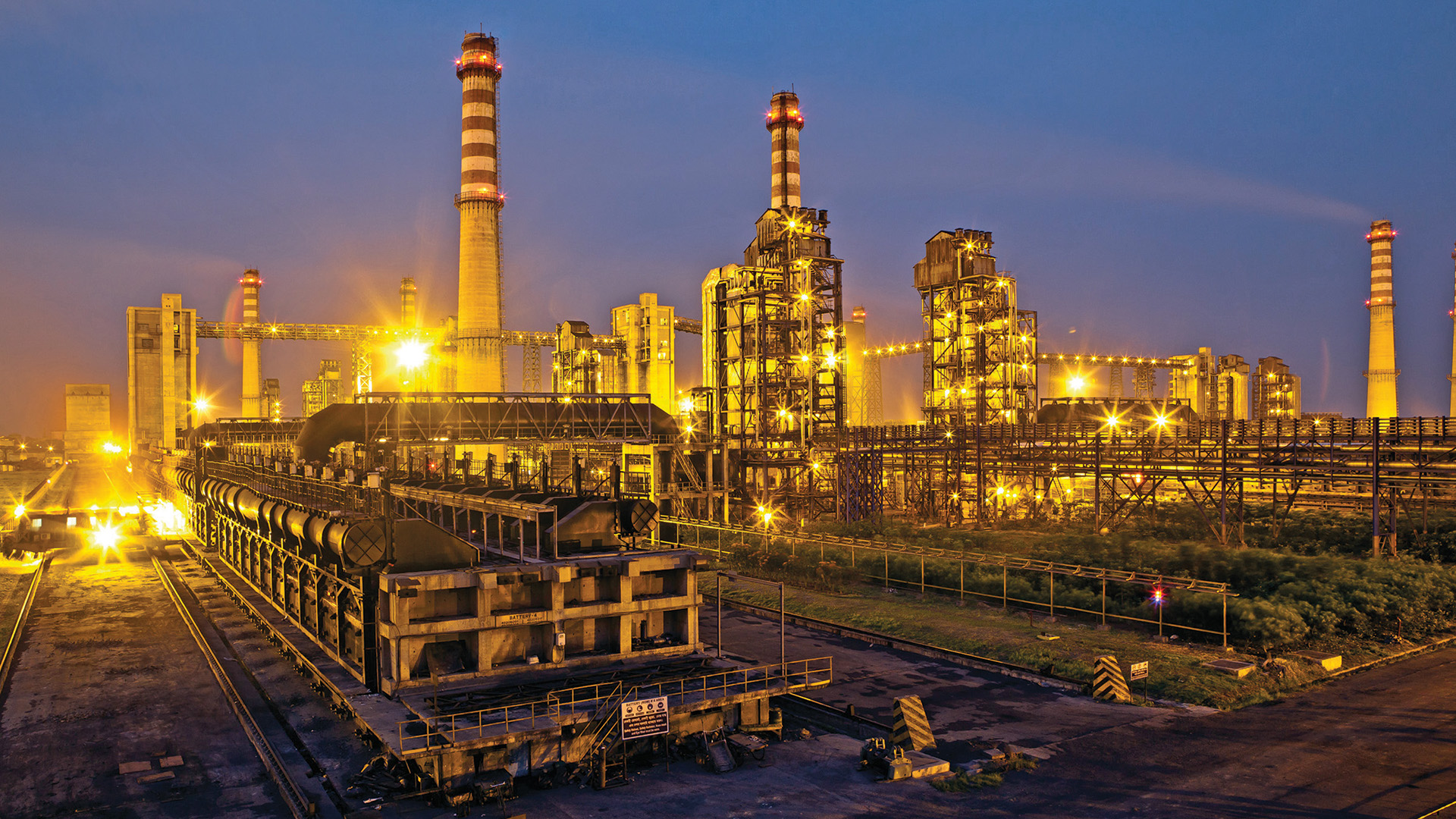
Tata Power: Driving clean energy through 120MW waste heat recovery
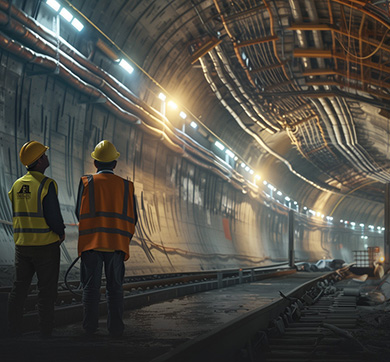
What most plants release as waste, Tata Power has transformed into an important asset for Tata Steel’s operations. In Haldia, West Bengal, Tata Power operates a 120MW waste heat recovery power plant that is integrated with Tata Steel’s Hooghly Met Coke Division.
This facility employs advanced waste heat recovery (WHR) coke-making technology, where off-gas is not cleaned for by-products, but instead combusted in chambers. Rather than allowing the heat to dissipate into the atmosphere, the hot flue gases or coke oven gases are routed to Tata Power’s waste heat recovery boilers (WHRBs). These boilers efficiently generate steam, which in turn powers steam turbine-generator sets. Remarkably, no additional coal is fired for this power generation.
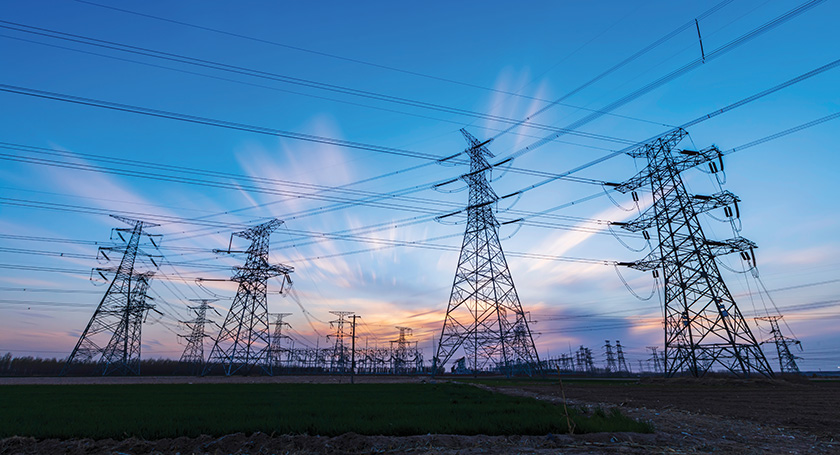
- ~120MW generated from WHR and coke oven gas
- ~34% Plant Load Factor (average utilisation of capacity), surpassing the national average for thermal plants
The Haldia plant delivers best-in-class efficiency, producing more net clean electricity from every unit of recovered waste heat. The plant is also the first private power facility in West Bengal dealing with 100% merchant business. It demonstrates how companies can successfully create a circular supply chain.
Titan Company: Turning lens waste into parking spaces
Every year, Titan Company’s EyeCare division faced a daunting challenge. Lens cutting waste — comprising 40% thermoplastic and 60% thermoset — amounting to ~60t, was sent for incineration to its Chikkaballapura factory. This process not only released 0.253kg of carbon emissions per kilogram of waste but also proved to be an expensive affair with the incineration cost amounting to Rs 11 per kg.
The team analysed the possibilities of innovatively converting the waste into a usable product and found a solution. The lens cutting waste was heated at high temperatures and compression moulded into construction products like paver blocks and kerb stones. Eight tonne of lens cutting waste was used to build a 1,950sq ft car parking area, while 24.5t was used to build a 15,000sq ft two-wheeler parking area.

- ₹6.6 lakh saved in incineration cost annually
- ~15t of carbon emissions reduced annually
The initiative didn’t stop there — 65 trees were planted and 25 solar lights installed to sustainably power the parking areas and reduce energy costs.
— Sharmistha Choudhury