September 2026 | 2-minute read


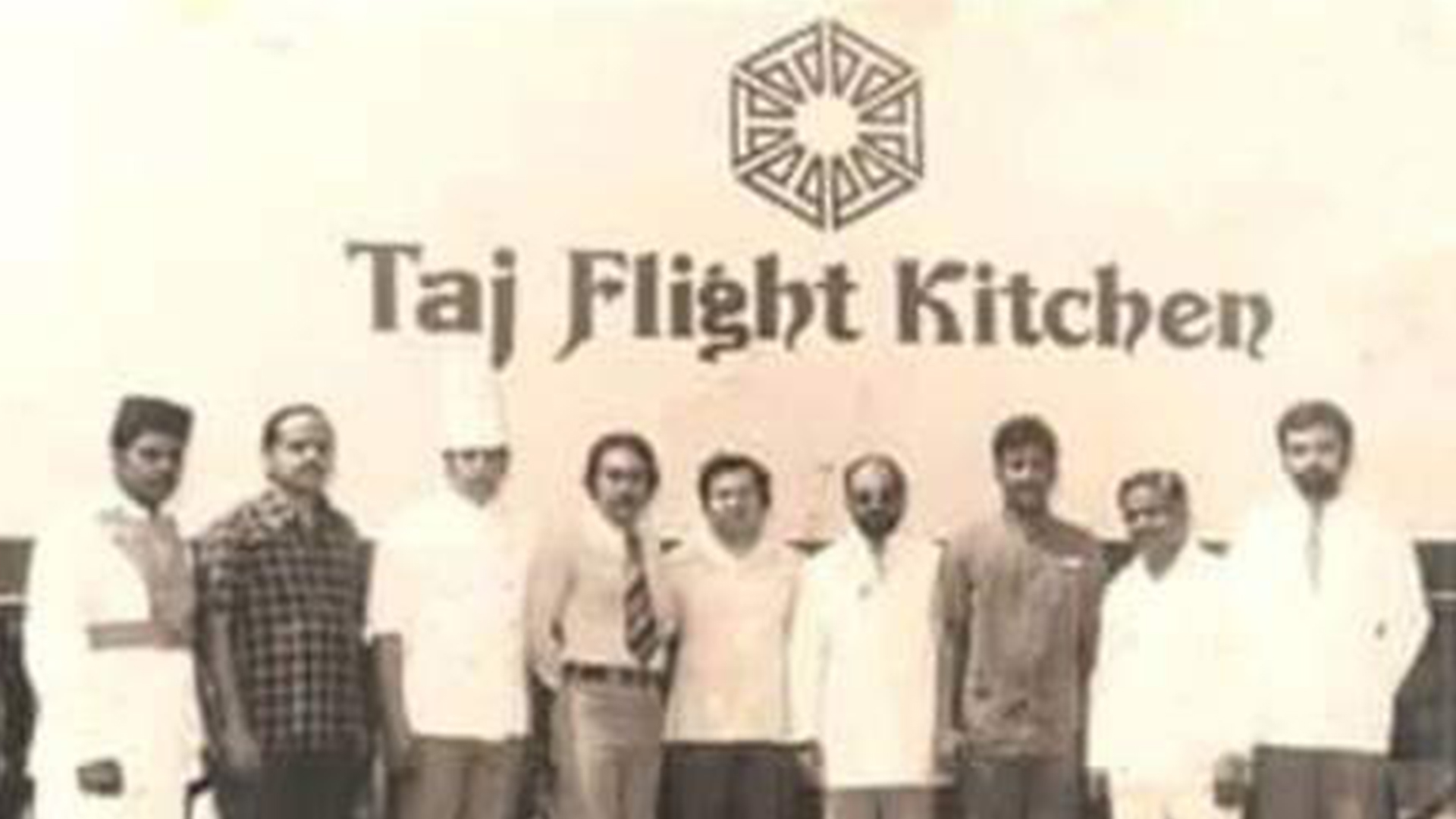
When the first Taj Flight Kitchen opened near Mumbai's Santa Cruz airport in 1976, India's aviation industry was still niche. Air travel was a luxury, airports were few, and flying remained out of reach for most Indians. Five decades later, India is the world's third-largest domestic aviation market, and a new generation of airports is reshaping the country's connectivity landscape.
For TajSATS, which turned 50 this year, the milestone is about drawing strength from a solid foundation while preparing for what comes next.
The more the merrier
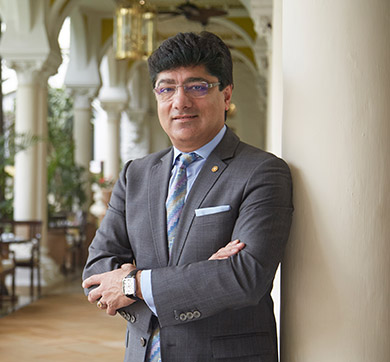
While the country has emerged as a growing domestic aviation market, air-travel penetration stands at 5-6%, far below mature markets such as the US and China, Manish Gupta, CEO, TajSATS, tells Tata.com. “Indians take only around 0.1 flights per person annually. By comparison, India's railways handle more than 6 billion passenger journeys every year,” says Mr Gupta.
That gap presents enormous headroom for growth.
“The past decade has already demonstrated the sector's momentum. Rising incomes, government initiatives such as UDAN, and large-scale investments in airport infrastructure have transformed air connectivity. The number of operational airports has more than doubled, from 74 in 2014 to 150+ today,” he says.
For TajSATS, that growth translates directly into business opportunity. “The equation is simple: more planes in the sky mean more meals on board,” says Mr Gupta. With airlines collectively ordering more than 2,000 aircraft – 600 from Air India alone – the sheer volume of daily flights is set to soar.
Growing together
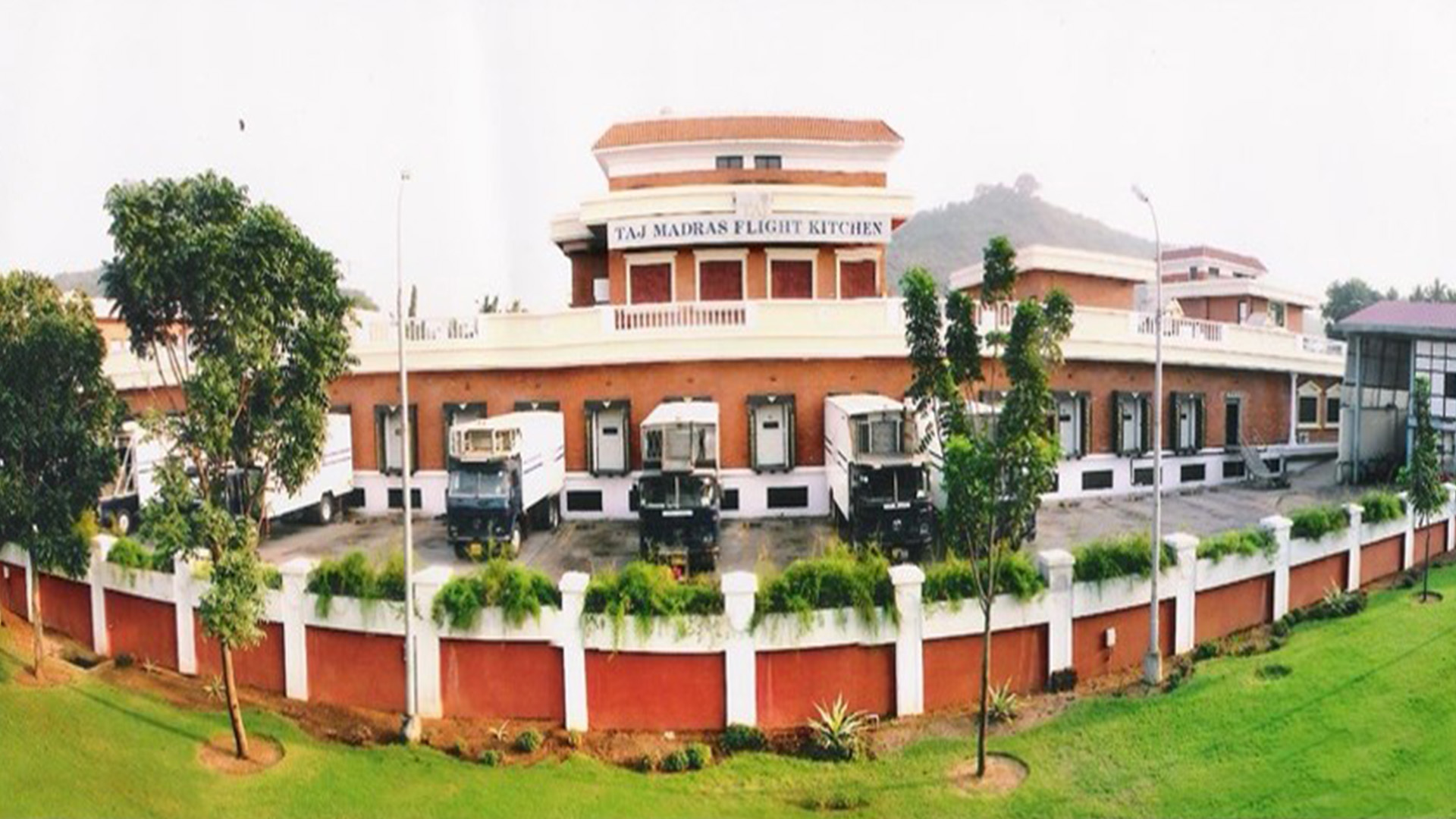
Historically, TajSATS has expanded alongside the industry's growth, from opening its second flight kitchen in Delhi in 1982, as the city prepared for a new era of international travel, to establishing a presence in Bengaluru, Kolkata, Goa and Amritsar as air connectivity spread across the country.
“Every new flight and route creates an immediate demand for meal services, giving TajSATS a clear path to scale up its daily production and expand its market reach,” says Mr Gupta.
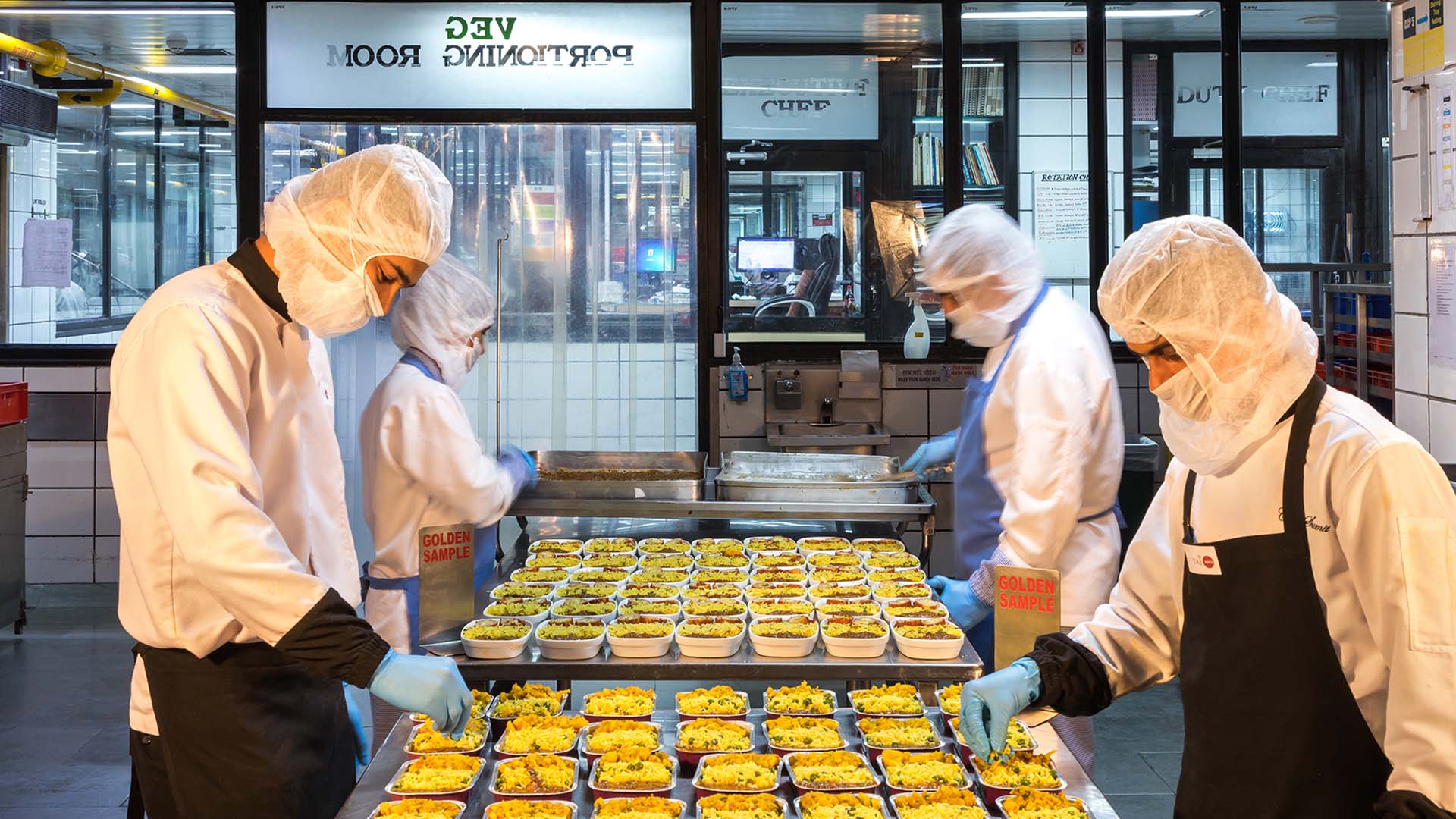
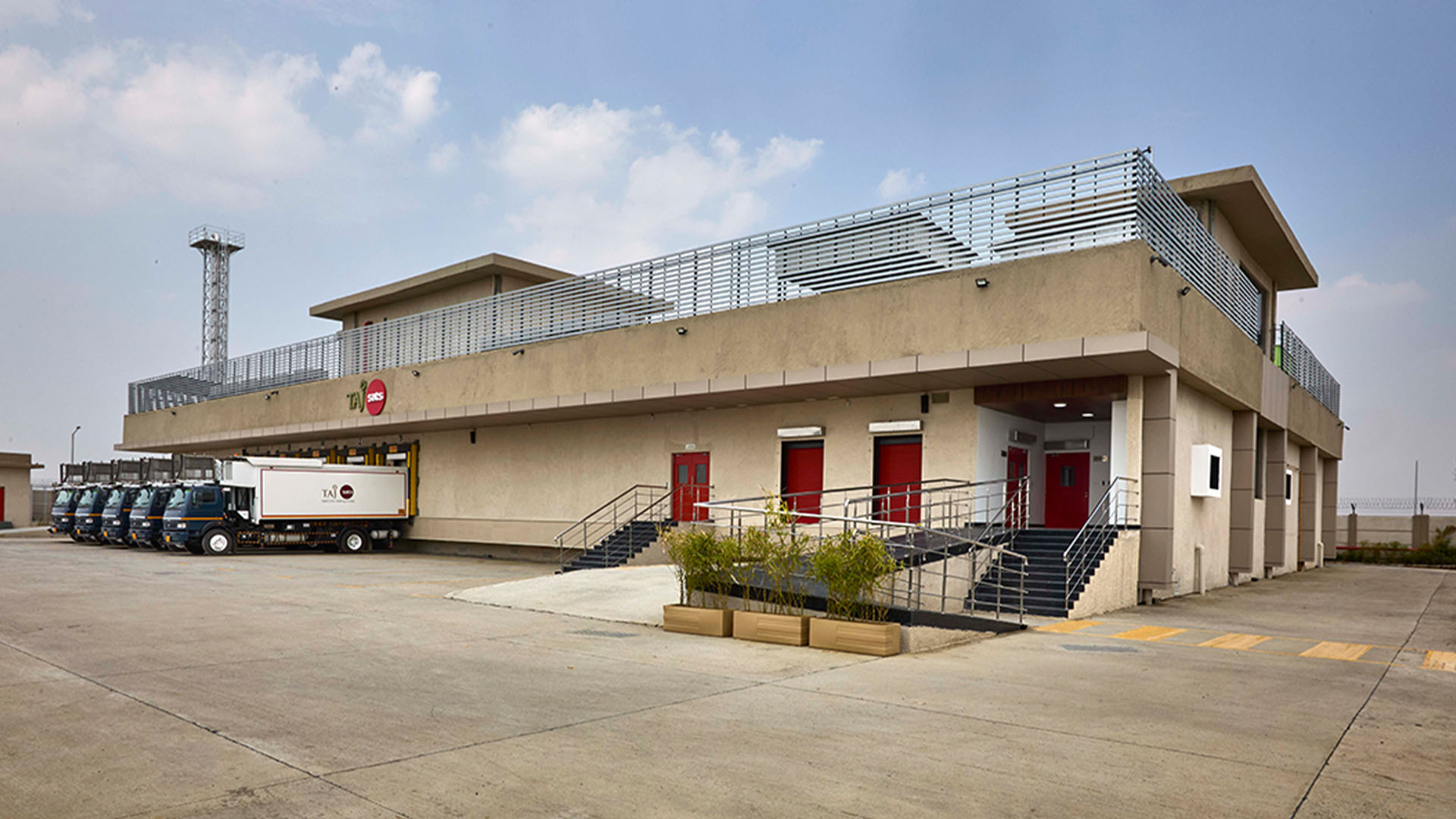
To capture this next wave of growth, TajSATS has established state-of-the-art kitchens at emerging mega-airports such as Noida (Jewar) and will set up a few more at newer airports. Step inside the kitchen of TajSATS with #TataBTS
At the same time, the way people travel is changing. Low-cost airlines do not usually include complimentary meals, prompting TajSATS to partner with carriers such as Air India Express and others in the category to design appetising pre-booked and buy-on-board menus. This turns meal services into a revenue generator for airlines while creating a steady, high-margin business for TajSATS.
TajSATS at a glance
- 55Mn+ meals crafted annually
- 180K+ meals prepared per day
- 45+ domestic and international airlines served.
As above, so below
The pandemic, however, underscored the risks of overreliance on a single sector, prompting TajSATS to diversify beyond aviation.
The result is Nekta Food Solutions, a wholly owned subsidiary focused on institutional and corporate catering. Through Nekta, the company is extending aviation-grade food safety, standardised production systems, procurement efficiencies and culinary expertise into new sectors, including corporates, hospitals and educational institutions. “The leadership recognised that while inflight catering remains the core business, establishing additional growth pillars was essential to complement its portfolio.”
For TajSATS, the primary driver behind this expansion was the gap in the institutional food-services market. “Sectors such as corporate catering, educational dining and healthcare food services were historically fragmented, lacking the structural consistency, culinary innovation and rigorous food-safety standards required by large institutions,” says Mr Gupta.
Rather than creating an entirely separate ecosystem, the strategy is leveraging TajSATS' existing infrastructure, supply-chain strength and operational know-how to unlock new avenues of growth.

Tech as the force multiplier
Supporting this next phase is an increasing focus on technology to create a connected food-production ecosystem. The company has deployed GPS-enabled high-loaders to optimise airside logistics, and advanced monitoring systems to enhance operational security. The company has also introduced AI-enabled X-ray screening technology capable of detecting foreign contaminants in meals before dispatch — a first in the industry.
Originally developed for aviation catering, the technology is now being adapted for use across Nekta's institutional catering operations as well. “More importantly, the resulting data is enabling more accurate demand forecasting, better workforce planning and lower food waste,” says Mr Gupta.
TajSATS’ recipe for success
- Non-negotiable food safety: Regardless of how menus change, core fundamentals—rigorous quality control, strict hygiene, and absolute regulatory compliance—remain non-negotiables across both aviation and institutional catering.
- Menu agility: Flexibility is built into the production model, allowing TajSATS to quickly adapt to emerging wellness, dietary, and lifestyle trends rather than just reacting to them. In 2020, the company was one of the first to introduce plant-based meats using soya and jackfruit to cater to flyers seeking healthier options.
- Diverse culinary talent: The company invests heavily in specialised chefs to deliver authentic regional and international cuisines. Its Andheri kitchen houses a sleek and stylish food tasting studio called The Atelier where chefs showcase their culinary creations and finalise the menu, on receiving inputs from the airline.
The next 50 years
TajSATS' first 50 years mirrored the growth of Indian aviation itself.
Now, as India's aviation sector prepares for its next leap, TajSATS is aiming to combine the scale of mass-market aviation catering, the sophistication of premium hospitality and the operational discipline of a tech-enabled food services business.
“We want to scale new heights while staying anchored to our core strengths,” says Mr Gupta.
- Anju Maskeri