May 2026 | 12 slides | 2-minute read


It is a fact universally acknowledged that a hotel in possession of a Michelin Star must be the very best in dining.
While the Michelin Star for restaurants has been around since 1926, the Michelin Key for hotels was introduced in 2025 to spotlight the “crème de la crème… the most outstanding experiences” in its selection.
Among the first to be elevated to its highest distinction, Three Michelin Keys, were two Indian icons from IHCL: Taj Lake Palace in Udaipur and Taj Falaknuma Palace in Hyderabad. The Three-Key distinction denotes an extraordinary stay, recognising hotels that excel across five criteria: excellence in architecture and interior design; quality and consistency of service; overall personality and character; value in relation to price; and a significant contribution to the neighbourhood or setting.
This is a feather in the cap for the Taj Hotels which has held its place as India’s strongest brand — a Brand Finance Report ranking for four consecutive years.
Taj Lake Palace: Where hospitality meets history
Taj Lake Palace is as much a feat of hospitality as it is of strategy. This was the very first property through which IHCL chose to expand its brand beyond the Taj Mahal Palace, Mumbai, and its success became foundational to the company’s palace hotel playbook.
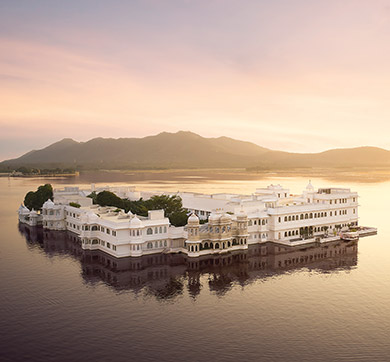
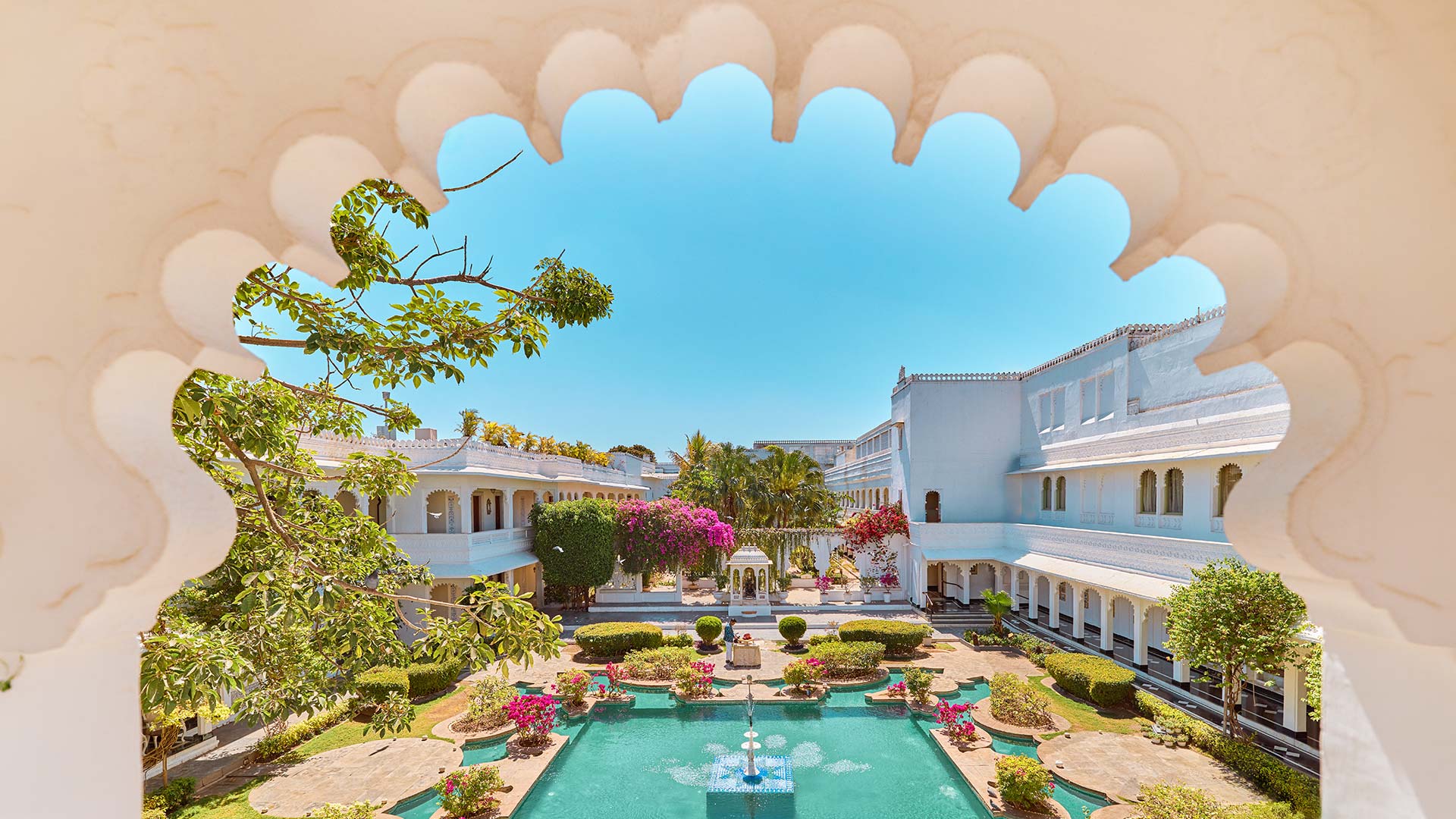
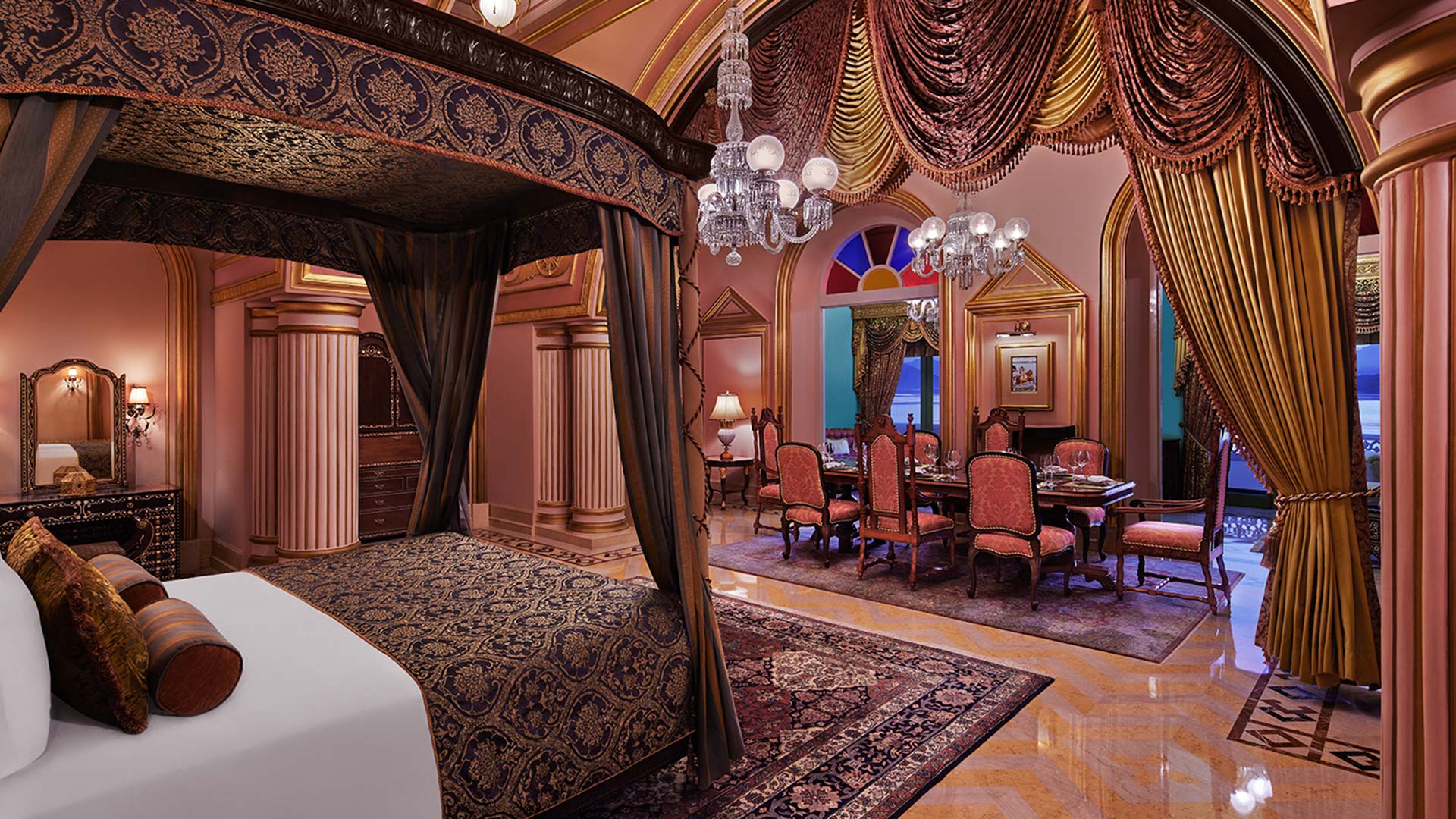
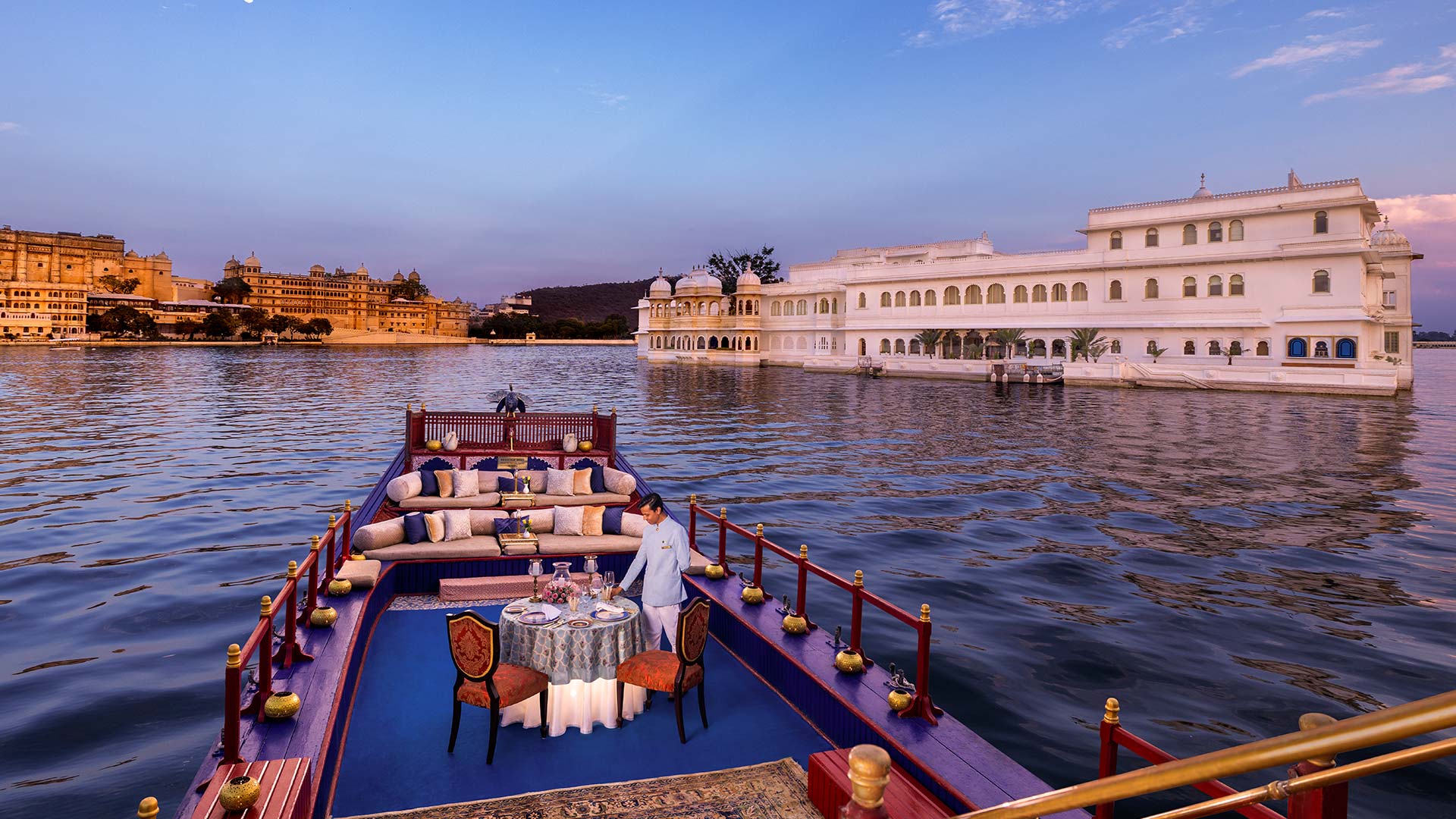
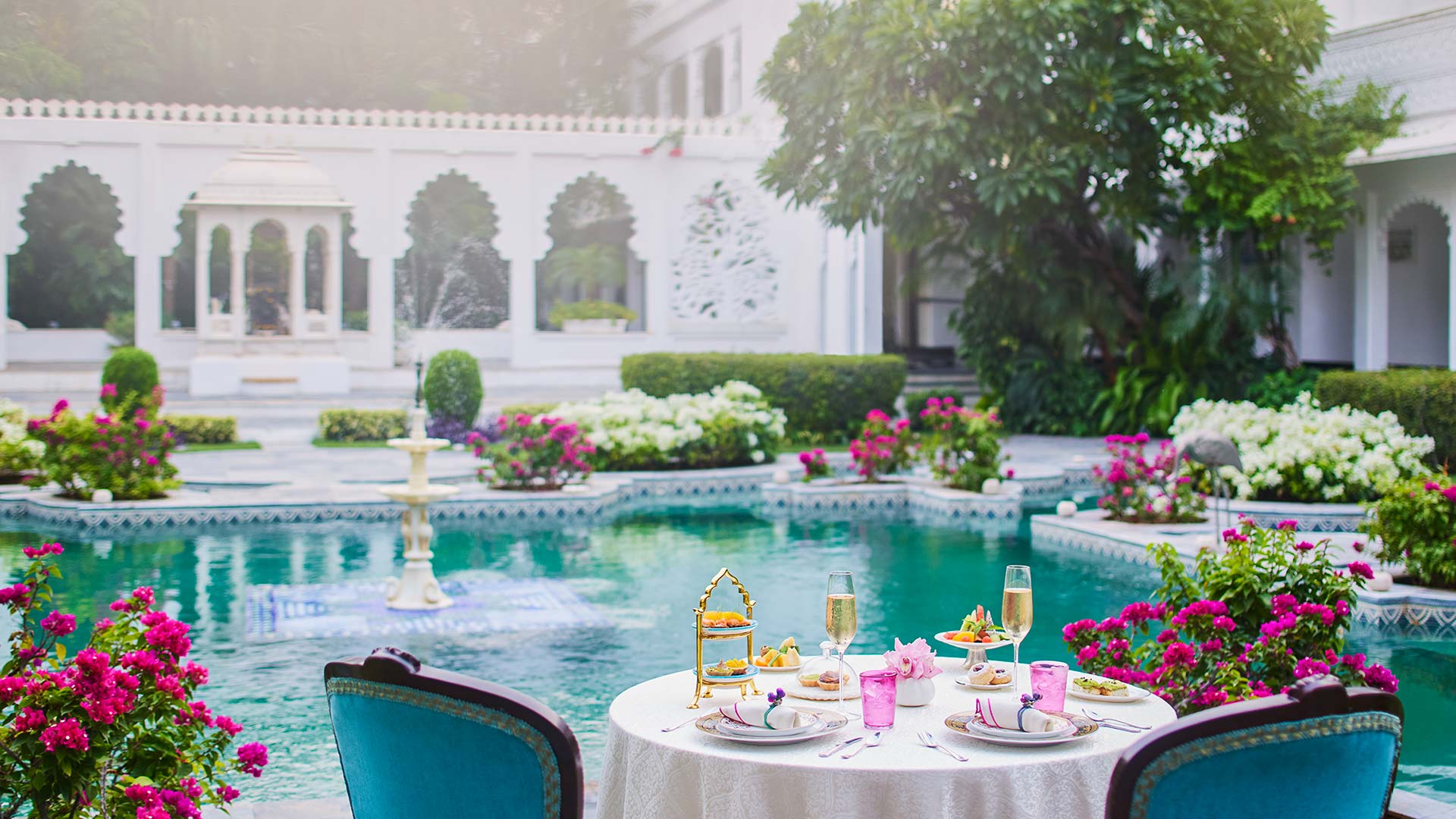
A luminous palace in the middle of Lake Pichola, Taj Lake Palace is, unsurprisingly, one of the most photographed properties in the world. Accessible only by private boat, the palace features 65 rooms and 18 grand suites, each offering sweeping views of the neighbouring City Palace, Jag Mandir, and the surrounding hills. Adorned with ornate jharokhas, landscaped courtyards, fountains and lush gardens, the palace continues the traditions of royal soirées and lakeside splendour.
Sustainability, too, is integral to its operations. Through IHCL’s ESG+ framework, Paathya, the company is reimagining water stewardship, moving beyond conservation towards creating circular ecosystems that drive long-term resilience. Taj Lake Palace recycles approximately 2,700 kilolitres of water annually, incorporating the iconic Lily Pond as a key component of its water conservation strategy.
Taj Falaknuma Palace: A touch of theatre
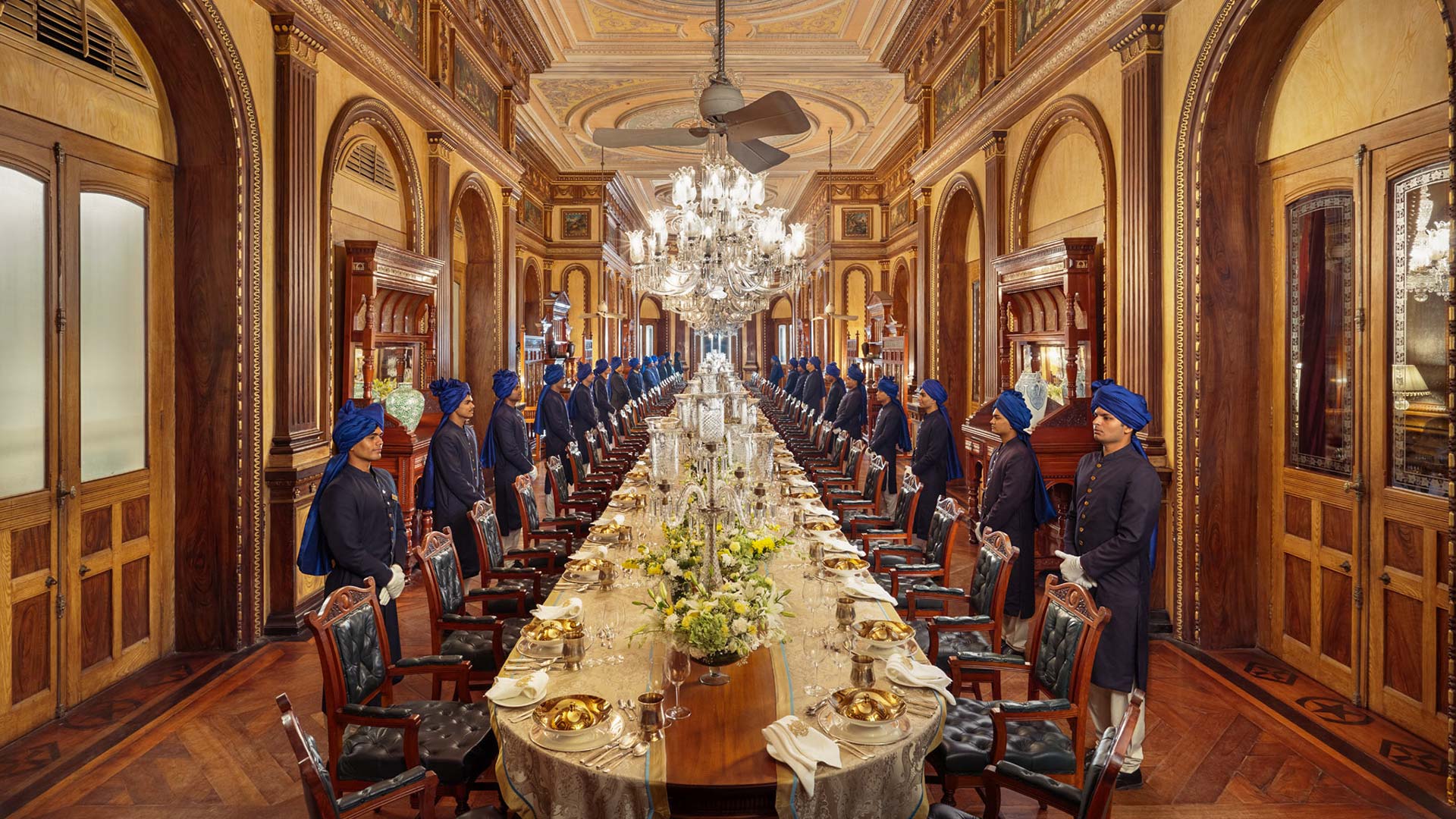
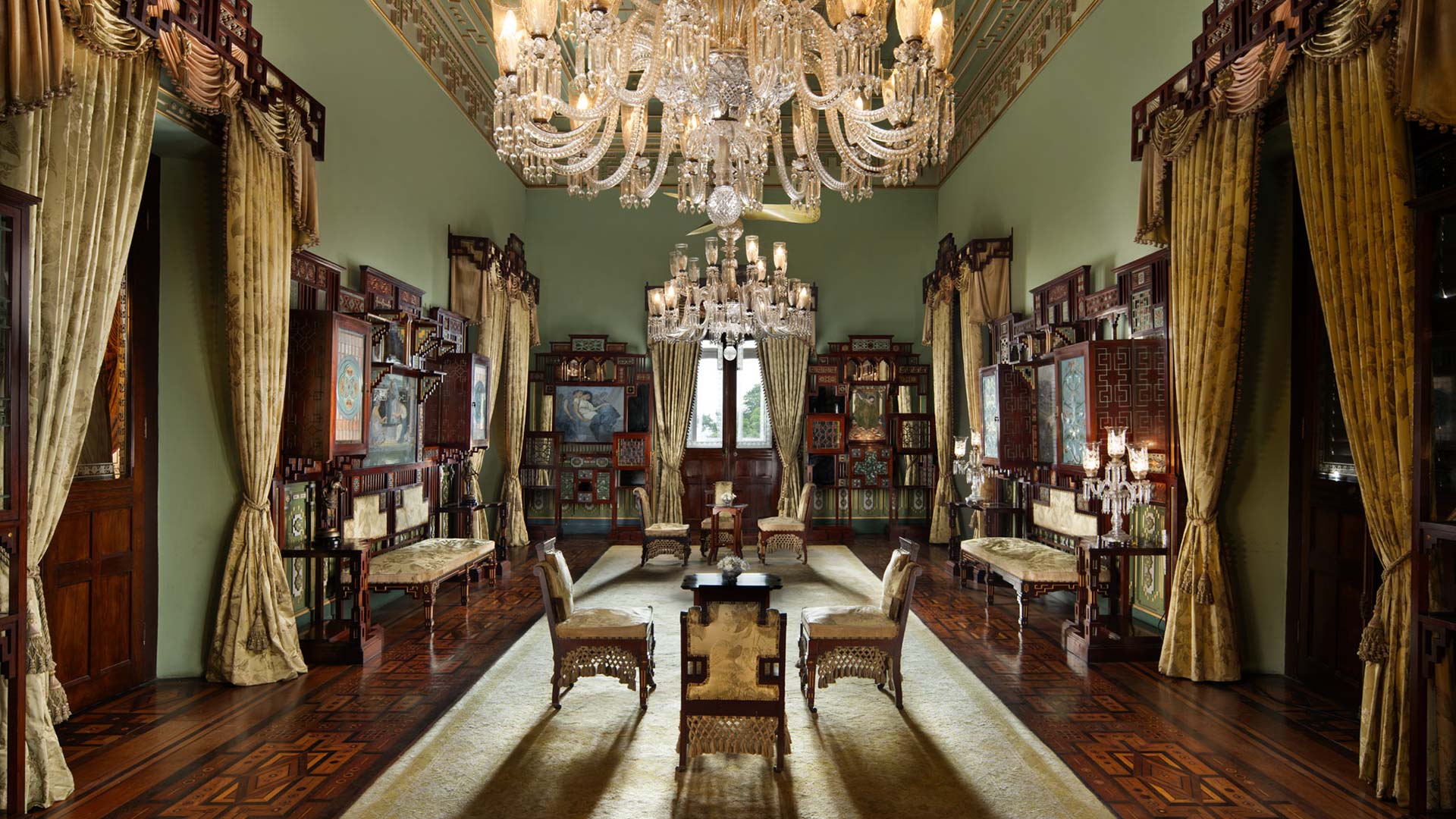
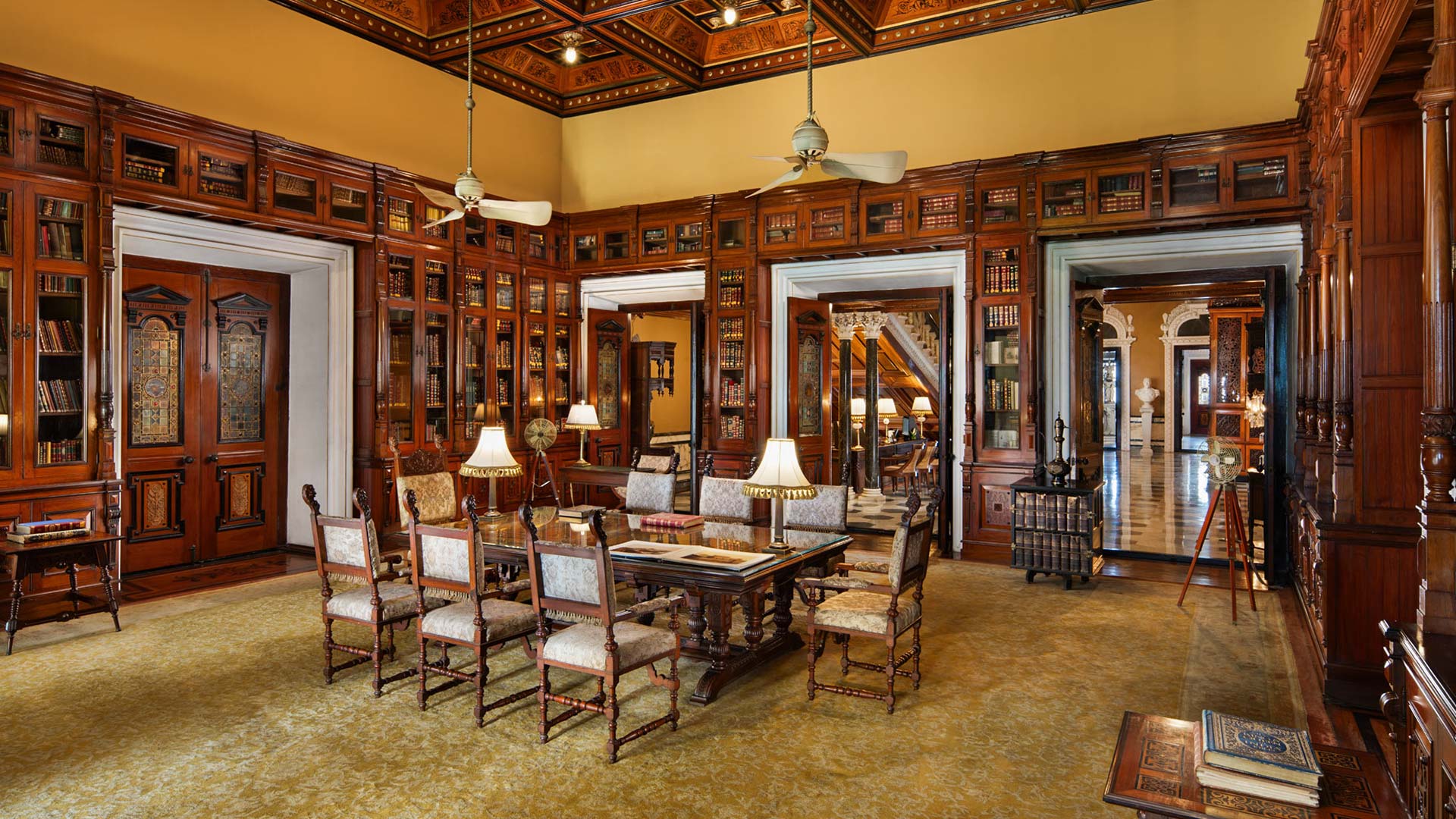
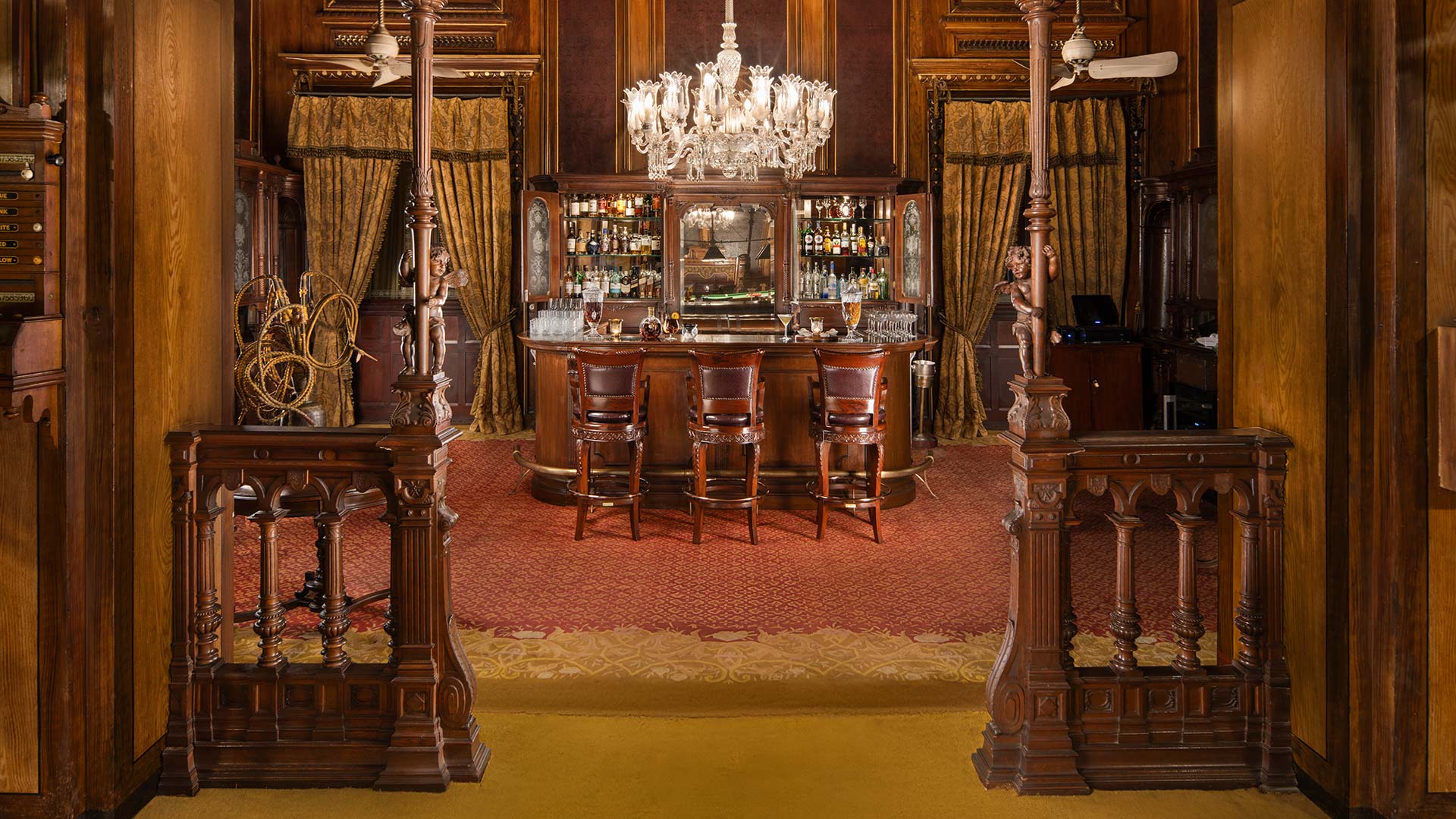
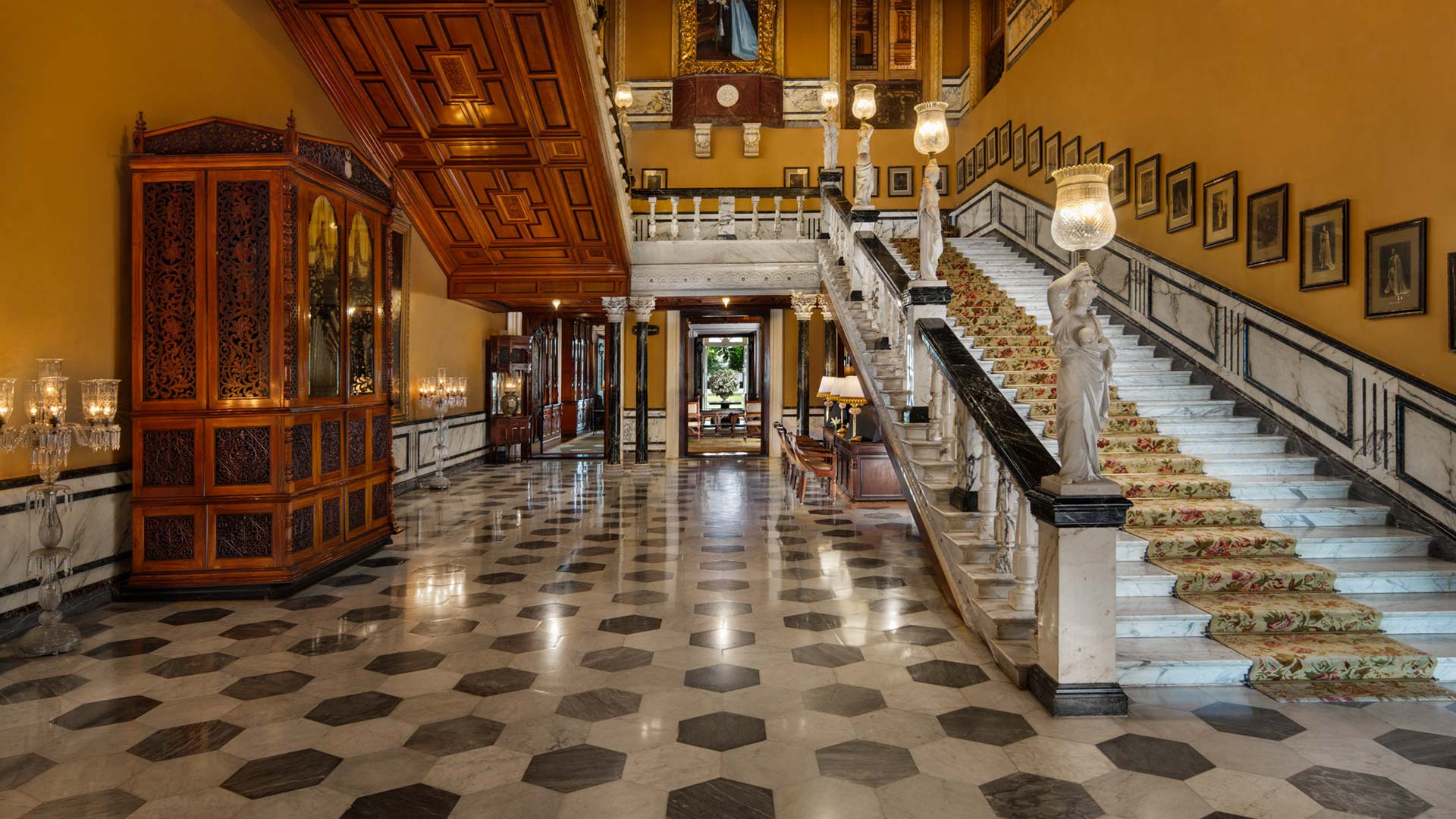
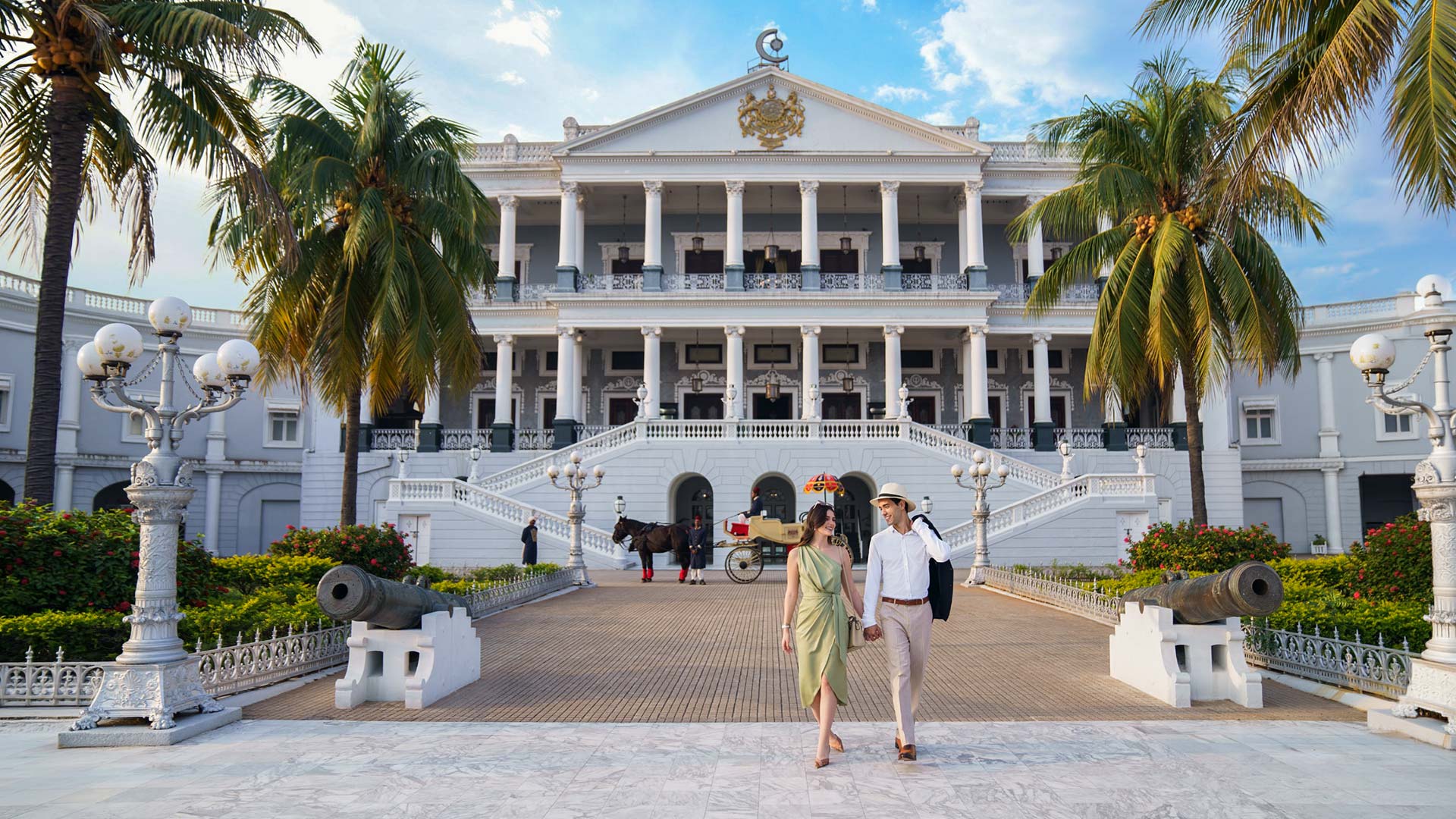
Perched atop a hill overlooking Hyderabad’s Old City of minarets and markets, Taj Falaknuma Palace is among India’s most distinctive expressions of heritage-led luxury. With its Tudor façades, glass-cut chandeliers, stained glass, sweeping marble staircases, and Italian influences, the palace reflects and gives guests a glimpse of the lives the Nizams of Hyderabad once lived in.
Built in 1894 by Nawab Vikar‑ul‑Umra, then Prime Minister of Hyderabad, and later acquired by the Nizam, the 60-key palace was conceived as a symbol of cosmopolitan power and has a layout famously said to resemble a scorpion.
What distinguishes Falaknuma is not just its provenance, but the immersive experience it offers. Guests ascend the hill by horse-drawn carriage, dine in the legendary 101-seat dining hall, home to one of the longest dining tables in the world.
The palace’s revival in the 21st century owes much to the remarkable restoration led by Princess Esra Jah, wife of the VIIIth Nizam, in collaboration with IHCL. For a decade, artisans reassembled flooring tile by tile, cleaned frescoes with brushes finer than calligraphy nibs, rewove fabrics, and restored chandeliers crystal by crystal.
Today, the palace stands not as a museum relic, but as a living archive with its legacy respectfully preserved, yet sensitively reanimated.
What the Michelin Guide says:
Taj Lake Palace
“The Taj Lake Palace floats on the calm surface of Lake Pichola and was built in 1740 as a summer retreat, taking advantage of the cooling lake breezes. Though the location is unconventional and wonderfully secluded, it is a world-class luxury hotel. Perfect for a romantic getaway or a respite from the hustle and bustle of city life, it offers a picturesque backdrop and flawless old-world service.”
Taj Falaknuma Palace
“When you see the Taj group talking about palace hotels, it’s best to sit up and take notice. For one thing, they’ve got impeccable taste in palaces; this one, with its English architecture, French tapestries and Venetian chandeliers, still belongs to what remains of Hyderabad’s royal family, and is among India’s most opulent residences.”
Scroll down to view the slideshow.
— Anju Maskeri
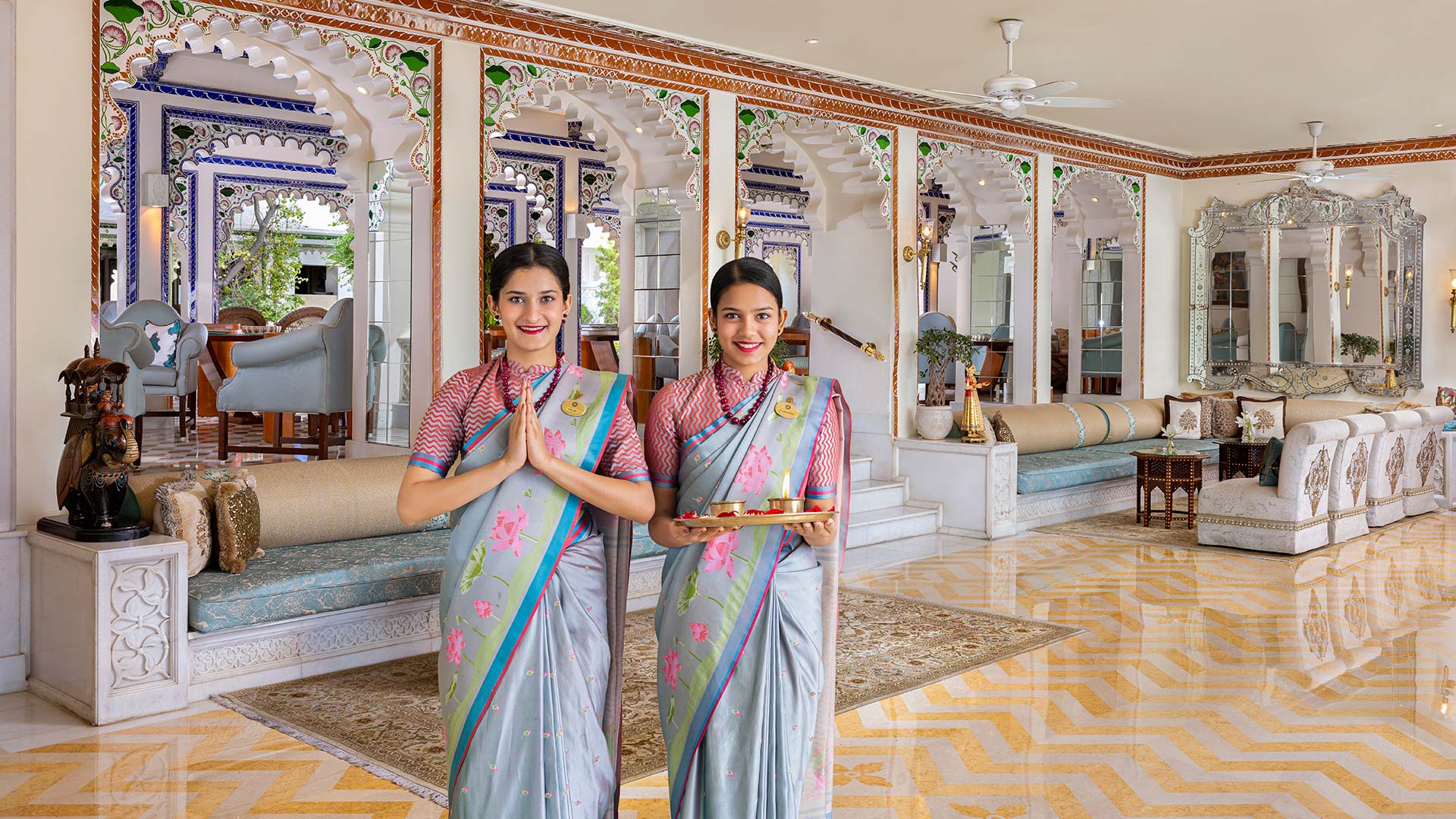

Jewel in the Crown - Taj Lake Palace

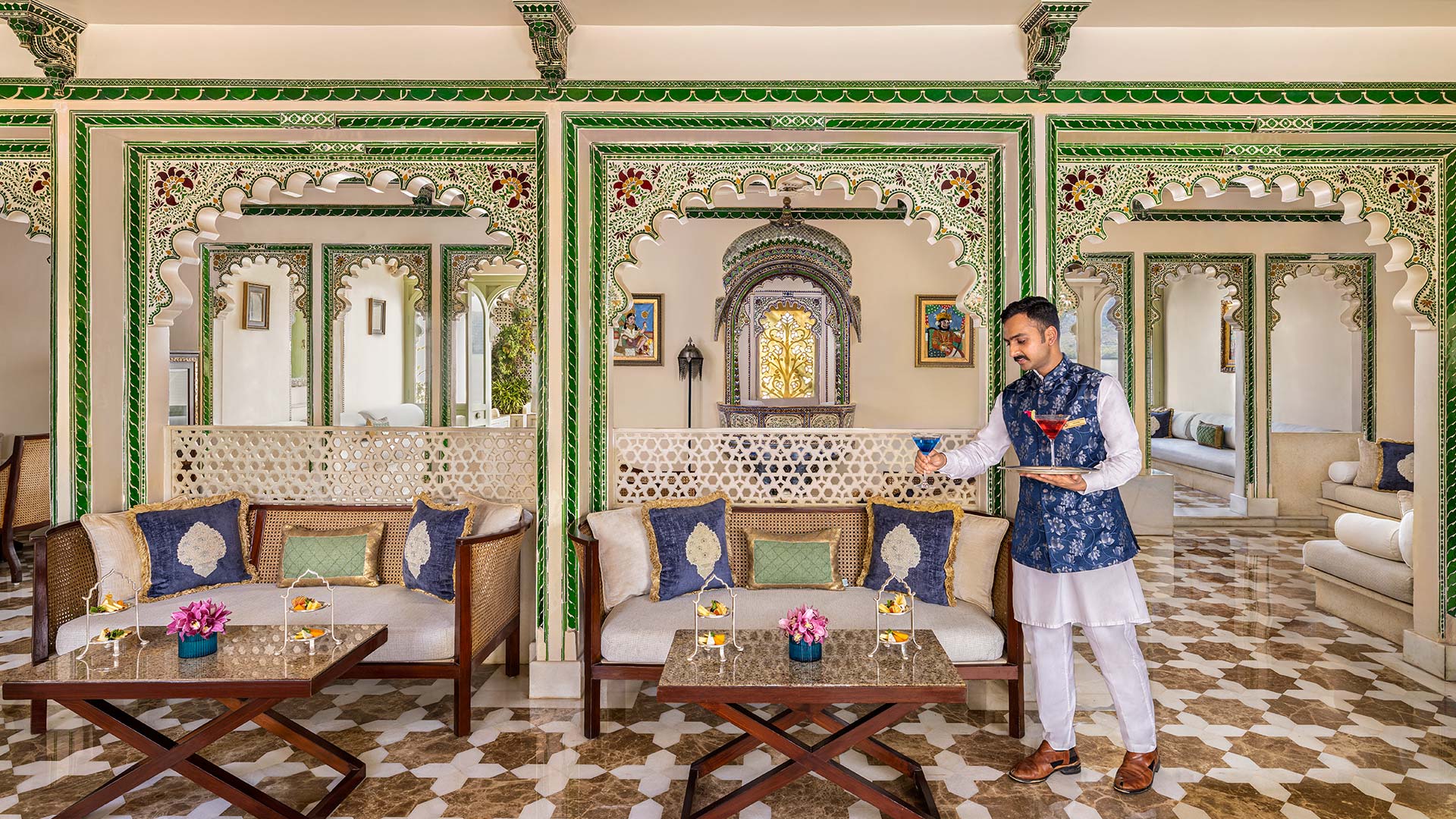
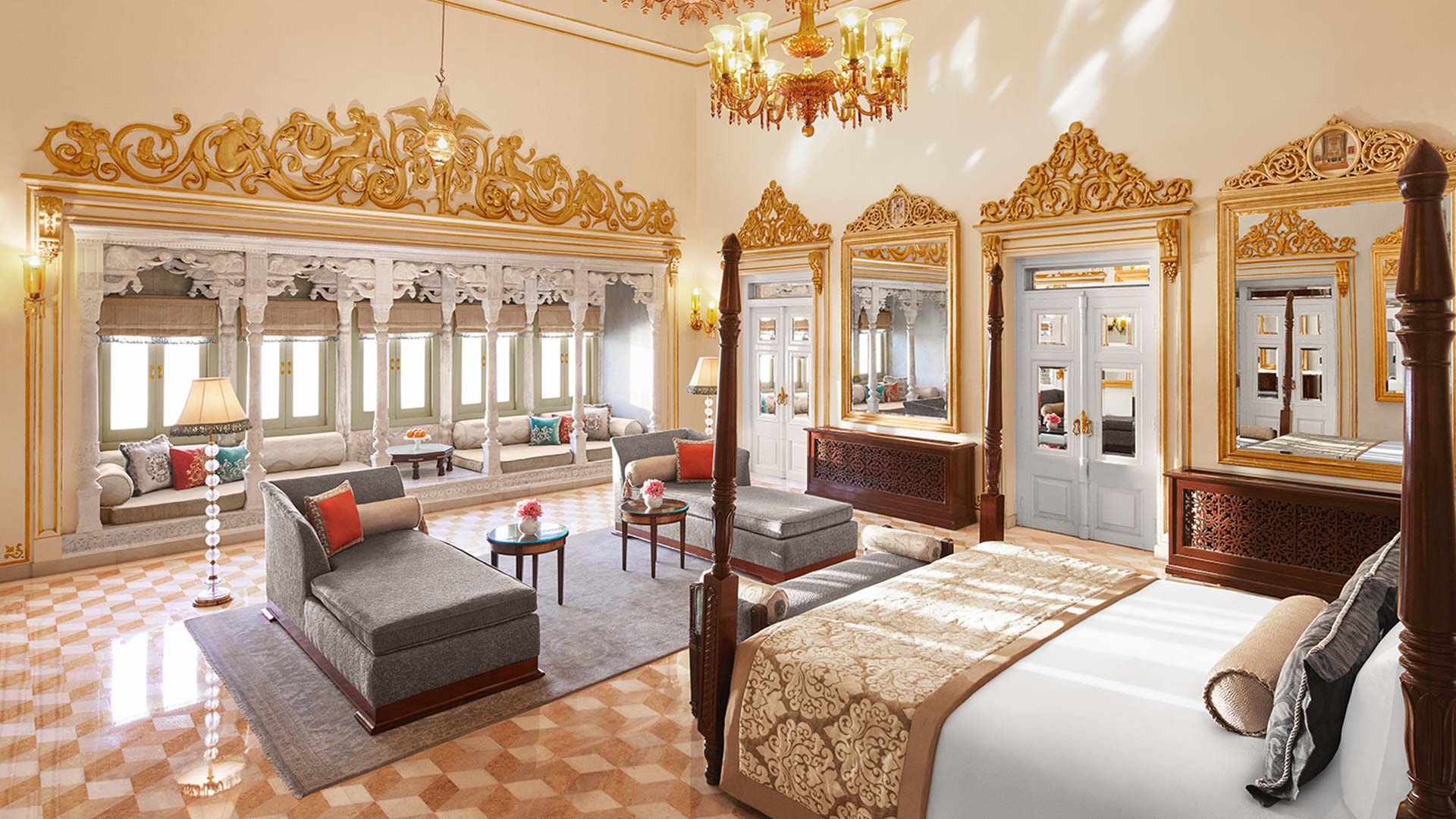
Mirror of the Sky - Taj Falaknuma Palace