July 2026 | 873 words | 3-minute read


Three athletes from the Tata Steel Adventure Foundation (TSAF) Sport Climbing Academy are expected to debut at the forthcoming Asian Games, scheduled to be held in Aichi-Nagoya, in Japan in September 2026.
The three athletes, Joga Purty, Anisha Verma and Aman Verma, will represent India’s hopes in a sport in which Asia is increasingly emerging as a powerhouse.
These hopes have been made possible because of the diligent efforts of the TSAF Sport Climbing Academy, established in 2021, which has set up state-of-the-art infrastructure to train youngsters in climbing. The infrastructure consists of 16 grassroots centres, 8 in Jamshedpur, and 8 in Odisha, where 800 climbers, aged 6 to 13, train on a daily basis. An academy in Jamshedpur and a high-performance academy centre in Bhubaneswar, Odisha, established in collaboration with the state government of Odisha, complete the ecosystem.
Long-standing support
While the infrastructure to support climbing was set up in 2021, the Tata group had been supporting the sport even before that. Akash, Area Manager, Sports Academies, Tata Steel, says, “The first-ever climbing wall in India was installed in New Delhi with the support of the Tata group.”
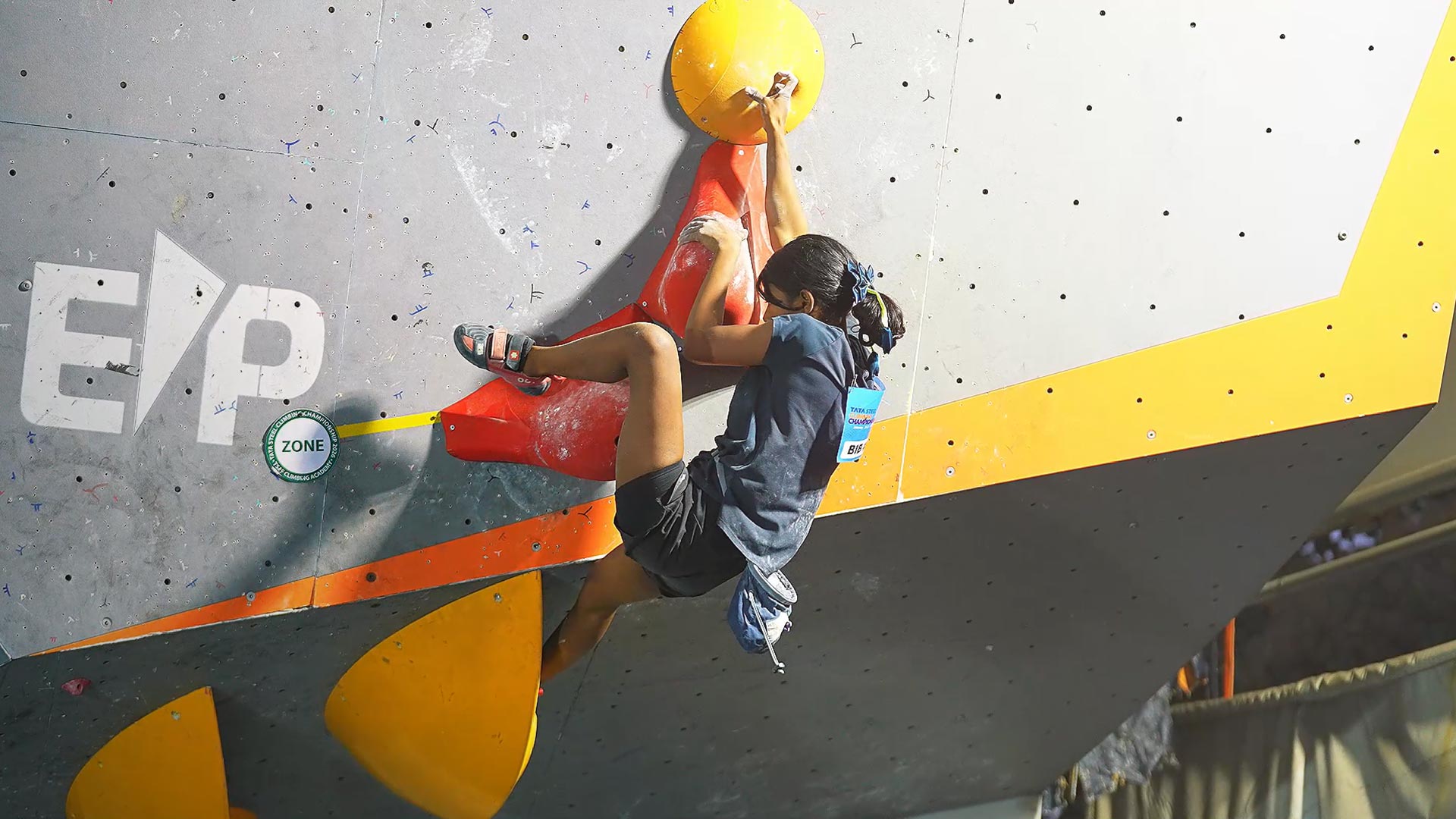
Subsequently, the team at TSAF installed three specialized walls for Lead, Boulder and Speed, the three variants of the sport, at Jamshedpur. These walls have been built to Olympics standards.
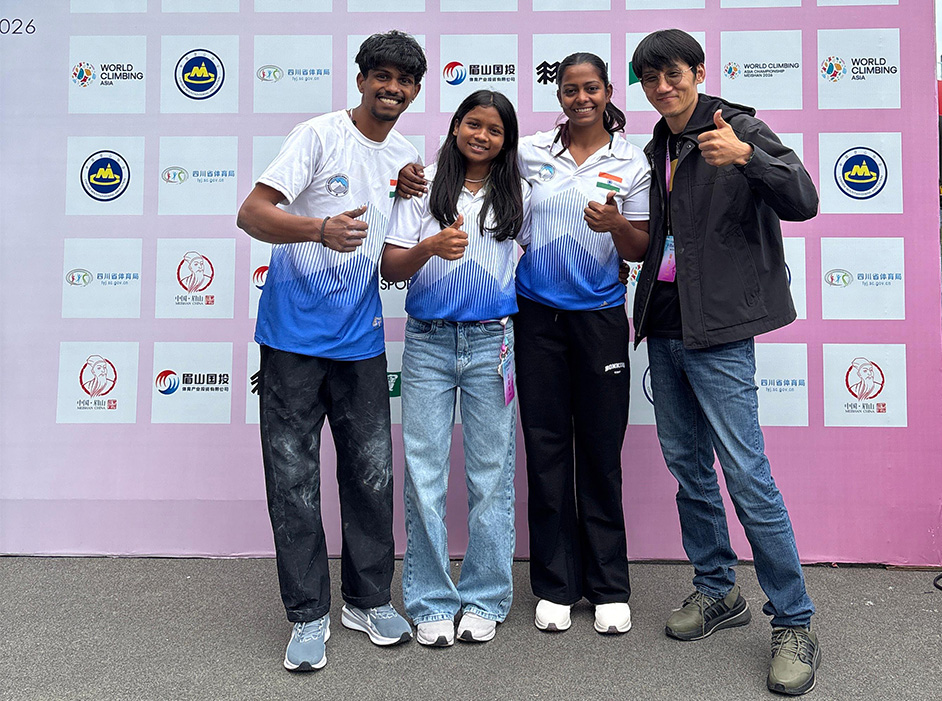
Since then, the group has deepened its commitment to the sport, putting in place an efficient system that scouts talented youth with potential and guides them towards success. Akash says, “We select the top 30 to 40 athletes from the grassroots centres to train further as part of a focus group. The most promising of these athletes, about 25 to 28 in number, then begin training at the academy at the age of 13. They are also sent to international competitions.” Most athletes graduate at age 18; those who have the potential to excel at the international level stay on in the academy.
Long-standing support
While the infrastructure to support climbing was set up in 2021, the Tata group had been supporting the sport even before that. Mukul Vinayak Choudhari, Chief Sports Tata Steel, says, “The first-ever climbing wall in India was installed in New Delhi with the support of the Tata group.”
Subsequently, the team at TSAF installed three specialised walls for Lead, Boulder and Speed, the three variants of the sport, at Jamshedpur. These walls have been built to Olympics standards.
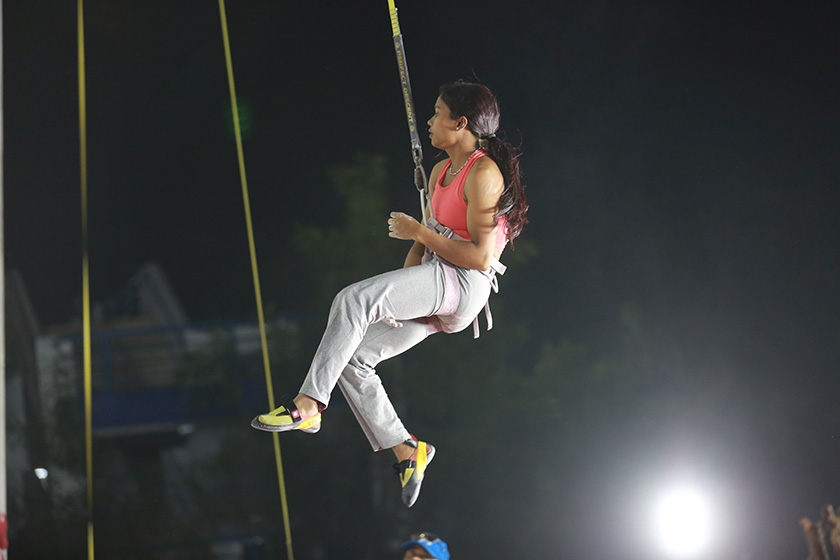
Since then, the group has deepened its commitment to the sport, putting in place an efficient system that scouts talented youth with potential and guides them towards success. Mukul says, “We select the top 30 to 40 athletes from the grassroots centers to train further as part of a focus group. The most promising of these athletes, about 25 to 28 in number, then begin training at the academy at the age of 13. They are also sent to international competitions.” These athletes graduate at age 18; those who have the potential to excel at the international level stay on in the academy.
TSAF has brought in two coaches to teach Lead and Boulder, and one to train cadets in Speed. A technical director from South Korea oversees the coaches and ensures that the athletes in the academy get better at their chosen sport. Mukul says, “The technical director will also help our athletes to train for the next Olympics.” The team has also introduced professional athlete programmes to support the best athletes towards building a career as a professional.
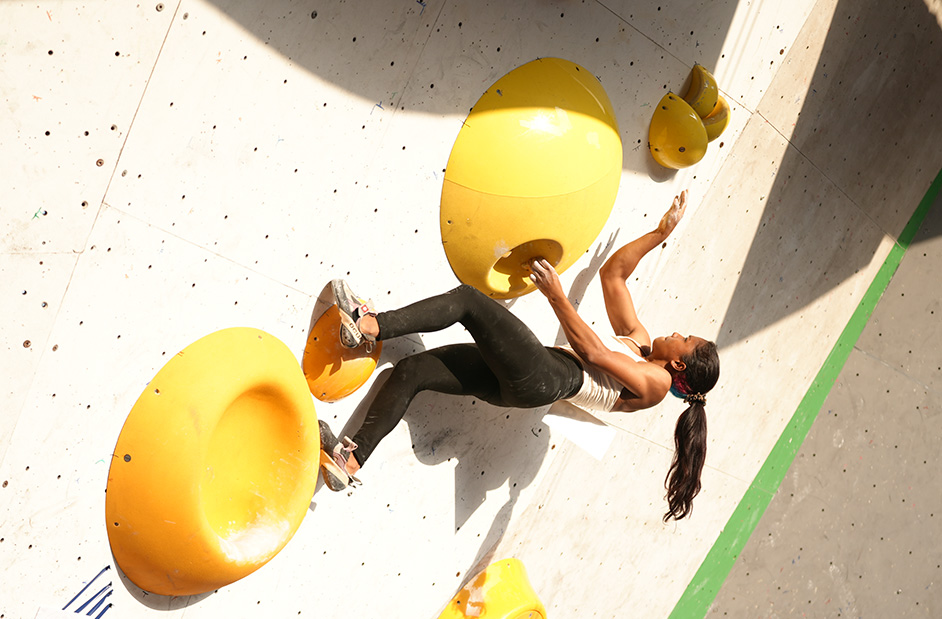
All-round development
TSAF focuses on the holistic development of athletes. Mukul elaborates, “Besides offering technical training, our athletes also have access to our sports science centre in the JRD Tata Sports Complex. Here they benefit from disciplines such as physiotherapy, nutrition, massage therapy, counselling etc.
While youngsters pursue their chosen sport, while residing in a hostel on campus, TSAF also makes it possible for them to complete their 10th and 12th grade.
Athletes who are not able to perform at the international stage receive assistance in finding jobs. A cadet from the academy recently became an Agniveer.
Competitive advantage
Monthly competitions and annual assessments enable the team to identify the athletes with the best form and potential. The results of these contests are buttressed by sports science data and athletes’ scores on various parameters.
With a view to offering the athletes as much international exposure as possible, athletes are sent to numerous international competitions. TSAF has also hosted three competitions of international standards in Jamshedpur. These include the Asian Kids Climbing championship in 2022 and 2023, and the Asian Youth Climbing Championship in 2024. Mukul says, “Thanks to these events, the climbing community is now aware of our academy and the efforts of the Tata group. Jamshedpur is now on the global map of climbing. Climbing is steadily growing in popularity in India as a result.”
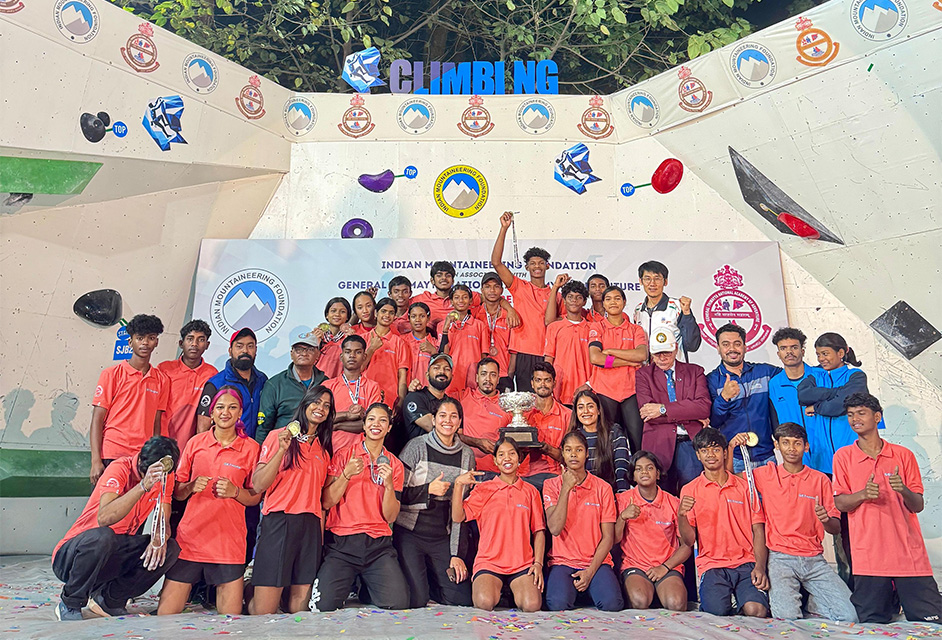
TSAF has also been hosting its own signature competition, the Tata Steel Climbing Championship, in Jamshedpur since 2019. Over six editions, TSAF has pitted the finest athletes from six countries against one another.
The focused effort has yielded results. Climbers from the academy have been national champions in five consecutive events. They have won over 500 medals at various tournaments in the last three years alone. The challenge, says Mukul, is to sustain the momentum all the way through the Asian Games and to qualify for the Olympics in 2028.
Going beyond
In the absence of a national federation for the sport, TSAF has often gone the extra mile in its endeavor to support athletes by funding athletes’ participation in international competitions.
Mukul says, “We have started promoting the sport in nearby villages and slums, to give young people there an opportunity to represent India in the international arena. We want to reach out to a greater number of youngsters and offer them access to the sport and to a better life.”
TSAF’s efforts to offer access to more young people from underprivileged backgrounds will not only create many more Joga, Aman and Anisha, but also enable the sport of climbing to secure a strong footing in India.
—Cynthia Rodrigues