April 2026 | 1110 words | 4-minute read, 10 slides


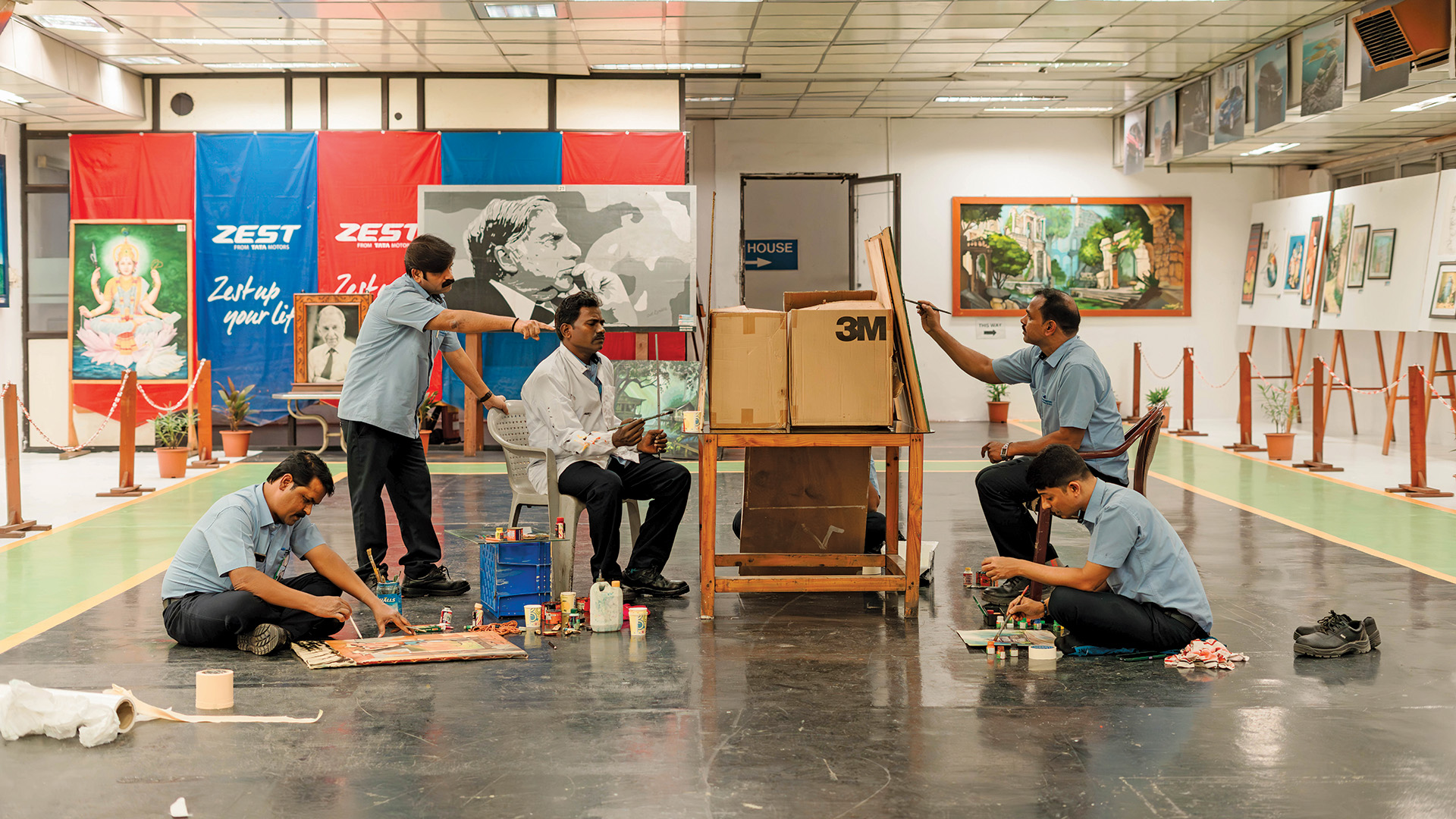
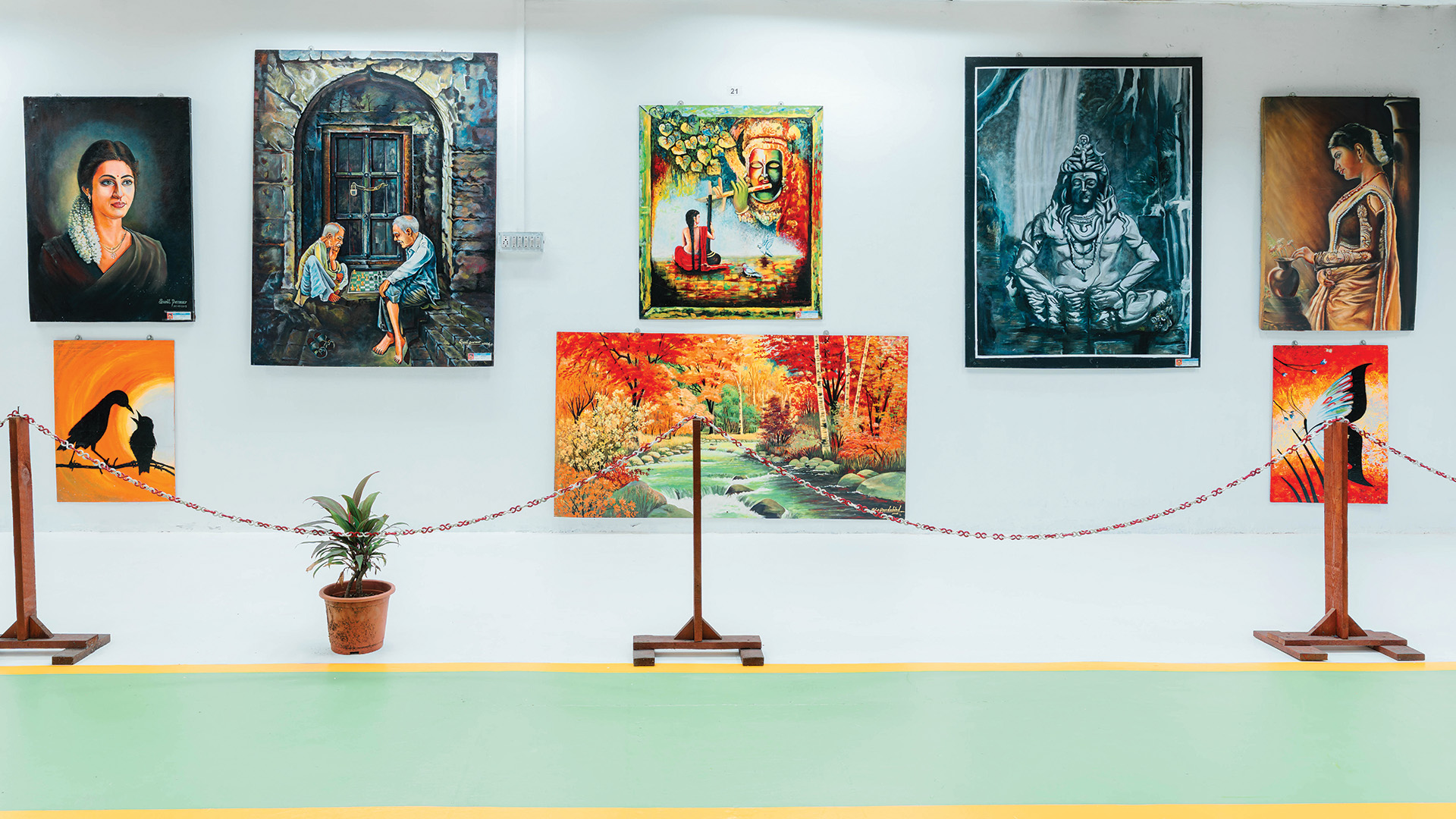
Standing inside the art gallery at Tata Motors Passenger Vehicles’ car plant in Chikhali, Pimpri-Chinchwad, surrounded by a vast collection of paintings, it’s hard to believe that this 5,000sq ft space was once a junkyard — an official dumping ground for scrap. That changed in 2017, when the factory’s senior leadership decided that it was time for a facelift.
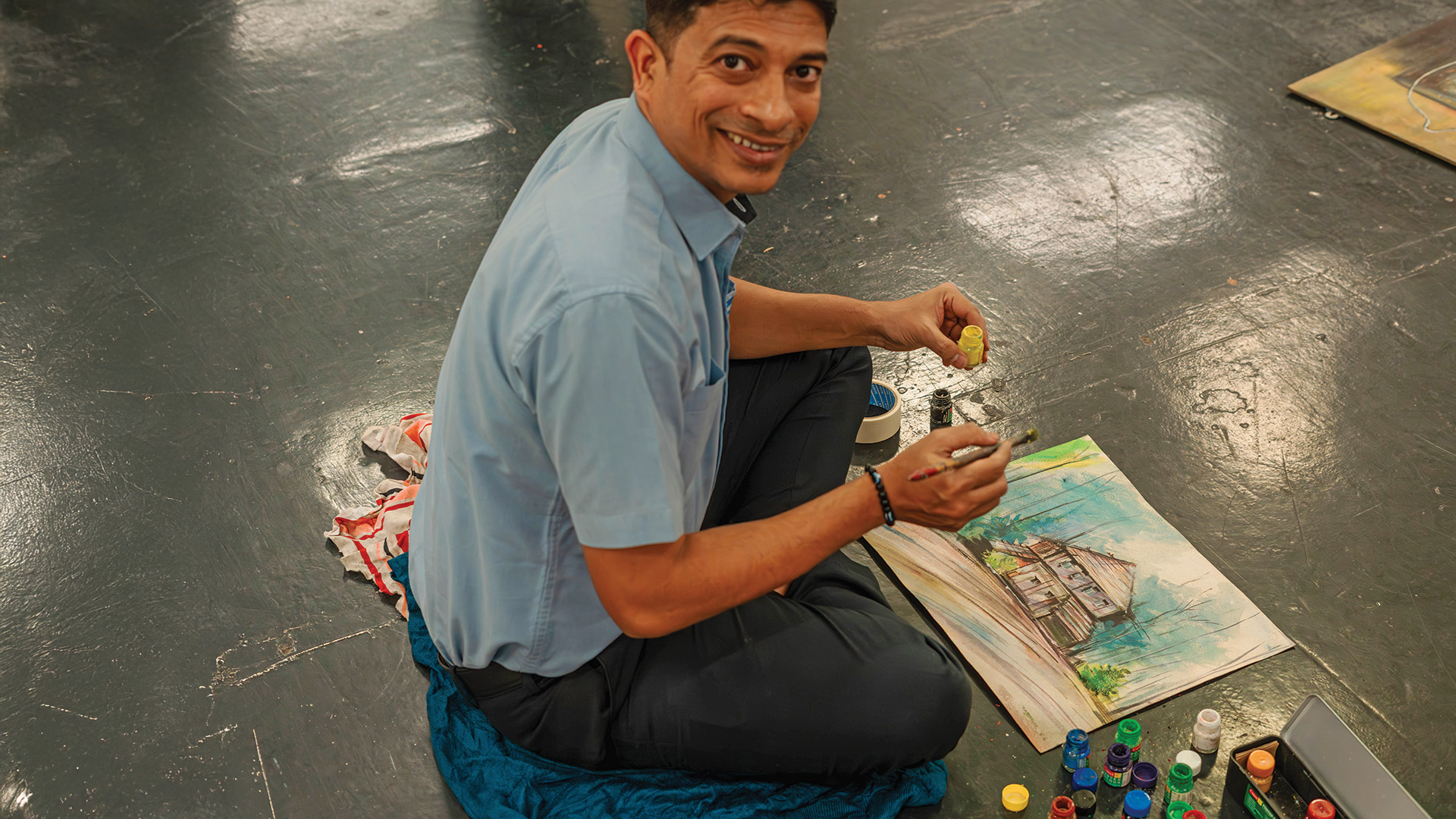
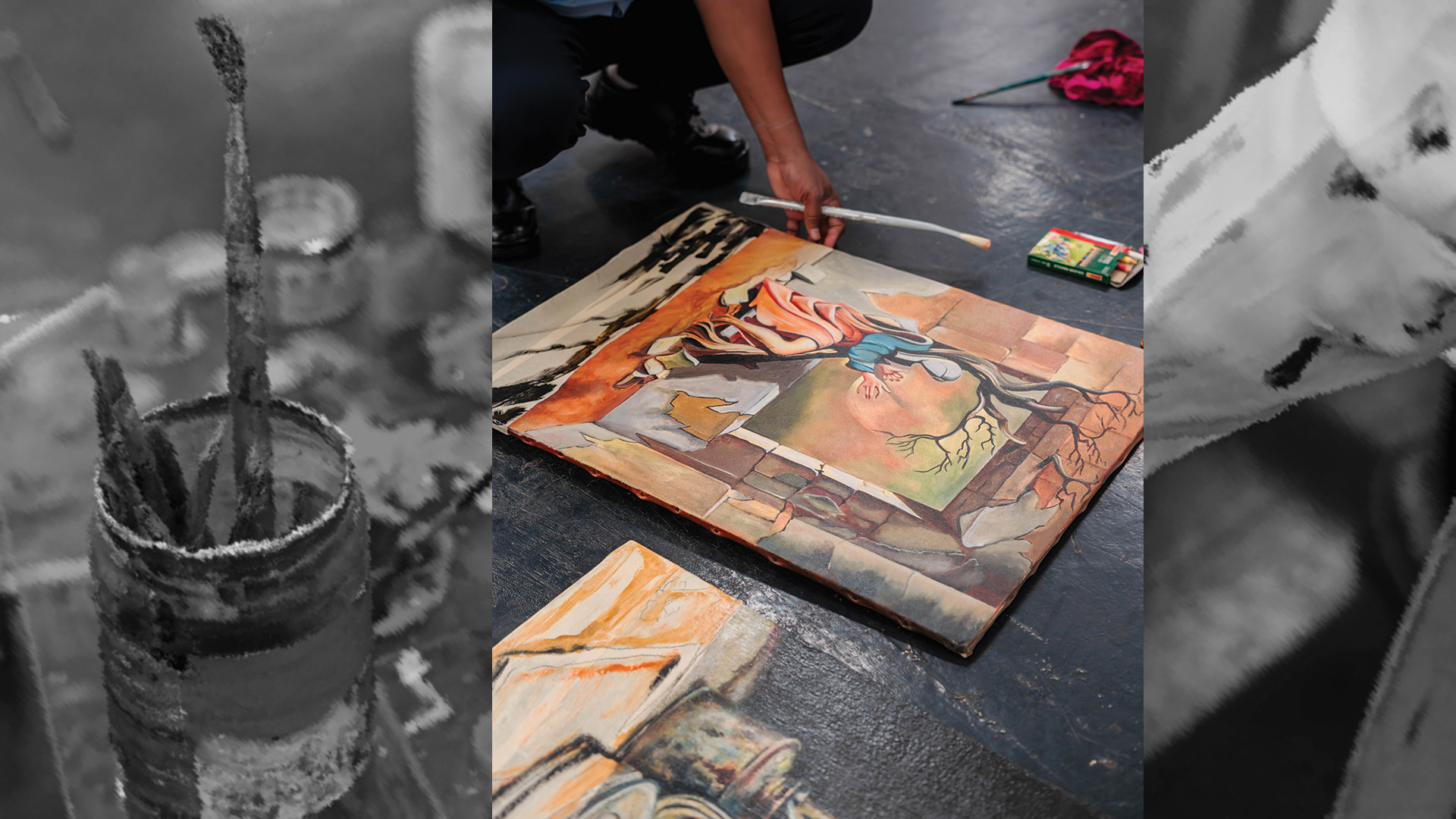
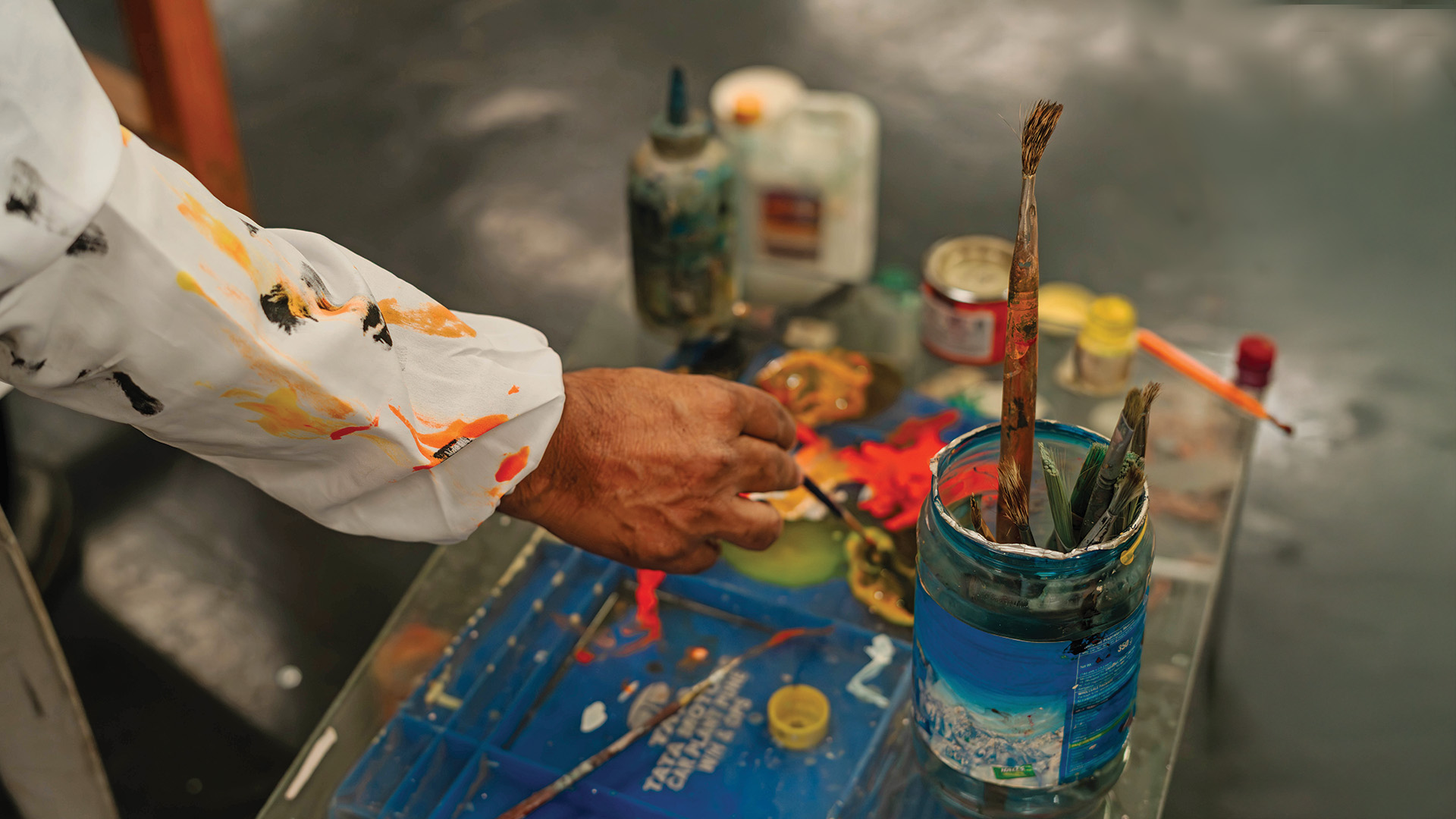
A handful of paint technicians from K Block took up the mission of transforming it into an art corner. As they went along, piles of trash turned into treasure: paint was generated from sludge — a hazardous by-product of the vehicle surface treatment — while wooden frames, plywood, and scrap from operations were repurposed as canvases. Maintenance breaks, lean periods, afterwork hours, and weekly days off were devoted to the project. Paintings lying at home were brought in.
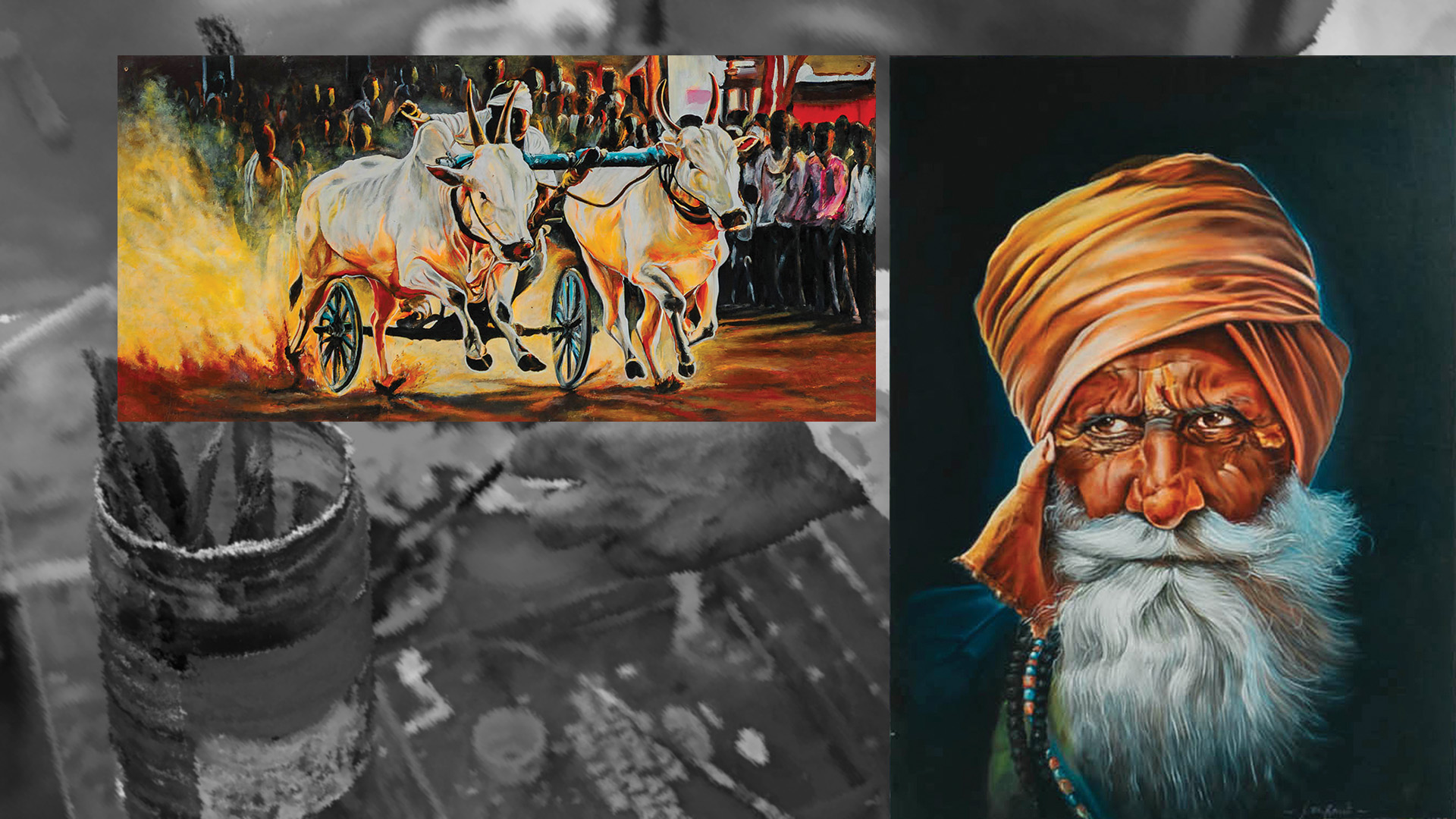
Within no time, the art gallery idea captured people’s imaginations. What began with 10 pieces has now grown to over 80. From idyllic landscapes and realistic portraits to striking 3D renditions of animals and birds, the exhibition showcases an impressive diversity of art, contributed by 14 artists.
“We have also painted shop floor walls with messages on safety, excellence, and the Tata values.”
From locker rooms to gallery walls
“Our superiors had noticed that many of us had hung paintings in the locker room,” recalls Dhanpal Singh Gour, one of the gallery’s founding members. “So, they suggested we bring our paintings to the gallery instead.”
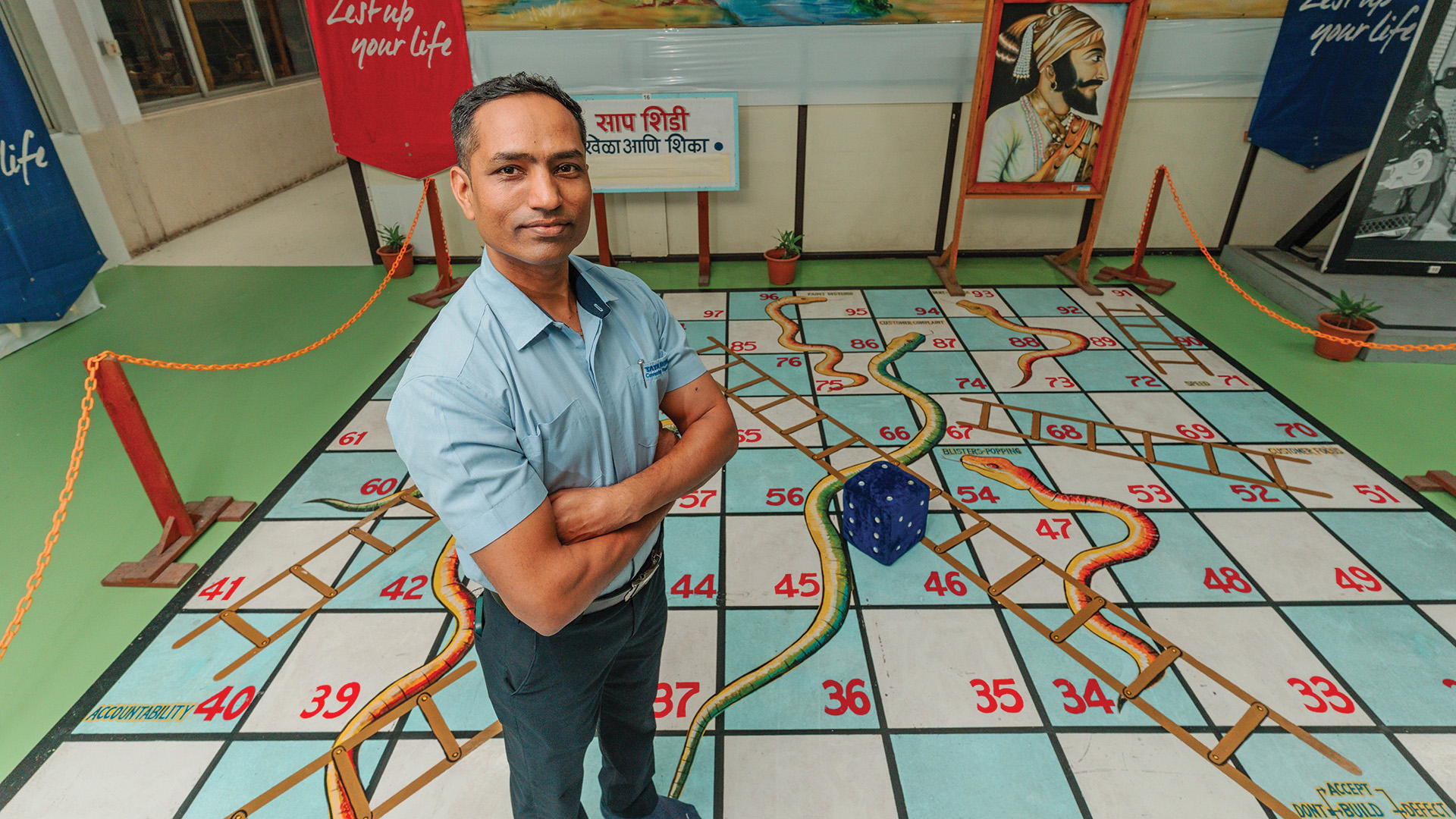
Imagination was given free rein — and it shows. One part of the floor features a creative take on the classic Snakes and Ladders game, reimagined with a twist by Mr Gour. Qualities like integrity, customer excellence, innovation, speed, and agility help players climb the board, while errors and customer complaints send them sliding back down. Mr Gour, who has been with the company for 27 years, explains that the goal was to make the induction process for new joinees more engaging. “We wanted to drive home the values of the Tata Group in a fun manner,” explains Mr Gour, who learnt art from his father, a graffiti artist specialising in political murals.
“Many of them [the workforce] are not aware of industrial hazards and safety regulations. Using art as a medium to spread awareness helps keep our workers safe and the plant clean.”
The creativity extends beyond locker rooms and gallery walls. “We have also painted shop floor walls with messages on safety, excellence, and the Tata values,” says Jitendra Vasant Ghumatkar, who is stationed on the Sealant Line and has spent over two decades with the company. Since 85% of the factory workforce comprises temporary, contractual workers from small towns, using the paintings for social messaging helps reinforce key messages effectively, he explains. “Many of them are not aware of industrial hazards and safety regulations,” says Mr Ghumatkar. “Using art as a medium to spread awareness helps keep our workers safe and the plant clean.”
Standing out
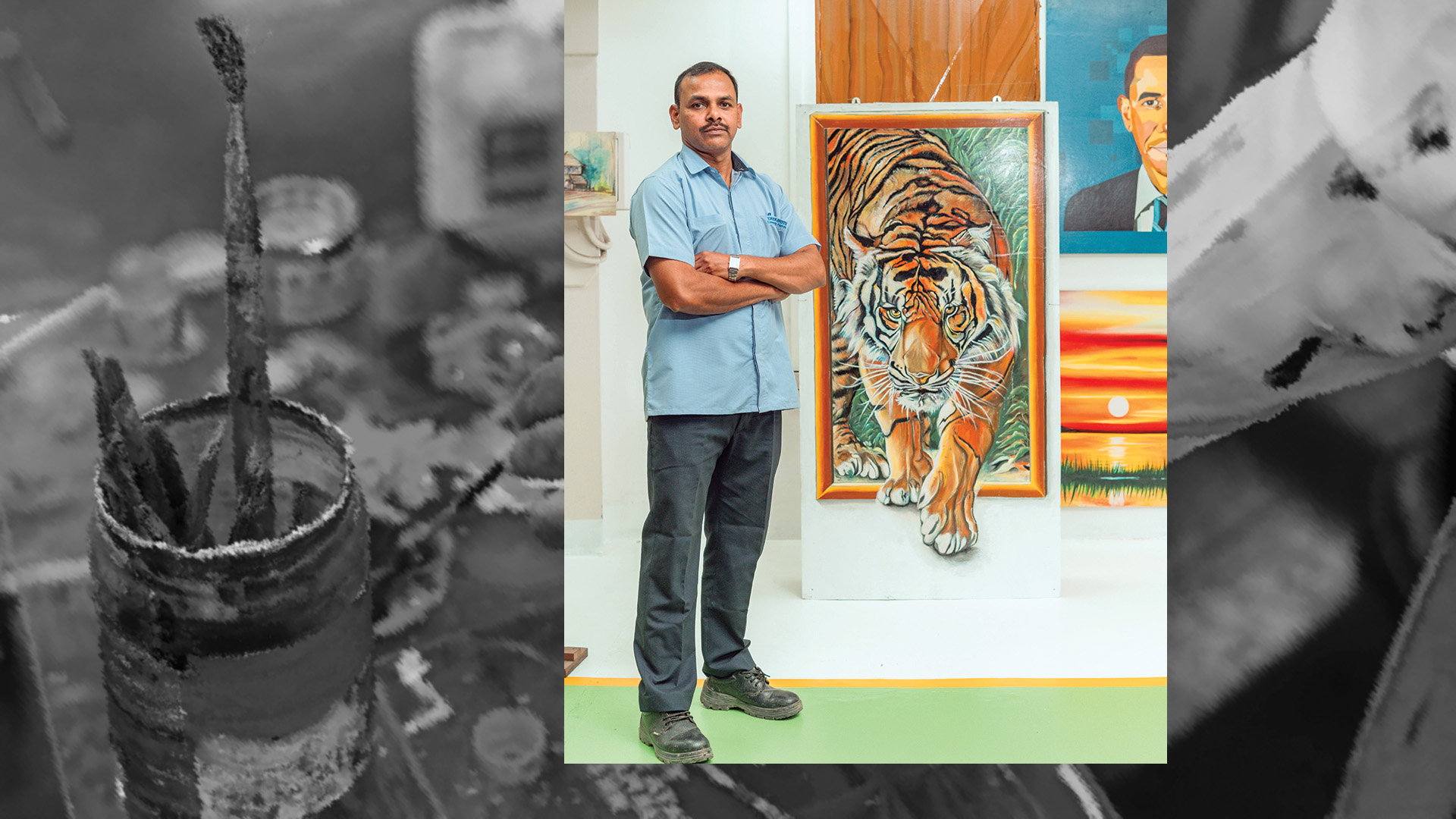
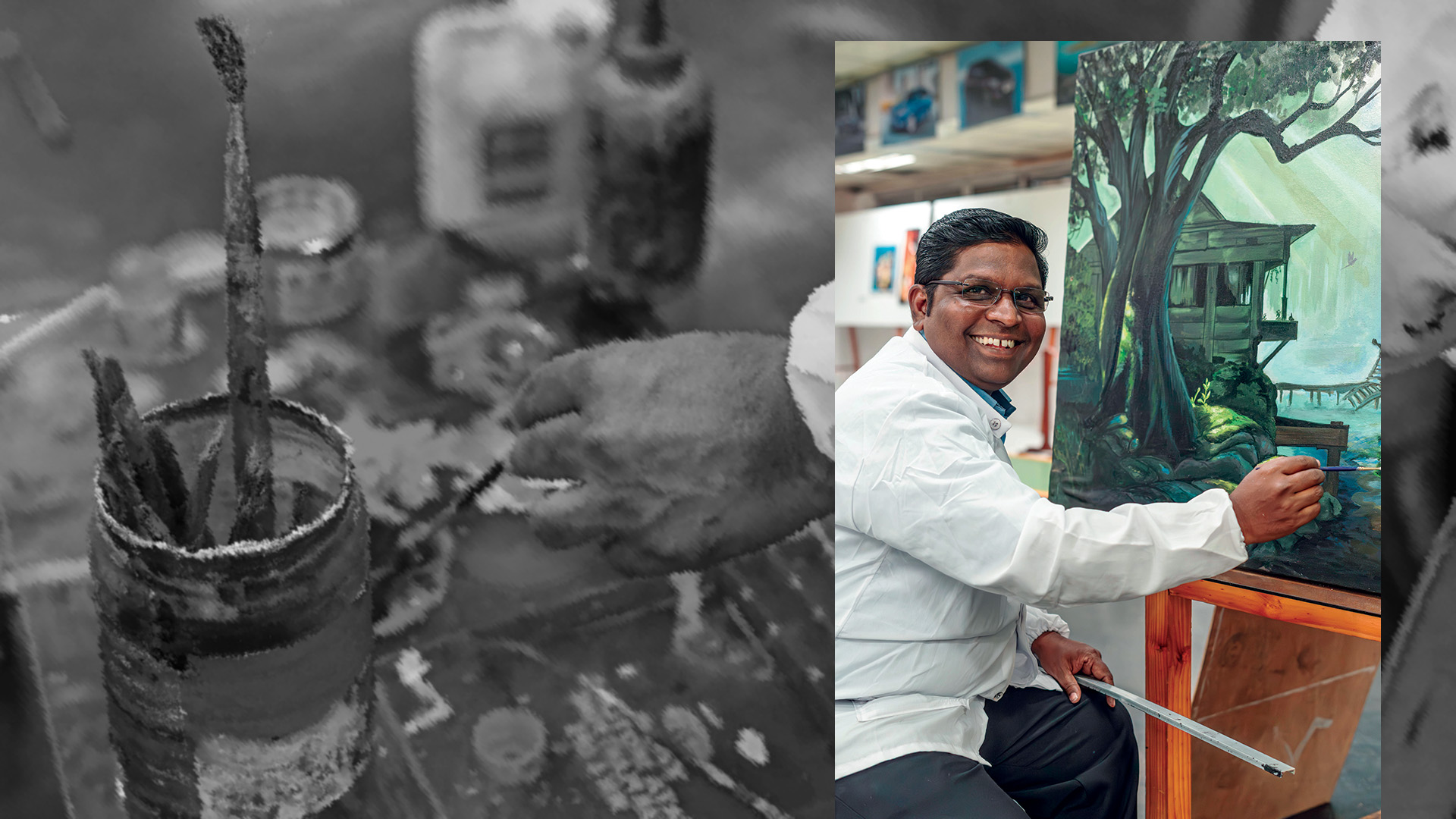
Artists like Mr Ghumatkar and Sanjay Govindrao Tatewar are masters of illusion, bringing their 3D paintings to life. A tiger appearing to step out of the canvas and a deer peeking out from the page create a striking sense of depth, movement, and texture. “This is an opportunity to channel the precision and symmetry we apply in our work to our paintings,” says Mr Tatewar, who joined the company in 1999 and works on the Roof Masking Line.
Both draw parallels to the ‘orange peel’ effect in automotive painting, a key measure of a paint job’s smoothness. An automobile’s finish is expected to be flawless: brilliant, smooth, and uniform, with minimal orange peel effect. “We try to achieve the same excellence in our paintings,” says Mr Tatewar.
Persistence pays
The artists appreciate the company’s efforts to recognise and nurture their talent, and some, like Vinayak Suresh Rapte, say that the gallery has inspired them to take their art seriously. “If you don’t use it, you lose it,” says Mr Rapte, from the Under Body Line. “And I realised the same thing was happening to me. But this initiative came at the right time.” Mr Rapte is one of the few artists who chooses to work with pencil sketches. “Oil paintings tend to have a rich, deep lustre and a longer shelf life. But I wanted to bring more variety to the collection,” he says.
Some, like Sunil Mohan Parmar, straddle both art and music, finding a different kind of joy in each. “My favourite painting is of two old men playing chess,” says Mr Parmar, who is part of the Rectification Booth team. “I drew it from my imagination. There’s something wonderfully slice-of-life yet special about it.”
“This is an opportunity to channel the precision and symmetry we apply in our work to our paintings.”
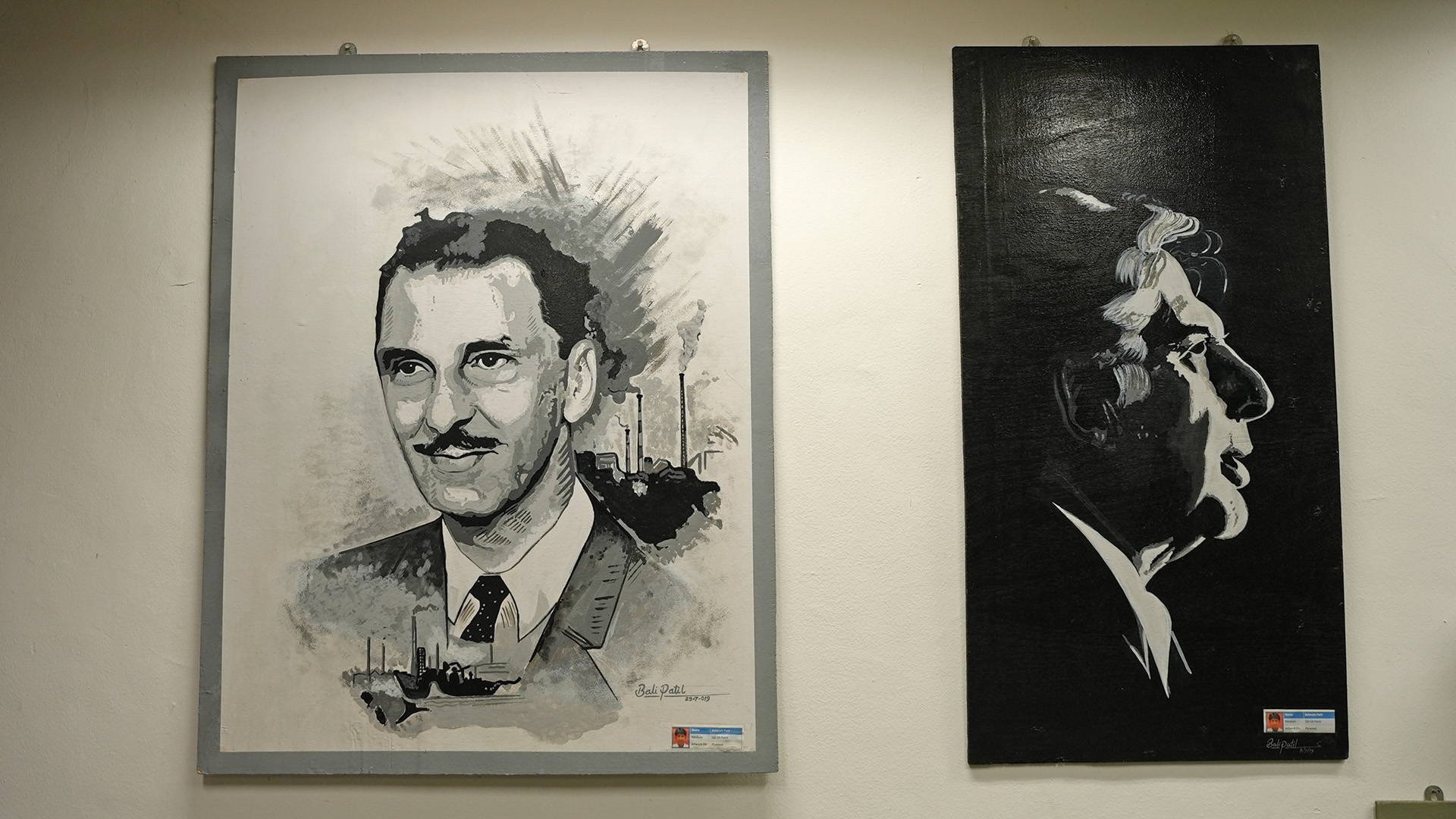
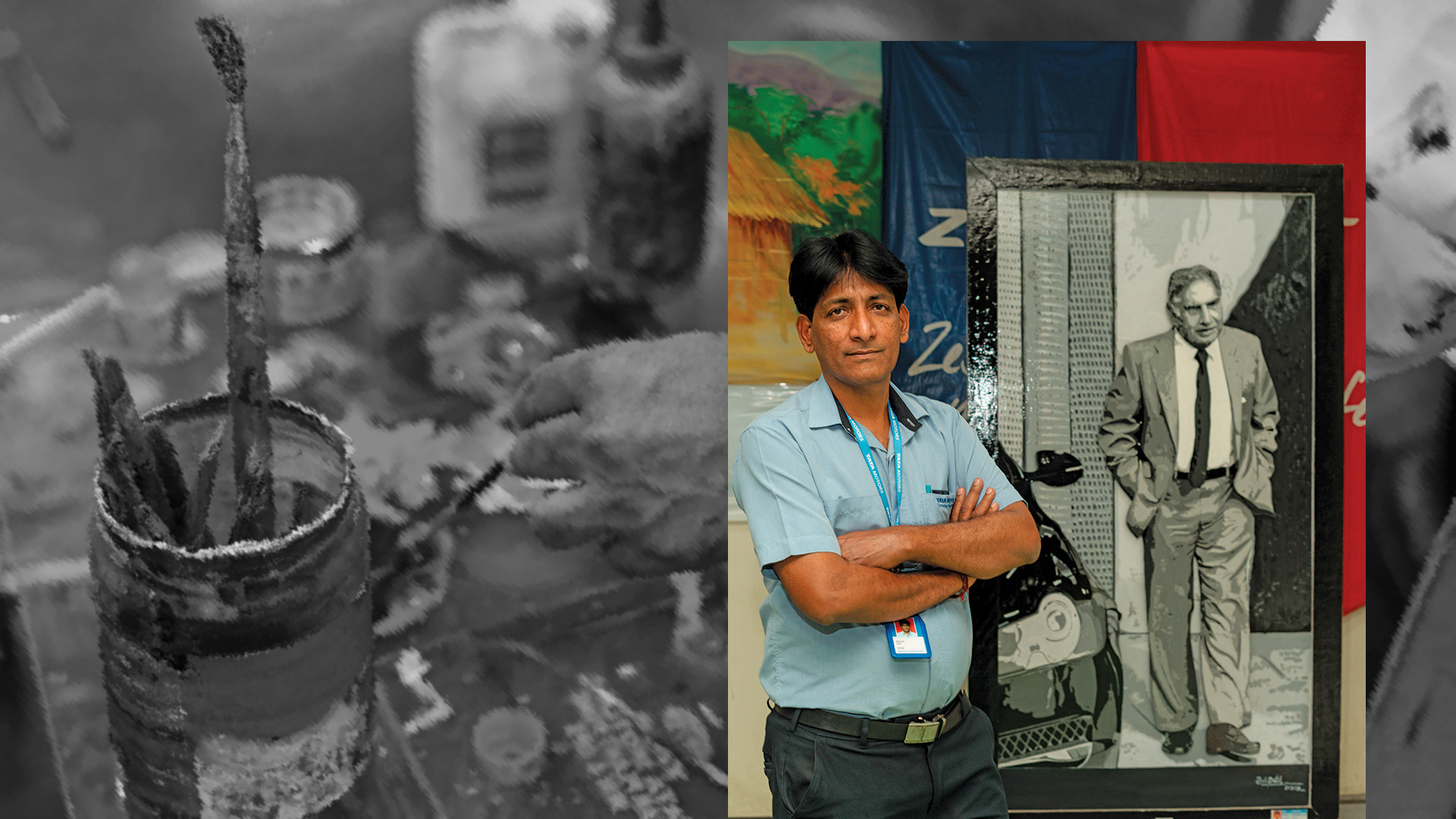
Like any skill, practice makes perfect. “I used to doodle during lunch breaks — to be honest, I wasn’t great, but I kept at it,” says Balavant Pandurang Patil, who works on the Wet Sanding Line, an integral stage of the production process to achieve a flawless surface finish. Many of the JRD Tata paintings that dot the walls are his handiwork. “Now, when I look at my own artwork, I’m amazed at how far I’ve come,” he says. His persistence even inspired his teenage daughter to pick up the brush.
Initially, when Sayaji Dadarao Pandalwad from the Sealant Line showed pictures of his paintings to his family, they were incredulous. “They didn’t believe that I could create these artworks and wanted to have a look at them,” he says. “That’s when leadership decided to introduce family visits.”
The new brotherhood
Collaborating on this project has fostered a sense of camaraderie among the technicians from different lines. “There are so many art techniques that I’ve picked up from my colleagues, which has made the experience richer,” says Santosh Manaji Raut, a member of the Rectification Booth team.
“Thanks to the gallery, our colleagues from other lines have got to know us and drop by to see our work,” says Mr Pandalwad, who has contributed 25 paintings to the gallery. He jokes, “Not only have I made friends — I have also become fairly famous!”
— Anju Maskeri

Inside the gallery