May 2026 | 726 words | 2-minute read


The story reveals the meaning of what otherwise would remain a sequence of mere happenings,” famously noted German-born American political scientist and philosopher, Hannah Arendt.
Much like our lives where the past, present and future intertwine to shape a tale that gives each of us a distinct identity, each tissue, when closely observed in diseases such as cancer, reveals a story of its own. Encoded within its architecture are complex patterns and subtle cues that reflect the biology, evolution, and behaviour of the disease.
Could unveiling these complex patterns redefine how the world approaches cancer prognosis, patient stratification, treatment selection, and drive better outcomes for patients? It was this challenge that drew the attention of Tata Consultancy Services (TCS), Tata Medical Center (TMC), Kolkata, and Tata Translational Cancer Research Centre (TTCRC).
TCS is catalysing a systemic transformation in healthcare with life sciences and AI and other emerging technologies to deliver predictive, personalised, and affordable care, creating measurable real-world impact at population scale in India and globally.
Decoding the cellular story
Precision care — where each patient receives medical interventions tailored to their unique physiology — remains largely an unmet need today. Clinical decisions still rely heavily on manual histopathology, while prognosis accuracy is often inadequate and treatment is insufficiently personalised. Accurate disease grading (determining the aggressiveness of the illness) often comes down to a pathologist’s ability to catch almost invisible clues tucked inside tiny cells under the microscope. Even as multi-modal AI advances, there remains a scarcity of models that can reliably capture clinically relevant biomarkers to support patient stratification and the treatment of cancer. Add to that a critical shortage of oncologists and pathologists, which often leads to delayed diagnosis and treatment of patients.
From pixels to prognosis: AI in cancer care
Recognising the urgency of this challenge, TCS, TMC and TTCRC, are developing AI-driven vision-based prediction models for prognostic insights into various types of cancers. “Our AI models can aid clinicians through predictive intelligence, risk assessment, and more, and enable effective and faster clinical decisions,” says Dr Naveen Sivadasan, Head of Life Sciences Research at Research and Innovation at TCS
TCS’ AI models can process massive amounts of tissue images and extract histological features from cells to higher order structures to overall tissue architecture. These AI models can detect, analyse, and classify nearly half a million cells within minutes, rapidly pinpointing tumour hotspots. “A number of AI models work together to spatially encode all the interesting features from a pixel space to the histological space. The models surface critical insights for pathologists, which can potentially lead to better patient outcomes,” explains Dr Sivadasan.
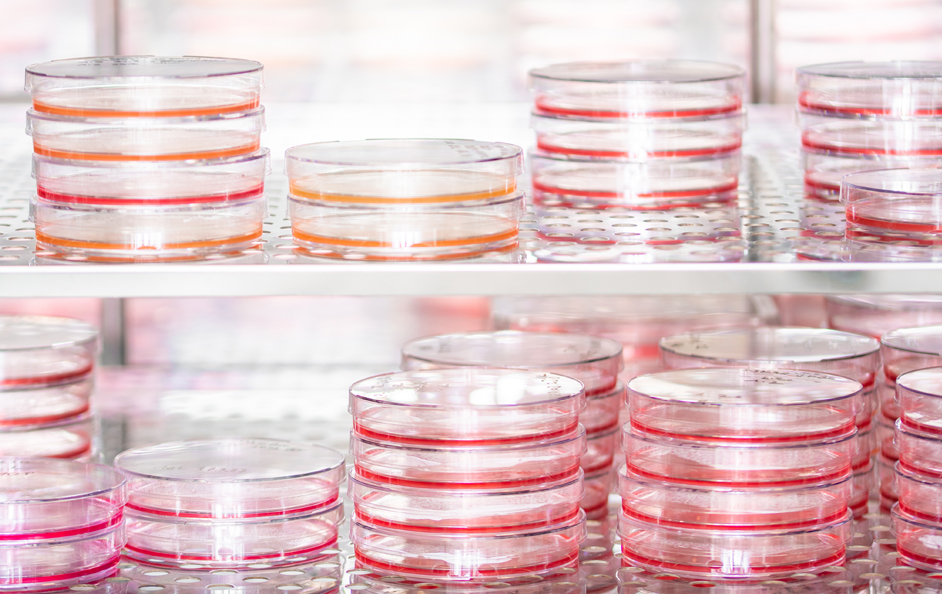
TCS and TTCRC are also developing AI models for personalised therapy selection for leukaemia patients with treatment resistance or relapse. Patient-derived samples are cultured ex vivo and exposed to multiple drugs and combinations to check drug sensitivity, using high throughput imaging. AI models analyse these images to generate patient-specific drug response curves and rank therapeutic options, enabling more informed and targeted clinical interventions.
“Drug response profiling can potentially extend patients’ survival chances, with reduced side effects. The models can deliver a ranked set of recommended interventions, for faster and more precise clinical decisions that can improve survival outcomes,” says Saipradeep V G, Senior Scientist, Research and Innovation, TCS.
The future of precision care
TCS is accelerating precision diagnosis, lowering costs, and improving patient outcomes. Looking ahead, Mr Saipradeep says this is being extended with a larger partner ecosystem to drug response profiling for solid tumours using tumour organoids. What lies ahead? “We are building pan-cancer AI models that can bring predictive intelligence into clinical workflows and aid clinicians with precision intervention at scale,” reveals Dr Sivadasan, signalling a future where precise and targeted interventions are within the reach of cancer patients in India and globally.
Rising incidence
- The World Health Organization (WHO) projects over 35 million new cancer cases by 2050.
- According to the WHO, there were an estimated 20 million new cancer cases in 2022 globally.
- There are 1.4 million new cancer cases annually in India, with oral and breast cancer cases accounting for nearly a quarter of the total caseload.
- Sharmistha Choudhury