April 2026 | 1005 words | 4-minute read


The decade of Jaguar TCS Racing has been a decade of dominance in the ABB FIA Formula E World Championship.
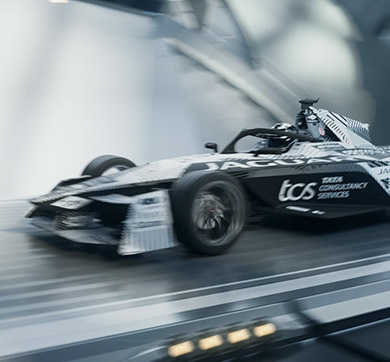
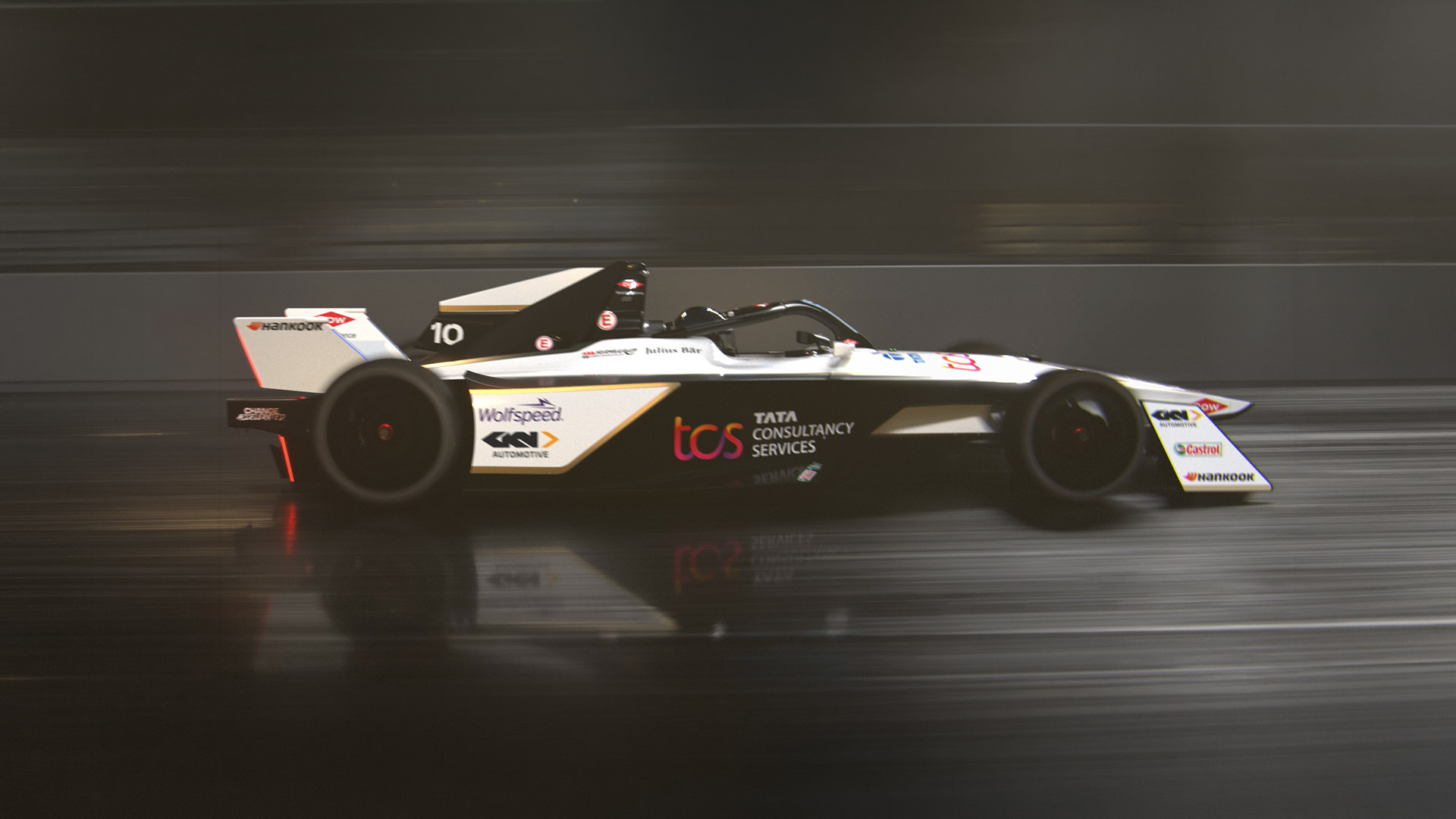
The team marks its 10-year milestone as the most successful team in Formula E history to date with 26 wins and a further 33 podiums! And with the reveal of its GEN4 development car in April 2026 — as the all-electric championship prepares to move into the GEN4 era — the team stands ready to push the boundaries of what dominance in electric racing can look like.
Jaguar TCS Racing entered the ABB FIA Formula E World Championship in its third season in 2016, becoming one of the first premium manufacturers to join the all-electric racing series. In the decade since, the team has witnessed and contributed to the most rapid period of technological evolution in motorsport history. The move into the GEN4 era illustrates how far electric race car design has come, and how much further it is about to go.
GEN1 → GEN2: Joining a Championship in Transformation (2016–2018)
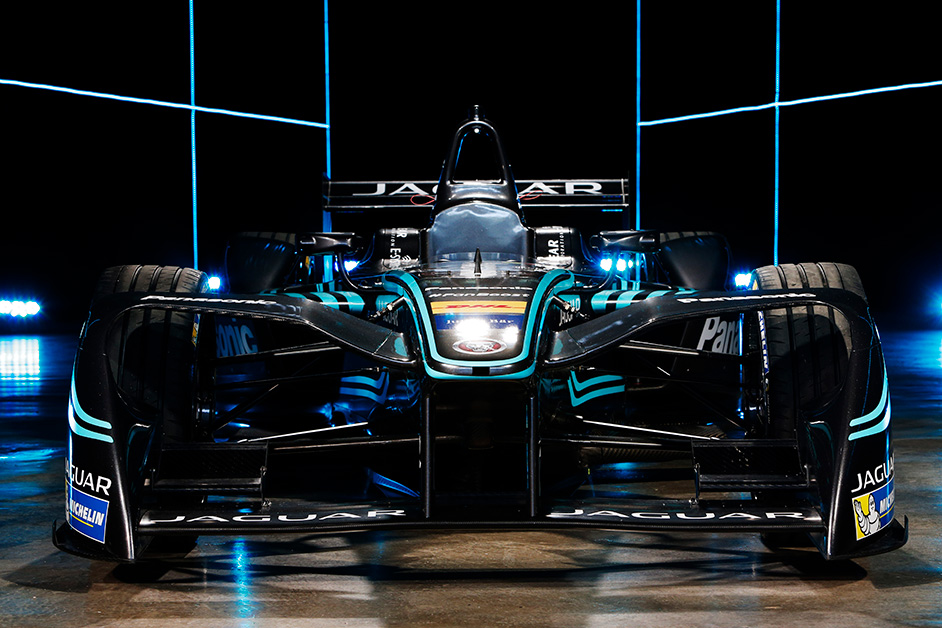
When Jaguar joined Formula E in Season 3, the championship was still in its formative years. GEN1 cars were relatively simple by today’s standards: a maximum of 200kW of power (270 bhp) and limited to 150kW of regeneration.
“The cars were so inefficient that drivers had to swap cars mid-race in order to finish! The design was merely focused on proving that electric racing was possible,” Jaguar TCS Racing tells Tata.com. “However, even in these early seasons, Jaguar began shaping its electric performance philosophy: lightweight engineering, efficient packaging, and rapid software‑driven gains.”
The team entered just as the series was preparing for its first major leap, giving Jaguar a front‑row seat to the transition from GEN1 to GEN2.
GEN2: A New Era of Performance (2018–2022)
GEN2 marked the moment Formula E became a true performance championship. Power increased to 250kW (335 bhp), energy regeneration nearly doubled to 250kW, and mid‑race car swaps became obsolete.
For Jaguar TCS Racing, GEN2 was the platform on which the team could truly establish itself. While a lot of the GEN2 car was restricted, there was more freedom for every manufacturer to design its own motor, inverter, gearbox, and rear suspension. From this, Jaguar accelerated its race‑to‑road learning cycle. Aerodynamic refinement, advanced battery management, and increasingly sophisticated energy‑management software became central to the team’s competitive identity.
GEN3 & GEN3 Evo: The Efficiency Revolution (2022–2026)
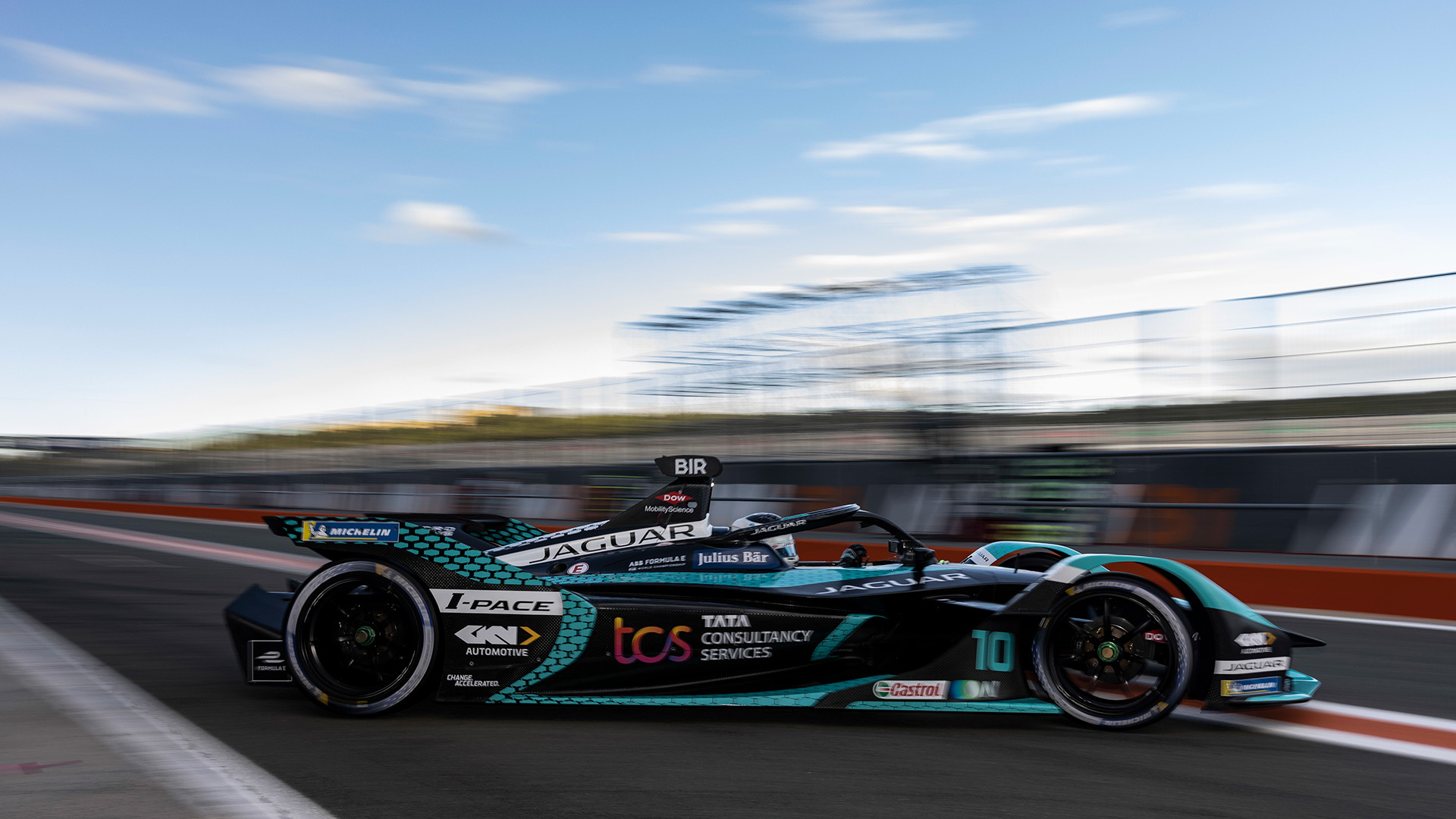
GEN3 (video below) delivered the most dramatic leap yet: lighter, smaller, faster, and the most efficient race car ever built. With 350kW of power (470 bhp), 600kW of regenerative braking, and a top speed of 320 km/h (200mph), GEN3 recaptured more than 40% of its energy during a race — a world first.
Jaguar TCS Racing used this era to refine its dual‑powertrain approach, integrating front‑axle regeneration and pushing the limits of software‑led performance. GEN3 Evo, debuting in 2024, added all‑wheel drive in key phases of qualifying sessions and the race, improved aerodynamics, and 0-60mph acceleration competitive with current F1 cars.
This year — the final season of GEN3 Evo — marks Jaguar’s 10th anniversary in Formula E, underscoring just how dramatically the technology has evolved since the team’s debut.
GEN4: The Next Leap Forward (2026/27 Onwards)
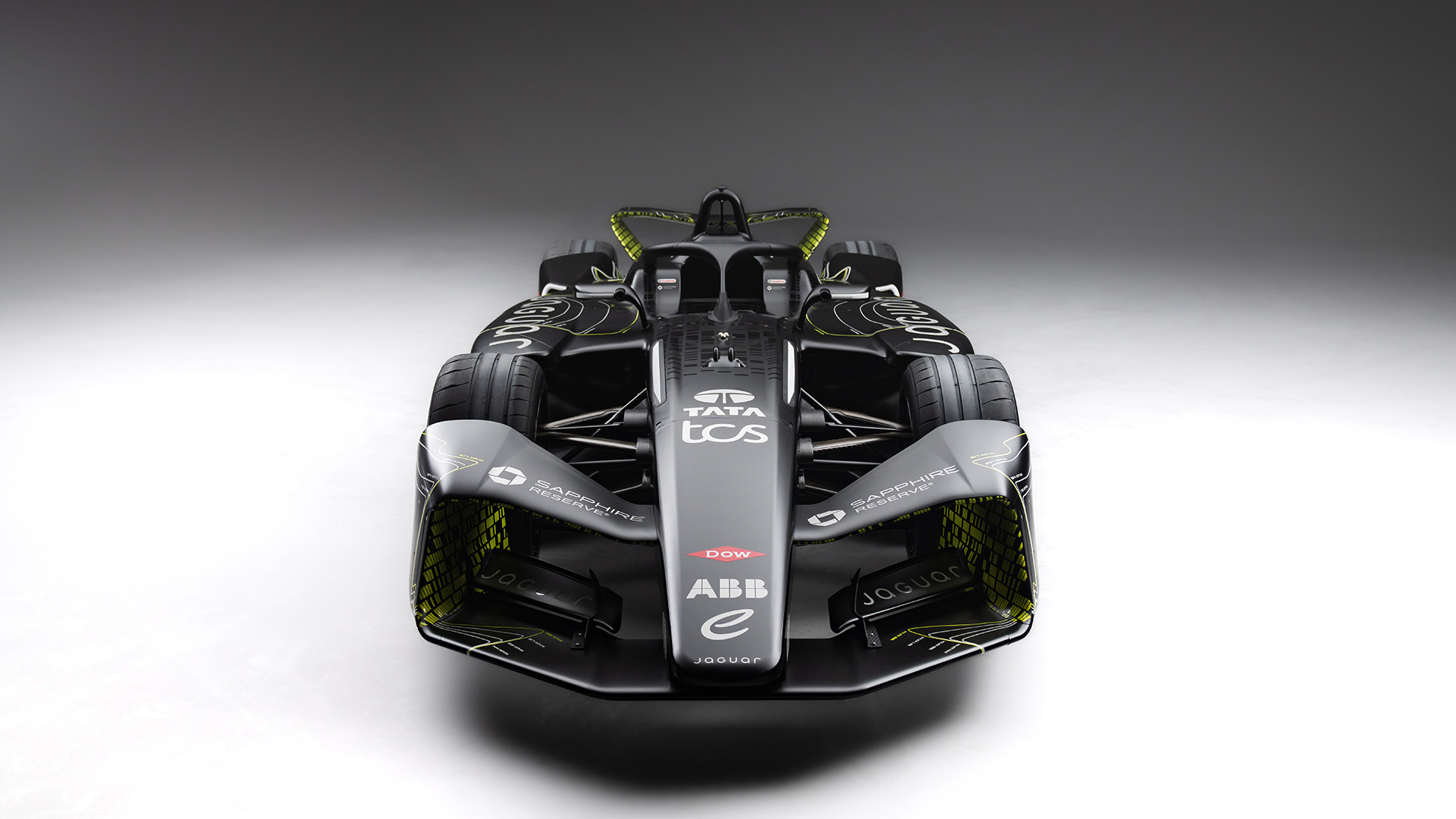
The championship is preparing for its most ambitious step yet: GEN4. Set to debut in the 2026/27 season, GEN4 redefines electric racing with 600kW of power (equivalent of 804bhp), active all‑wheel drive, and two aerodynamic configurations optimised for qualifying and racing. With 700kW regenerative braking, GEN4 will be the most advanced Formula E car ever built — and the most road‑relevant for manufacturers in the championship such as Jaguar.
For Jaguar TCS Racing, GEN4 provides the biggest scope yet for Jaguar to develop its powertrain technology. As one of the registered GEN4 manufacturers, Jaguar will integrate its own powertrain and energy‑management technologies, pushing the limits of electric performance while accelerating the transfer of race‑to‑road innovation.
“Formula E is the perfect platform to enable Jaguar to be at the forefront of EV technology innovation, and GEN4 represents another step‑change for the championship. The raw speed of these all‑electric cars is incredible, and we cannot wait to showcase the Jaguar GEN4 proto_TYPE on track,” said Ian James, Managing Director, JLR Motorsport and Team Principal, Jaguar TCS Racing.
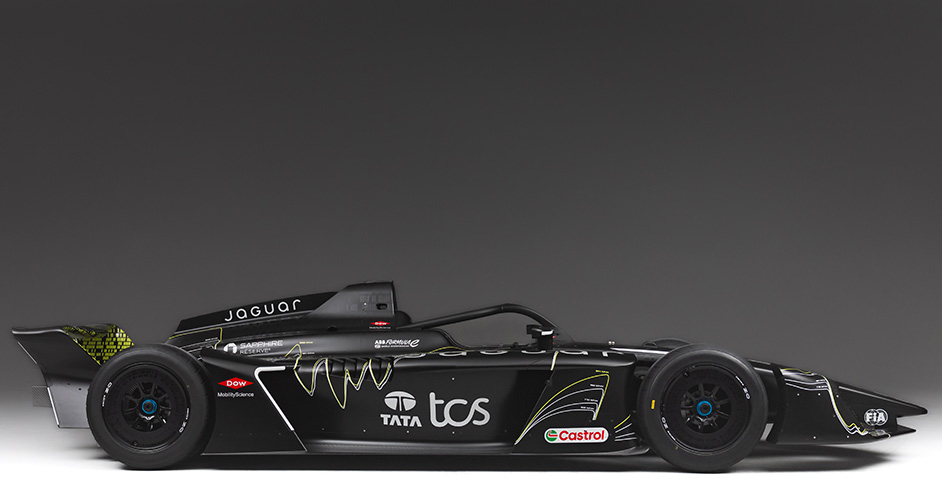
Using data derived from Jaguar TCS Racing’s state‑of‑the‑art driver in‑the‑loop simulator, the Jaguar GEN4 proto_TYPE, in its high‑downforce 600kW power specification, is predicted to set record speeds on track next season. Looking at the Circuit de Monaco as an example, the GEN4 is predicted to exit the iconic tunnel and hit a top speed of 277km/h before braking for the Nouvelle Chicane. That is more than 30km/h faster than the team’s current I‑TYPE 7 GEN3 Evo car (245km/h) in its 350kW mode, and almost 80km/h more than its GEN1 car (199km/h) in the simulator on the same track. The GEN4 car would also begin a lap around the famous street circuit at 254km/h, 32km/h quicker than its GEN3 Evo counterpart (222km/h) and 75km/h faster than Jaguar’s GEN1 racer (179km/h) would have done.
Jack Lambert, Head of Technical Integration, Jaguar TCS Racing added, “Jaguar TCS Racing’s key objective is that we race to innovate, and we have proved that throughout our time competing in Formula E… As a manufacturer, we’re always learning through the development of our own competition powertrain — and the expanded manufacturer perimeter for GEN4 will enable us to remain at the forefront of innovating EV technology on‑track for next generation of all‑electric Jaguar road cars.”
From its first laps in GEN1 machinery to the cutting edge of GEN3 Evo performance and now the brink of the GEN4 era, Jaguar TCS Racing’s first decade in Formula E is a testament to how electric racing accelerates innovations that will shape the future of mobility for all.
— Monali Sarkar