August 2026 | 820 words | 3-minute read


Until recently, India’s hospitality industry was largely focused on metros and established tourist destinations. Today, pilgrimage towns are witnessing year-round demand, manufacturing hubs are attracting business travellers, and improved road, rail, and air connectivity is bringing smaller towns and emerging destinations into the tourism mainstream.
For IHCL, this changing geography is opening up a new customer base and reshaping its growth map. “India’s growth trajectory is shaping a strong and sustained outlook for the hospitality sector, driven by rising affluence and a clear shift in consumer behaviour, where travel is increasingly seen as a non-discretionary spend,” says Puneet Chhatwal, Managing Director and Chief Executive Officer, IHCL. “We are witnessing strong demand across segments, along with deeper penetration beyond metros into Tier-2 and Tier-3 cities, as well as emerging leisure and spiritual destinations.”
A portfolio tailored for emerging markets
The company recognises that small-town India is not a single market. A manufacturing hub, wellness retreat, heritage town, and pilgrimage centre all require a different hospitality offering.
To address this diversity, the company has built a portfolio spanning luxury (Taj), upper upscale and upscale (Vivanta, SeleQtions and Gateway), mid-scale (Ginger), homestays (amã Stays & Trails), and boutique brands like Tree of Life, Brij, and Claridges Collection. With 382 operating hotels and a pipeline that will take its portfolio to 650 properties globally, much of IHCL’s future growth is expected to come from Ginger and Gateway in emerging markets.
The company uses a data-driven approach to identify destinations before they become mainstream, assessing travel demand, commercial activity, infrastructure plans, government investment, and local affluence. Many of its early bets have delivered strong results.
One example is Ginger Sanand, Gujarat, which opened in 2019. Located in one of India’s fastest-growing manufacturing ecosystems, sustained industrial demand helped the property exceed occupancy expectations and generate ₹11cr in revenue in FY26, prompting IHCL to expand its inventory.
Aligning with changing travel habits
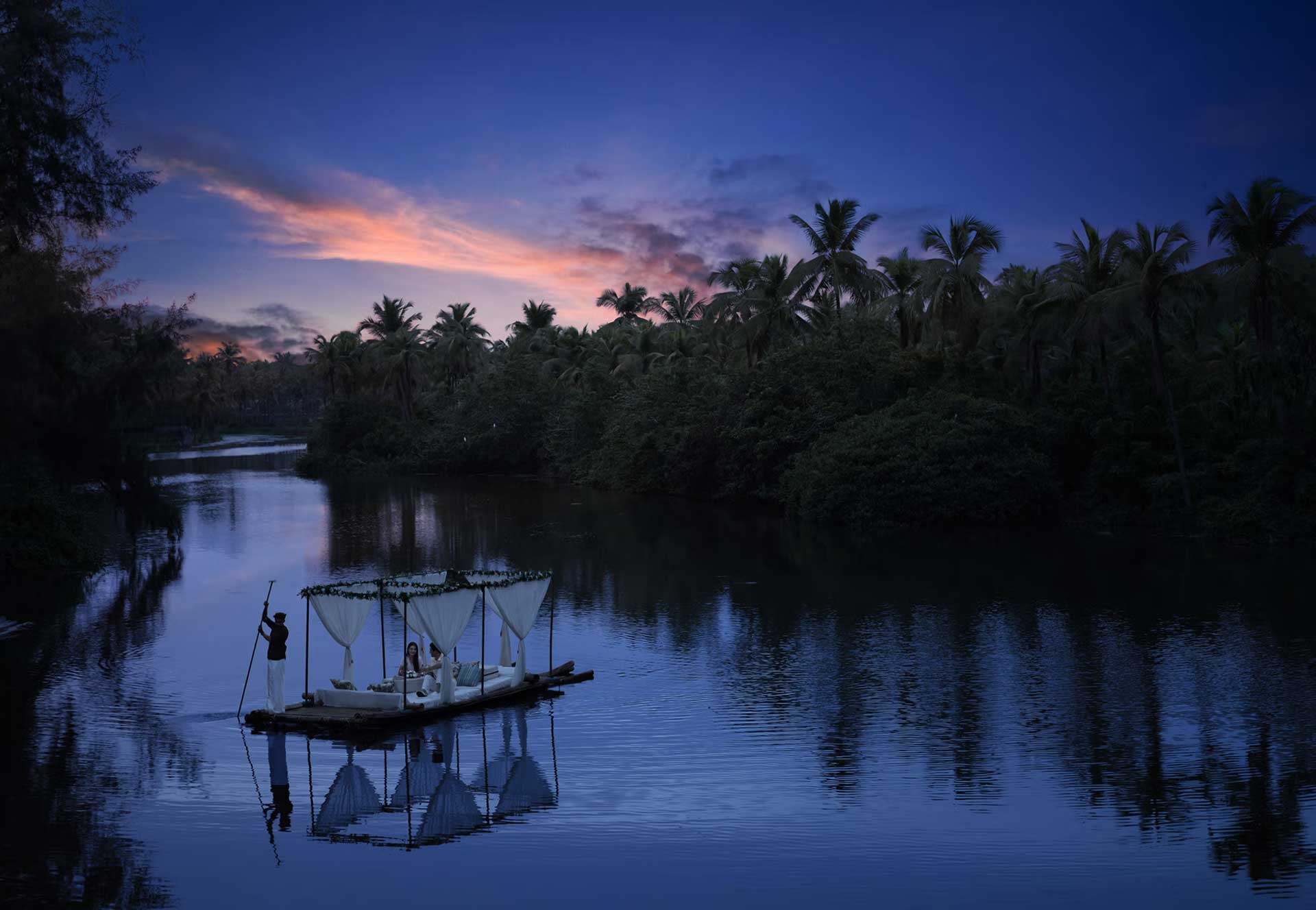
IHCL’s strategy is also evolving alongside changing traveller preferences, creating fresh opportunities. Slow travel, integrated wellness experiences, boutique stays, and premium homestays are gaining popularity, while spiritual tourism is opening new hospitality corridors. Recognising these shifts, IHCL has expanded its presence in destinations like Ayodhya, Vrindavan, Puri, the Ganges corridor and the northern hills — locations that were not part of mainstream travel growth plans a decade ago.
Creating value beyond the hotel
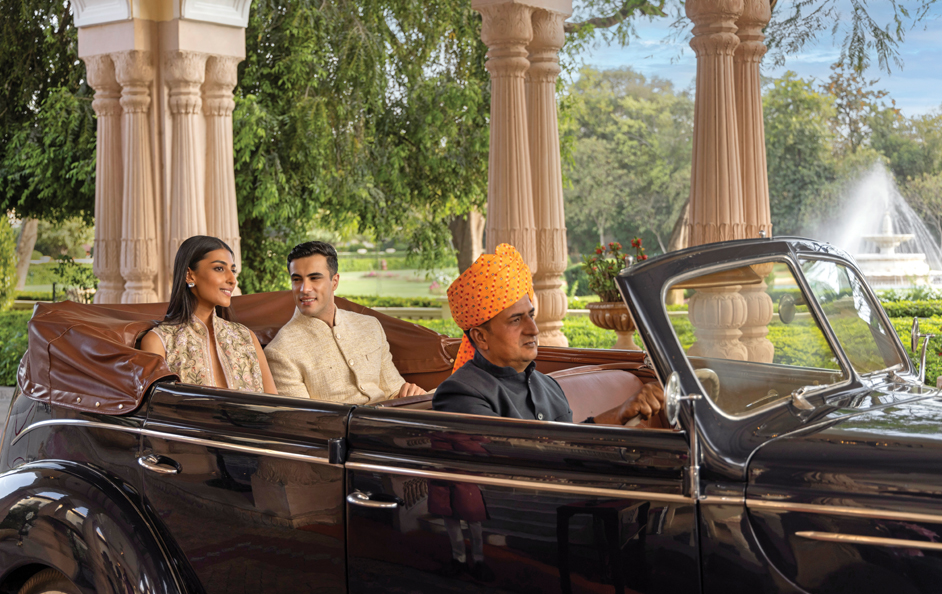
The company’s approach extends beyond building hotels and welcoming guests. IHCL sees each property as a catalyst for local development, creating jobs, strengthening supply chains, and supporting new community enterprises. Guided by its ESG+ framework, Paathya, IHCL operates 83 skilling centres across 21 states and has trained 55,000+ youth since 2020, helping create local talent pipelines.
Talent like Ashish Kumar Bais, who grew up in Madhya Pradesh with a strong passion for and knowledge of wildlife but limited spoken English. Today, he is Head Naturalist at Mahua Kothi, a Taj Safaris lodge in Bandhavgarh National Park. After joining Taj Safaris in 2008, IHCL’s training programmes helped him build the communication skills and confidence needed to host guests from around the world. “Taj Safaris gave me the opportunity to turn my passion into a lifelong profession...while allowing me to stay connected to the forests and communities that I love,” says Mr Bais.
At Pilibhit House – IHCL SeleQtions in Haridwar, doorman Yamlal Gosain too values the opportunity to build a stable career close to his family and community. “It makes me proud to welcome the world to my hometown every single day,” he says.
An ambitious footprint
- 650 hotels across 14 countries and 300 locations; 612 hotels in India across Taj, Claridges Collection, Brij, Atmantan, SeleQtions, Gateway, Vivanta, Tree of Life and Ginger
- ~65% of hotels in India are in Tier-2 and emerging destinations
- Gateway, Ginger and Tree of Life are driving much of its future growth
*All data as of July 31, 2026
Spotting tomorrow’s destinations
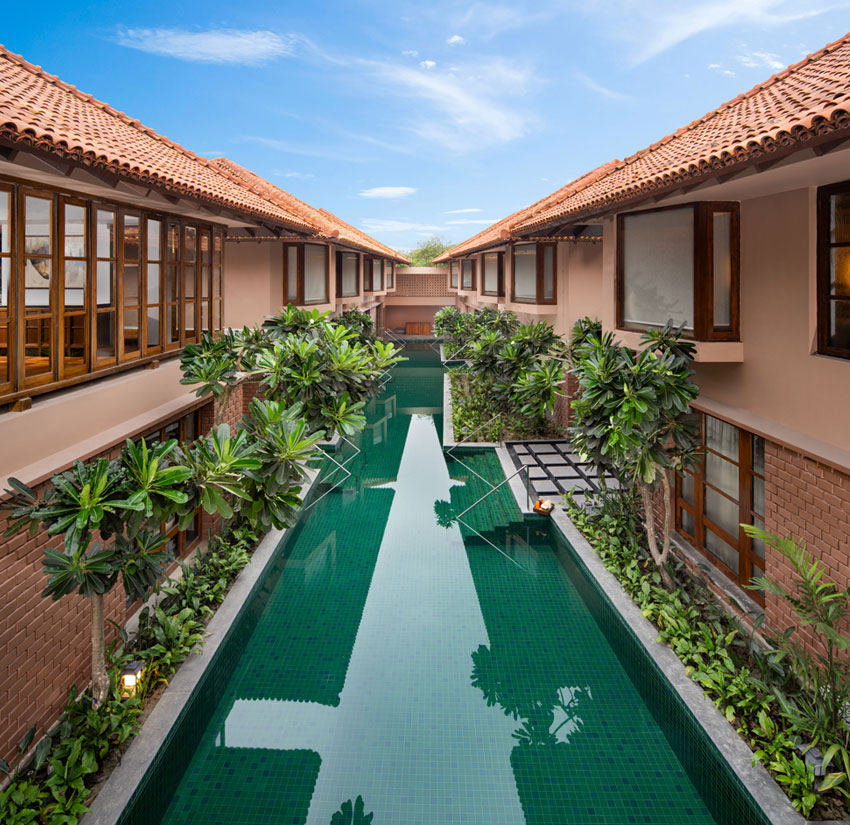
Before entering an emerging market, IHCL evaluates:
- Travel demand: Pricing trends and occupancy patterns signal growing visitor interest
- Connectivity: Upcoming airports, highways, and rail links that improve accessibility
- Economic activity: Industrial zones, corporate hubs and administrative centres that generate business travel
- Government priorities: State-led investments in tourism
- Rising affluence: Growth in retail, healthcare, education, and residential infrastructure that signal increasing spending power
IHCL also partners with local entrepreneurs, artisans, craftspeople, musicians, and wellness practitioners to create authentic guest experiences while supporting community livelihoods. At properties like Taj Ganga Kutir Resort & Spa, Raichak in West Bengal, these collaborations deliver experiences rooted in local culture while ensuring economic development of these destinations.
IHCL’s expansion strategy beyond metros is not simply about following demand. Increasingly, it is about identifying emerging destinations early, deploying the right format and building local connections that help shape the places where India’s next wave of travel — and economic opportunities — will converge.
- Anuradha Anupkumar