March 2026 | 838 words | 2-minute read


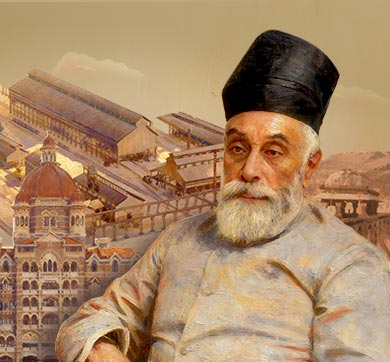
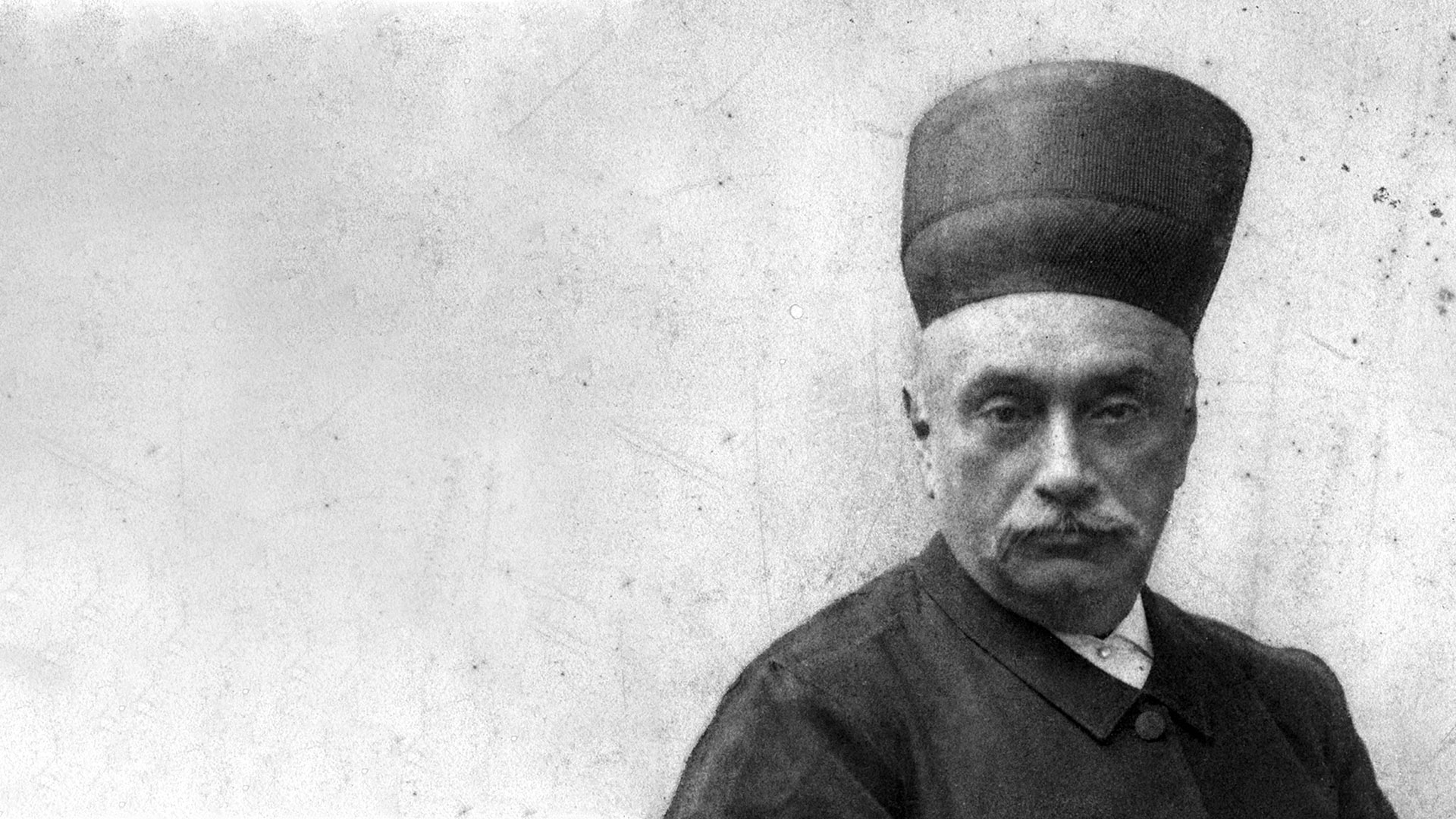
It was American philosopher and psychologist William James who said, “The greatest use of a life is to spend it on something that will outlast it.” Jamsetji Tata, the Founder of the Tata Group and the Father of Indian Industry, spent his entire life building a legacy that continues to influence the world nearly 122 years after he breathed his last. On the occasion of his birth anniversary, we honour the memory of this giant among men.
Jamsetji expanded the meaning of the word, philanthropy from merely writing a cheque to taking a personal interest in the welfare of people. As a successful businessman, he could have spent his life minting money. He had installed good people in his mills, invested in modern machinery and created working conditions conducive to encouraging employees to contribute to their fullest. Like his contemporaries, he could have focused on reaping the profits. And yet he chose to make bold forays that required him to take risks, and invest in enterprises and employees with the intention of building the nation and its people.
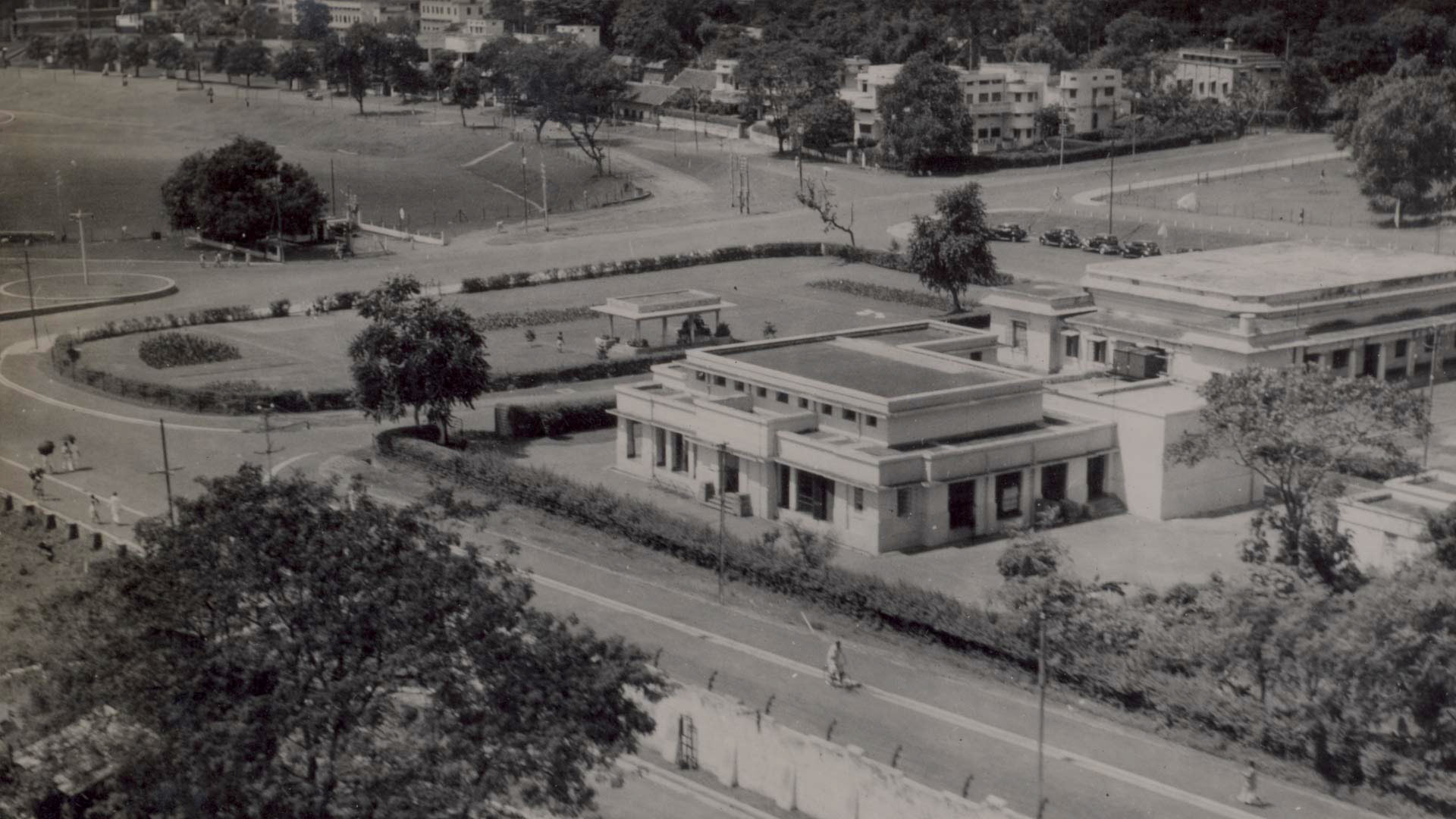
The welfare schemes he offered, including free medical help, creches, primary school classes, accident compensation, to name a few, were unusual in an age in which industrialists looked out for their own interests at the expense of the welfare of their employees. But that was not Jamsetji’s way. He said: “We do not claim to be more unselfish, more generous or more philanthropic than other people. But we think we started on sound and straightforward business principles, considering the interests of the shareholders our own, and the health and welfare of the employees, the sure foundation of our success.”
At a time when townships in the West were built around coal mines, Jamsetji wrote out clear instructions for how the township in Sakchi (later renamed Jamshedpur) was to be built. He wanted to protect his workers from inhaling the factory smoke by building the township far away from the factory.
He took similar care of the people of his beloved Bombay, at a time when the city was struck by disease. Jamsetji worked towards reclaiming 1200 acres of land around Mahim in order to improve the health of the city. His goal was to create “buildings fit to live in” in the suburbs of Bombay. He also planned to build houses in undeveloped districts at a moderate rental to relieve the city’s congestion.
For a worthy cause
Jamsetji was always willing to contribute money to a good cause. He supported a variety of causes such as education, disaster relief, construction of hospitals, and training of doctors. The last donation he made was just two months before his death, when he contributed a sum of Rs 3000 on behalf of Tata companies and Rs 2000 in his personal capacity for the welfare of the widows and children of soldiers killed in wars.
Lending Wings
The most definitive support that Jamsetji offered was in the area of education. He set up the JN Tata Endowment with the goal of enabling higher education in science, engineering, administration, medicine and humanities for deserving candidates. He expressed the philosophy behind this action in these words: “What advances a nation or a community is not so much to prop up its weakest and most helpless members, but to lift up the best and the most gifted, so as to make them of the greatest service to the country.”
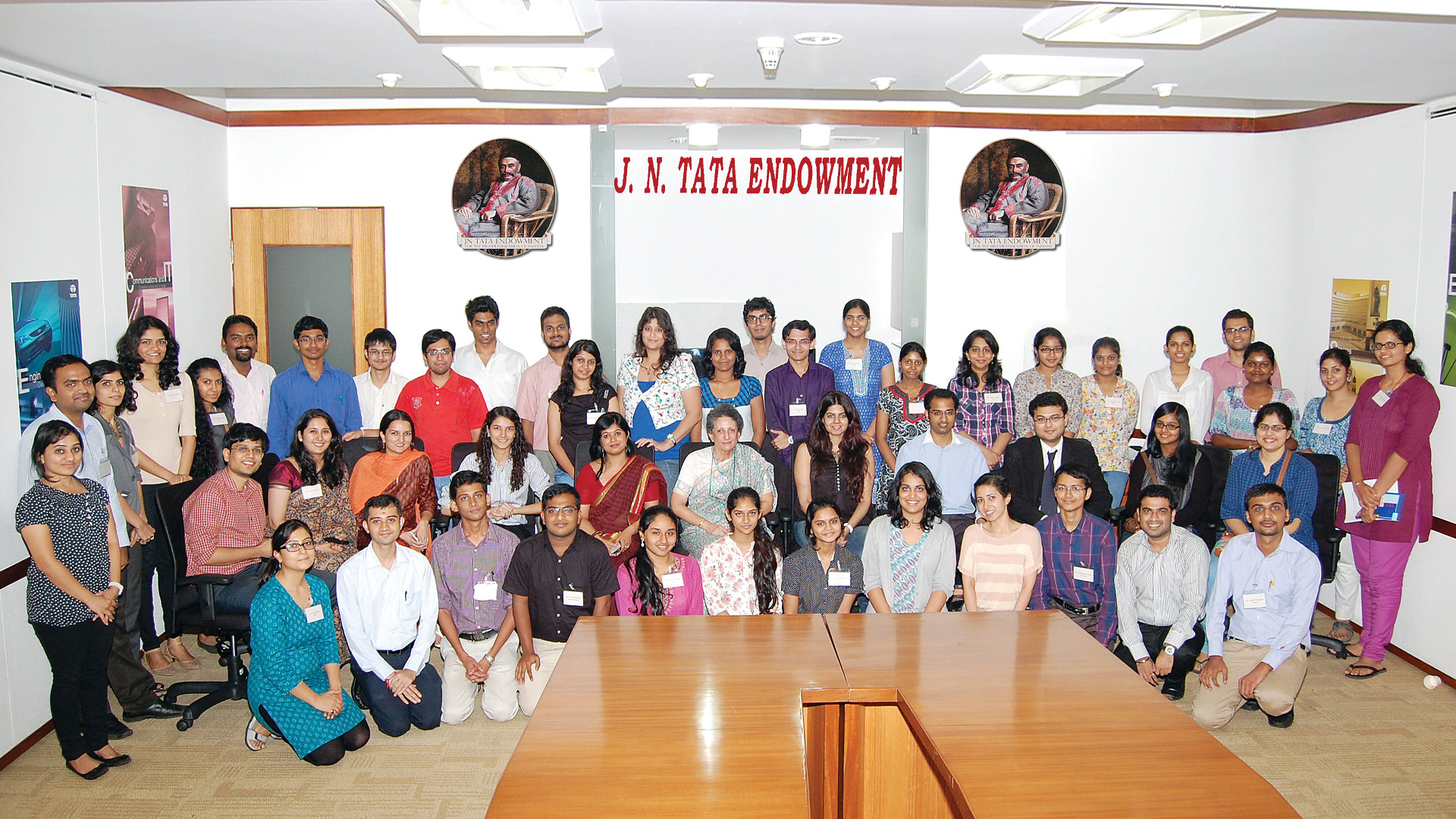
The bequests that Jamsetji Tata made in his lifetime have enriched the city he loved and the land in which he was born. More than a century after his demise, Jamsetji’s compassion and wisdom continue to inspire the Group he founded.

A gift to Navsari
No need was too insignificant for Jamsetji. On inheriting a huge plot of land in Navsari, he decided to create a small menagerie there, stocking it with wild animals. Instead of creating a private space for himself, he turned it into a public park, a gift for the people of the town.
He also worked to improve the water supply in Navsari by digging several wells. For years thereafter, the equipment was made available to anyone who wished to deepen or sweeten a well.
When travelling abroad, he visited local markets to look for saplings or seeds of locally available fruits and vegetables that could be grown in India. He said, “If one tree thrives and helps to feed the people, my purpose is served.”
- Cynthia Rodrigues