January 2026 | 1593 words | 6-minute read


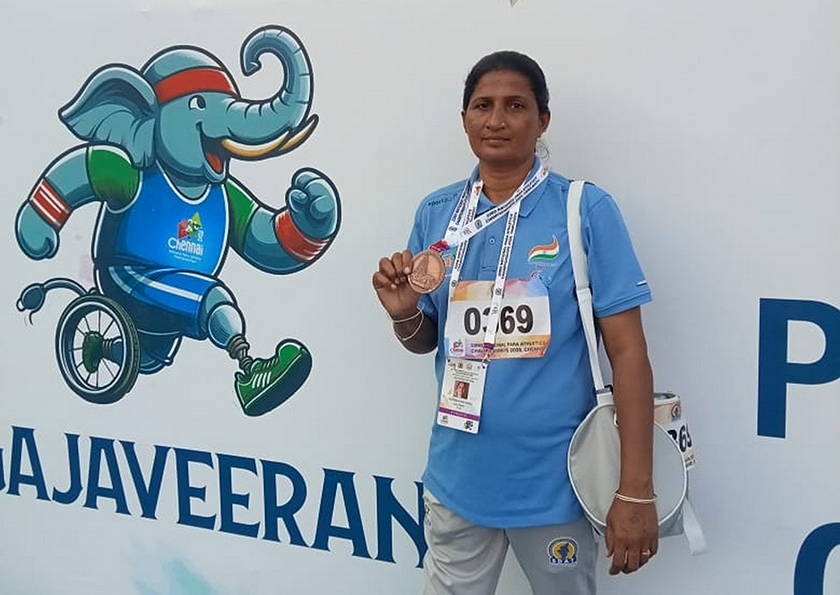
In 2023, Motiben Katara lived a quiet life in the tiny village of Palkhada, ~23km from Porbandar in Gujarat. Fast forward to February 2025, and the 45-year-old homemaker was proudly accepting the bronze medal in the F57 Discus Throw (15.90m) at the 23rd National Para Athletics Championship in Chennai.
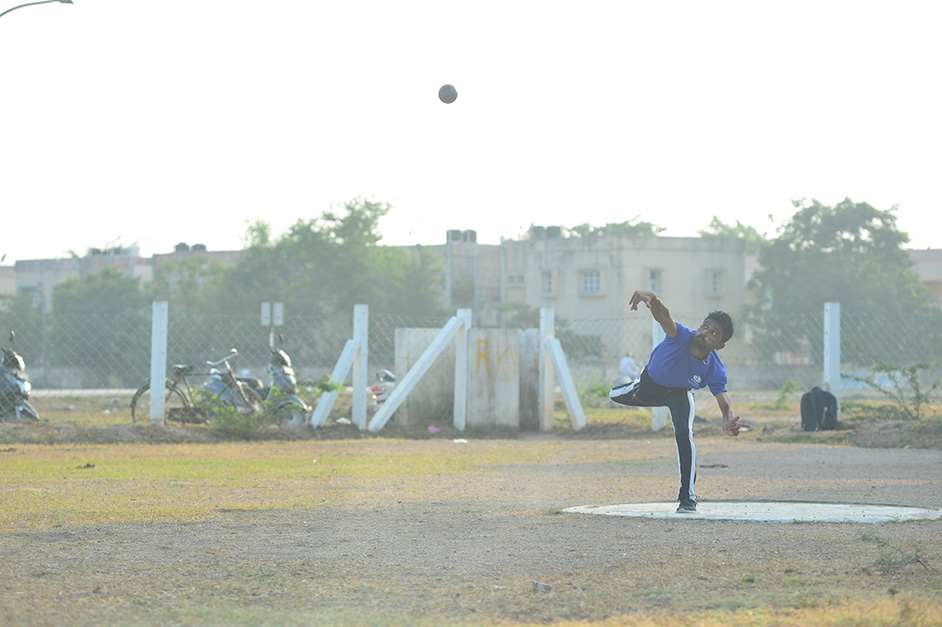
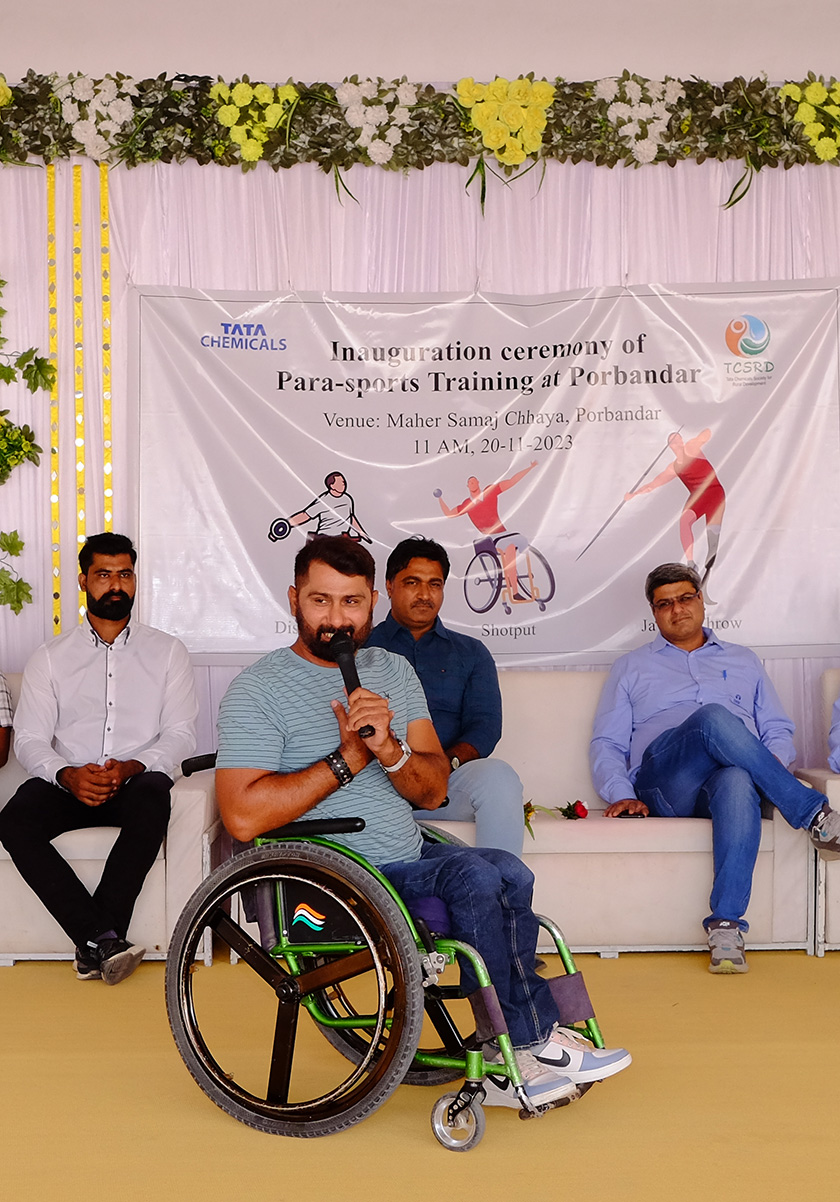
This astounding transformation and Ms Katara’s new-found purpose are even more remarkable given that she is a person with disabilities, living in a remote, rural pocket of India, with little to no access to facilities and support that are necessary in the making of a champion. That is, until Tata Chemicals Society for Rural Development (TCSRD) launched a pioneering six-month para sports training programme in Porbandar, in November 2023.
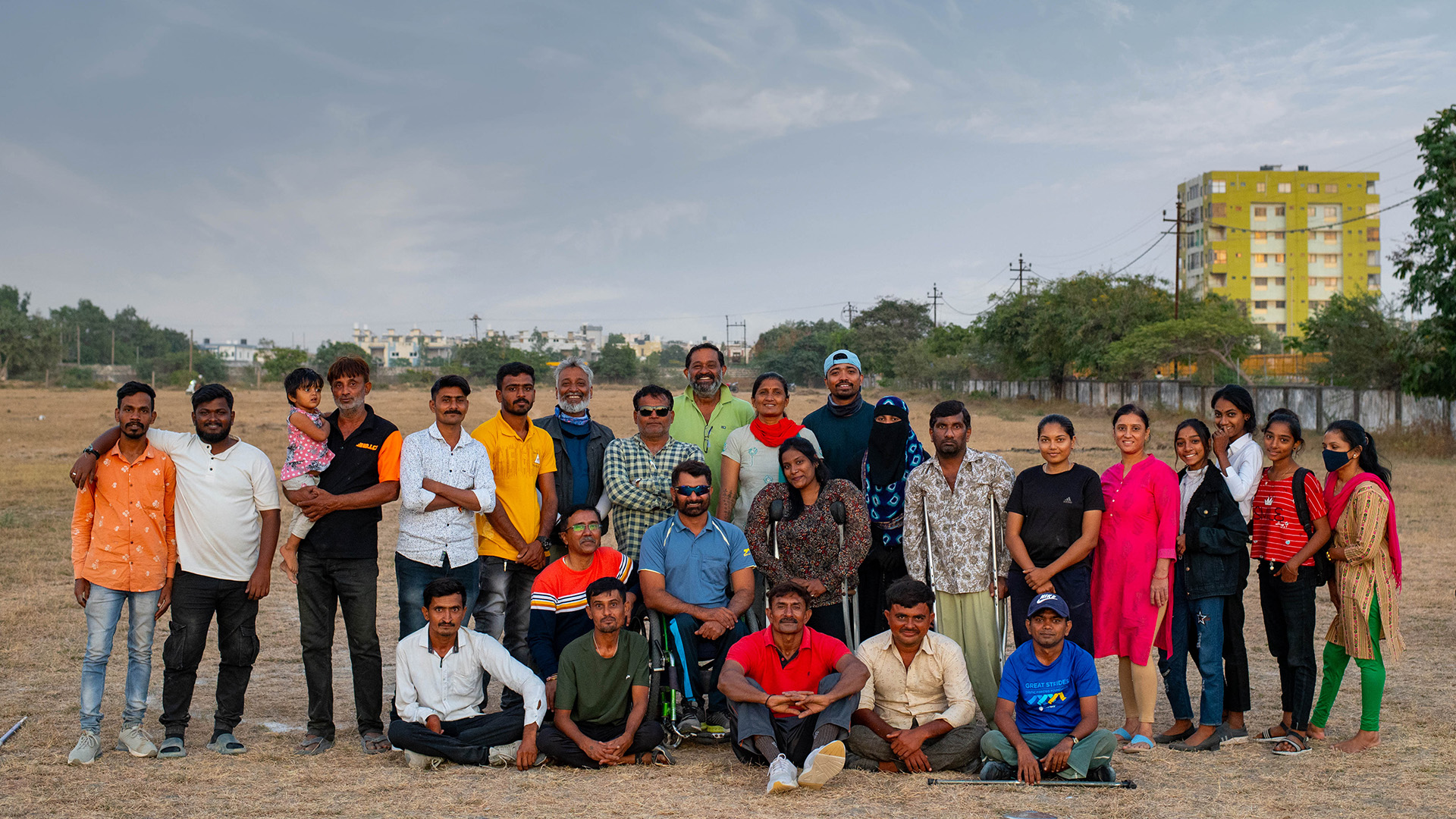
Ms Katara was among the first 20 para-athletes — all of whom had long-held dreams of pursuing sports — to sign up for the TCSRD programme. “Their belief in my potential and their dedication to empowering people with disabilities have made a world of difference,” says Ms Katara.
Access and inclusion
Established in 1980 to implement Tata Chemicals’ CSR efforts, TCSRD focuses on social and economic empowerment, sustainable development and environmental conservation in the communities where the company operates. TCSRD draws on its strong ties with rural communities and deep understanding of disability and exclusion to create meaningful opportunities through its para sports training programme.
“The Para Sports Training Programme was conceived as a transformative initiative aimed at empowering persons with disabilities through sports,” says Ujas Dave, Head - CSR, Tata Chemicals. “Its genesis lies in a clear recognition of the critical gaps in India’s para sports ecosystem and the immense, yet untapped, potential of para-athletes — especially in rural and underserved communities.”
A challenging arena
India is witnessing something of a renaissance in para sports, with a growing number of para-athletes competing globally. Fifty-four Indian para-athletes competed at the 2020 Tokyo Games, winning 19 medals; this increased to 84 Indian para-athletes at the 2024 Paris Games, who bagged 29 medals.
Despite these triumphs, para-athletes in India continue to face challenges. These include a shortage of coaches trained to work with athletes with disabilities, lack of inclusive sports infrastructure and training equipment adapted to para-athletes’ needs, and an absence of dedicated academies or platforms to identify and nurture para sporting talent. There are also societal barriers to contend with. Limited awareness and community support — particularly in rural areas, where physical disabilities lead to social exclusion and daily hardships — hinder early engagement of para-athletes in sports training, which is key to developing skills, confidence, and long-term growth.
“We thus identified a need for structured interventions that went beyond charity, aiming to instead create pathways for empowerment and inclusion, thus leading to the creation of our para sports initiative,” says Mr Dave.
Making an impact
- 12 gold medals, 12 silver medals, 9 bronze medals won at state-level championships
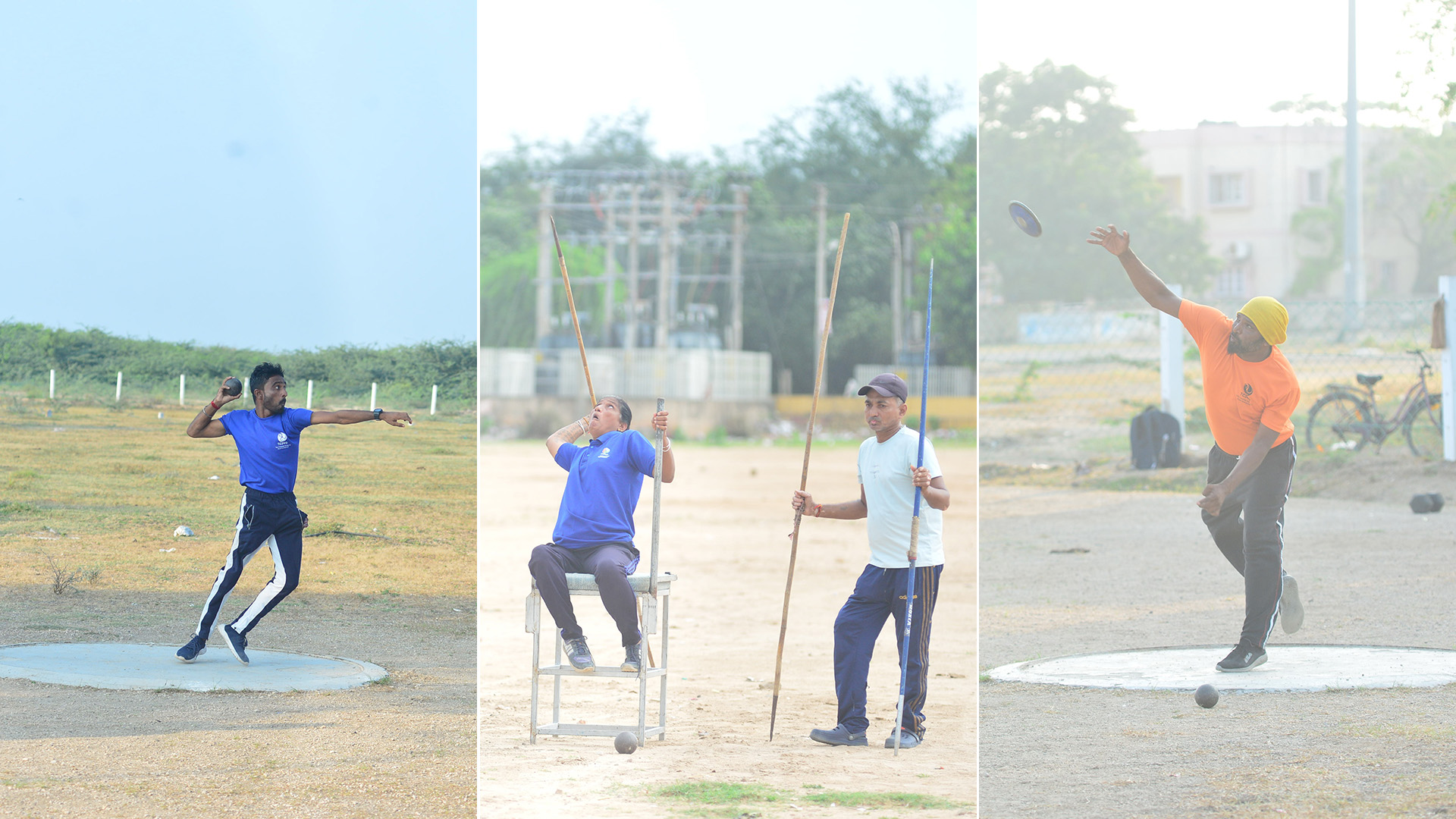
- Training in 5 sports including shot put, javelin, running, long jump, and discus throw
- 89 para-athletes trained so far, including 51 currently being trained (21 in Mithapur, 30 in Porbandar)
Game-changer
TCSRD has deep roots in the Mithapur-Porbandar region due to Tata Chemicals’ long-standing community engagement along Gujarat’s coast. This made the process of building infrastructure, engaging local partners, and ensuring community buy-in significantly more efficient in Porbandar. Another factor was the collaboration with local icon Bhima Khunti — an international wheelchair cricketer and a state-level gold medallist in wheelchair hurdles, discus throw, and shot put — whose involvement has helped anchor and legitimise the programme among the community.
Open to all persons with disabilities residing in Devbhumi Dwarka and Porbandar, the programme offers training in shot put, javelin, discus throw, 100m, 200m and 400m running, and long jump. Entry is non-restrictive but factors like an interest in athletics, basic physical readiness and a commitment towards training are considered at the time of enrolment, and a preference is given to individuals who show potential to inspire or support others.
The initiative is designed as a holistic support system for para-athletes, aiming to empower them through structured, inclusive, and professional sports training. The training programme not only provides adaptive sports gear — such as prosthetics or equipment designed for para-athletes — but also ensures access to inclusive sports infrastructure, including regular use of training grounds and venues suitable for para sports practice and events.
A rounded approach
- TCSRD’s all-encompassing para sports training programme includes:
- Custom training plans based on the para-athlete’s abilities, goals, and sport
- Nutritionists who tailor diets to training and health needs
- Regular assessments and performance tracking to boost progress
- Assistance in accessing Divyang Allowance (government financial aid for persons with disabilities)
- Community-building activities for peer support and inclusion
Mentors matter
Arguably, the most significant impact has been achieved through the involvement of qualified para sport coaches and mentoring by elite para-athletes, including Mr Khunti. “This programme is close to my heart because it gives others what I once needed: belief, opportunity, and support,” says Mr Khunti. “Watching these young athletes grow in confidence and skill reminds me why we must keep pushing boundaries. This is not just about sports; it’s about dignity and dreams.” Mr Khunti helped shape the training structure, led motivational sessions, and mentored the first cohort of 20 para-athletes. He continues to be actively involved as a mentor, participating in training sessions, monitoring progress, and offering technical and moral guidance.
The programme’s network of coaches are instrumental in nurturing the new legion of para-athletes — 89 have been trained so far. “We are not just training them as athletes — we work to rebuild their confidence, improve their health, and help them believe that they belong in the spotlight. That’s the real win for us,” says Pratap Ker, a coach who has worked with para-athletes for two years. “Many of these youth had never even held a discus or javelin before. But they showed up, trained hard, and now some of them are preparing for the national stage. As a coach, it’s deeply moving to see that transformation.”
From strength to strength
The initiative has had a measurable impact on the trainees — who often struggle with self-confidence and social integration — reaching far beyond merely improving their athletic performance. Muru Kodiyatar, 27, from Khijdal village, didn’t even know para sports existed before TCSRD launched its programme. “I thought my life would be limited to my village and the four walls of my house,” says Mr Kodiyatar. “But now I train, compete and dream bigger than ever before. This journey gave me a new identity — not as someone with a disability, but as a 100m and 400m track athlete.”
He adds, “The first time I wore a sports jersey with my name on it, I cried. Today, I walk with confidence because I know I have a place on the field and in the world. Thanks to the support from the coaches and TCSRD, I’ve learned discipline, focus, and courage. My family, who once worried for my future, now proudly tell everyone: ‘Our Muru is a sportsman.’ That means everything to me.”
Mr Kodiyatar, Ms Katara, and Ranjit Parmar competed at the National Para Athletics Championship this year, while others have competed in district and state-level championships. A few trainees have qualified for scholarships and further training through government sports development schemes, opening up new pathways for their athletic careers. Some have also taken up leadership roles in their communities, encouraging other persons with disabilities to pursue sports.
Beyond the field
The success has spurred TCSRD to replicate the para sports training programme in Devbhumi Dwarka district in Mithapur, Gujarat. Facilities at both Porbandar and Devbhumi Dwarka have been upgraded to better support para-athletes, along with improved access to specialised equipment and competitive platforms at district, state, and national levels. To identify talent early on, TCSRD is creating inclusive sports environments within schools and community spaces.
Additionally, the training programme is closely integrated with TCSRD’s broader community initiatives, providing para-athletes with holistic support — like access to welfare schemes, disability certification, entrepreneurship development, healthcare, nutrition, and confidence-building activities. This helps them thrive on and off the field.
The future is bright
The future of the para sport initiative is rooted in expansion, inclusion, and long-term impact. TCSRD aims to not only scale up the programme but also to strengthen it by creating and supporting livelihood opportunities for the para-athletes, both during and after their sporting careers, while extending its reach to more communities.
To grow the programme, TCSRD is working to strengthen ties with sports federations, local bodies, and experts to improve training quality and reach. This includes developing awareness campaigns to shift perceptions around disability and inclusion. TCSRD is also investing in accessible infrastructure and adaptive sports technology and creating platforms for para-athletes to show their talent.
TCSRD believes that the programme was necessary to level the playing field for persons with disabilities. It ensures that talent from rural and marginalised communities is not left behind, and uses sports as a tool for building confidence, health, leadership skills and social inclusion. “By addressing these needs, the programme fills a significant void in India’s para sports framework and creates a model that can be replicated across regions,” says Mr Dave.
—Anuradha Anupkumar