May 2026 | 912 words | 3-minute read


- 0.5×
- 0.75×
- 1×
- 1.25×
- 1.5×


Bringing back the Tata Sierra was more than just an exercise in nostalgia. It was about designing a forward-looking, thoroughly modern product that customers would aspire to own.
The design team went back in time to assess not only the style aspects of the original Sierra but also to understand its very DNA. What made that car resonate so much with everyone? It was clear, speaking with former owners, admirers, and those who grew up in the ’90s that the original Sierra was a cultural milestone, a representation of people’s dreams. Understanding an icon means understanding its identity, its brand values. This translates to creating design that then resonates with customers.
Design is not rocket science; it’s social science
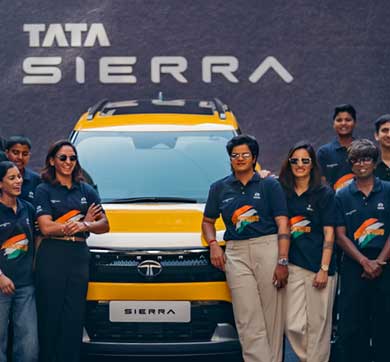
To revive the Sierra, our mission was clear: blend its legacy with cutting-edge innovation, creating a ‘life space on wheels’ that connects across generations. Little did we know that this would become a six-year odyssey with two intervening concepts, all three design studios competing and, ultimately, the production car development. The accolades the car has received so far, including the prestigious Red Dot Design Award and four Autocar Awards, as well as the response from customers affirm that we succeeded in this delicate balance.
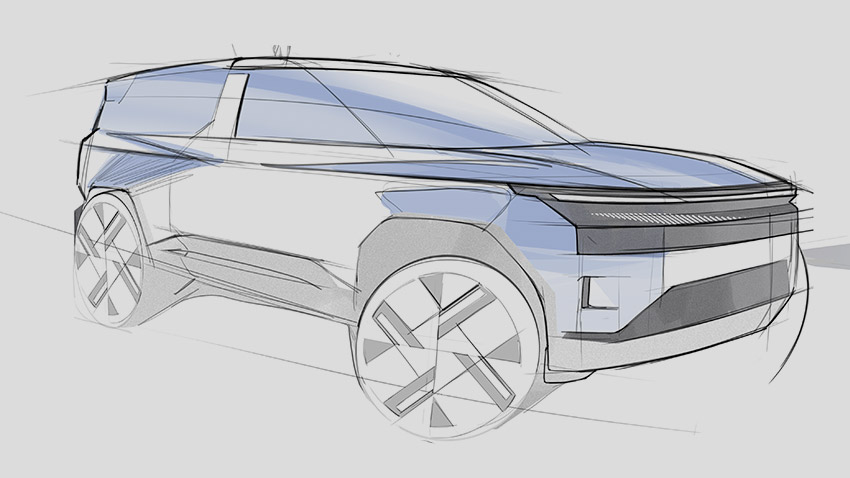
Our initial conversations revolved around the soul of the original Sierra. There was much internal debate around how nostalgic the new one should be. Personally, I am not a fan of ‘retro’, so we focused on understanding the Sierra’s values. The original, aesthetically speaking, was a very linear, functional and efficient design, and echoed the principles of modernism. It was decided early on to reinterpret these values for a new generation.
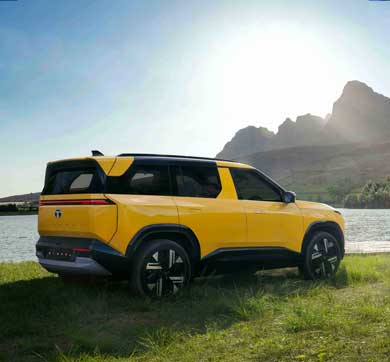
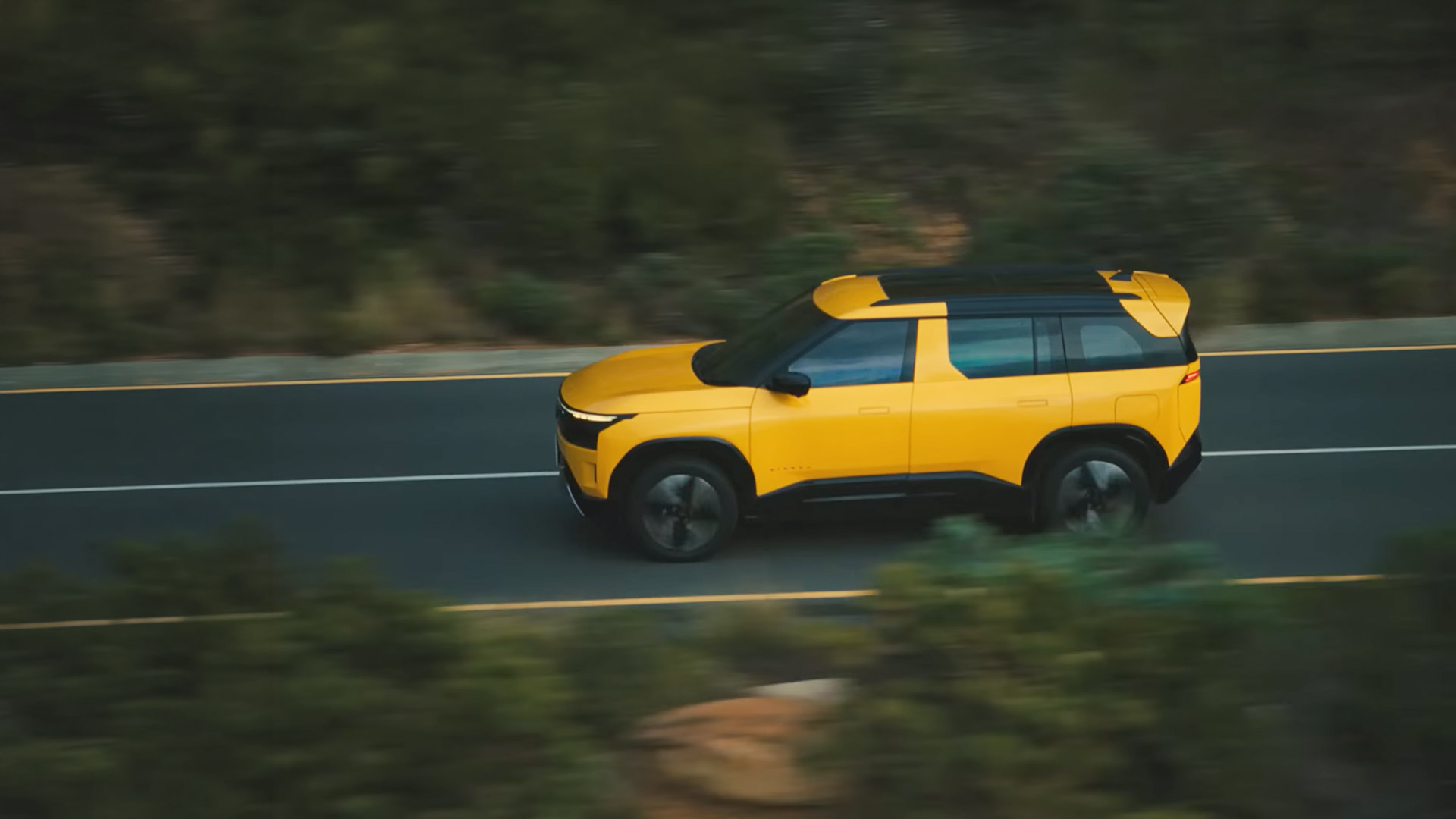
Also, it wasn’t merely a mode of transport; it was an invitation to adventure, characterised by its unique design philosophy. The elevated rear H-point and seating, combined with that iconic, uninterrupted side glass graphic, offered an unparalleled viewing experience. Drivers and passengers alike enjoyed commanding road visibility through a lowered dashboard and tall front glass. This unique combination created a feeling of being connected to the outside world, a ‘room with a view’ that kept changing.
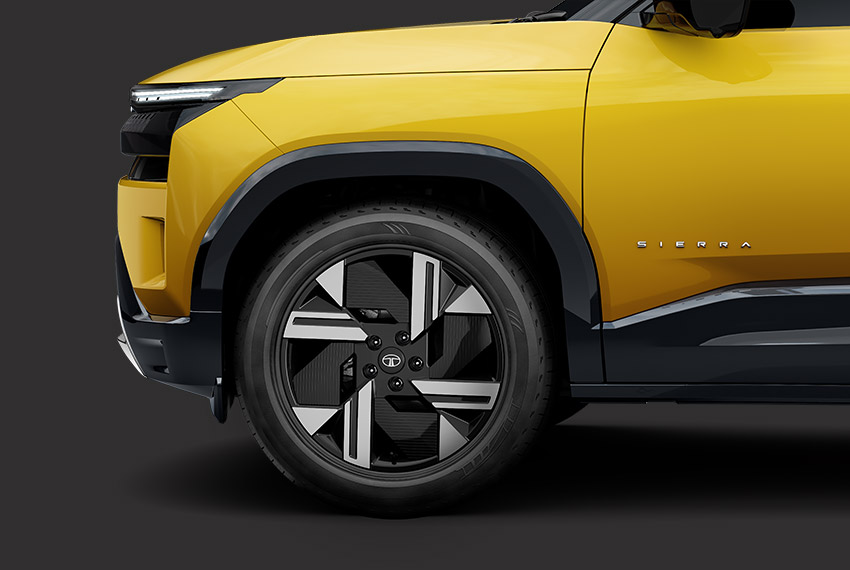
A new perspective
The challenge was to capture the car’s essence while evolving it for today’s world. A direct replication of the original’s wraparound glass, for instance, proved unfeasible from manufacturing cost, weight, and, critically, safety perspectives. Also, the original car was a three-door and it was clear that the new one would be a five-door. We targeted packaging this car in a 4.3m length, so getting the proportions correct — its length-to-height ratio and the balance of the body to wheels — was key. The only non-negotiable was the signature of the original B pillar graphic, which made the car a Sierra.
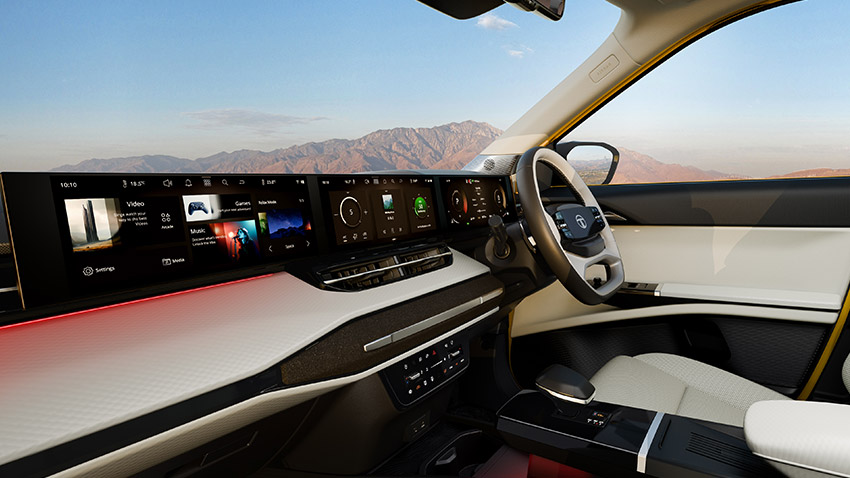
This philosophy extended to the interior, which we conceptualised as a true ‘living space’. We wanted to create a warm, inviting, and comfortable environment — a place where you genuinely want to spend time. So, everything below the window line is intentionally soft and welcoming, designed to envelop occupants in a sense of ease. Above this, the expansive glass takes over, completing the greenhouse effect and reinforcing a connection with the outdoors.
Furthermore, we recognised the shift in how families interact with their vehicles. The original car’s infotainment was primarily driver-focused, but the interior theme in the new Sierra was picked because of its unique dashboard mounted speaker — a metaphor for bringing people together for a collective experience. The integrated, continuous infotainment display, with multiple ‘windows’ within a single screen, allows engagement and entertainment for all passengers. It reflects the growing size of screens in our homes, bringing that level of immersive technology into the car.
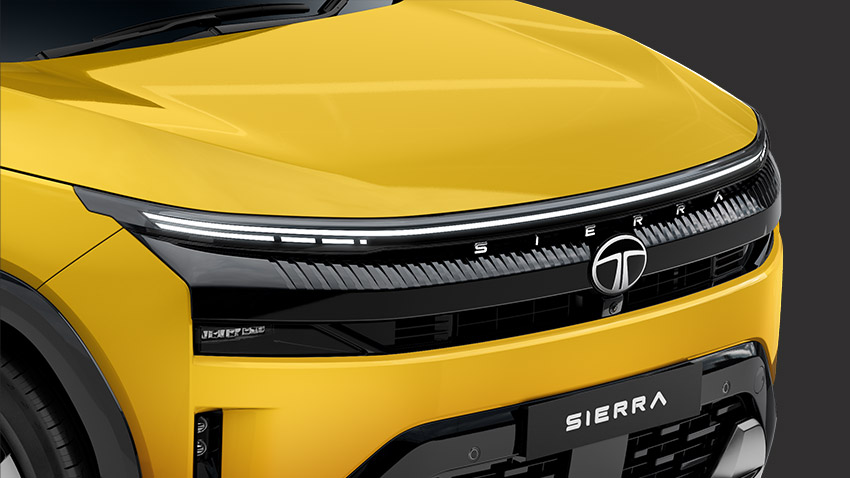
Progress rooted in purpose
The new Sierra is designed to appeal to multiple generations simultaneously. It speaks to Gen Xers who fondly remember the original, to Gen Y and Z, and even to Gen Alpha, who will grow up seeing this car as part of their world. It’s about bringing families together, creating new memories, and embarking on adventures where every occupant feels part of the experience.
Redesigning an icon is a complex task of respect for heritage and a relentless pursuit of progress. It requires understanding what made the original beloved and then bravely reinterpreting it through a modern lens, addressing contemporary needs and harnessing technological possibilities. This is timeless modernist design that ages well and communicates quality and forward thinking. This project gave us great pride and satisfaction from the get-go. We believed that this had the potential to really resonate with customers as it really evoked enthusiasm and excitement among not only the design team but also the leadership and teams across the company. The result speaks for itself.
The new Tata Sierra is not just a milestone product for us, but a powerful symbol of our design philosophy going forward at Tata Motors.
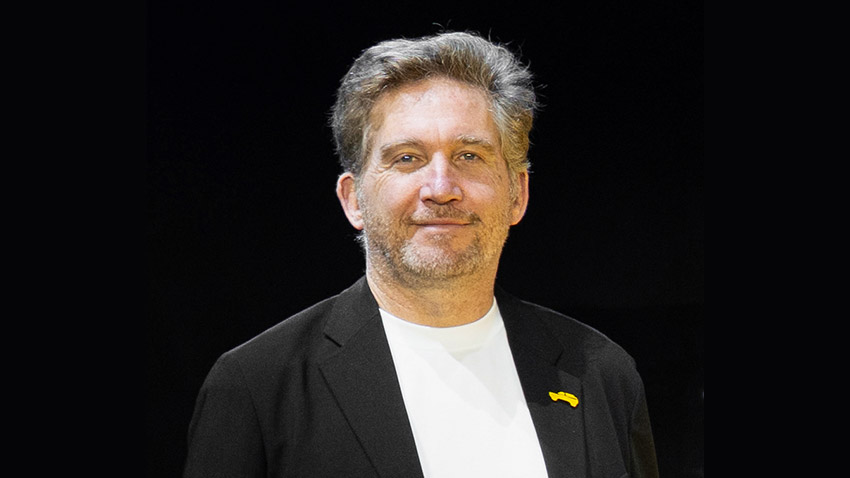
- Martin Uhlarik, Chief Design Officer, Tata Motors Passenger Vehicles