March 2026 | 1143 words / 8 slides | 5-minute read


India advanced one more step towards enhancing air travel infrastructure when Tata Projects successfully delivered the first phase of Noida International Airport ahead of its commercial launch on March 28, 2026.
Developed by Yamuna International Airport Private Limited, a wholly owned subsidiary of Zurich Airport International AG, the airport is strategically located in western Uttar Pradesh and is expected to significantly strengthen aviation capacity in the National Capital Region while accelerating economic growth, logistics development, tourism, and urban expansion across the region.
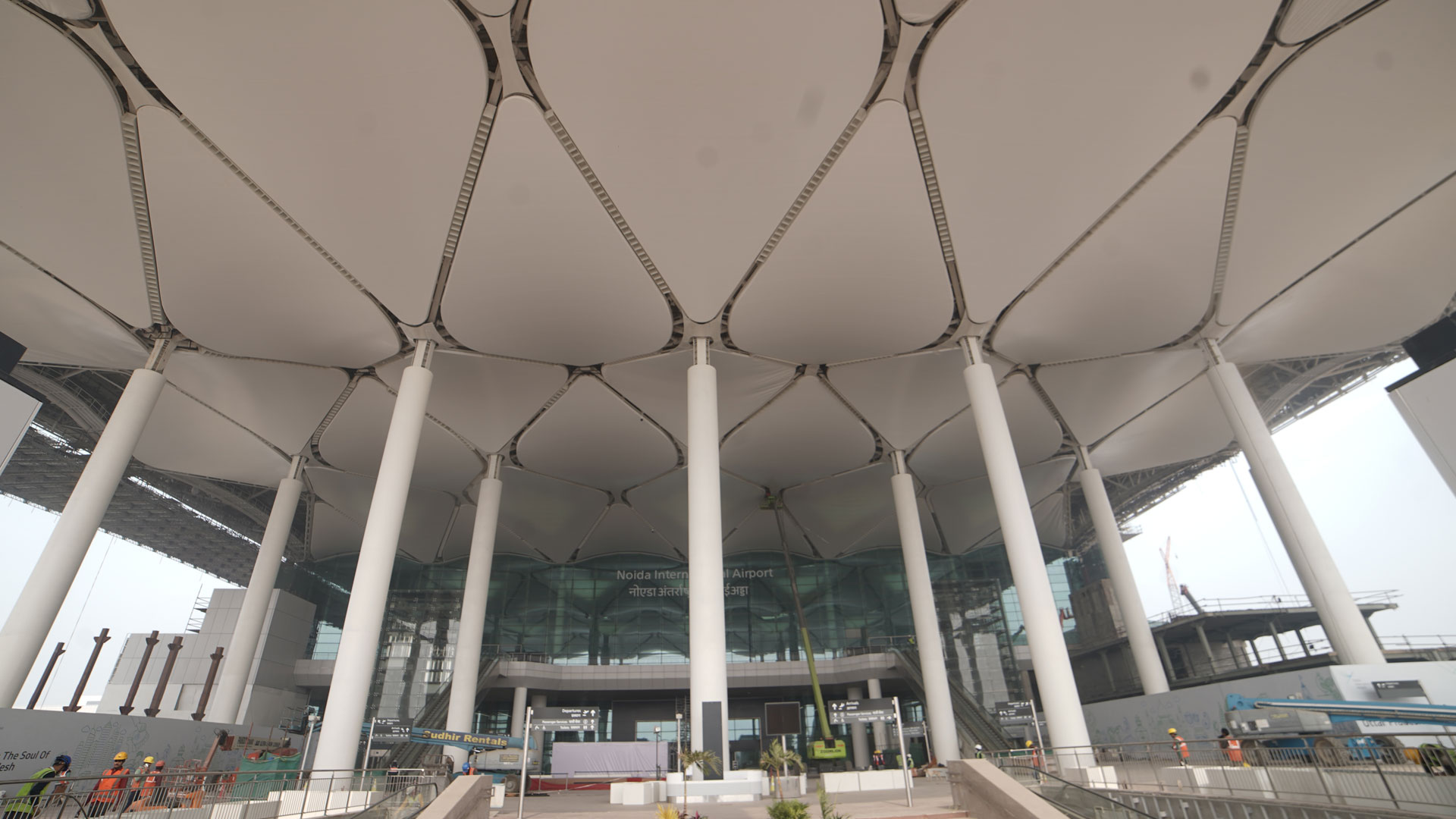
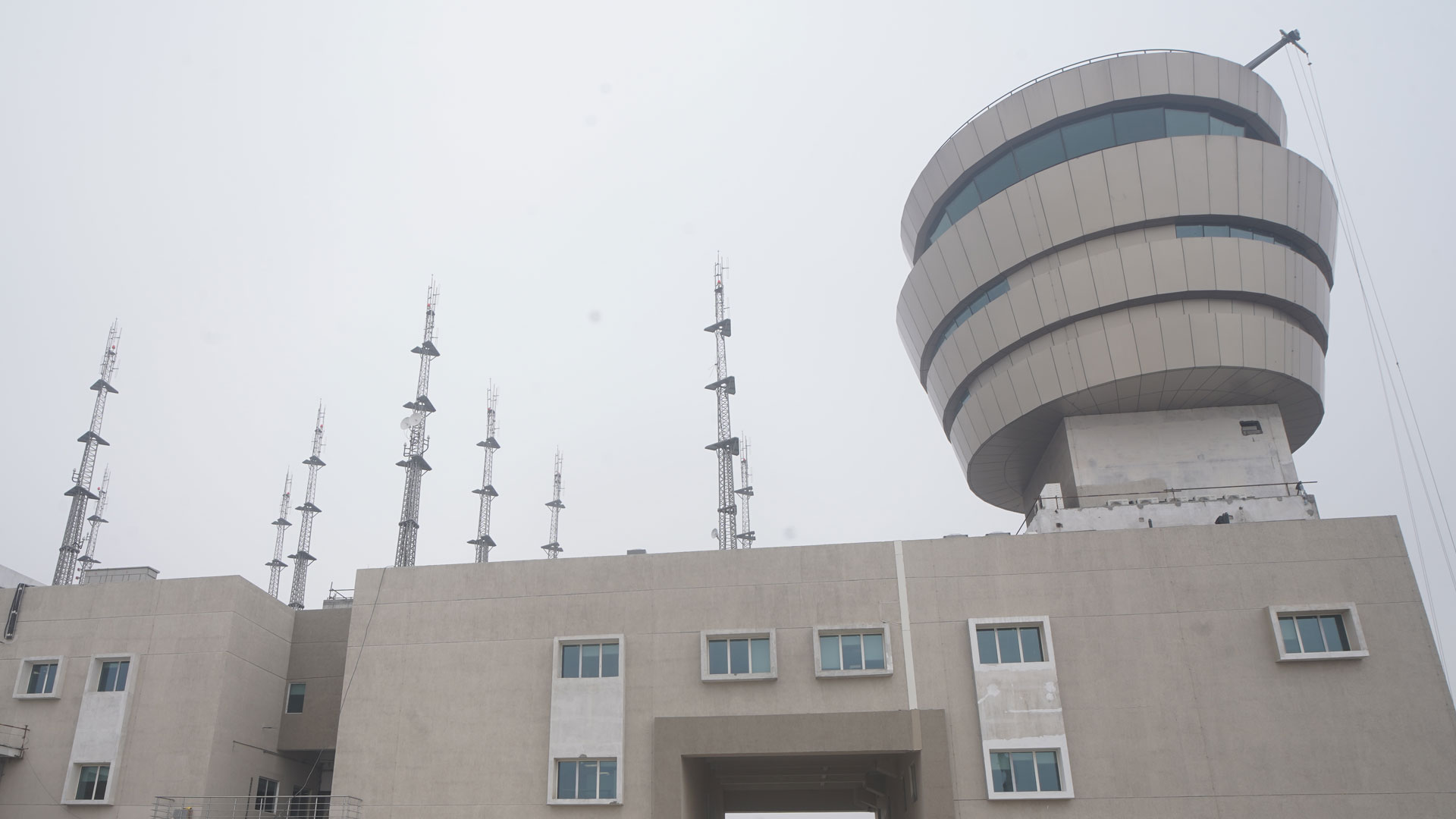
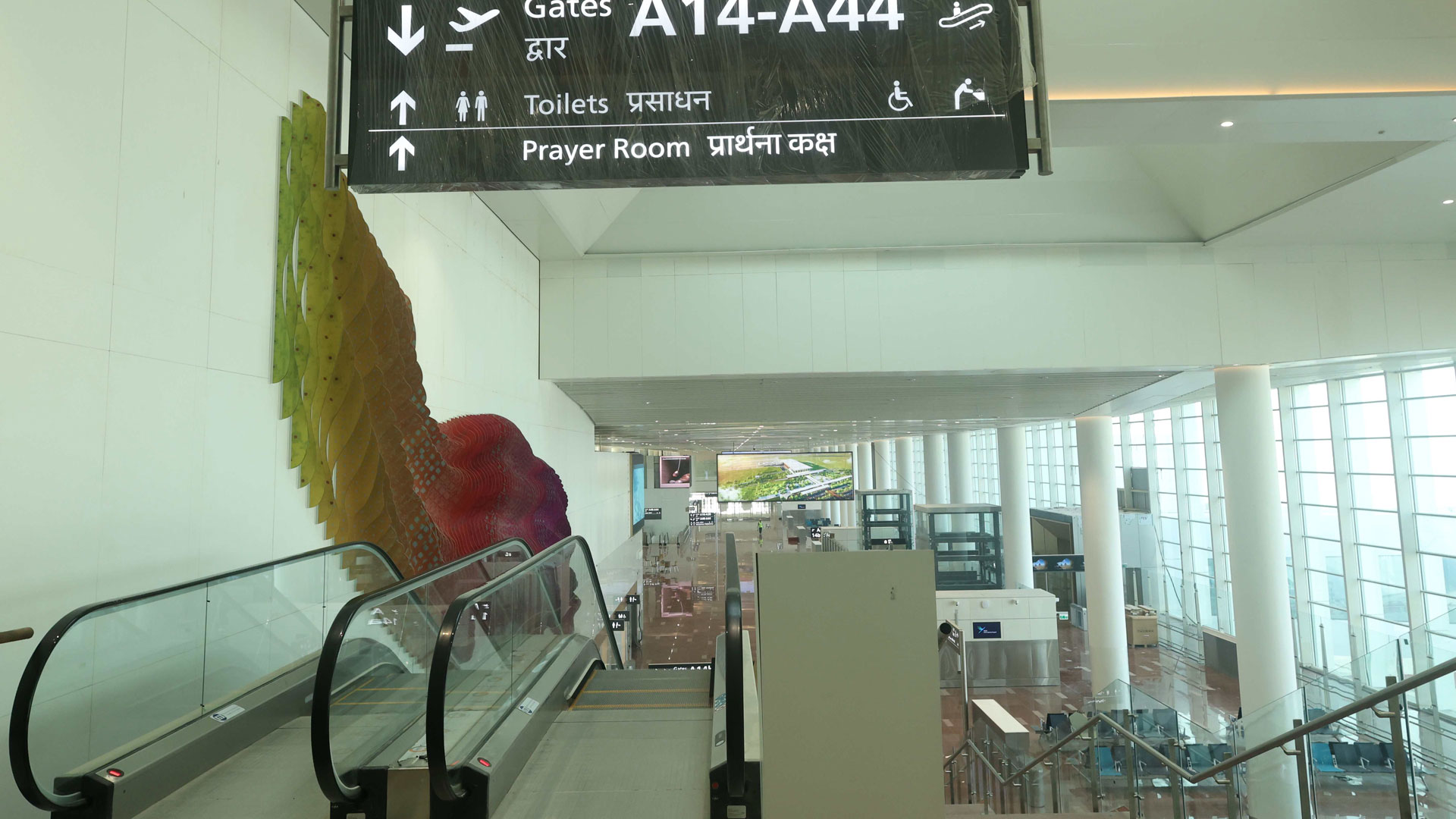
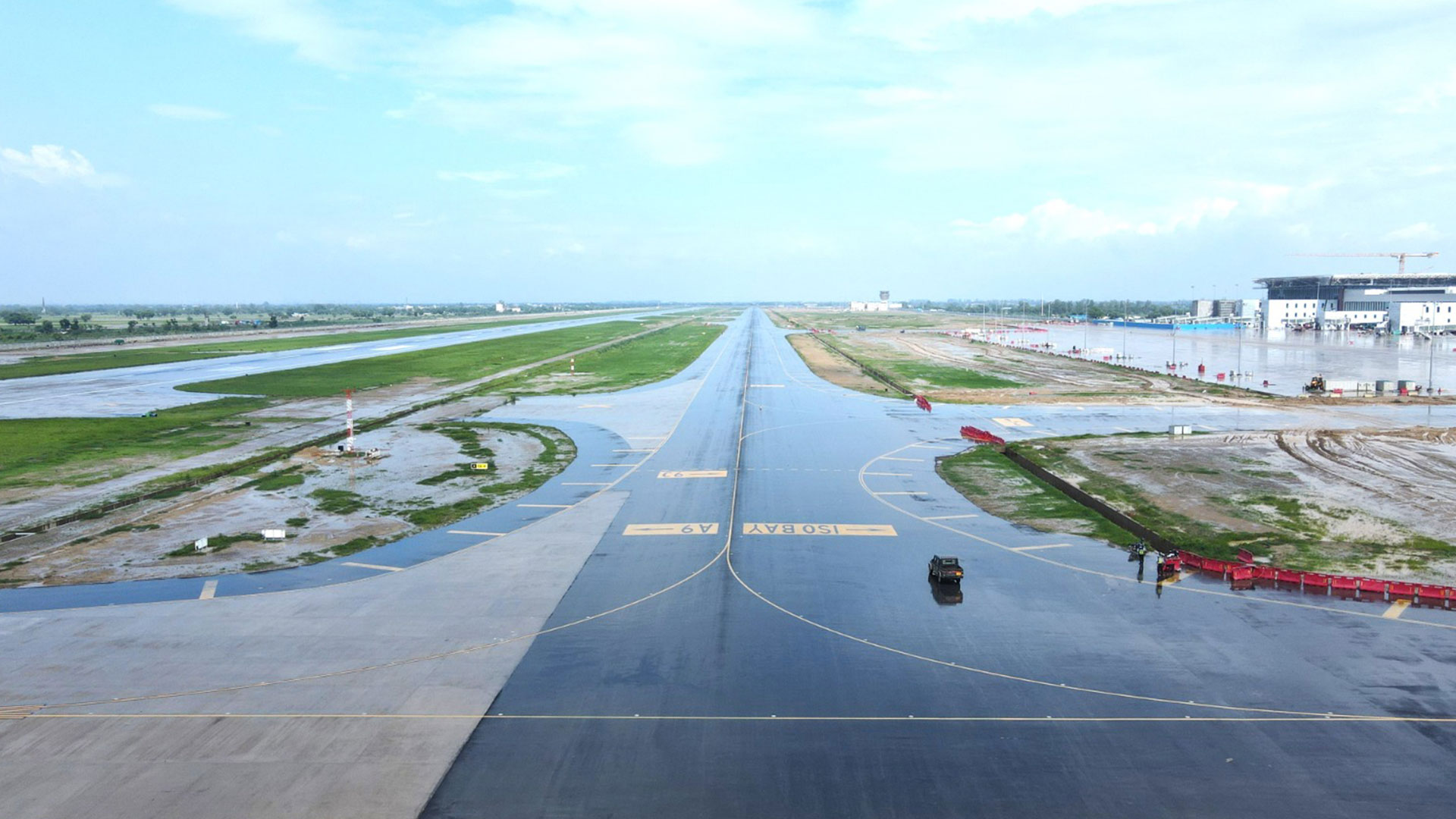
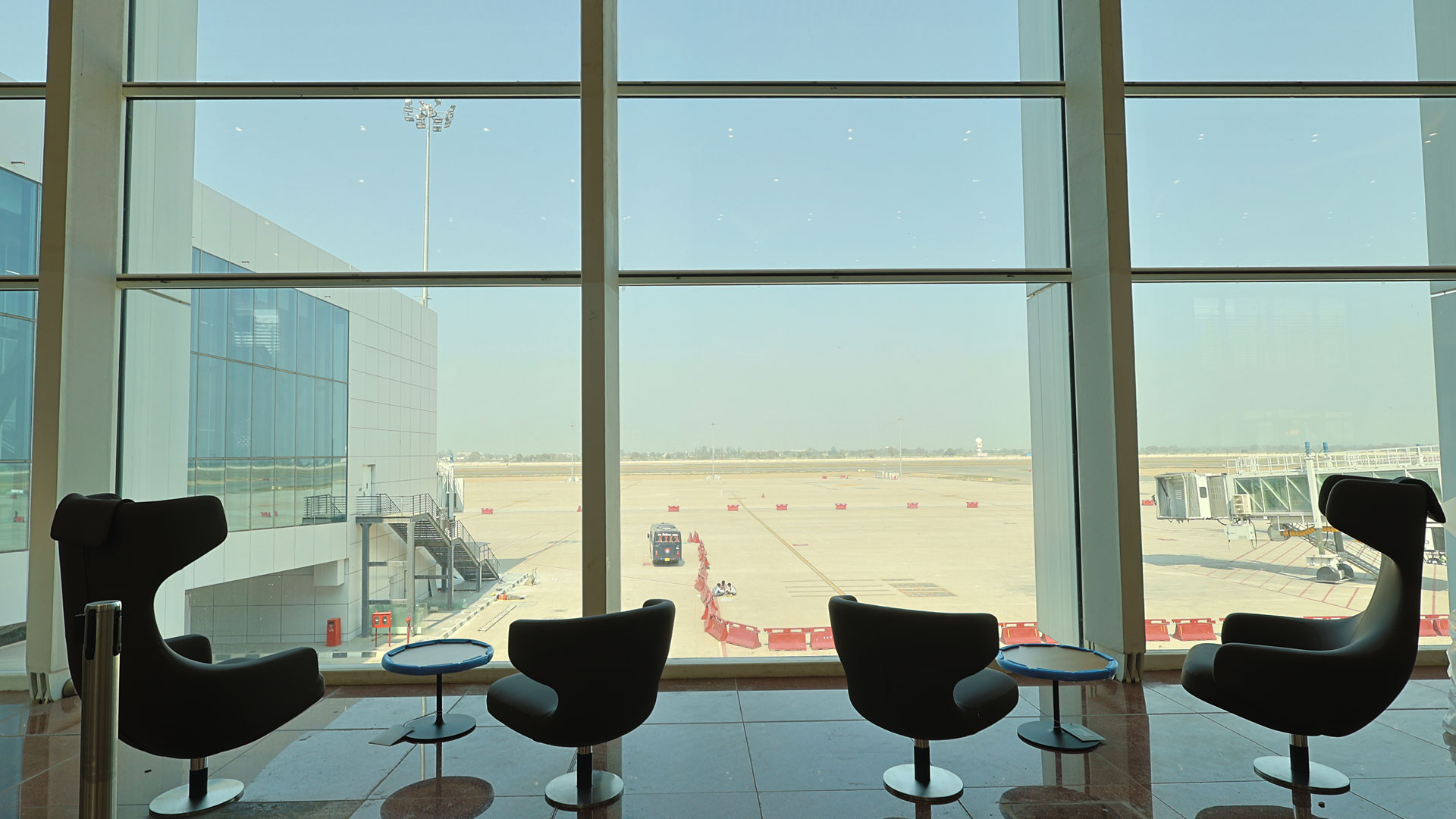
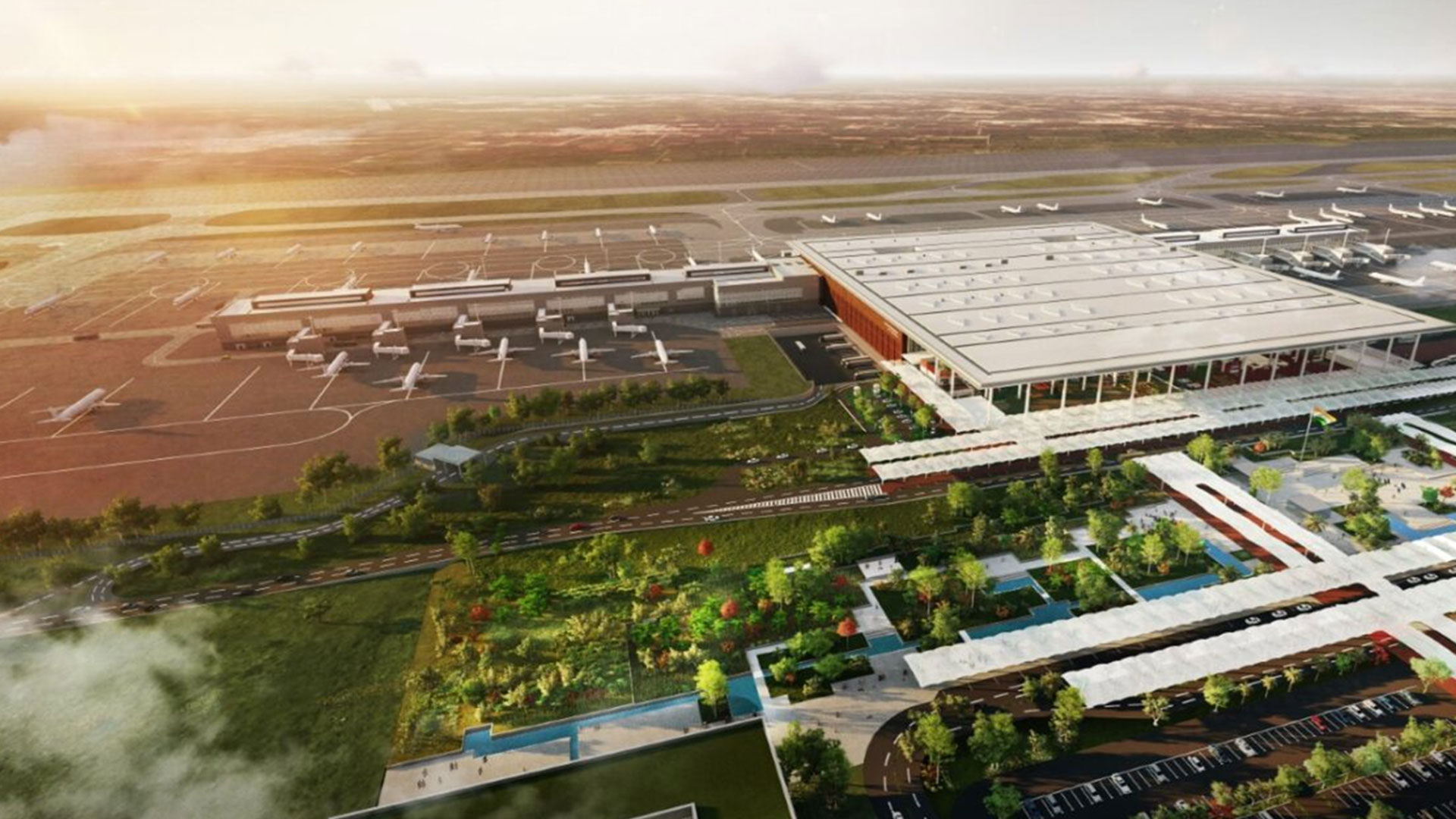
Phase 1 includes Terminal 1, spanning over 138,000 square meters and is designed to handle over 12 million passengers annually. The terminal is supported by advanced digital systems for efficient passenger processing. The airport also features a 3,900-metre runway capable of handling wide-body aircraft, a modern cargo terminal, an Air Traffic Control tower, and extensive airside and landside infrastructure.
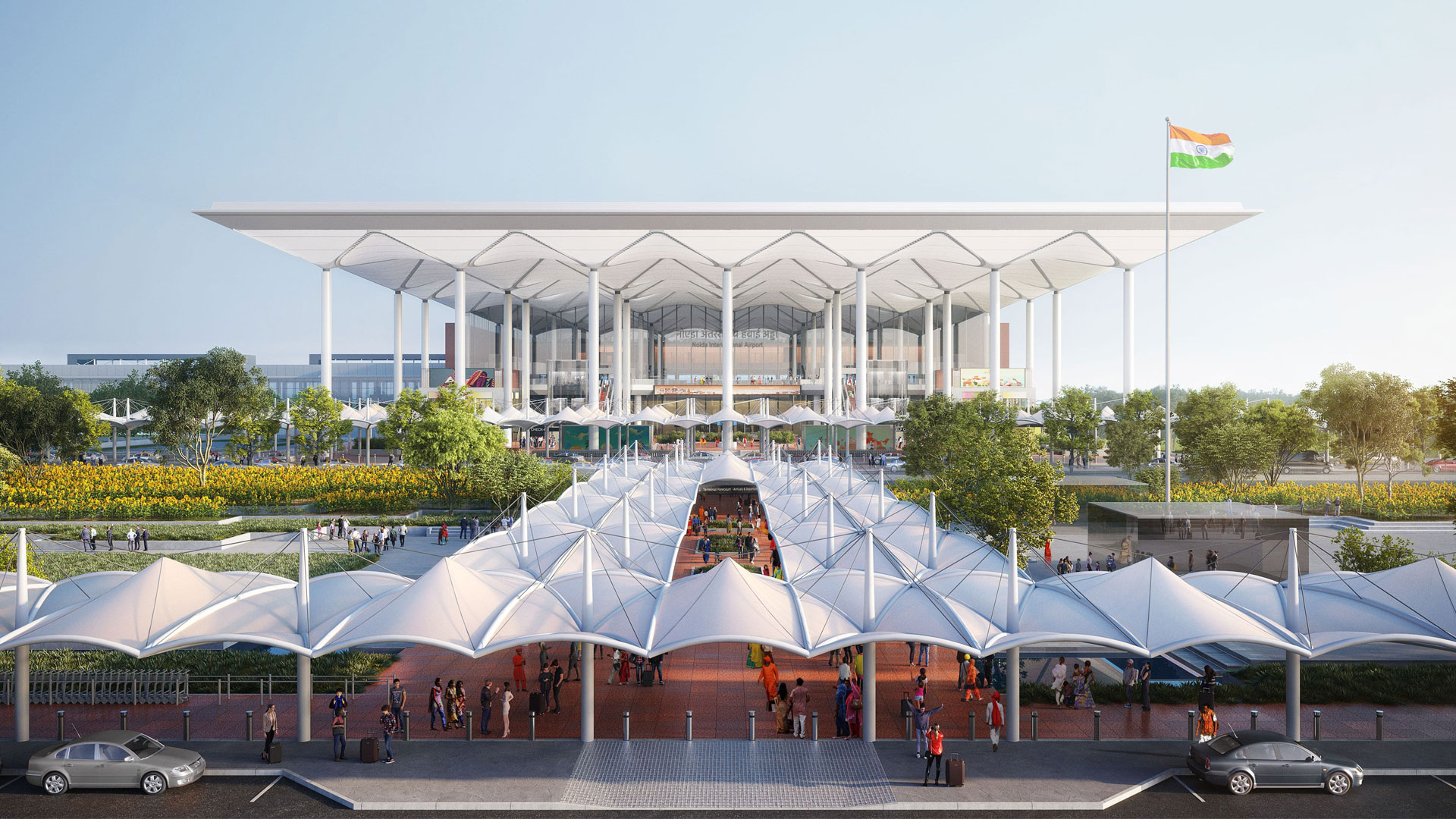
Drawing inspiration from the cultural heritage of Uttar Pradesh, the terminal architecture features a distinctive wavy roofline inspired by the Yamuna River, a forecourt reflecting traditional havelis, and interiors enriched with regional art, textiles, and handicrafts.
Mr Vinayak Pai, Managing Director and CEO, Tata Projects, said that the completion of the first phase of Noida International Airport was a defining milestone in India’s infrastructure journey.
“It reflects the capability required to deliver projects of national significance with precision, scale, and sustainability. This project also stands out for the way multiple Tata companies came together, contributing expertise across engineering, technology, systems, and project execution to deliver an integrated infrastructure asset of global standards,” Mr Pai added. “It is a powerful demonstration of Group strength in nation-building through collaborative execution.”
“We are proud to have partnered with Yamuna International Airport Private Limited and Zurich Airport International to deliver a future-ready aviation hub that will enhance regional connectivity, support economic growth, and contribute meaningfully to India’s long-term infrastructure vision.” – Mr Vinayak Pai, CEO and Managing Director, Tata Projects
The airport offers seamless connectivity through the Yamuna Expressway and will be integrated with future multimodal transport networks, including metro connectivity. Designed for long-term expansion, the airport will eventually serve 70 million passengers annually, supported by two runways, expanded terminal capacity, and dedicated aircraft maintenance facilities.
The facility integrates renewable energy through solar and wind power, rainwater harvesting systems, and sustainable construction materials, embedding environmental responsibility across every aspect of development.
Tata Projects’ EPC scope included construction of the terminal building, runway, airside and landside infrastructure, roads, utilities, cargo terminal, ATC tower, and ancillary facilities.
The development underscores Tata Projects’ strong commitment to sustainable infrastructure, achieved through over 85 million safe man hours delivered by a workforce of more than 100,000 people.
With regulatory approvals secured, Noida International Airport is now ready for commercial operations, reinforcing Tata Projects’ position as a leading EPC company delivering complex, large-scale infrastructure that supports India’s growth ambitions.
At a glance: For passengers
- Terminal Area: 137,985 sqm
- Check-in Counters: 48
- Self-baggage Drop: 20 (out of 48 check-in counters)
- Security Checkpoints: 9 security lanes
- Immigration Counters: 9 on arrivals, 9 at departures (Fast-track provisioned for international operations)
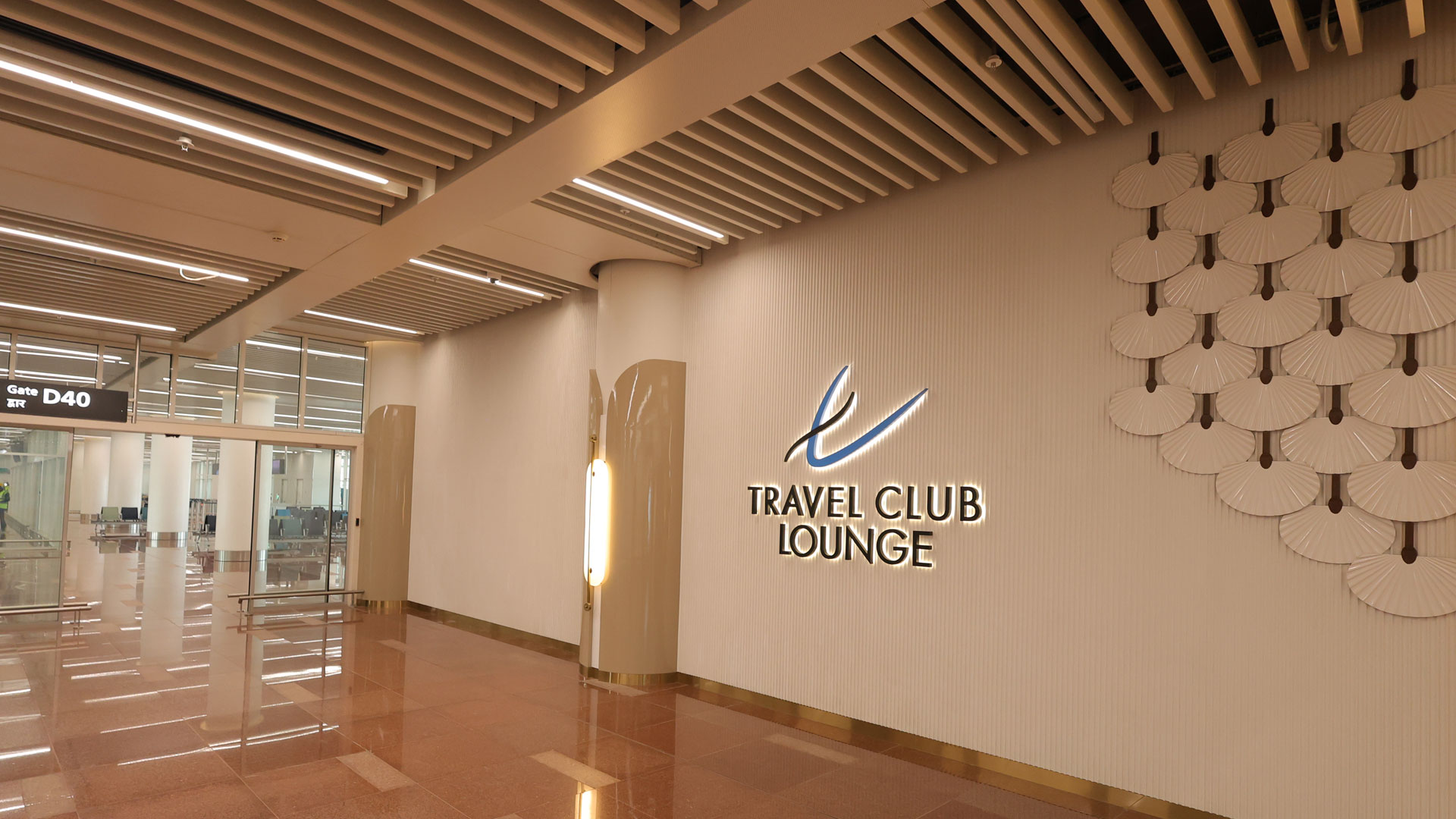
- Lounges: Domestic and International lounges operated by Travel Food Services (TFS).
- Retail Area: Around 3500 sqm
- Boarding Gates:Domestic: 10 with direct aerobridge connections, 2 bus boarding gates; International: 2 with direct aerobridge connections; Swing: 1 bus boarding gate (serving domestic or international)
- Passenger Boarding Bridges: 10
- Aircraft Parking Stands: 28
- Hourly Runway Flight Peak Capacity: 30 flights per hour
Cargo
- Metric Capacity: Initial 250,000 metric tonnes per annum (expandable up to 1.5 million tonnes)
- Area: Spanning across 80,000 Sqm of land
- Developed by Air India SATS (AISATS).
- Designed to handle general cargo, pharmaceuticals (temperature-controlled), perishables (cold storage), and specialized areas for valuable/sensitive goods.
- Unique logistics zone offering a transhipment center and warehouse zone for freight forwarders and integrators.
- Provides quick, convenient, and intermodal connectivity to and from manufacturing hubs in the country.
A sustainable marvel
The project set new standards in sustainable construction. For example, the use of Nanogence, which provides nanotechnology materials and process technologies that raise the durability of concrete, improve performance, and reduce carbon emissions in the cement industry up to 40%. It also used M sand, a waste product of stone/ granite industries, that can reduce the usage of river sand up to 80-100 % percent in concrete, as well as reduce carbon footpring. The use of fly ash cement instead of Portland cement to manufacture concrete was a cost-effective option that increases the durability and workability of the concrete mix. This formula also reduces the amount of CO₂ emissions generated by cement production and recycles hazardous waste, instead of allowing it to sit in a landfill.
The project also actively conserved water by using curing compound, nanogen based admixtures and curing pump synchronization, effectively managing our water footprint during the construction phase. Two rainwater harvesting ponds have also been developed, strategically located on the eastern and western sides of the site. Spread across a total area of 138,356.5 square metres, these ponds together provide a rainwater storage capacity of approximately 414,296 litres, contributing significantly to groundwater recharge and water conservation efforts
Green house gas emissions were minimized across office and project site, by taking effective energy conservation measures that included usage of technology, operational measures and change in behavior.
Given the climactic conditions of the region, active dust mitigation measures were also taken to reduce generation of dust during construction. For example, unpaved surfaces and areas with loose soil were adequately sprinkled with STP treated water regularly using mist and rain guns, as well as sprinkling trucks.

Noida International Airport