February 2026 | 2044 words | 8-minute read


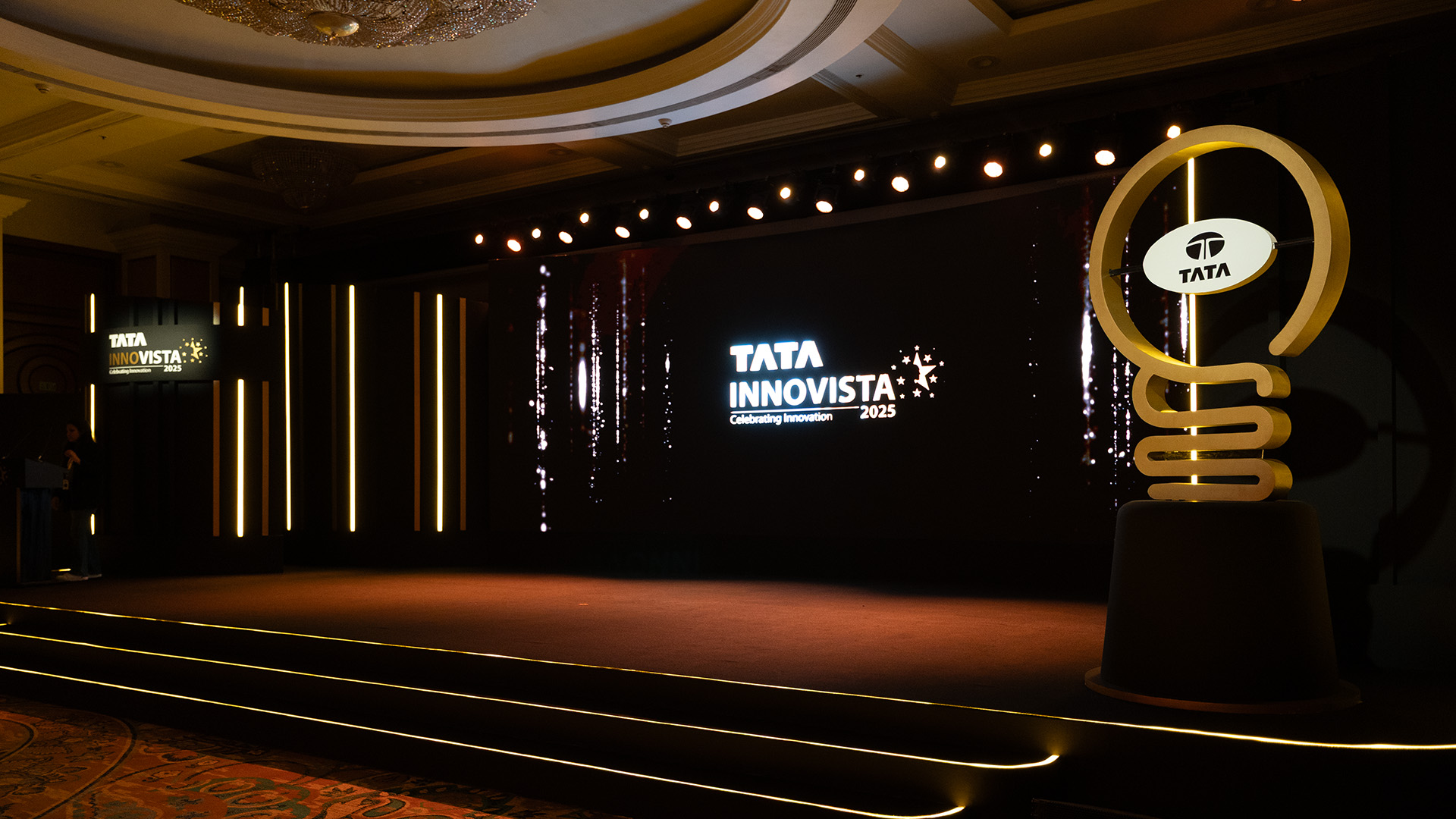
Nothing is more powerful than an idea whose time has come, famously wrote French writer and poet Victor Hugo. Held in October, the 20th edition of Tata InnoVista, the Tata Group’s flagship innovation recognition programme, was a celebration of some of these path-breaking ideas that have come of age — a testament to the deep-rooted culture of innovation that has brought together 1.5 lakh innovators across Tata companies over the years.
This year, recognitions were given in two categories: Team Awards, along with the newly introduced category of Company Awards. The Company Awards recognise companies that have embedded innovation enablers deep into their organisational DNA and have achieved noteworthy outcomes on a sustained basis. Also making its debut on this occasion was Tata InnFuze, an award which focuses on nurturing early-stage ideas from young employees. Unlike Tata InnoVista, which highlights completed or commercialised innovations, the Tata InnFuze programme invites young employees to pick any problem, create a solution within eight weeks, and take it from ideation to proof of concept with guidance.
Breaking new ground
This year set a new benchmark, with over 17,500+ innovation submissions from 38 companies. After a rigorous, multi-stage evaluation process involving 1,900+ jurors, only 37 projects from 16 companies advanced to the finals across seven categories. Ultimately, 12 of them took home the prestigious Team Awards. Signalling a major shift in innovation trends, Ravi Arora, Head of Group Innovation, Tata Sons, said, “More than half the projects that reached the finals this year are AI-based, compared to 33% just two years ago, underscoring how deeply AI is embedded across our companies.”
Of the 431 innovations submitted under the Tata InnFuze programme, 10 progressed to the finals after a multi-stage selection process and presented their proof of concept to the jurors. On the day of the awards, a Tata InnFuze Zone was set up to display these innovations, giving attendees an opportunity to interact with the teams and learn about their solutions. From the 10 finalists, three teams were selected and recognised under the newly introduced category.
Speaking on the occasion, N Chandrasekaran, Chairman, Tata Sons, said, “It is terrific to see the progress in terms of scale, participation, the problems you are trying to solve, the intellectual property you are trying to create and the wider adoption across the Group.” He urged the audience that ‘if you believe that you have got a brilliant idea, then back it up’.
Team Awards
This flagship innovation honour applauds teams that deliver research and innovation outcomes
SUSTAINABILITY IMPACT INNOVATIONS
This category, which turned five this year, was launched in the same year as Project Aalingana. It recognises innovations that have exhibited a beneficial effect on either the environment, society, or the safety of employees.
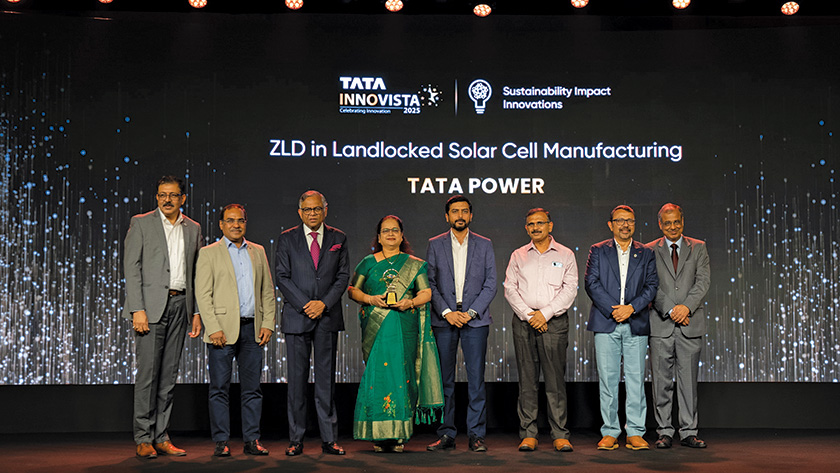
ZLD in Landlocked Solar Cell Manufacturing, Tata Power
When setting up its 4GW solar cell manufacturing unit in a landlocked Tirunelveli, Tata Power had to ensure zero liquid discharge (ZLD). The team developed a novel low-cost effluent treatment system that recycles 90% of water, reduces energy use to 25% of the original plan, thereby reducing capex by ~Rs 40 crore and opex by ~Rs 800 crore.
DESIGN HONOUR
Implemented designs, that have created differentiated products, services, processes, and spaces, are honoured in this category.
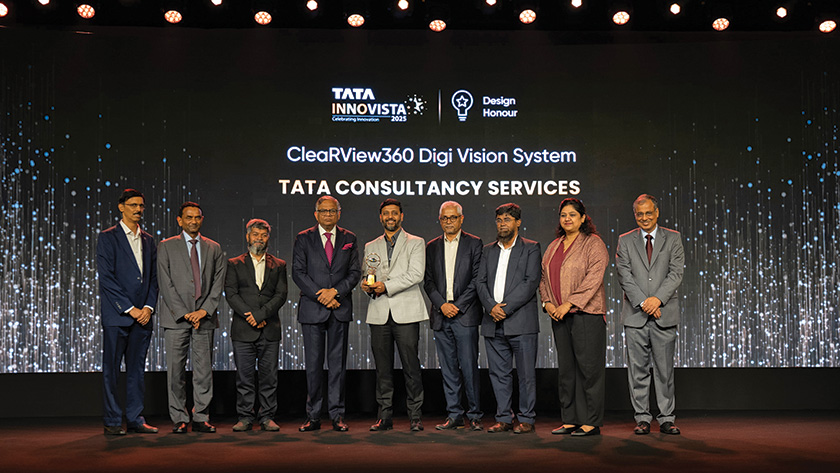
CleaRView360 Digi Vision System, Tata Consultancy Services (TCS)
Long commercial vehicles, aka tractor-trailers, have extensive blind spots on all sides, increasing accident risk, particularly on sharp turns. The team built an AI-driven solution using cameras and digital screens to provide 360-degree real-time visibility, eliminating blind spots. The solution has already fetched $40 mn in revenue from Tier-1 suppliers and OEMs.
PATENTED TECHNOLOGY INNOVATIONS
This category spotlights teams that have created cutting-edge patented technologies, successfully piloted but not yet commercialised, and poised for transformative impact when scaled.
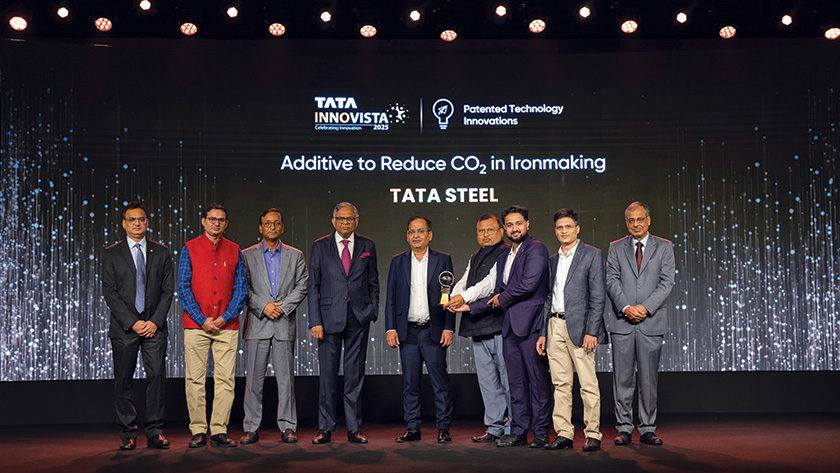
Additive to Reduce CO₂ in Ironmaking, Tata Steel
Sponge ironmaking relies on expensive imported coal and is a major source of Scope 1 CO2 emissions in steelmaking. To tackle this, the team developed a patented additive that releases protons which significantly improve coal combustibility, lowering its ignition temperature from 430°C to 370°C. This can save up to 400k tonnes of CO2 annually and, once commercialised, can reduce coal use amounting to Rs 24 crore.
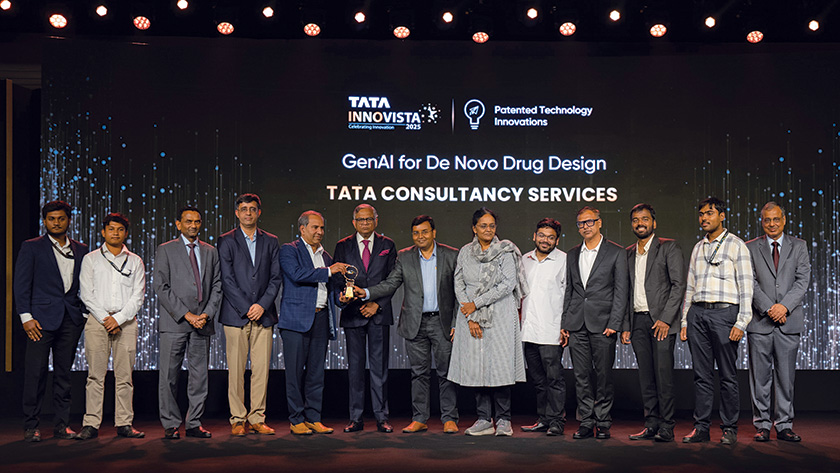
GenAI for De Novo Drug Design, TCS
Drug discovery is time-intensive and expensive, with very high failure rates. The TCS team devised a GenAI-based early-stage drug design solution that improves speed, accuracy, and efficiency. They also developed an AI model to downfold and check molecule toxicity and efficacy, feeding results back into the GenAI engine. The solution can cut drug discovery time by 50%, costs by 25%, and compute time tenfold.
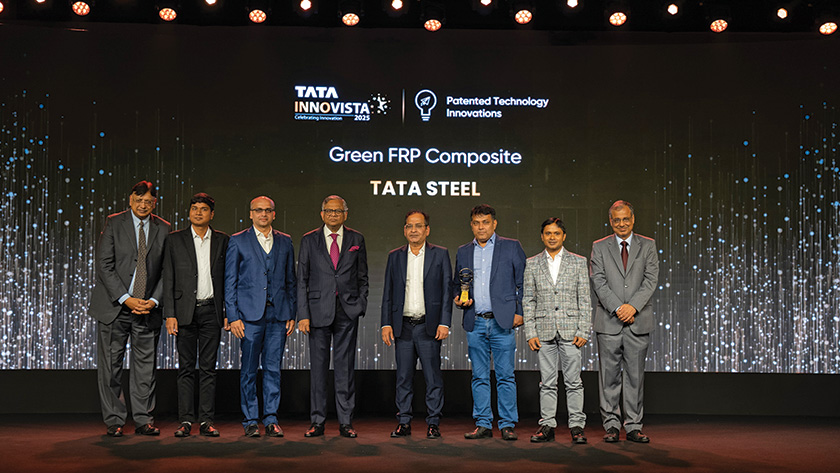
Green FRP Composite, Tata Steel
Structural high-strength fibre-reinforced polymer (FRP), used in construction, employs thermoset resins that are non-recyclable. They predictably end up in landfills, are burnt or mechanically grounded for downgraded applications. Tata Steel’s solution? A new recyclable thermoset resin that creates a dissolvable bond in certain conditions. With the FRP market in India valued at $0.75 bn, this solution has enormous potential.
BUSINESS SUPPORT AND BUSINESS MODEL INNOVATIONS
This category recognises process innovations that transform business support functions or redefine business models.
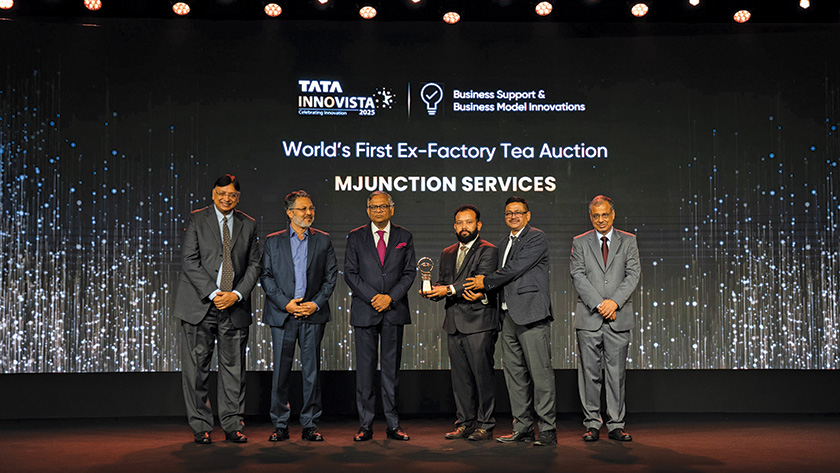
World’s First Ex-factory Tea Auction, mjunction Services
Tea auctions follow a 200-year-old, broker-based model worldwide, with high transportation costs. The team created a global-first e-marketplace that eliminated brokers, introducing much-needed transparency and convenience for buyers and sellers. The platform already handles 4% of the gross merchandise value of tea auctioned across India, cuts transportation costs by 40% and reduces garden to cup time from 24 to 12 days.
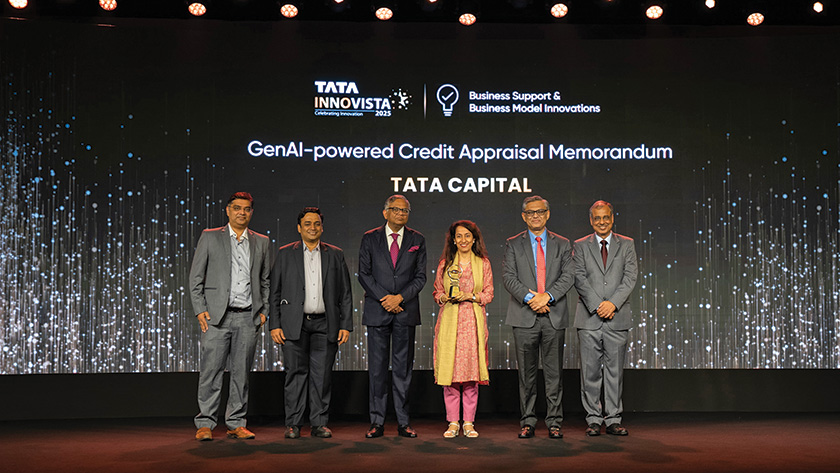
GenAI-powered Credit Appraisal Memorandum, Tata Capital
The traditional credit appraisal process, which involves extracting data from hundreds of pages, is manual, slow, and error prone. To resolve this, the team built an AI-powered credit appraisal system that extracts insights and cuts turnaround time from days to minutes. It has also improved the credit appraisal team’s productivity by 33%, boosting accuracy, productivity, and scalability in corporate credit underwriting.
CORE PROCESS INNOVATIONS
Innovations in this category reflect advancements in core business processes that enhance profitability by reducing defects, shortening cycle times, or improving efficiency and throughput.
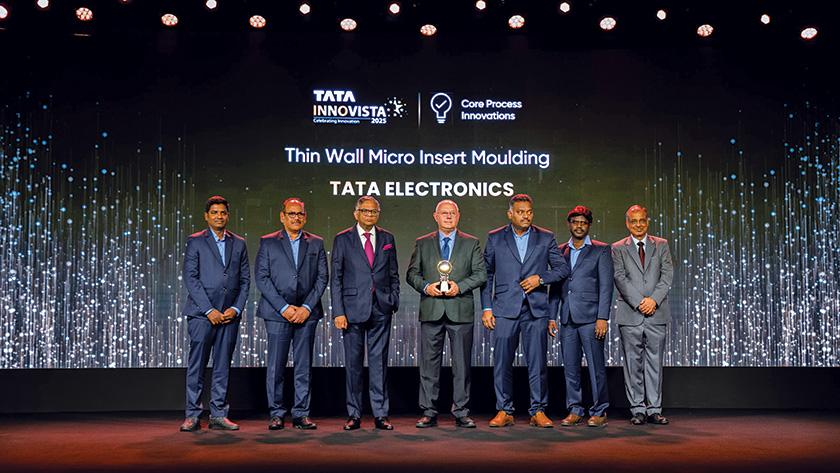
Thin Wall Micro Insert Moulding, Tata Electronics
Manufacturing a small, complex component for a smartphone charging port poses a major technological constraint due to its extremely thin wall thickness of ~500 microns. The team integrated three moulding techniques — Thin Wall, Micro and Insert — to produce the part with a precision of less than 5 microns. This 9mg engineering breakthrough enabled the company to achieve a 95% yield with zero need for inspection — setting a global benchmark.
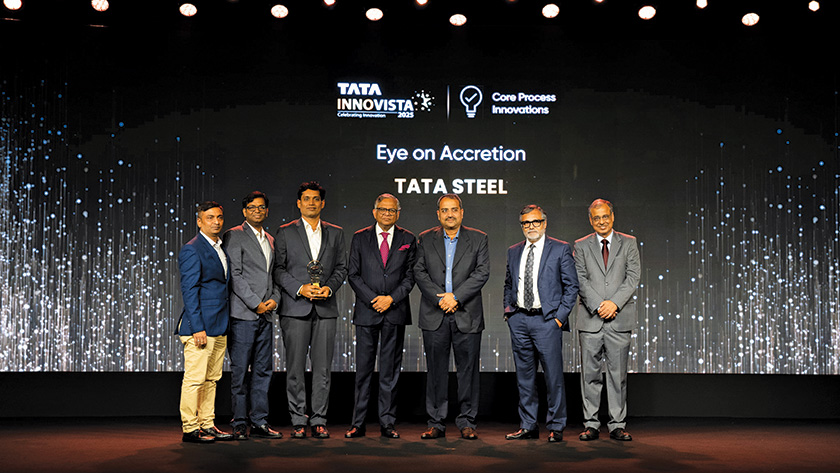
Eye on Accretion, Tata Steel
Accretion or unwanted material deposits inside a very hot rotating kiln can result in poor product quality and cause unplanned shutdowns. Responding to this challenge, the team engineered an AI model that not only detects the quantum and location of real-time build-up, but also recommends changes in operating parameters to dislodge build-up without stopping the kiln. This has boosted production by more than 50%.
CO-CREATING CUSTOMER INNOVATIONS
This category recognises companies that have become an integral part of their clients’ teams, enabling them to conceptualise and deliver innovations on their behalf.
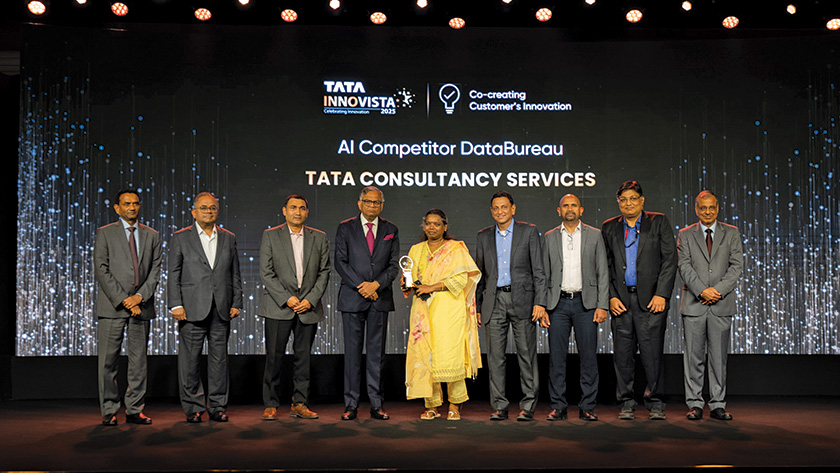
AI Competitor DataBureau, TCS
Retail shelves are overflowing with similar-looking and similar-sounding products. In this competitive space, retailers struggle to determine optimal price for their private-label products while accurately gauging competitor pricing. Stepping up to this challenge, the team crafted a solution that delivers 99.5% accurate price comparison, while considering every aspect of all similar items. This has increased the retailer’s margin by 7X, and helped TCS sign up two new clients.
PRODUCT AND SERVICE INNOVATIONS
Innovations that reimagine products and services, tap new customer segments, and unlock new revenue streams are recognised in this category.
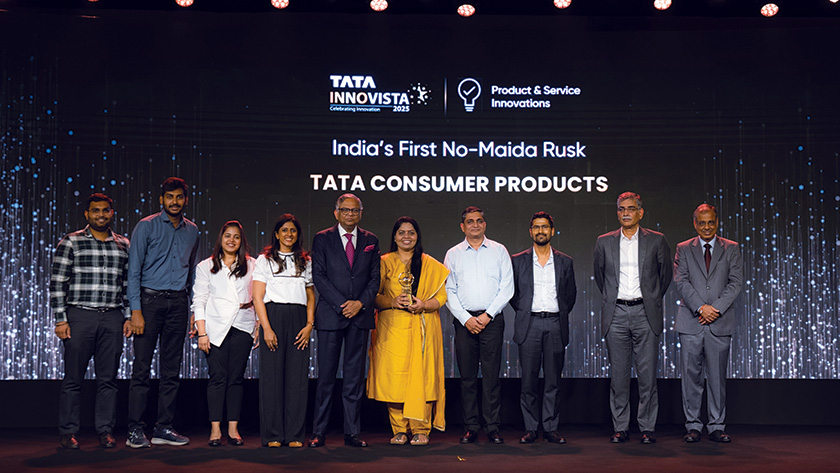
India’s First No-Maida Rusk, Tata Consumer Products
Typically, rusk, the snack, contains 60% maida and tends to crumble quickly. The team formulated a healthier rusk containing wheat flour and 16% millets by leveraging its in-house millet processing technology. Key to this innovation was the development of a new enzyme that made the rusk less crumbly, helping it achieve the perfect rusk consistency, making for a delightful experience when dipped in a cup of tea.
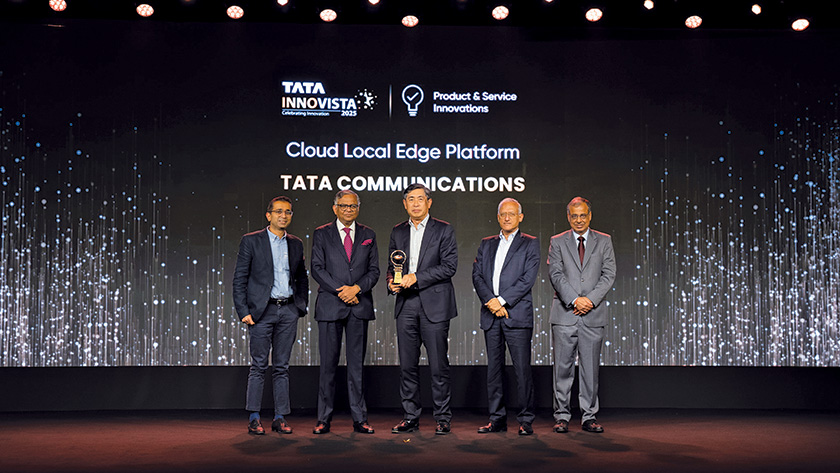
Cloud Local Edge Platform, Tata Communications
Broadcast equipment is bulky, weighing up to 600 kg, making it difficult to handle and transport and requiring large floor space to set up at the venue. In response to these constraints, the Tata Communications team built a device that is 20X smaller in size and weight, thereby reducing logistical complexity. The innovation has helped the company acquire several new customers, gain additional revenue of over $4 mn annually and capex savings of $500,000.
Company Awards
The inaugural segment began on a strong note with 42 nominations from 21 companies.
IMPACTFUL EXTERNAL ECOSYSTEM
The category recognises companies that have systematically built and leveraged external ecosystems to augment their capabilities and accelerate innovation.
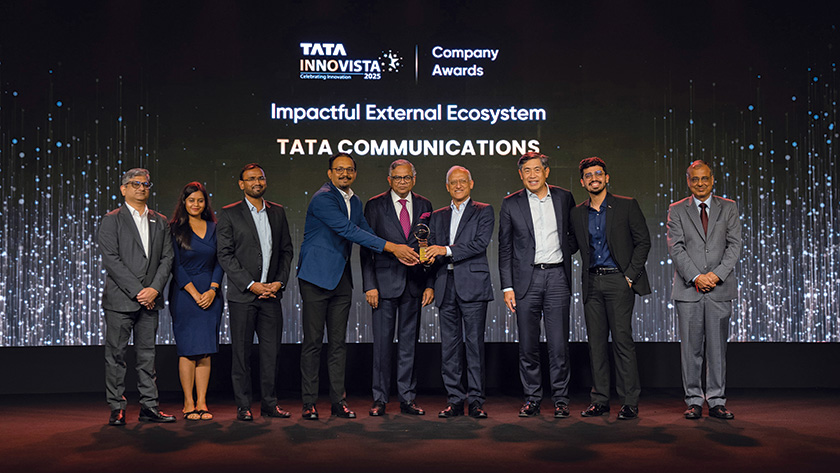
Tata Communications
A new Technology Opportunity Risk Assessment Framework helps the company track emerging technologies and strengthen its external innovation ecosystem. Its single-window startup onboarding process streamlines PoC development, removing traditional hurdles. This has led to 2,200+ startup evaluations, 150+ on-boarded through 70+ partners; 43+ projects across business units and 100+ new customers. Open innovation projects delivered multi-million-dollar impact in FY25.
MANAGING IDEAS FOR INNOVATION
The second category recognises companies that systematically engage employees to capture imaginative ideas, evaluate and implement them at scale, transforming ideas into impactful innovations, both incremental and radical.
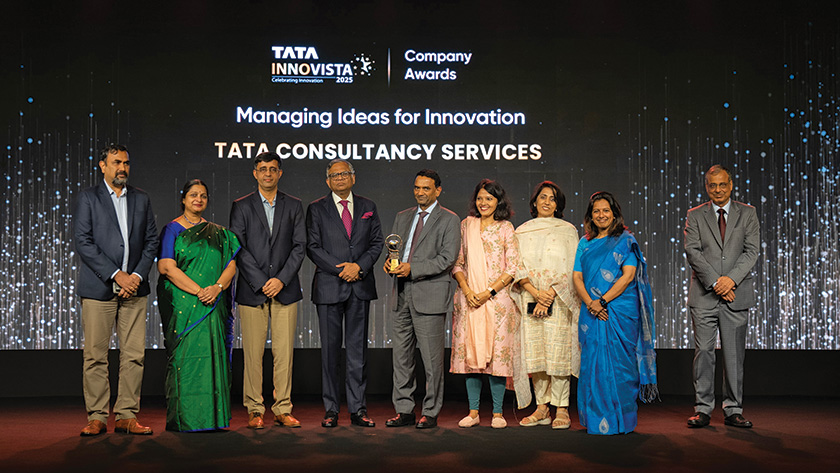
TCS
The company has established a robust idea management system that focuses on inviting, processing and implementing ideas for both the ‘now’ and the ‘next’. While the ideas in the NOW bucket deliver tactical incremental innovations for clients, those in the NEXT bucket focus on incubation and delivery of new products and services. In FY25, TCS generated 27,670 ideas, creating ~$2 bn in value for customers and earning $347 mn for itself. It developed at least 17 products which delivered a $2 bn impact across industry clusters.
BUSINESS IMPACT INNOVATION
The third category recognises companies that have demonstrated and achieved a considerable amount of new revenue, cost leadership, or sustainability outcomes through research and innovation on a sustained basis. Contribution of innovation in business impact in such companies is large enough that they emphatically inform their shareholders through their annual report.
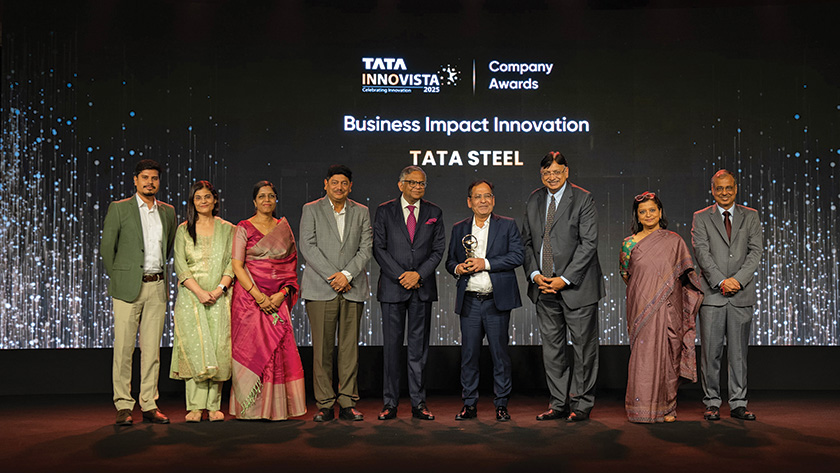
Tata Steel
The company’s FY25 annual report lists three focus areas: digitalisation, reduction of CO2, and investment in research and development. Tata Steel’s relentless focus on these areas is evident from its impressive performance at Tata InnoVista this year — 50% of the finalists at the intersection of AI and core science, 50% of the finalists who have mitigated CO2, and 50% of the finalists in the Patented Technology Innovation category hail from Tata Steel.
Tata InnFuze Awards
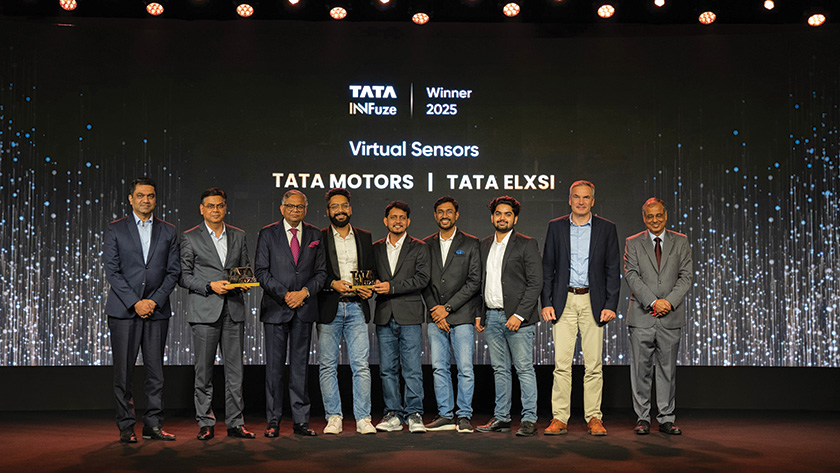
Virtual Sensors, Tata Motors and Tata Elxsi
The team replaced expensive engine air flow sensors with AI-powered virtual sensors, using 30+ engine variables, making engines smarter, greener, and future-ready. The solution is projected to save at least ₹100 crore, cut emissions, and enhance reliability. The solution has completed prototype testing and the team is currently integrating the model with the engine control unit, validating it at the vehicle level, and preparing for certification.
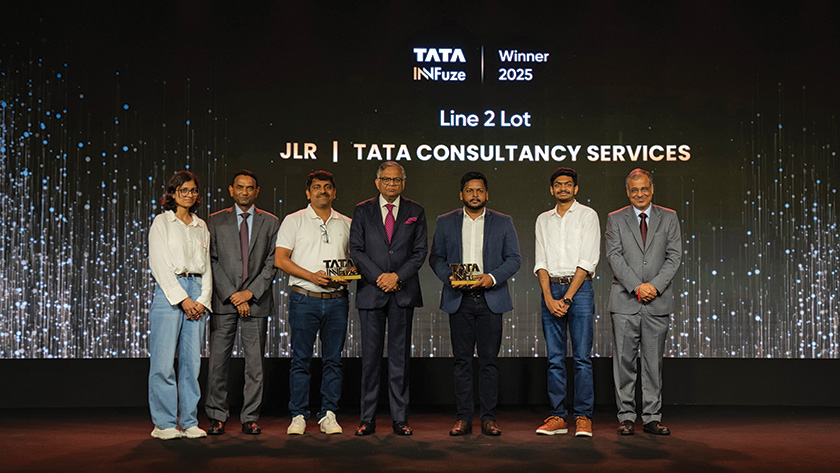
Line 2 Lot, JLR and TCS
To redefine yard management with zero-touch autonomy, the team built an AI system that automatically moves vehicles from the end of the assembly line to the parking lot without the assistance of drivers. All with the aid of Wi-Fi, LiDAR, and facility-wide cameras. Having successfully built a miniature prototype and added new use cases, the team intends to implement the system in actual vehicles at JLR’s plant in Pune.
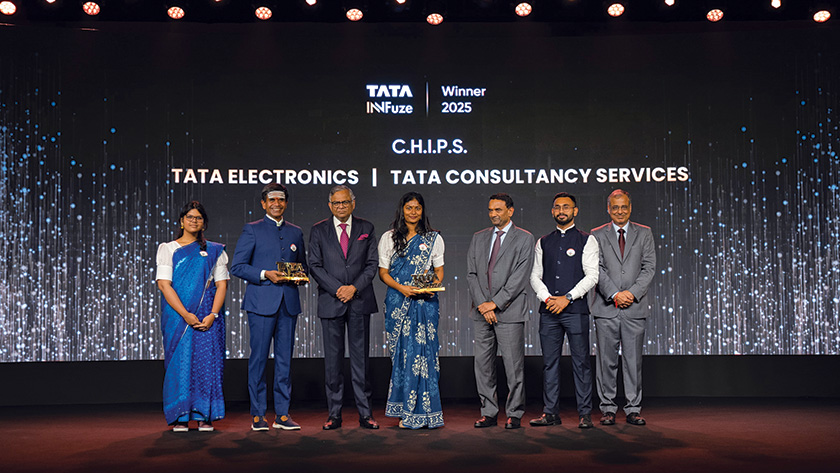
C.H.I.P.S., Tata Electronics and TCS
The team accomplished the rare feat of cracking the chip code, completely reimagining semiconductor packaging by separating signal and power routing. The design improves routing length by 10X, and signal integrity by up to 8X. After developing the first prototype and running simulations for the DDR4 RAM and PCIe Gen5 motherboard interface, the team is set to proceed to product design using foundry kits, prototype on shuttle, and validate the hardware, thus ushering in a new era of scalable chip architecture.
—Sharmistha Choudhury