June 2026 | 1701 words | 7-minute read


Every generation is shaped by the world it grows up in. The Silent Generation prized discipline, loyalty, and hard work; Baby Boomers were driven by progress and hierarchy; Gen X grew more independent, valuing work-life balance; and Millennials prioritised purpose and collaboration in a tech-enabled world.
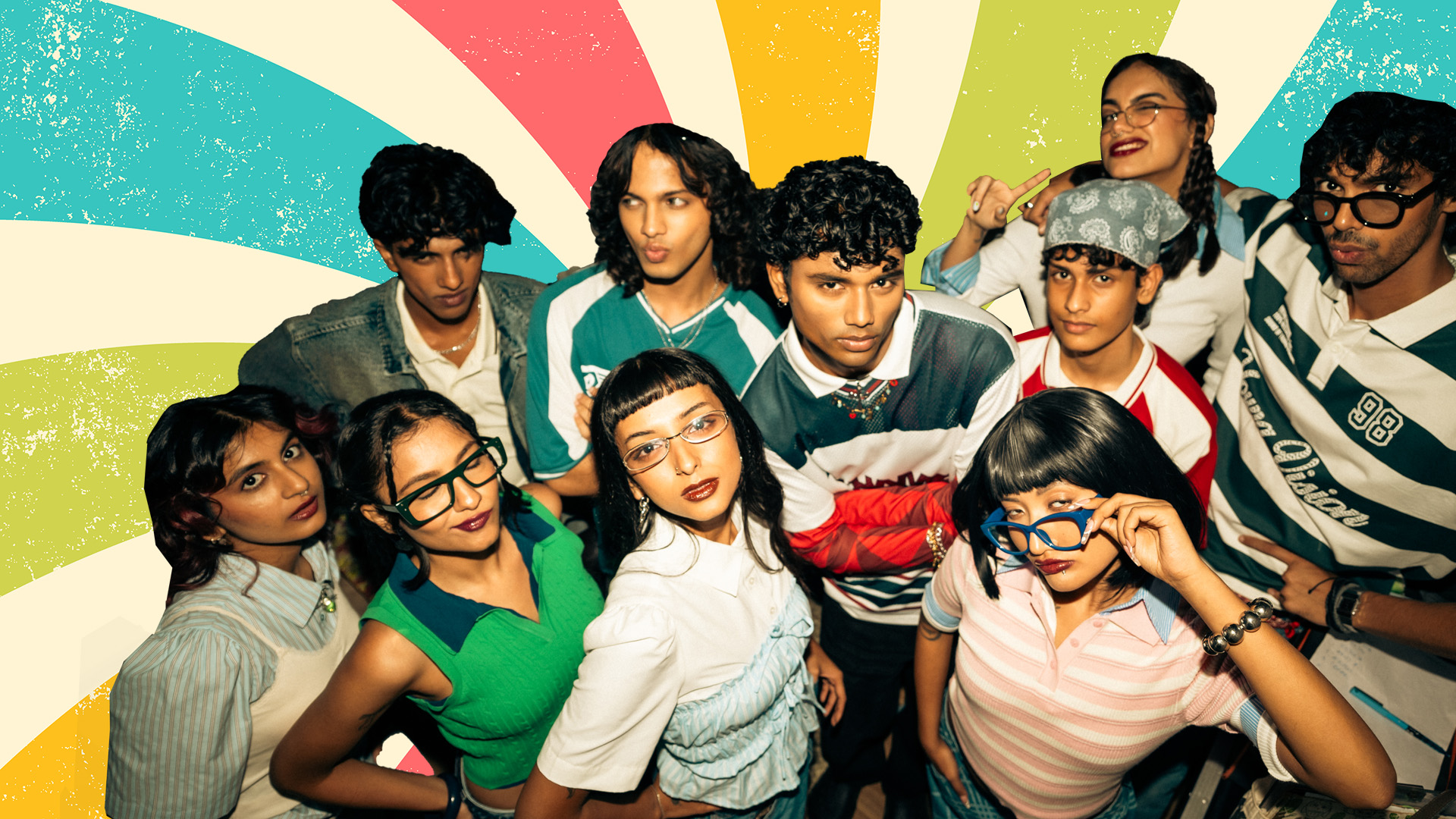
Gen Z is the first generation to be raised entirely online. Born between 1997 and 2012, its culture has been shaped by algorithms, memes, constant discourse, and the blurring of boundaries between the digital and the real. To connect with Gen Z, you don’t just need to talk to them, you need to understand how they think, speak, and show up in the world. All of it, with a touch of levity. IYKYK.
Estimated at 37.7 crore in India, Gen Z is reshaping the consumer landscape and forcing brands to walk the talk. An EY report found that 92% value being “authentic and true to oneself”. A Boston Consulting Group (BCG) study, ‘The $2 Trillion Opportunity: How Gen Z Is Shaping the New India’, explored what this authenticity means to Gen Z. As one respondent summed it up: “Say who you are. If a brand is found lying, I will never buy it again — and I’ll make sure my friends don’t either.”
So, in a world of infinite distractions, how do brands truly live rent free in Gen Z’s minds? We reached out to Tata companies to understand how they are cracking the Gen Z code.

Style that speaks your language
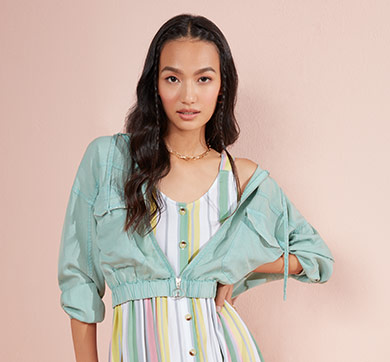
For Zudio, fashion is rooted in what’s relevant and current. Launched in 2016, Zudio has stayed in step with its audience, offering styles that reflect how young consumers express themselves today. This extends to how the brand connects. With a focused digital-first approach, Zudio engages Gen Z where they are most active. Instagram is a key platform for discovery and dialogue, with the community growing by over 6 lakh followers in the past year.
Weekly newness keeps the experience fresh, creating a sense of discovery and driving anticipation. Collaborations with carefully chosen creators help build authentic connections across diverse audiences.
“Fashion today is a powerful tool of self-expression for young consumers,” says P Venkatesalu, Managing Director (MD), Trent. “At Zudio, our role is to stay in tune with their individuality through what we create and how we engage. Being able to connect with Gen Z at this scale, and influence how they express themselves, is both a privilege and a responsibility.”

Style, simplified
Mia by Tanishq recognises that experimentation, versatility, and everyday meaning resonate with Gen Z. It is exploring gold and silver categories, tapping into trends, while pivoting towards smaller, curated collections, reflecting Gen Z’s preference for thoughtful design over excess.
The brand draws design inspiration from global pop culture, such as Korean heart motifs, and offers wristwear that’s expressive, wearable, and personal — think adjustable cord bracelets with 14K gold motifs that symbolise strength, balance, and prosperity. “Mia translates to ‘mine’ in Italian, and as a brand that’s what we celebrate: choosing for yourself,” says Adarsh Anand, Brand Manager, Mia by Tanishq.
Positioned as a brand that elevates everyday moments — “your companion in feeling ‘precious every day’” — Mia, launched in 2011 with a focus on working women, has since grown more inclusive, appealing to early-career professionals and younger buyers. Celebrity association — Saiyaara breakout star Aneet Padda brings a fresh, grounded authenticity — has helped the brand stay young and relevant, and its ad campaigns reinforce jewellery as an everyday form of personal storytelling rather than a once-in-a-while indulgence.
Wellness, made convenient
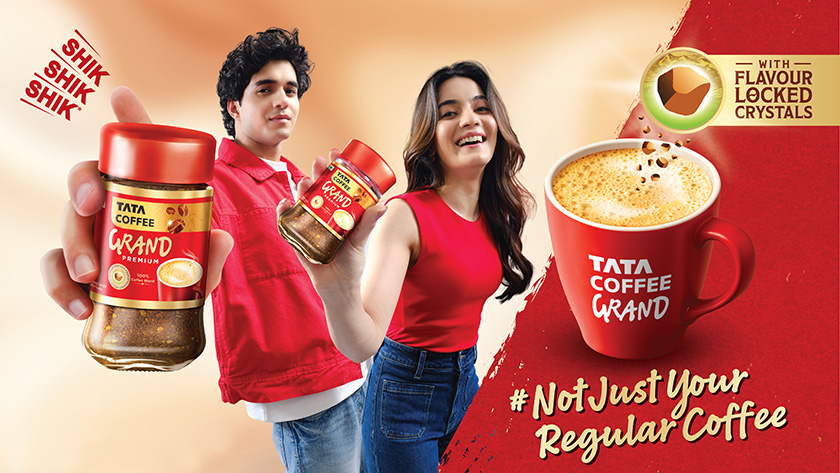
For Gen Z, health is a lifestyle, shaped by clean ingredients, credible claims, and everyday utility. As the share of consumption driven by Gen Z and Millennials rises, Tata Consumer Products has expanded its portfolio across healthier, guiltfree snacking, functional beverages, and convenient mini meals, supported by faster innovation cycles and a sharper focus on evolving dietary needs.
This shows up across products on its Slim Care platform, including varieties of green tea, ready-to-drink offerings, and muesli. It’s evident in Organic India’s probiotic supplements for gut health, Tata Soulfull’s milletbased snacks reimagined for young adults, and Tetley’s kombucha, matcha and functional teas enriched with biotin. Tata Sampann’s Easy Cook range further reinforces this approach, catering to a generation seeking nutrition that fits easily into daily routines.
Vikas Gupta, Global Head R&D, Tata Consumer Products, notes that Gen Z values authenticity, transparency and sustainability, gravitating towards products with clean labels, low fat, sugar and salt, and clearly articulated benefits. “Their preferences also lean towards cold beverage formats, global flavours, and convenient consumption, while impulse purchases via Qcommerce and ecommerce play an increasingly important role,” he says. “Aesthetics matter too — Gen Z celebrates brands that balance local authenticity with global appeal.”
To meet these evolving needs, Tata Consumer Products balances Gen Z- and Millennial-focused campaigns with its core brand essence, strengthens digital-first storytelling, and expands across emerging channels for access anytime, anywhere.
Conscious indulgence
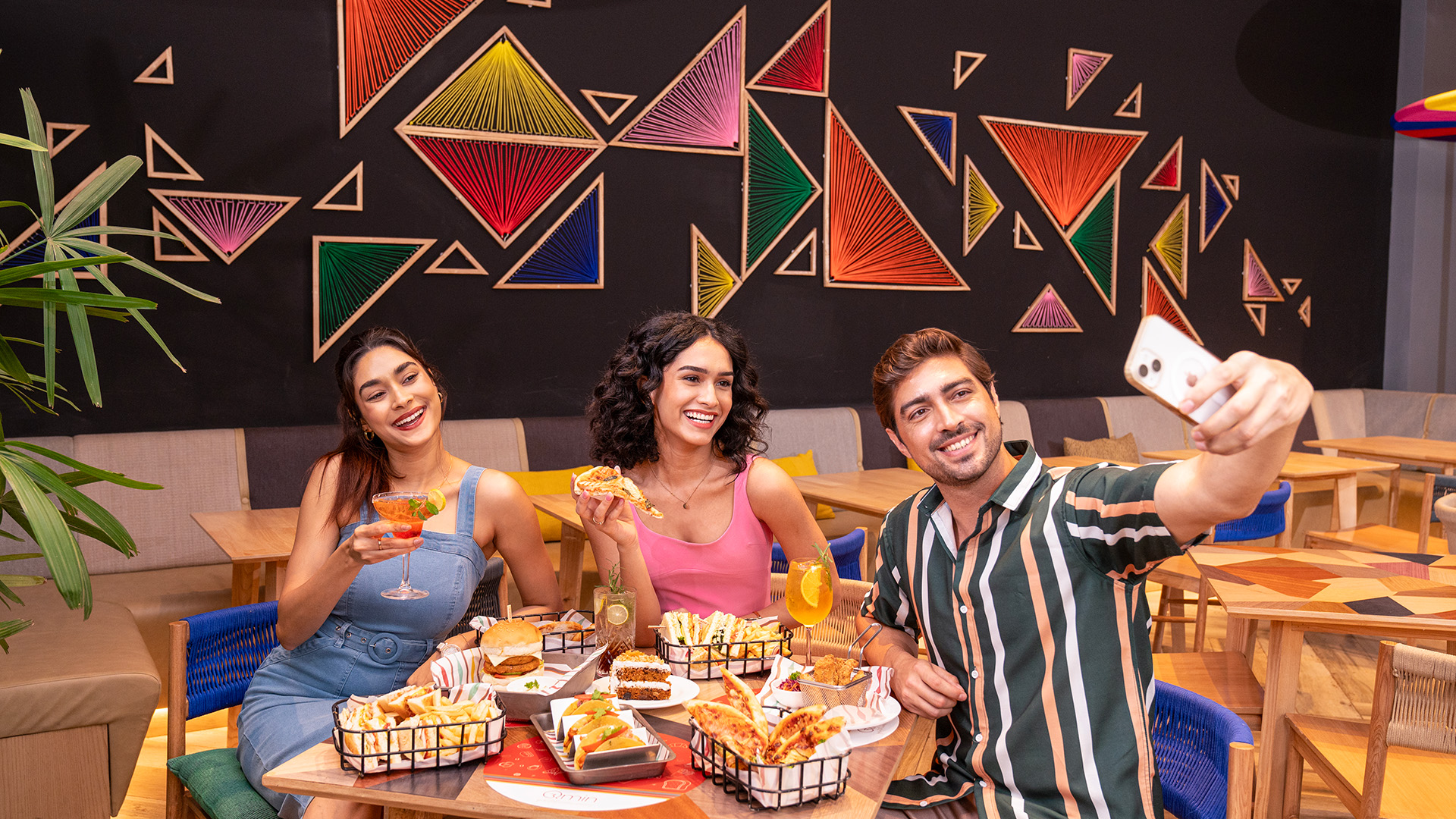
For Gen Z, indulgence comes with conditions: it must feel luxurious without being excessive. It is a shift reflected across Indian Hotels Company Ltd’s (IHCL) hospitality portfolio.
While Taj remains rooted in heritage and craftsmanship, Vivanta leans into social, informal spaces designed to encourage interaction and cultural exchange. Ginger, positioned as leanluxe, caters to a generation for whom work and leisure seamlessly overlap, while amã Stays & Trails responds to a growing preference for intimate, locally grounded stays over standardised luxury.
Sustainability is no longer optional for Gen Z, it is expected. Properties like Taj Exotica Resort & Spa, Andamans, which has eliminated single-use plastic, illustrate how environmental responsibility can be woven into luxury. “Gen Z gravitates to brands that feel contemporary yet remain rooted in culture,” says Parveen Chander Kumar, Executive Vice President – Commercial, IHCL. “They are value conscious and place a premium on sustainable practices, both environmental and social. IHCL’s Paathya, the ESG+ framework of sustainability, is embedded into operations through initiatives like the adoption of renewable resources like solar panels, in-house bottling plants, and EV charging stations, so that conscious indulgence is experienced by guests.”
As younger guests seek restorative rather than performative experiences, IHCL brands have integrated wellness to serve a growing base of health-conscious travellers.
For a generation in motion
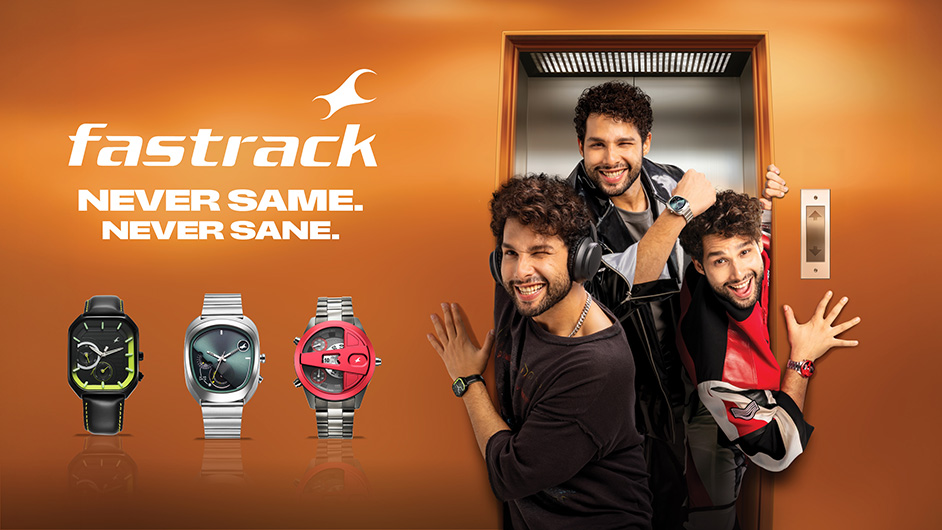
Fastrack’s positioning as an irreverent young brand made it a favourite with Millennials when it launched in 1998. As that cohort has matured, the brand evolved beyond its ‘rebel’ roots into a fashionforward lifestyle brand for a generation driven by exploration and an aversion to being boxed in.
The focus is on youthful, energetic expressions across evolving visuals, product philosophy, and communication. The brand sees Gen Z as a study in contradictions: globally aware yet deeply local, with a fluid identity shaped by multiple interests. Fastrack celebrates this multiplicity in its latest campaign ‘Never Same. Never Sane’, with actor Siddhant Chaturvedi, its brand ambassador. The campaign reimagines the analogue watch as a style statement, not just a functional accessory for a generation that “refuses to flatten itself into one neat identity”. “As digital life grows more relentless, style is moving in the opposite direction: towards objects that feel tactile, expressive and real,” says Danny Jacob, Head of Marketing, Fastrack.
In tune with Gen Z’s proclivity for fluid identities, Fastrack has introduced themed collections, like music, sci-fi, and racing. In pricing, it straddles three tiers: under Rs 2,500, between Rs 2,500-Rs 5,000, and above Rs 5,000, offering superior value and design, tapping into Gen Z’s willingness to pay more if the product feels right.

Community-driven, digital experience
At Croma, authenticity sits at the heart of engaging a generation that is “sharp and discerning,” says Shibashish Roy, Chief Executive Officer and MD. “Gen Z carries an exploratory, boundary-pushing mindset, constantly scanning for what’s new, better and next, and it’s this curiosity that makes them a powerful consumer segment.”
To meet this expectation, Croma is focused on creating a seamless omnichannel experience, where online ease meets in-store expertise and the gap between discovery, exploration, and purchase dissolves. Initiatives like Unboxed Masterclasses and AI Gurukool workshops — spanning everything from grooming and coffee-making to gaming, productivity, photography, and video creation — help consumers expand their skills and get more from their devices. According to Mr Roy, Gen Z lives in the “digital matrix” and thrives on multiple platforms simultaneously. “So, as a business it is critical for us to be on all major digital platforms,” he says. “It is where we spark curiosity, build community, and keep the conversation alive. Instagram, especially, is where we meet them in their natural habitat: quick, visual, playful, and always in the moment.”
The brand has also introduced a sustainable line, offering greener choices, while its trade-in programme gives old devices a second life through responsible e-waste recycling. Then there is their ZipCare services, “which extend what you already own, pushing back against throwaway culture,” says Mr Roy. “And across our operations, we are building responsible retail: from solar-powered distribution centres, EVs for last-mile delivery, and responsible waste management at every step.”
As businesses find creative ways to engage this dynamic cohort, the growing awareness of AI coupled with the entry of Gen Alpha — the world’s largest generation at ~200 crore — will bring both opportunities and challenges. “If Gen Z a is digital-native, Gen Alpha is a Gen AI-native generation,” says Mr Roy. “They will also be the first audience to fully experience the magic enabled by the mass adoption of technologies such as virtual reality and augmented reality.” The question, then, is not just how these generations will shape the future, but how swiftly businesses can adapt to them.
— Anju Maskeri