January 2026 | 428 words | 2-minute read


Tata Technologies and automotive AI
The automotive industry faces unprecedented disruption, driven by electrification, software-defined vehicles, and rising competition from tech-first entrants. Artificial intelligence (AI) is transforming the sector, accelerating design, predictive maintenance, and intelligent in-vehicle systems. Tata Technologies is at the forefront, enabling global OEMs and suppliers with AI-led solutions spanning generative design, manufacturing, and customer engagement. Strategic acquisitions, partnerships, and talent development initiatives have strengthened its capabilities in ADAS, connected driving, and digital engineering. By embedding AI across the value chain, Tata Technologies helps clients build smarter, safer, and greener vehicles, positioning itself as a trusted partner in automotive transformation.
Tata Technologies and automotive AI
The automotive industry is undergoing unprecedented disruption, driven by rapid electrification, the rise of software-defined vehicles (SDVs), regulatory demands, and competition from tech-centric entrants. Artificial intelligence (AI) has become a key enabler, powering generative design, predictive maintenance, defect detection, and intelligent in-vehicle systems. Reports project significant profit margin growth and a $3.9 billion generative AI market in automotive by 2034.
Tata Technologies, leveraging strong financial growth and strategic acquisitions like ES-Tec Group, has positioned itself as a leader in AI-led transformation for global OEMs and suppliers. The company’s comprehensive AI portfolio spans design, manufacturing, and after-sales, with over 40 applications deployed at scale, delivering benefits such as reduced validation cycles, improved energy efficiency, and enhanced customer engagement. Tata Technologies has evolved from a body engineering partner to a full-vehicle engineering and AI transformation leader, co-innovating AI/ML frameworks that democratize data science for engineers. Its solutions include digital twins, automated test generation, predictive analytics, and GenAI-powered virtual assistants.
Strategic partnerships, like the BMW TechWorks India joint venture, further strengthen its automotive software capabilities. The company addresses integration challenges through a digital thread programme and invests in talent development via platforms like TechVarsity and partnerships with IIT Hyderabad. Tata Technologies is also advancing sustainability with AI-driven shop floor optimization and digital battery passports. By embedding AI across the value chain, Tata Technologies helps clients accelerate development, cut costs, and deliver smarter, cleaner vehicles, cementing its role as a catalyst for innovation and sustainable growth in the evolving global automotive landscape.
Tata Technologies and automotive AI
Tata Technologies has positioned itself as a key enabler of AI-led transformation for global OEMs and tier-1 suppliers, achieving record growth and expanding its capabilities through strategic acquisitions, such as the Rs 776 crore purchase of Germany’s ES-Tec Group, adding 300+ engineers and strengthening its R&D in ADAS, connected driving, and digital engineering. By embedding AI across the product development chain, Tata Technologies helps clients build smarter, safer, and greener vehicles, accelerating time to market and solving complex engineering challenges.
Once a body engineering partner, Tata Technologies has evolved into a full-vehicle engineering and AI transformation leader. Its co-innovation of an interactive AI/ML framework allows engineers to leverage data science without coding expertise, fostering rapid adoption of AI tools. The company now offers 40+ AI applications across design, manufacturing, and after-sales, deploying capabilities such as generative design, AI-driven simulation, predictive analytics, automated test generation, fault detection, real-time process optimization, and intelligent customer engagement. These tools sharpen styling, reduce validation cycles, optimize energy use, improve plant uptime, and enhance customer journeys.
Tata Technologies’ AI-enabled electrical and software systems portfolio covers next-gen vehicles—e-powertrain, chassis, body, ADAS, infotainment, connectivity, and cloud solutions. Its expertise spans model-based development, AUTOSAR, Linux, hardware-in-the-loop testing, CI/CD pipelines, DevSecOps, and cybersecurity, all infused with AI for predictive, adaptive performance. This holistic approach helps OEMs deliver safer, smarter, and more connected mobility experiences.
AI applications deliver impact across the value chain. In design, generative styling and digital twins compress prototype cycles and reduce repetitive work. Manufacturing benefits from computer vision inspection, real-time plant visibility, and shop floor optimization, resulting in significant cost and energy savings. Aftermarket solutions, like GenAI-powered virtual assistants and predictive diagnostics, enhance sales guidance and technician support, while the Power of 8 suite boosts customer interaction efficiency and digital lead conversions.
To deepen its automotive software expertise, Tata Technologies formed BMW TechWorks India, a joint venture with BMW Group, targeting co-development of next-gen technologies and rapid workforce expansion. Addressing integration challenges, Tata Technologies implements digital thread programs connecting PLM, ALM, and ERP systems for seamless data flow.
The company nurtures an AI-first culture through partnerships with tech leaders, academia, and innovation labs, and invests in talent development via platforms like TechVarsity and i GET IT. Initiatives such as the InnoVent Hackathon foster GenAI solutions for real-world challenges.
Looking ahead, Tata Technologies is preparing OEMs for autonomous driving, V2X communication, and integrated mobility platforms, with sustainability-focused AI ensuring smarter, cleaner mobility. Its GenAI frameworks and digital battery passports drive compliance and traceability. By embedding AI across the value chain, Tata Technologies enables OEMs to innovate, compete, and grow sustainably, engineering a better tomorrow.


For years, India’s villages had to contend with unreliable power supply and blackouts — factors that deeply impacted productivity and livelihoods.
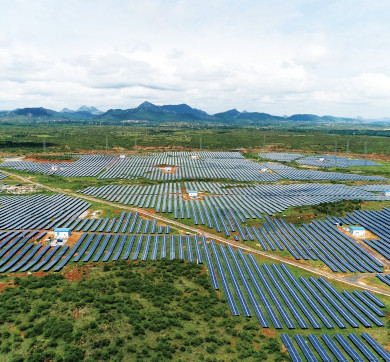
However, in the recent past, solar energy has been transforming rural India, emerging as a decentralised, reliable power for homes, farms (irrigation, water pumps), and small businesses, while improving education and healthcare infrastructure, as well as economic opportunities. Government schemes that offer subsidies for solar pumps and microgrids have made villages more self-sufficient and sustainable.

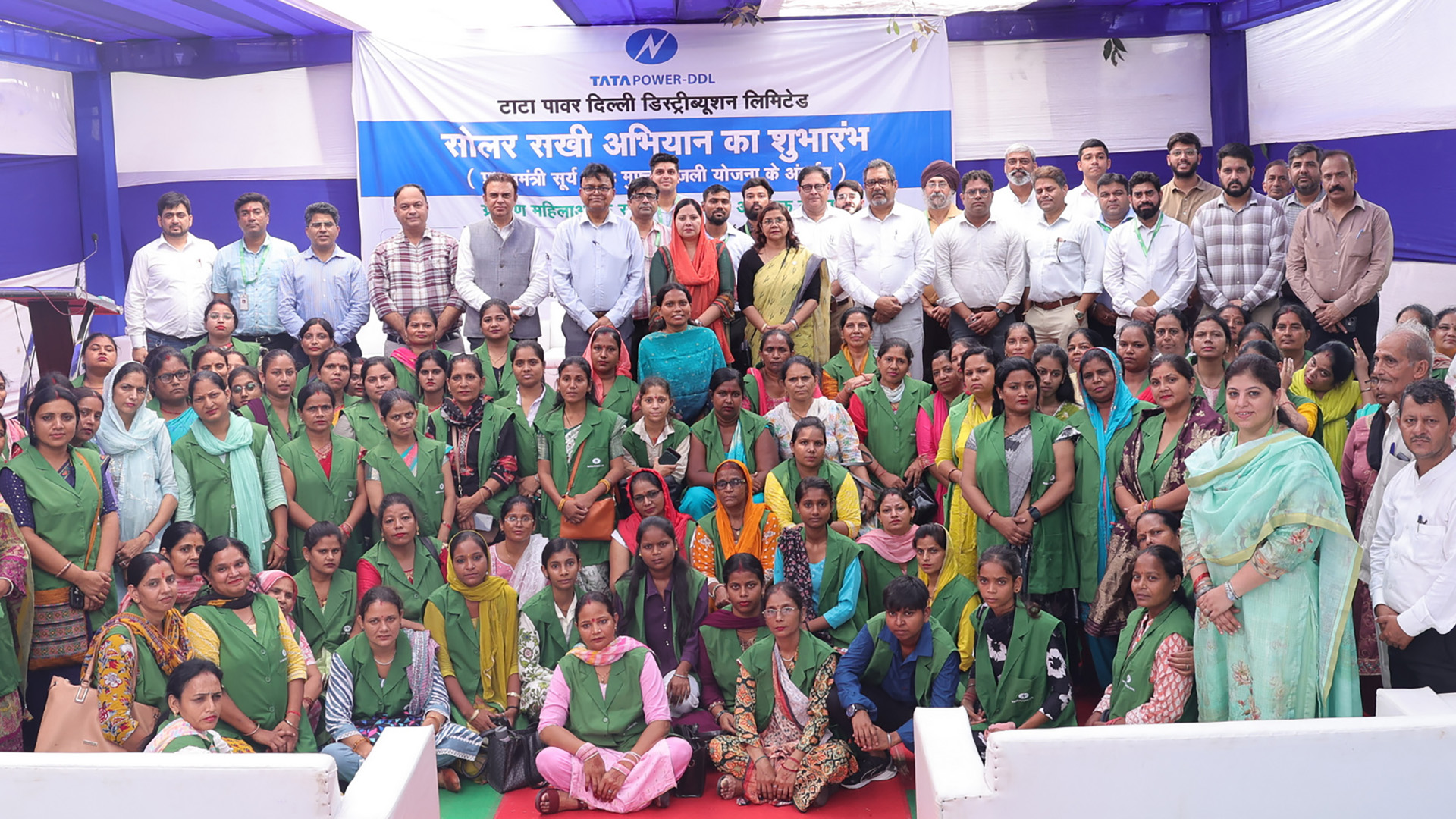
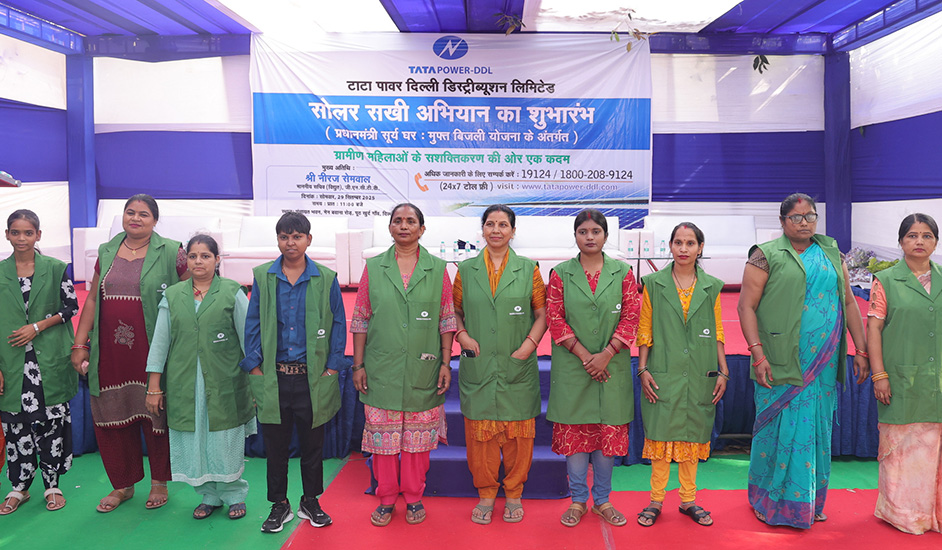
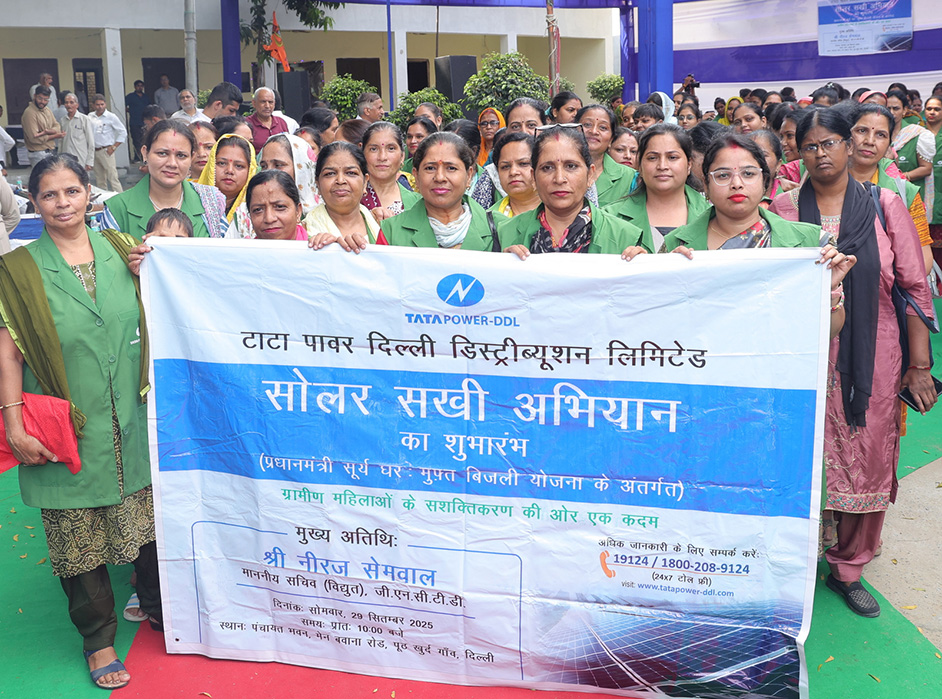
Tata Power Delhi Distribution Limited, in alignment with the Government of India’s flagship PM Surya Ghar: Muft Bijli Yojana, launched the Solar Sakhi Abhiyan in October last year. The pioneering initiative is dedicated to women’s empowerment and clean energy adoption. At the heart of the initiative are 100 Solar Sakhi members — women volunteers trained to serve as ambassadors of solar energy in villages. Their goal is to spread awareness on rooftop solar benefits, educate households on clean energy solutions, and act as a bridge between government policies and communities in more than 75 villages of Tata Power-DDL. Each Solar Sakhi was provided with a distinctive jacket, symbolising pride, leadership, and recognition.
The launch event, organised at Pooth Khurd Village on the auspicious occasion of Navratra, a festival that celebrates the power and spirit of women, was graced by Neeraj Semwal, Secretary (Power), GNCTD; Ravi Dadhich, Special Secretary (Power); Kumar Abhishek, District Magistrate (North); Anju Aman Dabas, Hon’ble Councillor; Dwijadas Basak, CEO, Tata Power-DDL; Kiran Gupta, Chief Commercial, Tata Power-DDL; Bharat Chhabra, Chief-SIG, Tata Power-DDL; Rahul Kumar, Head-Special Customer Management & Solar; and Shashank Sharma, HoD-G&I, NBS & Solar along with company officials, village representatives, and community members.
“Our vision has always been to merge sustainability with inclusivity,” said Mr Basak at the event. “The Solar Sakhi Abhiyan reflects Tata Power-DDL’s strong belief in women-led progress. By enabling women to become ambassadors of solar energy, we are nurturing leaders who will guide communities toward a cleaner and brighter tomorrow.”
Ms Gupta added, “Empowering women to become ambassadors for rooftop solar strengthens Delhi Government’s vision of renewable energy adoption and also reflects Tata Power-DDL’s commitment to women-led community progress and environmental responsibility. Solar Sakhi will inspire households to embrace clean energy, reduce reliance on conventional power, and pave the way for a brighter, greener tomorrow.”
The campaign, driven through Tata Power-DDL’s Village Customer Group (VCG) Solar, aspires to strengthen women’s role in sustainable development while contributing to India’s clean energy mission.