January 2026 | 580 words | 2-minute read


The traditional energy model has always been a one-way street. Customers owned and operated their energy-guzzling assets including HVAC systems, while utilities solely supplied electricity or gas. This meant high upfront costs and operational complexity.
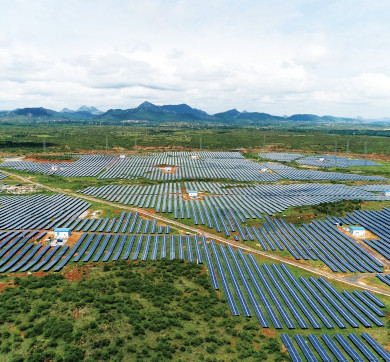
Energy as a Service (EaaS) challenges the traditional model and reimagines it in a modern, tech-enabled manner. Instead of owning and maintaining infrastructure, businesses can now access advanced energy technologies such as solar, battery storage, and smart energy management, on a subscription basis.
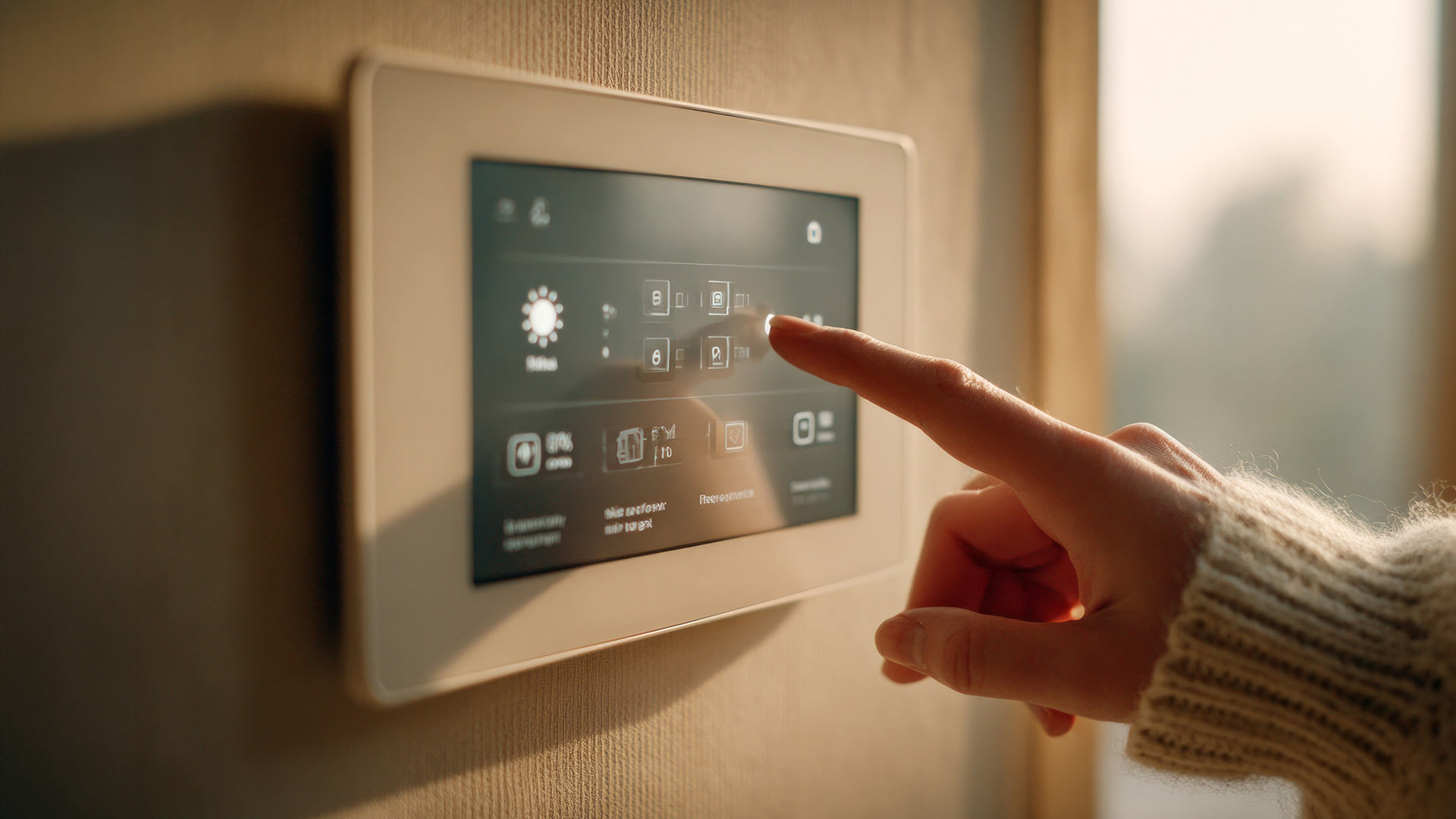
To make this possible, Tata Power Trading Company Ltd. (TPTCL) launched EnerUni, its EaaS platform designed to deliver flexible, outcome-driven energy solutions. TPTCL’s pivot to EaaS emerged from a need to provide customers with varied, cost-effective energy solutions. Early initiatives included smart energy management services such as SEMs (smart energy management systems), HVAC (heating, ventilation and air conditioning) optimisation, rooftop and onsite renewables, power trading, and long-term O&M contracts. Over time, these have evolved into fully integrated EaaS packages.
From siloed to seamless
TPTCL’s EaaS approach addresses fundamental limitations of traditional energy management —lack of real-time data, and high costs—by offering energy as a differentiated value proposition tailored to customer requirements. It also resolves the issue of siloed systems, where multiple internal and external vendors managed components of a customer’s energy needs, by replacing them with a fully integrated solution.
Like most innovations, this model is powered by technology and is in collaboration with Tata Consulting Services (TCS).
A key enabler of Tata Power’s EnerUni platform is the Renewable Energy Asset Monitoring System (RAM), which offers round-the-clock monitoring. RAM continuously tracks generation data, detects anomalies, and predicts maintenance needs, ensuring maximum uptime and optimal performance. If the asset underperforms, alerts are triggered automatically, and corrective action is taken.
A central data repository acts as a single source of truth, enabling automated reporting, secure access control, and transparent governance. This enhances decision-making, reduces downtime, and improves lifecycle economics—making solutions more affordable for commercial and industrial customers.
What EaaS Looks Like IRL
- Real-time HVAC optimisation cuts energy costs, boosts uptime.
- Smarter energy management enhances guest comfort, lowers costs.
- Factories partnering with EaaS firms to reduce energy waste and emissions
- Offices using smart lighting systems managed by an EaaS provider
- Hospitals relying on EaaS for cost-effective energy management and backup power
More optimisation, more gains
Although benefits vary based on scope and customer profile, integrated offerings combining solar, storage, and SEMS usually generate measurable gains. Organisations adopting EaaS have reported significant financial and operational improvements. Energy bills typically reduce due to a combination of on-site renewable generation, energy optimisation, and strategic load shifting.
Moving forward, EnerUni is expected to evolve from site-level optimisation to full portfolio orchestration, where distributed energy resources such as rooftop solar, BESS, and EV chargers are that support grid stability and offer new revenue streams.
- Anju Maskeri